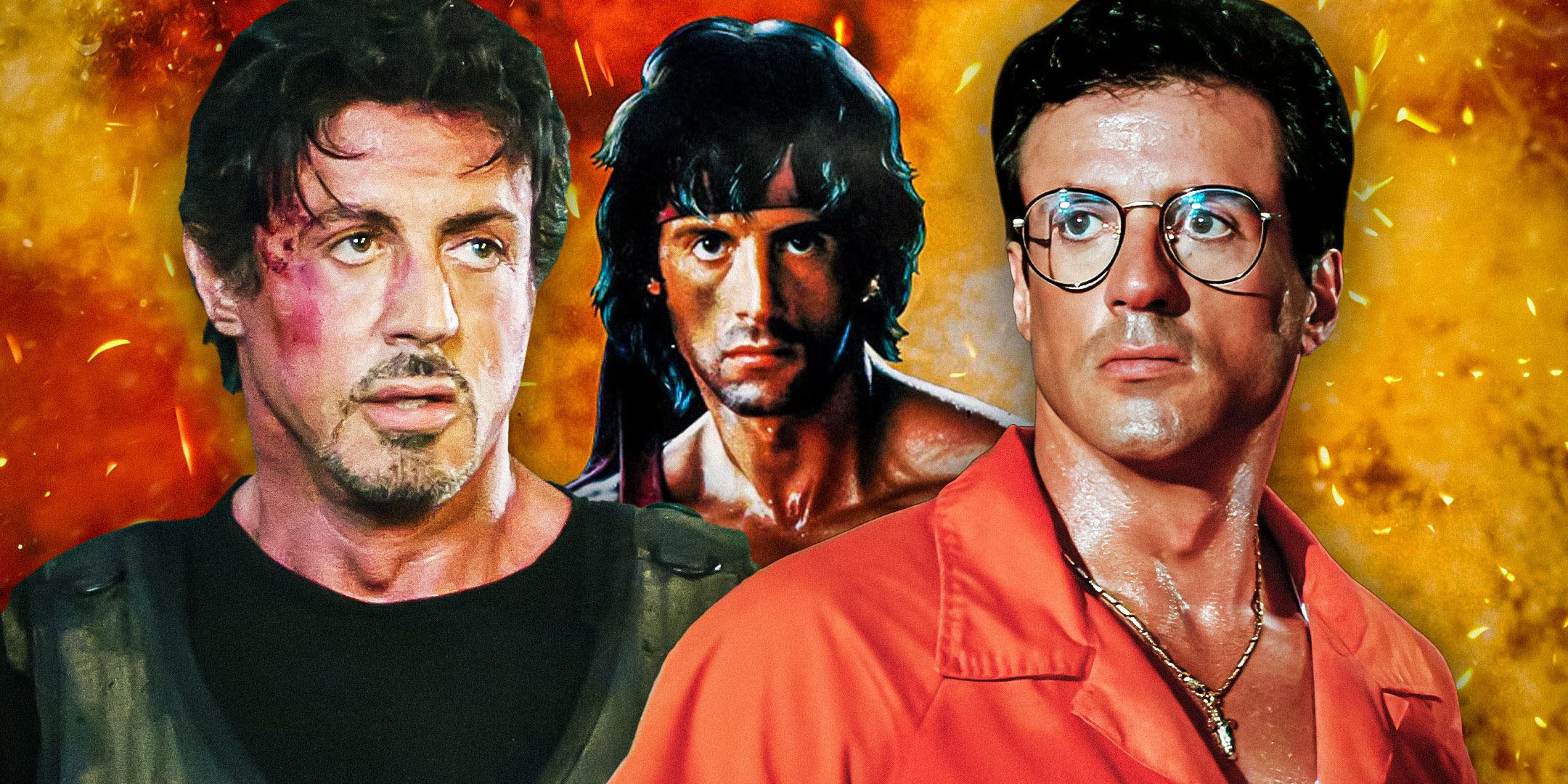
An action movie star is a performer whose career is defined by high-stakes, physically demanding roles that prioritize spectacle, combat, and athleticism. Beyond mere acting, these individuals serve as the primary marketing engine for global franchises, blending physical training, stunt proficiency, and a specific "bankable" charisma that translates across cultural and linguistic barriers in the international film market.
The landscape of action cinema has undergone a radical transformation over the last several decades. In 2026, the definition of an action star is more complex than it was during the "muscle-bound" era of the 1980s. Today, the role requires a synthesis of elite-level physical discipline, tactical knowledge, and the ability to navigate a digital-first marketing environment. To understand the current state of action movie stars, one must look at the historical pillars of the genre, the technical rigor required for the modern screen, and the shifting economic realities of the global box office.
The Evolution of the Action Archetype
The concept of the action star has evolved through distinct "eras," each reflecting the anxieties and aspirations of the audience. Understanding this progression is essential for identifying why certain stars remain relevant in 2026 while others have faded.
The Golden Age of the "Hard Body" (1980s–1990s)
The 1980s were dominated by hyper-masculine figures like Arnold Schwarzenegger and Sylvester Stallone. These stars relied on an aesthetic of invincibility. Their bodies were their brands—sculpted through bodybuilding and presented as unstoppable machines. The focus was on raw power and "one-man-army" narratives. This era established the "Star-as-IP" model, where the name on the poster was more important than the character being played.
The Rise of the Everyman and the Tactical Shift (2000s)
The 2000s brought a pivot toward realism. Following the success of the Bourne series and the gritty reboot of James Bond in Casino Royale, audiences began to favor "tactical" action. Stars like Matt Damon and Daniel Craig showcased a different kind of physicality—leaner, more grounded, and focused on functional combat like Brazilian Jiu-Jitsu and Krav Maga. The invincibility of the 80s was replaced by vulnerability and technical precision.
The Franchise and Superhero Dominance (2010s–Early 2020s)
The 2010s saw the rise of the "IP-Star." Within the Marvel Cinematic Universe (MCU) and the DC Extended Universe (DCEU), the character (Captain America, Wonder Woman) often became bigger than the actor. While this created a new tier of stardom for actors like Chris Evans or Gal Gadot, it also sparked a debate about whether "movie stars" still existed or if only "brands" remained.
The Practical Renaissance (2023–2026)
In the current 2026 landscape, we are witnessing a "Practical Renaissance." Driven by the massive success of the John Wick and Mission: Impossible franchises, audiences now demand authenticity. Today’s top action stars are expected to perform a significant portion of their own stunts, or at the very least, undergo grueling, transparent training processes that are documented for social media to "prove" their dedication to the craft.
Technical Rigor: The Modern Action Star’s Training
Being an action star in 2026 is no longer just about looking the part in a promotional still; it is a year-round athletic commitment. The technical depth required for modern roles involves several specialized disciplines.
Combat Systems and Martial Arts
Most modern action stars specialize in "screen fighting," which is a choreography-heavy version of real-world martial arts. However, to make these scenes believable, many stars now hold legitimate rankings in various disciplines. Common training regimens include:
- Brazilian Jiu-Jitsu (BJJ): Essential for "ground-and-pound" sequences and realistic grappling.
- Muay Thai/Kickboxing: Used to develop the striking speed and leg-work necessary for wide-angle fight scenes.
- Kali and Escrima: Filipino martial arts focusing on knife and stick fighting, which have become staples in tactical action choreography.
Tactical Firearms Training
For modern thriller and military action roles, stars often train with Taran Tactical or similar high-level instructors. This involves "3-Gun" training (handgun, rifle, shotgun) to ensure that reloads, transitions, and muzzle awareness look professional. In 2026, audiences are highly attuned to "tactical errors," making this training a prerequisite for any serious action lead.
Stunt Coordination and Safety
The relationship between the star and the stunt coordinator is the most vital partnership on a modern set. While stars like Tom Cruise are famous for doing their own death-defying stunts, the standard industry practice involves a "stunt-actor" hybrid approach. The star performs the choreography and "mid-level" stunts to maintain the visual continuity of their face, while specialized stunt doubles handle the high-risk maneuvers.
Categories of Action Stars in 2026
The industry currently recognizes three distinct tiers of action stardom, each serving a different segment of the market.
1. The Heritage Legends
These are the veteran stars who have maintained their "bankability" for over three decades.
- Tom Cruise: As of 2026, Cruise remains the singular "last movie star," primarily due to his insistence on practical stunts and theatrical-exclusive releases.
- Keanu Reeves: His work on John Wick redefined the expectations for actor-led choreography, and he remains a pillar of the "gun-fu" subgenre.
- Michelle Yeoh: Following her historic successes in the early 2020s, she has become the face of "prestige action," blending high-level martial arts with award-winning dramatic depth.
2. The Modern Heavyweights
These stars are in their prime and currently carry the largest global franchises.
- Dwayne "The Rock" Johnson: While he often leans into four-quadrant family action, his physical stature and social media reach make him a global archetype of the genre.
- Charlize Theron: A pioneer in the female-led tactical action space (Mad Max: Fury Road, Atomic Blonde), she continues to be the blueprint for gritty, physical performances.
- Chris Hemsworth: Transitioning out of purely superhero roles, Hemsworth has utilized his Extraction series to establish himself as a top-tier tactical action lead.
3. The New Wave (Passing the Torch)
By 2026, a new generation of stars has emerged who prioritize diverse backgrounds and unconventional paths to stardom.
- Rising Talents: Actors who cut their teeth in streaming-original movies or international cinema are now leading major studio tentpoles. This group is characterized by a "hybrid" skill set—highly trained in dance or gymnastics, which translates into more fluid and creative action choreography.
Comparison of Action Stardom Metrics
The following table compares the different "models" of action stardom prevalent in 2026.
| Star Category | Primary Focus | Stunt Involvement | Example Figures | Target Audience |
|---|---|---|---|---|
| Practical Virtuoso | Realism & Spectacle | Very High (Self-performed) | Tom Cruise, Keanu Reeves | Cinema Enthusiasts, Gen X to Gen Z |
| The Brand Icon | Personality & Charisma | Moderate (Stunt-heavy) | Dwayne Johnson, Ryan Reynolds | General Global Audience, Families |
| Tactical Specialist | Gritty Realism & Combat | High (Technical Choreography) | Chris Hemsworth, Charlize Theron | Adult Action Fans, Thriller Seekers |
| IP-Driven Lead | Character Fidelity | Moderate (VFX Assisted) | Various MCU/DC Stars | Franchise Fans, Younger Demographics |
The Economics of Action Stardom
The financial structure of an action movie star's career in 2026 has shifted away from the traditional "upfront salary" toward "backend and brand" models.
The Decline of the $20 Million Salary
While top-tier stars still command massive paydays, the "flat $20 million" fee is rarer. Instead, stars often negotiate for a percentage of the "first-dollar gross"—meaning they get a cut of every ticket sold from day one. In 2026, this is frequently tied to "performance triggers" related to streaming viewership numbers on platforms like Netflix, Disney+, and Amazon Prime.
International Bankability
Action remains the most "portable" genre. Unlike comedies or heavy dramas, which may rely on culture-specific puns or social nuances, a well-choreographed fight scene or a high-speed chase is understood globally. Consequently, an action star’s value is often calculated by their "Q Score" (a measurement of familiarity and appeal) in markets like China, India, Brazil, and South Korea.
The Role of Social Media
In 2026, an action star’s "training vlog" is often as much a part of the movie’s marketing as the trailer itself. Stars use platforms like Instagram and TikTok to showcase their physical transformations and "behind-the-scenes" stunt rehearsals. This builds a sense of "earned" stardom, where the audience feels they are witnessing the hard work required to become a hero.
Challenges and Longevity
The physical toll of being an action movie star is significant. Longevity in this niche requires more than just luck; it requires a sophisticated approach to health and career management.
- Injury Management: Chronic injuries are common. Many stars now employ full-time physical therapists and use advanced recovery technologies (hyperbaric chambers, cryotherapy) to extend their active years.
- Typecasting: The risk of being "just an action guy/girl" is high. Successful stars often pivot into producing or directing to ensure they have a career once they can no longer perform high-impact stunts.
- The "VFX Threat": As digital doubles and AI-generated stunts become more seamless, some argue that the "human" element of action may be devalued. However, the current trend in 2026 suggests the opposite: the more digital the world becomes, the more audiences value the "real" physical effort of a human star.
Frequently Asked Questions
Do action movie stars really do all their own stunts?
While some stars like Tom Cruise or Jackie Chan are famous for doing nearly all their own stunts, most do about 40% to 70%. The "star" usually performs the fights and "character-based" movement where the face is visible, while specialized stunt performers handle high-fall impacts, vehicle crashes, or complex wirework where the risk of a production-stopping injury is too high.
Who is considered the highest-paid action star in 2026?
Dwayne Johnson and Tom Cruise typically vie for the top spot. However, the "highest paid" title is often subjective, as it depends on whether you count "total earnings" (including production credits and brand endorsements) or just "acting salary." In 2026, "backend" participation from streaming deals has made these numbers more opaque than in the past.
How do actors train for action roles so quickly?
Most action stars use a "periodized" training approach. This involves 3–6 months of "pre-production" training where they work 4–6 hours a day with professional trainers and stunt coordinators. This includes "hypertrophy" (muscle building), metabolic conditioning, and specific skill acquisition (like sword fighting or tactical driving).
Why are there so many sequels in the action genre?
Action movies are expensive to produce. Studios prefer "proven" stars in "proven" roles because it reduces financial risk. For a star, a franchise provides a "home base" of income and global visibility that allows them to take risks on smaller, more dramatic projects in between.
Is the era of the "traditional" action star over?
No, but it has changed. The "unbeatable" hero has been replaced by the "dedicated" hero. Audiences in 2026 value the effort and the skill of the performer more than just their physical size. Stardom today is about the intersection of physical authenticity and emotional relatability.
Future Outlook and Recommendations
For those following the careers of action movie stars or aspiring to enter the industry, the key takeaway for 2026 is diversification. The most successful stars are no longer just "actors"; they are athletes, producers, and brand managers.
If you are a fan or a student of the genre, prioritize following the work of stunt coordinators and fight choreographers (such as those from the 87North or 87eleven camps). They are the architects behind the stars. As the industry moves toward the late 2020s, expect to see an even greater emphasis on international crossovers and the integration of "prestige" acting with high-octane physicality. To truly appreciate an action star in 2026, look beyond the explosions and observe the technical proficiency and "physical storytelling" that separates a true icon from a temporary franchise lead.