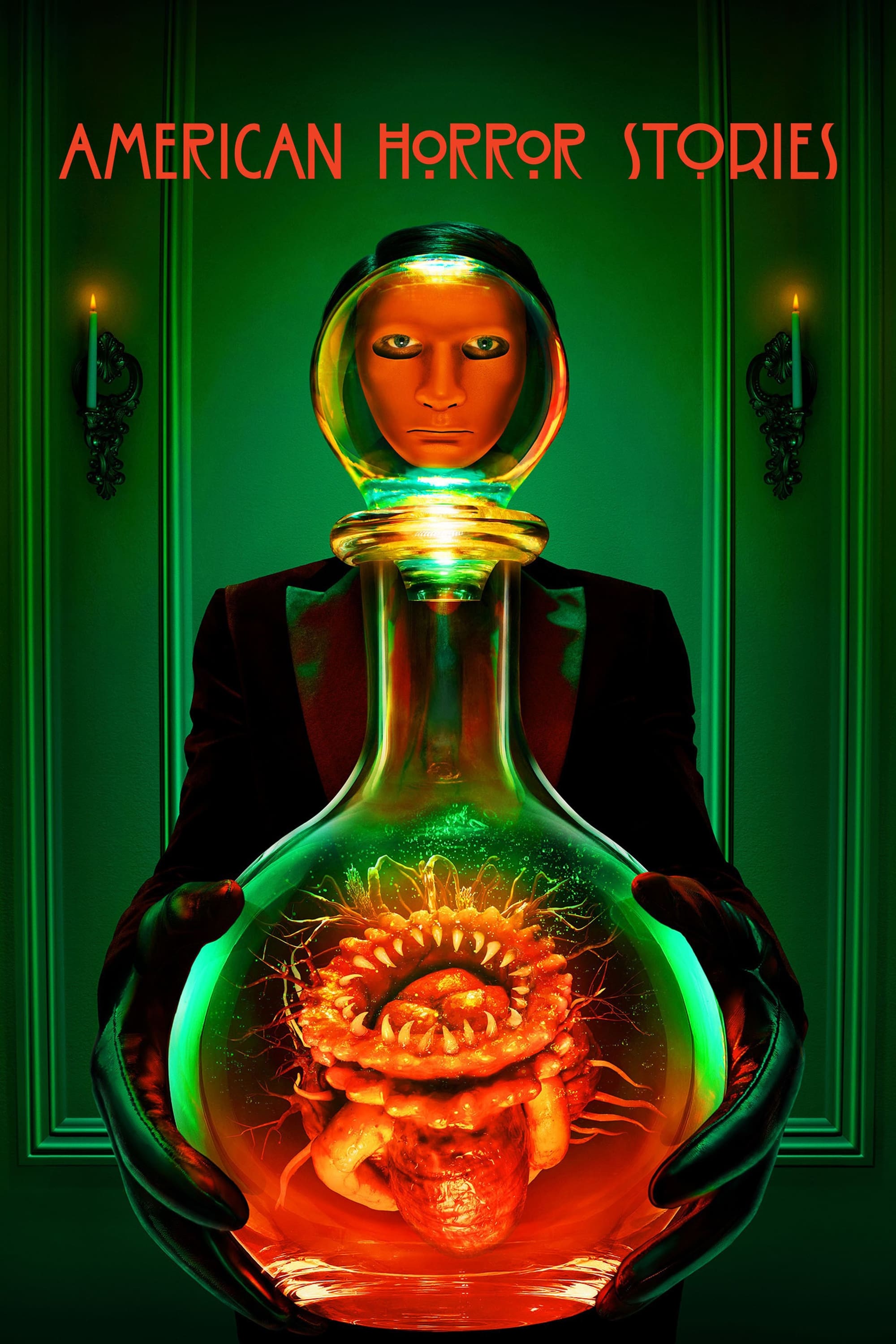
American Horror Stories is the primary episodic spin-off of the long-running FX anthology series American Horror Story. Unlike the parent show, which focuses on a single narrative across an entire season, this spin-off features a different horror tale in every episode, exploring diverse sub-genres of terror within the Ryan Murphy-created universe.
The horror landscape underwent a significant shift when Ryan Murphy and Brad Falchuk announced they were expanding the "AHS" brand. Since its debut in 2021, the spin-off—stylized as American Horror Stories—has carved out its own niche by providing bite-sized nightmares that range from psychological thrillers to classic slasher homages. As of 2026, the series has become a cornerstone of seasonal "Huluween" programming, maintaining the franchise’s reputation for provocative visuals and controversial storytelling.
Defining the Spin-Off: American Horror Story vs. American Horror Stories
To understand the spin-off, one must first distinguish it from the flagship series. While American Horror Story (AHS) revolutionized the seasonal anthology format—where each season is a self-contained miniseries—American Horror Stories (AHStories) utilizes an episodic anthology format. This means that, with a few exceptions of multi-part episodes, the conflict, characters, and resolution are all contained within a 40-to-60-minute window.
This format allows the creators to experiment with niche horror concepts that might not sustain a full 10-episode arc. It also serves as a testing ground for new talent, both in front of and behind the camera, while occasionally bringing back "legacy" actors from the main series to play entirely new roles.
The "FX on Hulu" Expansion
The spin-off was a strategic move to bolster the "FX on Hulu" (now integrated more broadly into Disney+) digital presence. By moving the spin-off to a streaming-first model, the producers were able to push boundaries in terms of graphic content and experimental pacing that traditional cable television occasionally restricted. For viewers in 2026, the series remains a digital-exclusive, often used as a lead-in to the premier of the main American Horror Story seasons.
Historical Timeline and Seasonal Progression
The journey of American Horror Stories began during a period of intense growth for the franchise. Each "installment" (as the seasons are often called) has focused on a different thematic approach to the horror genre.
Season 1: Returning to the Roots
Released in the summer of 2021, the first season leaned heavily on nostalgia. The premiere, a two-part special titled "Rubber(wo)man," returned viewers to the iconic Murder House from AHS Season 1. This set a precedent for the spin-off: it would not only tell new stories but also serve as a connective tissue for the broader "AHS" lore. Other episodes in the debut season explored urban legends, forbidden films, and the perils of social media influencer culture.
Season 2: Expanding the Mythos
Season 2, which aired in 2022, was widely considered a step forward in terms of original writing. The standout episode, "Dollhouse," provided a surprising origin story for a beloved character from AHS: Coven, proving that the spin-off could add genuine value to the main series' canon. This season moved away from the Murder House obsession and explored unique settings like high-security "prepper" bunkers and coastal necro-tech labs.
Season 3 and the "Huluween" Shift
By late 2023 and throughout 2024, the series shifted its release strategy. Instead of a summer run, the show became an "event" series, releasing batches of episodes specifically for the Halloween season. These episodes, such as "Bestie" and "Daphne," focused on modern anxieties—AI, digital isolation, and body dysmorphia—reflecting a more contemporary "Black Mirror-esque" approach to horror.
Comparison of AHS vs. American Horror Stories
For viewers deciding which series to invest their time in, the following table highlights the core differences in structure and style.
| Feature | American Horror Story (Parent) | American Horror Stories (Spin-Off) |
|---|---|---|
| Narrative Structure | Seasonal Anthology (1 story per season) | Episodic Anthology (1 story per episode) |
| Average Run Time | 10–13 episodes per story | 1–2 episodes per story |
| Character Depth | High (Long-term development) | Moderate (Rapid character arcs) |
| Lore Connectivity | Deeply interconnected seasons | Primarily standalone with occasional "Easter Eggs" |
| Primary Platform | FX Network / Streaming | Hulu / Disney+ Exclusive |
| Experimental Freedom | Moderate (Must sustain 10 hours) | High (Can take risks on 45-minute concepts) |
Recurring Themes and Cultural Commentary
One of the hallmarks of the American Horror Stories spin-off is its aggressive engagement with current social trends. Ryan Murphy has always used the franchise to mirror American anxieties, and the spin-off is no different.
The Dark Side of Technology
Several episodes across the various seasons have tackled the invasive nature of technology. From smart-home devices that turn murderous to the psychological toll of viral fame, the series serves as a cautionary tale for the Gen Z and Millennial demographics. These stories often conclude with a cynical or "unhappy" ending, a staple of the horror anthology genre intended to provoke thought long after the credits roll.
Reimagining Urban Legends
The spin-off frequently revisits classic folklore—such as the "Lady in White" or the "Rabbit Man"—and gives them a modern, often queer-coded or subversive twist. By updating these legends, the show remains relevant to a younger audience while paying homage to the slasher tropes of the 1980s and 90s.
Connections to the "Mothership"
While the spin-off is technically standalone, die-hard fans frequently look for "Easter Eggs." The show has visited several locations and mentioned organizations (such as the Cooperative or various witch covens) that exist in the main timeline. This creates a "shared universe" feel that rewards long-term viewers without alienating newcomers who are just looking for a quick scare.
Key Cast and Creative Contributors
The spin-off has become a revolving door for Hollywood talent. The "Murphy-verse" is known for its loyalty to actors, and American Horror Stories features a mix of veteran stars and rising newcomers.
- AHS Veterans: Actors like Matt Bomer, Billie Lourd, Denis O'Hare, and Cody Fern have appeared in the spin-off, often playing characters that are starkly different from their roles in the main series.
- Newer Faces: The series has provided a platform for younger actors such as Kaia Gerber, Sierra McCormick, and Nico Greetham.
- Directorial Diversity: The spin-off often employs different directors for each episode, including Max Winkler, Loni Peristere, and even franchise stars like Sarah Paulson, who have stepped behind the camera to lend their vision to the anthology.
Production Logistics and Technical Depth
Creating an episodic anthology is a logistical challenge. Unlike a traditional series where sets and costumes are reused for months, American Horror Stories requires a complete "re-skin" for every episode.
Cinematography and Visual Identity
Each episode often adopts a unique visual palette. For example, an episode set in the 1950s may use saturated Technicolor-inspired lighting, while a modern tech-horror episode might use cold, clinical blues and minimalist set design. This variety ensures that the "brand" feels fresh, even if the viewer is binge-watching multiple episodes in one sitting.
The Role of Special Effects Makeup
The franchise is famous for its practical effects and makeup. Even in the spin-off, the production values remain high. Creatures, gore, and prosthetics are handled by industry-leading teams to ensure that the "scares" meet the high standards set by the original series. In 2026, the use of augmented reality and enhanced CGI has allowed the spin-off to depict increasingly surreal and nightmare-like sequences that were previously impossible on a TV budget.
Viewing Requirements and Access
As of 2026, American Horror Stories is primarily available through digital streaming services. Depending on your region, the access points differ:
- United States: The series is a "Hulu Original," available to all subscribers of the Hulu streaming service. It is also included in the Disney+ "Hulu on Disney+" integration.
- International (UK, Canada, Australia, etc.): The series is typically found under the "Star" brand on Disney+.
- Subscription Tiers: Most platforms offer both ad-supported and ad-free tiers. Horror fans generally recommend the ad-free experience to maintain the tension and atmospheric build-up of the episodes.
Frequently Asked Questions
Do I need to watch American Horror Story before the spin-off?
No, you do not need to have seen the original series to enjoy American Horror Stories. Most episodes are completely independent. However, certain episodes (like the "Rubber(wo)man" installments or "Dollhouse") contain references and backstories that are much more satisfying if you are familiar with the first and third seasons of the parent show.
Why are some seasons of the spin-off shorter than others?
The production of American Horror Stories has occasionally been impacted by industry-wide shifts and scheduling. For example, Season 3 was split into parts, with the first four episodes released as a "Huluween" event. The number of episodes usually depends on the creative direction for that specific year rather than a fixed network quota.
Is the spin-off scarier than the original show?
"Scary" is subjective, but the spin-off often feels more intense because it has to deliver its scares within a shorter timeframe. While the main series focuses on "dread" and "atmosphere" over 10 hours, the spin-off relies more on "shocks" and "high-concept horror" to make an impact in 45 minutes.
Will there be more spin-offs in the AHS universe?
As of 2026, American Horror Stories remains the main episodic spin-off. However, the success of this format has led to other "American Story" franchises, such as American Crime Story, American Love Story, and American Sports Story. While these aren't horror-based, they follow the same anthology DNA established by Murphy and Falchuk.
Are the episodes connected to each other?
Generally, no. Each episode is its own universe. However, there are rare instances where characters might overlap or a theme might carry over into a "Part 2." For the most part, you can watch the episodes in any order you choose without losing the plot.
Final Recommendations for Viewers
If you are new to the American Horror Stories spin-off, the best way to start is by picking an episode that aligns with your favorite horror sub-genre. If you enjoy psychological thrillers, start with Season 3’s "Daphne." If you prefer classic slasher tropes, Season 1’s "The Naughty List" or "Drive In" are excellent choices.
For the most immersive experience, watch the series during the autumn months to coincide with the "Huluween" events. This is when the community engagement is highest and when the themes of the show most closely mirror the seasonal atmosphere. Whether you are a die-hard fan of the "Murder House" lore or a newcomer looking for a quick midnight scare, the spin-off offers a diverse, high-quality gateway into the darker corners of the Ryan Murphy universe.