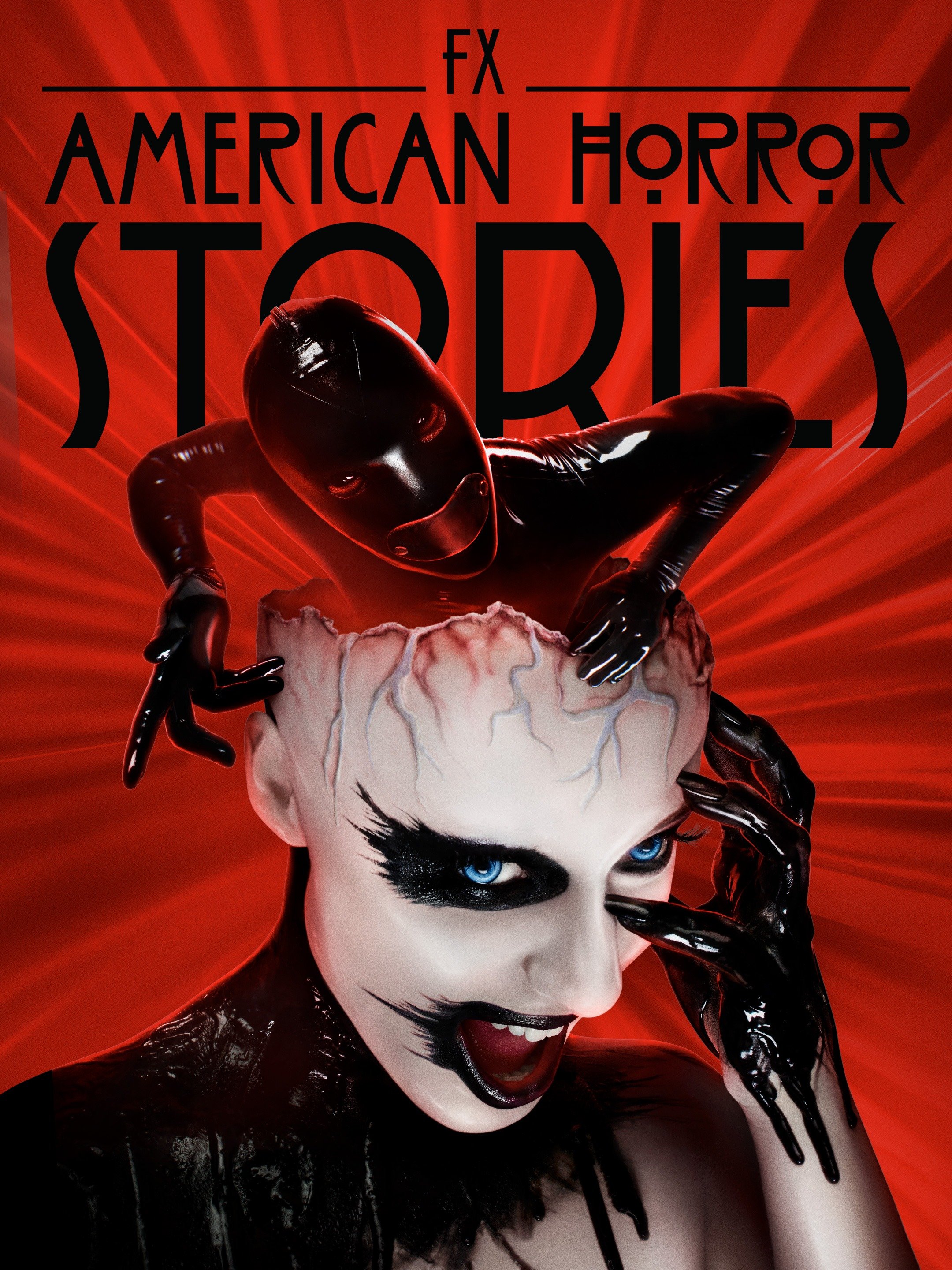
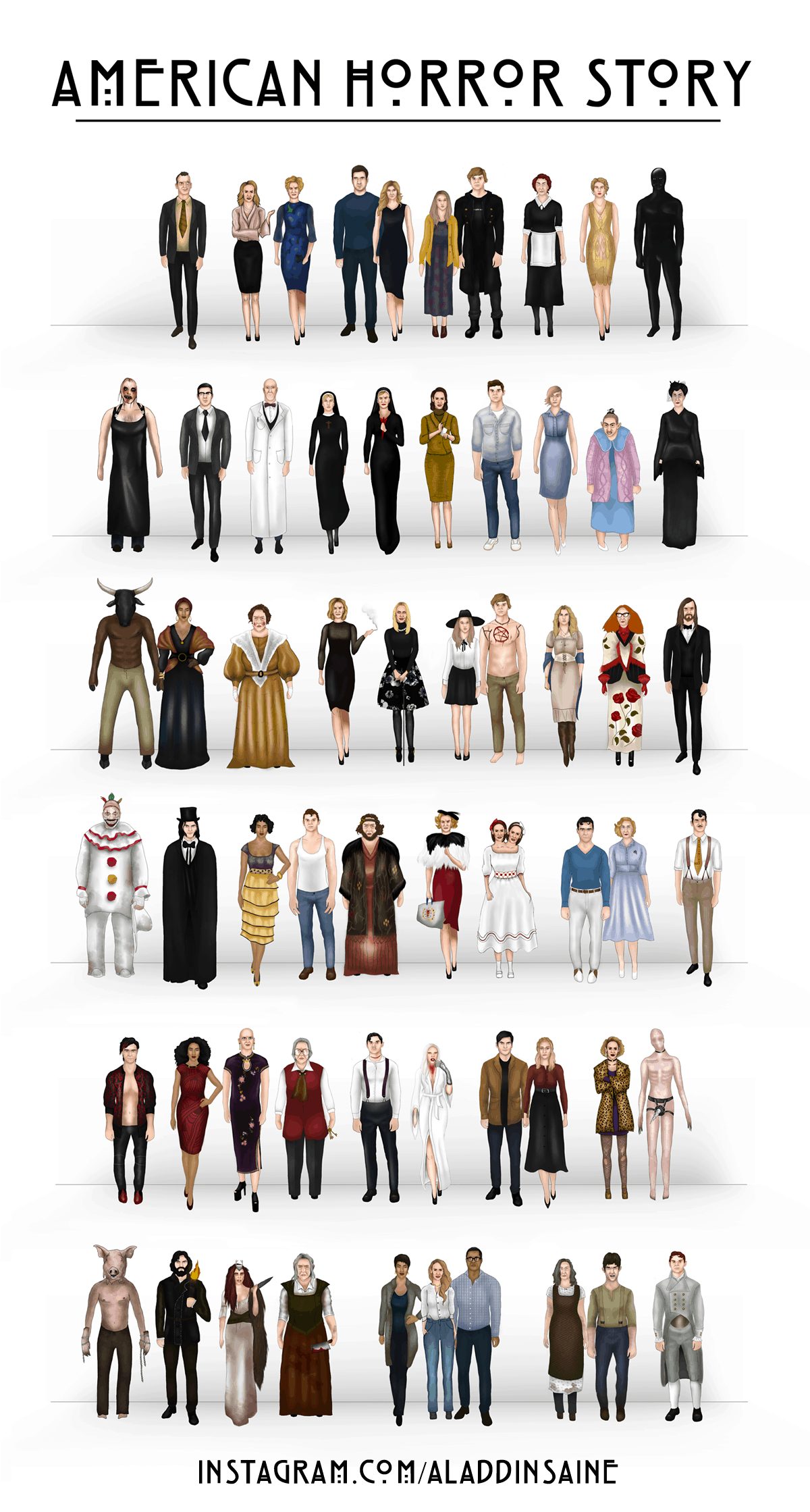
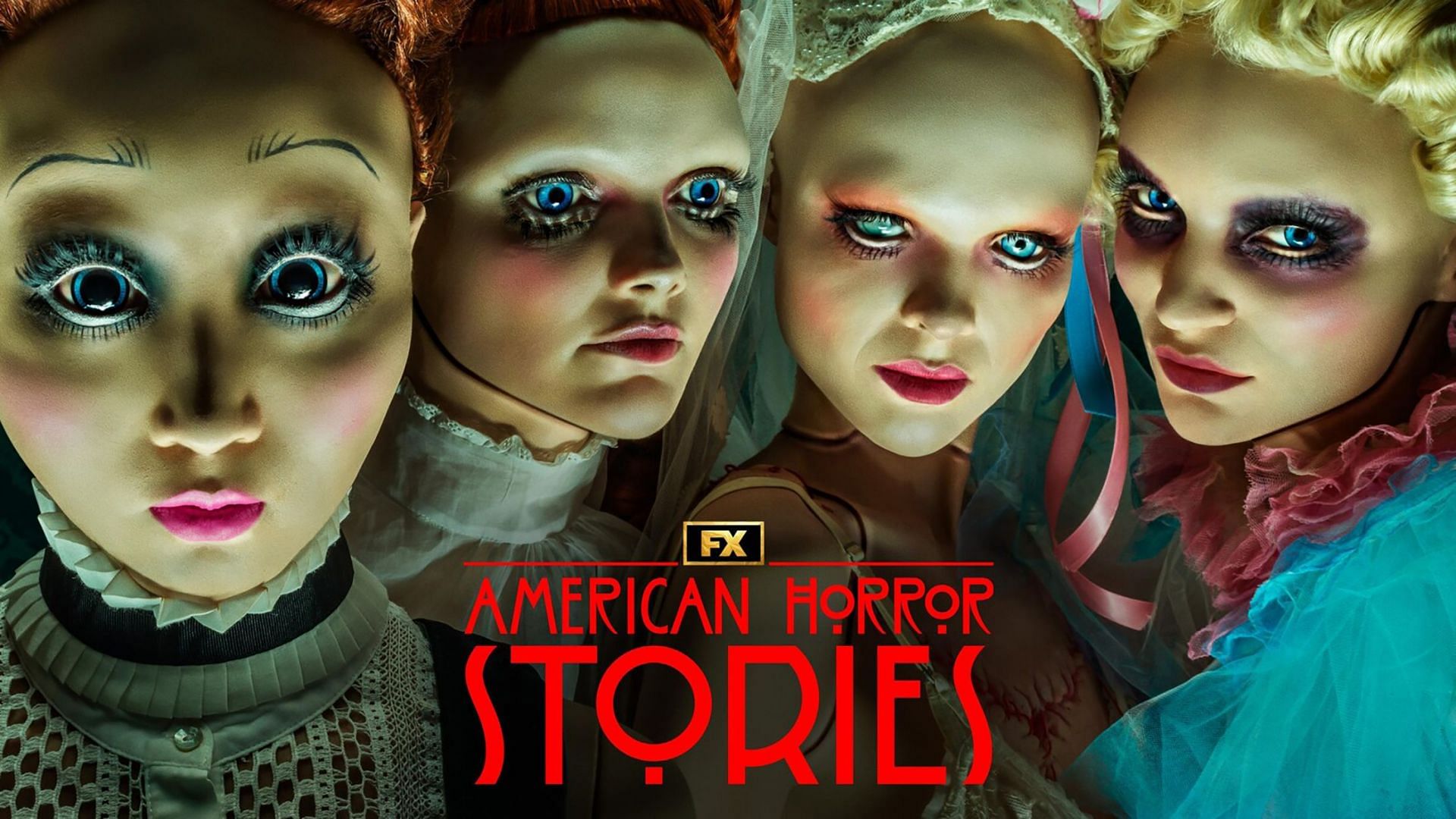
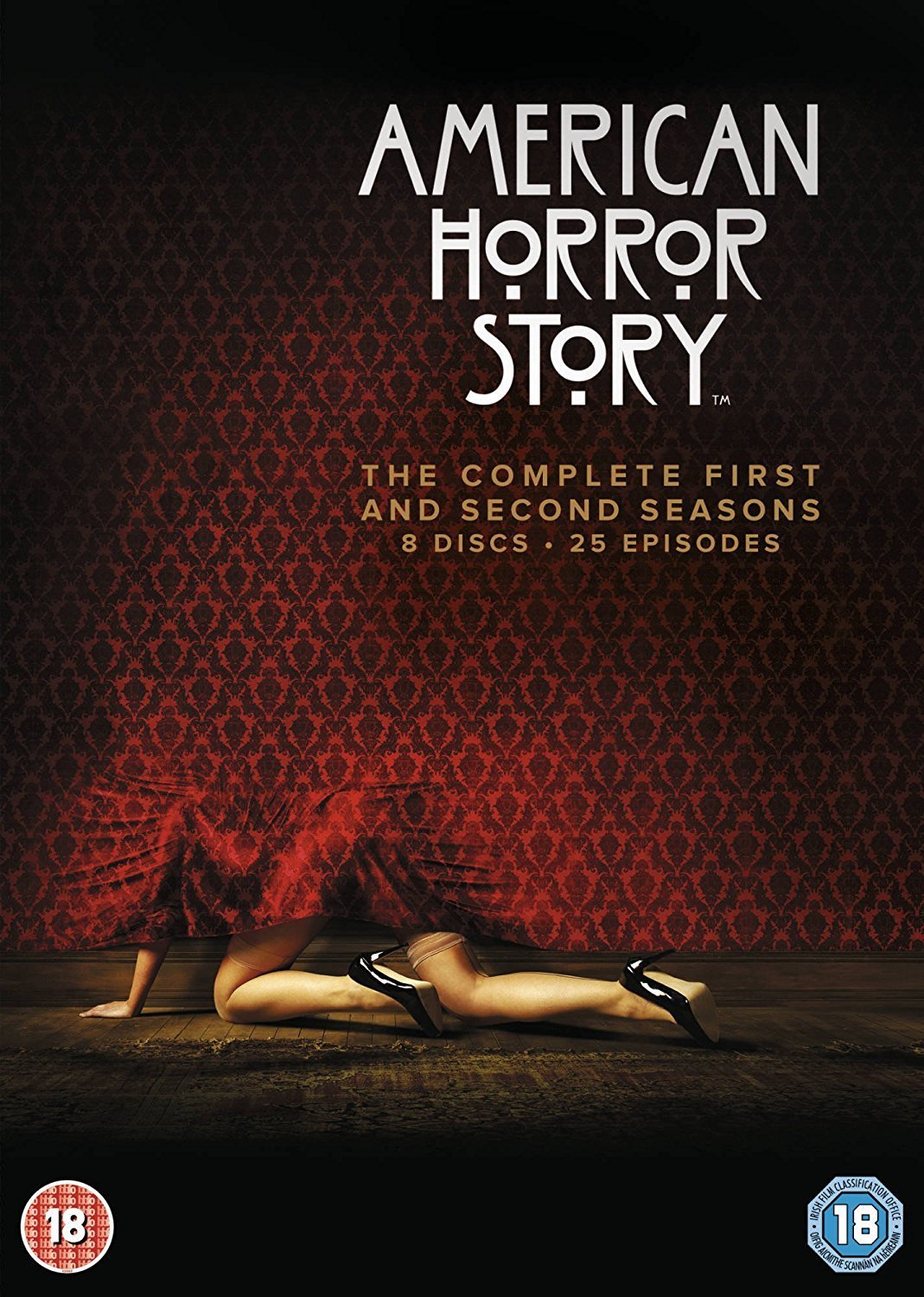
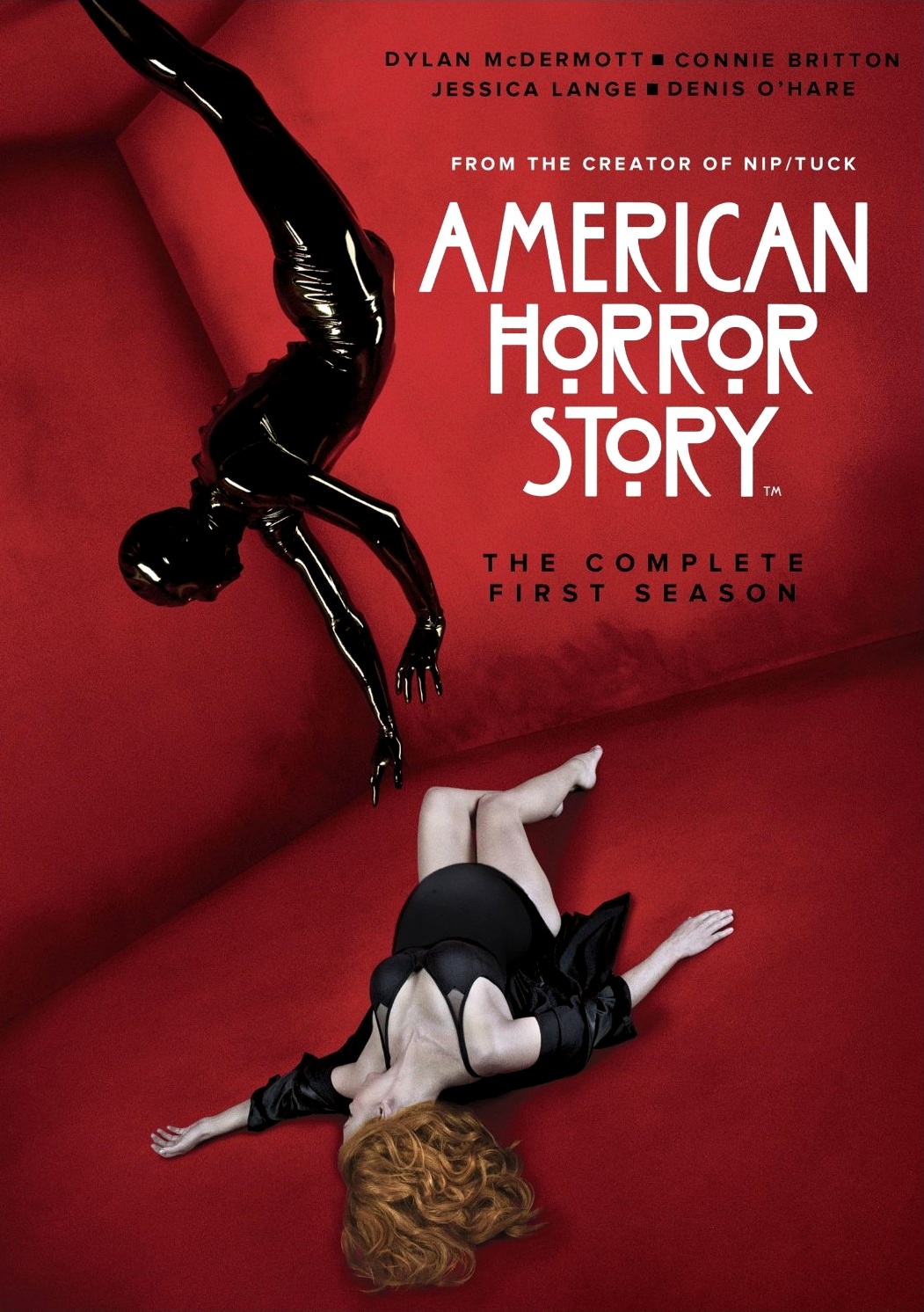
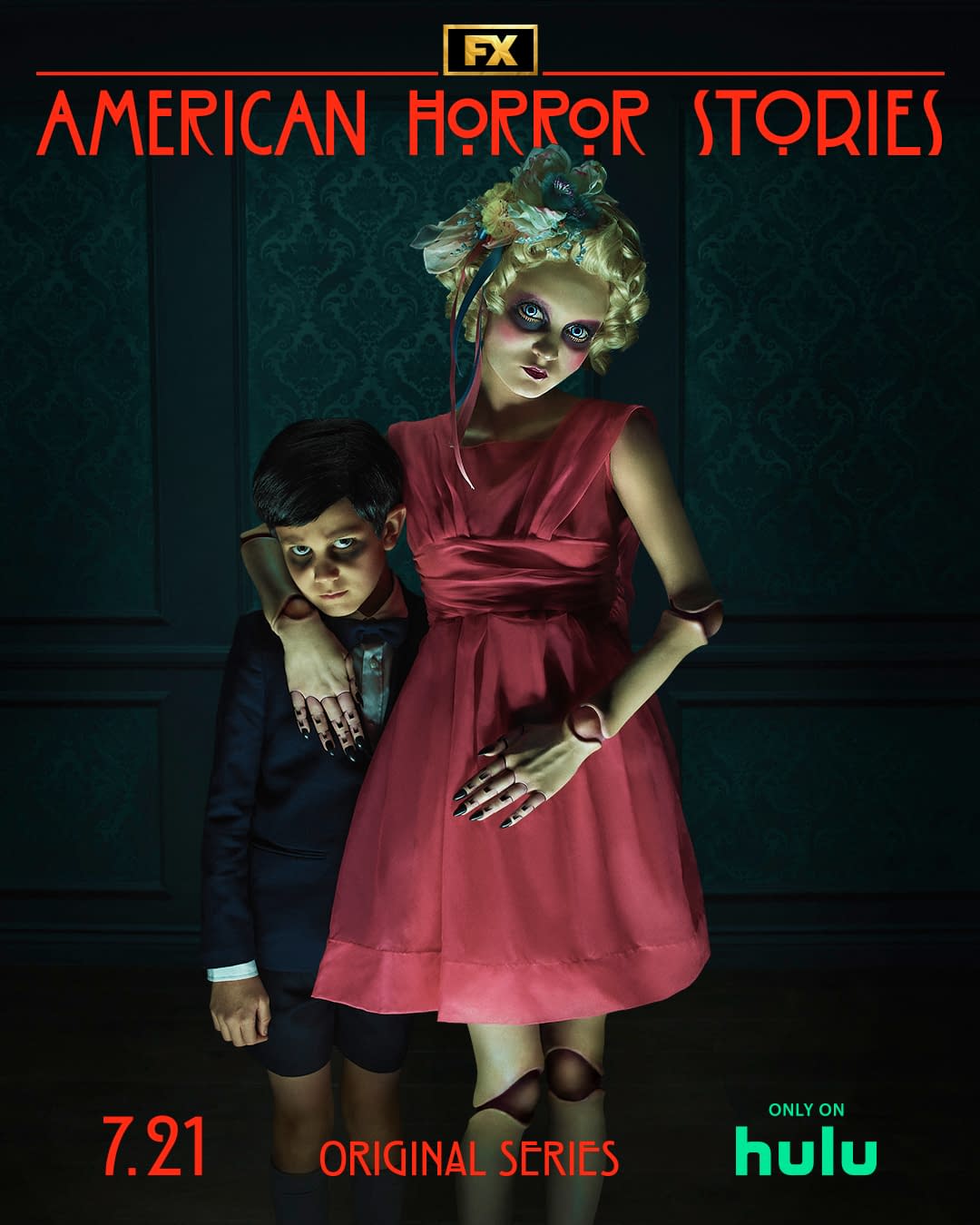
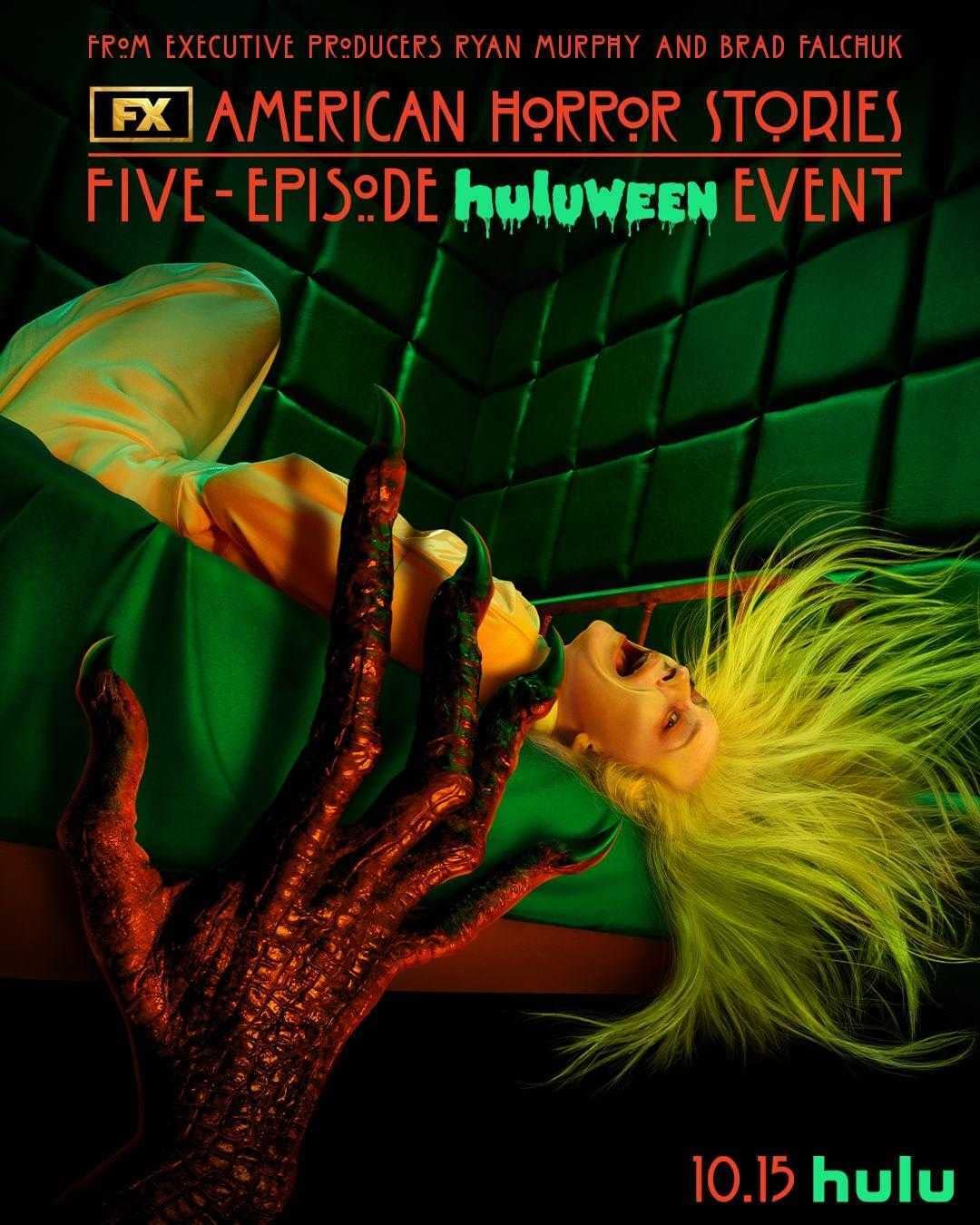
American Horror Stories is an episodic anthology series created by Ryan Murphy and Brad Falchuk for FX on Hulu. Serving as a spin-off to the flagship American Horror Story, each episode—or occasionally a two-part arc—features a self-contained narrative that explores diverse horror tropes, urban legends, and psychological terrors within the established AHS universe.
Understanding the Episodic Anthology Format
The primary distinction between the original American Horror Story (AHS) and this spin-off is the narrative structure. While the parent series follows a "seasonal anthology" format—where a single storyline and set of characters are developed over 10 to 13 episodes—American Horror Stories utilizes an "episodic anthology" model. This means that, for the most part, viewers are introduced to a new nightmare, a new cast, and a new setting every week.
This format allows the creative team to experiment with niche sub-genres of horror that might not sustain a full ten-hour season. From classic slasher tropes and haunted houses to modern tech-horror and body horror, the series acts as a "short story" collection for the television medium. By 2026, this format has proven successful in keeping the franchise agile, allowing for rapid-fire storytelling that appeals to the shorter attention spans of the streaming era while maintaining the high production values associated with the Ryan Murphy brand.
The episodic nature also serves as a laboratory for the franchise. It allows the producers to test out new directors, writers, and actors. Some episodes have served as "backdoor pilots" or origin stories for characters and locations seen in the main series, creating a connective tissue that rewards long-term fans without alienating new viewers who may not have seen every season of the original show.
The Genesis and Development of the Spin-Off
Announced in May 2020 and premiering in July 2021, the series was designed specifically for the "FX on Hulu" portal. This move signaled a shift in how the franchise would be consumed, moving away from traditional linear cable broadcasts on FX and embracing the binge-heavy, on-demand nature of streaming platforms.
The development of the series was influenced by the success of other anthology revivals, such as Black Mirror and The Twilight Zone. However, Murphy and Falchuk injected the specific "camp-meets-gore" aesthetic that has defined the AHS brand since 2011. The series often utilizes the same font (Chelsea Deluxe), similar musical cues, and the iconic, disturbing title sequences that fans have come to expect.
From a production standpoint, the series benefited from the infrastructure already in place for the main AHS series. Many of the same costume designers, cinematographers, and set decorators work across both projects, ensuring a visual consistency that makes the spin-off feel like an authentic extension of the primary brand. By 2026, the series has successfully carved out its own identity, moving beyond being a mere "supplement" to becoming a standalone pillar of the horror television landscape.
Season-by-Season Evolution and Highlights
To understand the trajectory of American Horror Stories, it is essential to look at how the series has evolved across its multi-season run. Each season has attempted to strike a different balance between nostalgia for the original series and the exploration of new, standalone ideas.
Season 1: The Return to Murder House
The first season leaned heavily on the legacy of the original series. The two-part premiere, "Rubber(wo)man," returned viewers to the infamous "Murder House" from AHS Season 1. While this move drew in nostalgic fans, it also set a precedent for the series' willingness to deconstruct its own mythology.
- Standout Episode: "BA'AL" featured a gripping performance by Billie Lourd and explored the horrors of postpartum depression through a supernatural lens. It remains one of the most critically acclaimed episodes for its tight pacing and genuine scares.
- The Meta-Commentary: The season finale, "Game Over," took a meta-approach, involving a video game creator trying to make an AHS game, which further blurred the lines between the show's fiction and reality.
Season 2: Exploring New Horizons
In its second outing, the series moved further away from direct sequels and focused more on original concepts. This season was generally viewed as a significant step up in quality, with more disciplined writing and a focus on psychological dread.
- Standout Episode: "Dollhouse" served as a clever prequel to AHS: Coven, explaining the origins of the character Spalding. It combined eerie aesthetics with a high-stakes survival plot.
- Modern Anxiety: "Aura" starred Max Greenfield and explored the terrors of smart-home technology and the invasion of privacy, proving that the series could handle contemporary social fears just as well as supernatural ones.
Season 3: The "Huluween" Event and Beyond
Season 3 marked a shift in release strategy, with a four-episode "Huluween" event in late 2023 followed by subsequent releases. This season leaned harder into "elevated horror" and body horror.
- Standout Episode: "Tapeworm" explored the obsessive world of high fashion and the lengths people go to for "perfection," featuring visceral body horror that recalled the works of David Cronenberg.
- Technological Terror: "Daphne" focused on an AI digital assistant that becomes obsessively attached to its user, tapping into the 2020s zeitgeist regarding the rapid advancement of artificial intelligence.
Notable Cast and Recurring Performers
One of the hallmarks of the Ryan Murphy universe is the "repertory theater" approach to casting. American Horror Stories continues this tradition, featuring a mix of AHS veterans and fresh talent.
| Category | Key Performers | Notable Episodes |
|---|---|---|
| AHS Veterans | Matt Bomer, Billie Lourd, Cody Fern, Denis O'Hare | "Rubber(wo)man," "BA'AL," "Feral," "Dollhouse" |
| Rising Stars | Sierra McCormick, Kaia Gerber, Madison Iseman | "Rubber(wo)man," "Game Over," "Bestie" |
| Guest Icons | Danny Trejo, Judith Light, Alicia Silverstone | "The Naughty List," "Facelift," "Lake" |
| New Talent | Seth Gabel, Jeff Hiller, Reid Scott | "Milkmaids," "Organ," "Daphne" |
This casting strategy provides a sense of familiarity for long-time viewers while giving the show a "prestige" feel. Seeing an established actor like Judith Light lead a gruesome episode about the horrors of plastic surgery ("Facelift") adds a layer of gravitas that elevates the material above standard genre fare.
Recurring Themes and Cultural Impact
Despite the changing stories, several recurring themes permeate the series. These themes reflect the broader anxieties of the mid-2020s and the specific creative preoccupations of the series' writers.
- The Perils of Social Media: Several episodes, such as "The Naughty List" and "Bestie," examine how the digital world can amplify isolation, vanity, and malice.
- Legacy and Lineage: Building on the themes of the parent show, the spin-off often looks at how the sins of the past—parents, ancestors, or previous homeowners—manifest in the present.
- The Horror of the Body: From "Tapeworm" to "Facelift," the series frequently explores the vulnerability of the human form and the psychological trauma of physical transformation.
- American Folklore: The series frequently revisits and reinterprets American myths, such as the "Vanishing Hitchhiker" or urban legends regarding national parks ("Feral").
The cultural impact of the series is most evident in its ability to trend on social media platforms during its release windows. By 2026, "American Horror Stories" has become a staple of the Halloween season (or "Huluween"), with fans debating episode rankings and searching for hidden Easter eggs that link the episodes to the wider AHS universe.
Production Values and Technical Specifications
As a premium streaming series, American Horror Stories maintains high technical standards. Each episode is treated like a miniature film, often featuring unique color palettes and cinematography styles tailored to the specific sub-genre being explored.
- Cinematography: The show often switches between digital sharpness for modern tech-horror and grainy, high-contrast looks for episodes set in the past or those mimicking 70s/80s slasher films.
- Sound Design and Score: Mac Quayle, the long-time composer for the franchise, provides a score that is both unsettling and atmospheric. The sound design is often aggressive, utilizing silence and sudden jarring noises to maximize the "jump scare" potential.
- Special Effects: The series uses a blend of practical effects (prosthetics, animatronics) and CGI. There is a clear emphasis on "old-school" gore, which helps ground the more fantastical elements of the show.
Streaming and Accessibility
As of 2026, American Horror Stories remains an anchor of the Hulu (and by extension, Disney+) library. In the United States, it is a Hulu Original, while internationally, it is typically found under the "Star" brand on Disney+.
Viewing Requirements
- Platform: Hulu (USA), Disney+ (International).
- Subscription Tier: Usually available on all tiers, though ad-free tiers provide a more immersive "cinematic" experience.
- Parental Controls: Due to high levels of violence, sexual content, and profanity, the series is consistently rated TV-MA. Parental locks are recommended for households with younger viewers.
Common Criticisms and Comparisons
While the series has a dedicated following, it has not been without its critics. The most common critique involves the inconsistency inherent in the anthology format. Because every episode is different, some narratives inevitably feel stronger than others.
- Pacing Issues: Some critics argue that certain concepts are better suited for a 20-minute short or a full feature film, occasionally making the 45–60 minute runtime feel stretched or rushed.
- Dialogue Style: The "Ryan Murphy style" often includes highly stylized, fast-paced dialogue that some viewers find unrealistic or overly dramatic.
- Comparison to the Original: Fans often compare the spin-off to the peak seasons of American Horror Story (like Asylum or Coven). While the spin-off rarely achieves that same level of deep character development, its proponents argue that it isn't trying to; it's designed for quick, visceral impact.
Frequently Asked Questions
Do I need to watch American Horror Story before watching American Horror Stories?
No, you do not need to have seen the original series to enjoy the spin-off. Most episodes are completely standalone. However, a few episodes (like "Rubber(wo)man" and "Dollhouse") contain references and spoilers for the original series that will be much more impactful if you have the background knowledge.
Is American Horror Stories connected to the same universe?
Yes. The series is confirmed to take place within the same "multiverse" as the main AHS series. This allows for characters, locations (like the Murder House), and even supernatural entities to cross over between the two shows.
Why are some seasons released in parts?
Beginning around Season 3, the series adopted a split-release strategy. This is often done to align with seasonal events like Halloween and to keep the show in the "cultural conversation" for a longer period rather than having it disappear after a single weekend binge.
Who is the showrunner for American Horror Stories?
While Ryan Murphy and Brad Falchuk are the creators and executive producers, the series often utilizes different directors and writers for each episode. This "revolving door" of creative talent is a deliberate choice to keep the perspectives fresh and the horror styles varied.
Is the series suitable for all horror fans?
The series leans heavily into the "extreme" side of television horror. If you enjoy gore, psychological tension, and campy melodrama, you will likely enjoy it. If you prefer subtle, "slow-burn" horror without graphic imagery, some episodes may be too intense.
Practical Recommendation for New Viewers
If you are new to the series in 2026, the best approach is to treat it as a "buffet" rather than a linear narrative. You do not need to watch the episodes in order.
Recommendation: Start with Season 2, Episode 1 ("Dollhouse") or Season 1, Episode 4 ("BA'AL"). These episodes represent the pinnacle of the show's ability to blend tight storytelling with genuine scares. If you enjoy the "Murder House" aesthetic of the original series, then dive into the Season 1 premiere. For those who prefer modern, psychological horror, the Season 3 episodes "Bestie" and "Tapeworm" offer a more contemporary and disturbing experience. Always check the content warnings before each episode, as the series frequently pushes the boundaries of standard television horror.