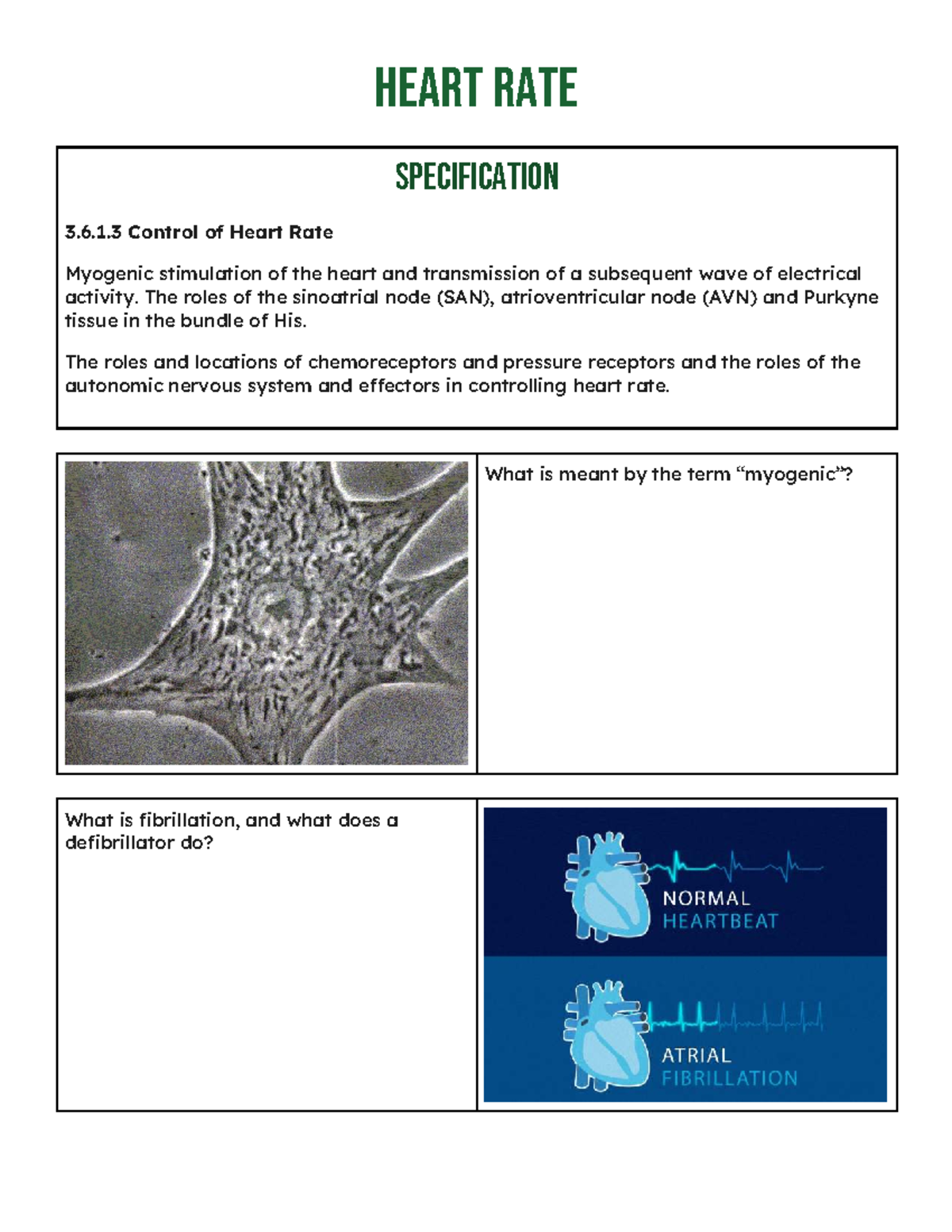
Understanding American Heart Association (AHA) EKG insights requires a firm grasp of the standardized protocols and clinical guidelines the organization maintains for electrocardiogram (EKG/ECG) interpretation and cardiovascular care. As of 2026, these insights serve as the cornerstone for medical professionals in diagnosing arrhythmias, myocardial infarctions, and structural heart diseases, ensuring that clinical practice remains aligned with evidence-based data regarding electrical activity in the heart.
The American Heart Association does not operate a consumer-facing, real-time diagnostic portal for personal EKG analysis. Instead, it provides the fundamental scientific frameworks, clinical statements, and educational resources that dictate how medical devices interpret data and how clinicians classify rhythms. For patients, "AHA insights" refers to the gold-standard criteria for heart rhythm regularity, rate, and morphological indicators that physicians use to evaluate personal heart health.
The Role of AHA Guidelines in Clinical EKG Interpretation
The AHA, in collaboration with the American College of Cardiology (ACC) and the Heart Rhythm Society (HRS), publishes systematic guidelines that standardize the interpretation of EKG waveforms. These guidelines are essential because they ensure that a P-wave, QRS complex, or T-wave is measured and interpreted using the same universal parameters regardless of the diagnostic setting.
In a clinical environment, the EKG serves as a gateway to further testing. The AHA emphasizes that EKG insights must be interpreted within the context of a patient's clinical history, physical examination, and, if necessary, secondary imaging such as an echocardiogram.
Core Components of EKG Analysis
The primary goal of an EKG is to map the electrical journey of the heart. The AHA identifies specific intervals that clinicians must monitor to detect abnormalities:
- PR Interval: Represents the time taken for the electrical impulse to travel from the SA node through the AV node. A prolonged interval may indicate a first-degree heart block.
- QRS Duration: Reflects the time taken for ventricular depolarization. Wide complexes often suggest bundle branch blocks or ventricular rhythms.
- QT Interval: Measures the total time of ventricular depolarization and repolarization. The AHA provides specific formulas for rate-correction (QTc) to identify risks associated with sudden cardiac arrest.
AHA Standards for Ambulatory and Wearable Monitoring
With the rapid expansion of consumer wearable technology by 2026, the AHA has refined its guidance on how data from smartwatches and mobile EKG devices should be utilized. The shift has moved from purely clinical EKG machines to a hybrid model where patient-generated health data (PGHD) must be verified by a medical professional.
The AHA cautions that while consumer devices are excellent for monitoring heart rate trends, they are not a substitute for a 12-lead diagnostic EKG. A single-lead device, common in smartwatches, can detect atrial fibrillation, but it lacks the depth to identify subtle ischemia or complex arrhythmias that a full diagnostic study captures.
Integrating Wearables into Clinical Practice
When a patient presents with an EKG tracing from a home monitor, the AHA recommends that physicians follow a standardized verification pathway:
- Validation: Ensure the device is FDA-cleared and meets established sensitivity thresholds.
- Contextualization: Match the timing of the "event" recorded on the device with the patient's reported symptoms, such as palpitations or dizziness.
- Clinical Correlation: Perform a formal 12-lead EKG if the wearable suggests a clinically significant abnormality.
Standardized Criteria Comparison for EKG Monitoring
The following table summarizes the differences between traditional clinical-grade monitoring and contemporary consumer-grade insights as recognized by major cardiovascular institutions.
| Feature | Clinical 12-Lead EKG | Consumer Wearable (Single-Lead) |
|---|---|---|
| Primary Use | Diagnostic/Emergency | Screening/Trend Monitoring |
| Electrical Views | 12 distinct angles of the heart | 1 to 3 angles of the heart |
| Sensitivity | High (detects ischemia and blocks) | Moderate (detects AFib) |
| Regulatory Status | FDA-Approved Diagnostic Tool | Often FDA-Cleared/Class II Device |
| Interpretation | Licensed Physician or AI/Software | Automated Algorithm / Physician |
Addressing Arrhythmias: AHA Diagnostic Priorities
A significant portion of AHA insights focuses on the identification and management of arrhythmias, most notably Atrial Fibrillation (AFib). The AHA emphasizes that EKG insights for AFib must look for the absence of P-waves and an irregularly irregular R-R interval.
By 2026, the clinical consensus remains that early detection is the primary goal of rhythm monitoring. However, the AHA warns against the risk of "over-diagnosis" or "medicalization" caused by low-acuity, asymptomatic alerts from consumer devices. Their recommendation is to prioritize follow-up for patients who exhibit symptoms or have known risk factors like hypertension, obesity, or a history of heart disease.
The Significance of Heart Rate Variability (HRV)
While HRV is often marketed as a wellness metric, the AHA monitors it as a potential indicator of autonomic nervous system health. Decreased HRV is historically associated with higher risks of cardiovascular events, but the AHA maintains that standard EKG-derived measurements are more reliable than those derived from optical (photoplethysmography) sensors found in many wrist-worn devices.
Requirements for Reliable EKG Data Collection
To derive meaningful insights from an EKG, whether at a clinic or with a home device, specific technical requirements must be met to ensure signal integrity. The AHA has established best practices to mitigate "noise" or artifacts that can lead to misinterpretation.
Minimizing Signal Interference
- Electrode Placement: Proper skin preparation, including cleaning and drying, is mandatory. Improper placement is the most frequent cause of "false positive" alerts on home monitors.
- Patient Stability: The patient should be at rest. Movement, muscle tremors, or even breathing patterns can introduce motion artifacts that mimic arrhythmias.
- Calibration: For 12-lead machines, ensuring the device is calibrated to 10mm/mV is standard procedure to ensure all waveform measurements are accurate.
Troubleshooting Common EKG Misinterpretations
Patients and clinicians often encounter issues where the EKG tracing does not seem to match the patient’s physical state. Troubleshooting these discrepancies is a critical part of the AHA's diagnostic framework.
- Artifacts vs. Arrhythmia: If the baseline of the EKG wanders or appears "fuzzy," this is often an electrical artifact rather than a sign of ventricular tachycardia. Checking the electrode connection is the first step.
- Lead Reversal: In clinical settings, reversed limb leads can lead to an inverted P-wave or QRS complex in Lead I, which may look like a dextrocardia or severe heart condition. Always verify lead placement before escalating a diagnosis.
- Baseline Wander: This is common in breathing patients or those with poor electrode contact. It affects the ST-segment representation and can lead to false concerns about myocardial injury.
When to Seek Professional Consultation
If you are using home monitoring equipment and receive an alert, it is essential to follow the AHA-aligned approach for medical consultation. A single EKG trace is rarely sufficient for a permanent diagnosis.
- Asymptomatic Alerts: If your device alerts you to an irregular rhythm but you feel fine, save the report and share it with your primary care physician during your next scheduled appointment.
- Symptomatic Alerts: If the device alerts you and you are experiencing chest pain, shortness of breath, lightheadedness, or fainting, this is a medical emergency. You should seek immediate professional medical attention rather than relying on the device's interpretation.
- Documentation: Always provide your physician with the date, time, and physical context of any flagged EKG readings.
The AHA does not provide medical advice for individuals. Always discuss your personal heart health data with a qualified healthcare provider who can evaluate the EKG insights in the context of your broader medical history, age, and existing medications. By maintaining this professional-led approach, patients can leverage modern technology while ensuring that their cardiovascular health remains under expert oversight.
Frequently Asked Questions
Does the American Heart Association provide an app for EKG interpretation?
No, the American Heart Association does not offer a mobile app for interpreting personal EKG data. They focus on providing the clinical science and educational standards that govern how professional medical devices and physicians interpret cardiac electrical activity.
How accurate are consumer heart monitors compared to AHA standards?
Consumer monitors are generally accurate for heart rate and rhythm screening, such as detecting atrial fibrillation. However, they do not meet the stringent standards of a clinical 12-lead EKG, which is required for diagnosing complex conditions like myocardial ischemia or specific bundle branch blocks.
What is the most important metric to watch on my EKG report?
The most critical metrics depend on your health history. Generally, clinicians focus on the rhythm (is it sinus?), the rate (is it too fast or slow?), and the morphology of the waves (ST-segment changes, PR interval, and QRS width) to rule out emergent cardiac conditions.
Can I use a smartwatch to diagnose a heart attack?
No. Smartwatches are not diagnostic tools for myocardial infarction (heart attack). If you suspect a heart attack due to symptoms such as chest pain or pressure, you must seek emergency medical services immediately, as these devices cannot provide the full cardiac evaluation necessary for acute diagnosis.
How should I share my home-monitored EKG data with my doctor?
The most effective way is to use the export function provided by your device's manufacturer to create a PDF report. Ensure the report includes the raw tracing and the device's automated analysis, and present this to your doctor during a consultation where they can interpret the data within your clinical context.
Are all EKG algorithms consistent with AHA guidelines?
Not necessarily. While many manufacturers attempt to align their algorithms with AHA/ACC/HRS guidelines, the sensitivity and specificity of these algorithms can vary. A physician's review remains the final authority for clinical decision-making.