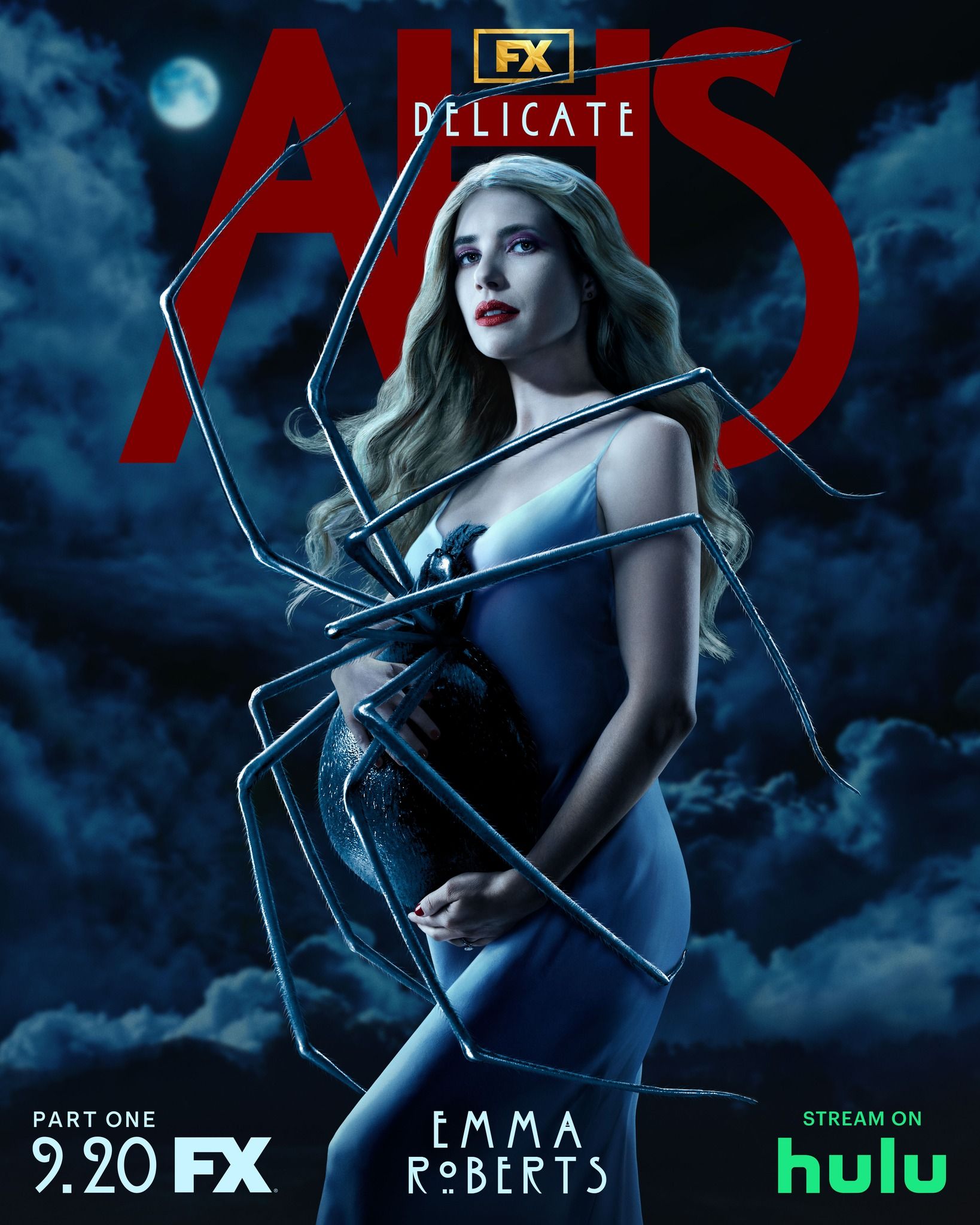
The American Horror Story photoshoot timeline tracks the evolution of the franchise’s iconic promotional campaigns, beginning with the 2011 "Murder House" launch and extending through the 2026 preparations for Season 13. These photoshoots, characterized by high-concept surrealism and avant-garde fashion, serve as the primary visual bridge between the show’s themes and its global audience.
By examining the chronology of these marketing cycles, we can see how FX and creative directors like Ryan Murphy transitioned from traditional gothic horror visuals to more experimental, psychological, and high-fashion aesthetics. This timeline is essential for fans, designers, and media historians looking to understand the mechanics of long-term television branding.
The Foundation of AHS Aesthetics (2011–2013)
In the early years of the franchise, the photoshoots were designed to establish a "house style" that prioritized unsettling, high-contrast imagery over straightforward character introductions.
2011: Season 1 (Murder House)
The inaugural photoshoot focused on the "Rubber Man" and the Harmon family. Shot primarily in low-light settings with a heavy emphasis on shadows, the campaign introduced the "red room" motif and the now-classic AHS font. The primary goal was to establish the house itself as a character. These shoots occurred in mid-2011, several months before the October premiere.
2012: Season 2 (Asylum)
This era marked a significant shift toward "Clinical Horror." The most famous image—the "Bleeding Nun"—became a cultural touchstone. The photoshoot utilized a sterile, white-on-white palette, which contrasted sharply with the dark, grimy interiors of the Briarcliff set. Photographers focused on religious subversion and the loss of identity, using props like gas masks and straightjackets to convey institutional dread.
2013: Season 3 (Coven)
"Coven" introduced a high-fashion sensibility that would define the show's middle years. The photoshoot, featuring the lead actresses in black designer-inspired "witch-wear," focused on power dynamics and femininity. The imagery of the snake passing between three mouths remains one of the most shared promotional photos in television history. This cycle moved the timeline toward a more polished, "editorial" look seen in magazines like Vogue.
The Golden Era of Practical Effects and Props (2014–2016)
As the show’s budget and popularity grew, the photoshoots became increasingly complex, often involving elaborate practical effects and specialized makeup.
2014: Season 4 (Freak Show)
The 2014 campaign was perhaps the most technically demanding to date. Photographers had to capture the "Cabinet of Curiosities" vibe using macro photography to highlight the intricate prosthetics of characters like Bette and Dot Tattler. The color palette shifted to dusty oranges, deep reds, and teal, mimicking a weathered 1950s circus tent.
2015: Season 5 (Hotel)
With Lady Gaga joining the cast, the "Hotel" photoshoot leaned heavily into "Gothic Glamour." The campaign was shot within the elaborate Art Deco sets of the Hotel Cortez. The lighting was neon-drenched, emphasizing velvet textures, blood-red stains, and sharp metallic edges. This was the first time a single actor's personal brand significantly influenced the photoshoot's overall direction.
2016: Season 6 (Roanoke)
The "Roanoke" photoshoot timeline is unique because it was shrouded in secrecy. To prevent spoilers, the marketing team produced dozens of "decoy" photoshoots and teasers representing different horror subgenres (aliens, monsters, slashers). The actual cast photos were not fully revealed until the season was well underway, representing a major shift in the franchise's marketing strategy.
The Pivot to Psychological and Socio-Political Imagery (2017–2021)
Following the 2016 election, the show—and its promotional imagery—took a turn toward contemporary fears and psychological triggers.
2017: Season 7 (Cult)
The "Cult" photoshoot focused on phobias, particularly trypophobia (fear of clusters of small holes) and coulrophobia (fear of clowns). The visuals were unsettlingly bright and clean, using beehive motifs and clown makeup to represent the loss of individual autonomy.
2018: Season 8 (Apocalypse)
This was a "crossover" season, and the photoshoot reflected that by blending elements from "Murder House" and "Coven." The primary visual was a black-taloned hand reaching for a red infant, signaling the arrival of the Antichrist. The color scheme was strictly limited to black, red, and gold.
2019: Season 9 (1984)
The 2019 campaign took inspiration from 1980s slasher films. The photoshoot utilized film grain, high-saturation neon lights, and aerobic-themed costumes. Unlike the surrealism of previous years, these photos felt grounded in a specific historical cinematic style, often mimicking VHS cover art.
2021: Season 10 (Double Feature)
Delayed by the global pandemic, the 2021 photoshoot timeline was split into two distinct segments: "Red Tide" and "Death Valley." The imagery for "Red Tide" used sharp, needle-like teeth and coastal gloom, while "Death Valley" utilized 1950s Americana and black-and-white alien abduction themes.
The Modern Era and the 2026 Outlook (2022–2026)
The most recent campaigns have moved toward minimalism and abstract horror, focusing on singular, haunting images rather than ensemble cast shots.
2022: Season 11 (NYC)
The "NYC" photoshoot was notable for its focus on leather, studs, and BDSM-inspired imagery, reflecting the gritty urban landscape of 1980s New York. The photos were often monochromatic or drenched in harsh, artificial street lighting.
2023–2024: Season 12 (Delicate)
"Delicate" returned to the high-fashion roots of "Coven" and "Hotel," featuring Emma Roberts and Kim Kardashian. The photoshoot timeline for this season focused on pregnancy-related horror, using spiders and webs as metaphors for the "entrapment" of fame and motherhood. The aesthetic was clean, cold, and sterile.
2025–2026: Season 13 and Future Developments
As of 2026, the Season 13 photoshoot cycle is the most anticipated event for the franchise. Early reports indicate a return to "Legacy Horror," with photoshoots rumored to feature long-standing cast members in a setting that honors the show’s 15-year history. The 2026 campaign is expected to leverage augmented reality (AR) photography, allowing fans to interact with the promotional images in 3D spaces.
Technical Breakdown of the AHS Photoshoot Style
To understand why these photoshoots are so effective, we must look at the technical specifications and creative choices that remain consistent across the timeline.
| Season | Theme/Subtitle | Primary Color Palette | Key Visual Motif | Photographer/Style |
|---|---|---|---|---|
| 1 | Murder House | Dark Crimson, Black | The Rubber Man | Gothic Surrealism |
| 2 | Asylum | Clinical White, Grey | The Bleeding Nun | High Contrast |
| 3 | Coven | Black, White, Gold | Snakes / Levitation | Fashion Editorial |
| 4 | Freak Show | Teal, Dusty Orange | Physical Anomalies | Vintage Circus |
| 5 | Hotel | Deep Red, Gold | Art Deco / Blood | Glamour Horror |
| 8 | Apocalypse | Red, Black | The Antichrist | Religious Iconography |
| 10 | Double Feature | Seafoam, Silver | Sharp Teeth / Aliens | Split-Narrative |
| 12 | Delicate | Pale Pink, Black | Spiders / Webbing | Modern Minimalist |
The Role of Post-Production
AHS photoshoots are rarely "natural." Extensive post-production is used to create the impossible textures—such as skin that looks like porcelain or eyes that appear entirely black. The use of "Composite Photography," where actors are shot separately and layered together, allows the creative team to build complex, crowded scenes that would be impossible to light and shoot in a single frame.
Lighting and Texture
Across the timeline, the lighting has evolved from heavy "Chiaroscuro" (dramatic light and shadow) to "Ring Lighting" and "Hard Light" which emphasizes the texture of costumes and makeup. For example, in the "Freak Show" and "Hotel" eras, lighting was used to make fabrics like velvet and silk look tactile and expensive, contrasting with the grisly subject matter.
Frequently Asked Questions
Who is the photographer for the American Horror Story posters?
While several photographers have worked on the series, Frank Ockenfels 3 is perhaps the most influential. His ability to capture movement, blur, and raw emotion fits the "AHS aesthetic" perfectly. Other high-profile fashion photographers are often brought in for specific seasons to achieve a particular look, such as the polished style of "Delicate."
Are the cast members always together for the group photoshoots?
No. Due to the busy schedules of the high-profile cast, many of the "group" posters are actually composites. Actors are often photographed individually against a green screen or a matching background, and then digitally assembled by graphic designers during post-production. This allows for the perfect positioning of every character without the logistical nightmare of having 12 A-list stars in one room.
How long before a season starts do the photoshoots take place?
Typically, the primary "Key Art" photoshoot takes place 3 to 5 months before the season premiere. This allows enough time for the marketing team to release "teasers" (which may use different models or CGI) followed by the official cast portraits about 4 to 6 weeks before the first episode airs.
Why do some seasons have multiple photoshoot themes?
This is often a marketing tactic to keep the plot a mystery. For seasons like "Roanoke" or "Double Feature," the multiple themes are used to represent different "volumes" of the story or to mislead the audience about the true nature of the horror. In 2026, this "multi-layered" campaign style is expected to become the industry standard for anthology series.
Can fans visit the photoshoot locations?
Most AHS promotional photography is shot on soundstages in Los Angeles or New Orleans, not at the actual "haunted" locations featured in the show. For example, the "Hotel" photoshoot was done on a massive set built at Fox Studios, while the "Coven" shoots were often done in controlled studio environments to ensure the lighting remained perfect for the high-fashion aesthetic.
Practical Recommendation for Designers and Fans
If you are looking to replicate the American Horror Story photoshoot style in your own work or for a fan project, focus on high-contrast lighting and unconventional props. Use a limited color palette (usually no more than three primary colors) and don't be afraid to use digital tools to smooth skin or darken eyes to create an "uncanny valley" effect. In the 2026 landscape, the blend of organic textures with digital perfection remains the hallmark of the AHS visual brand.