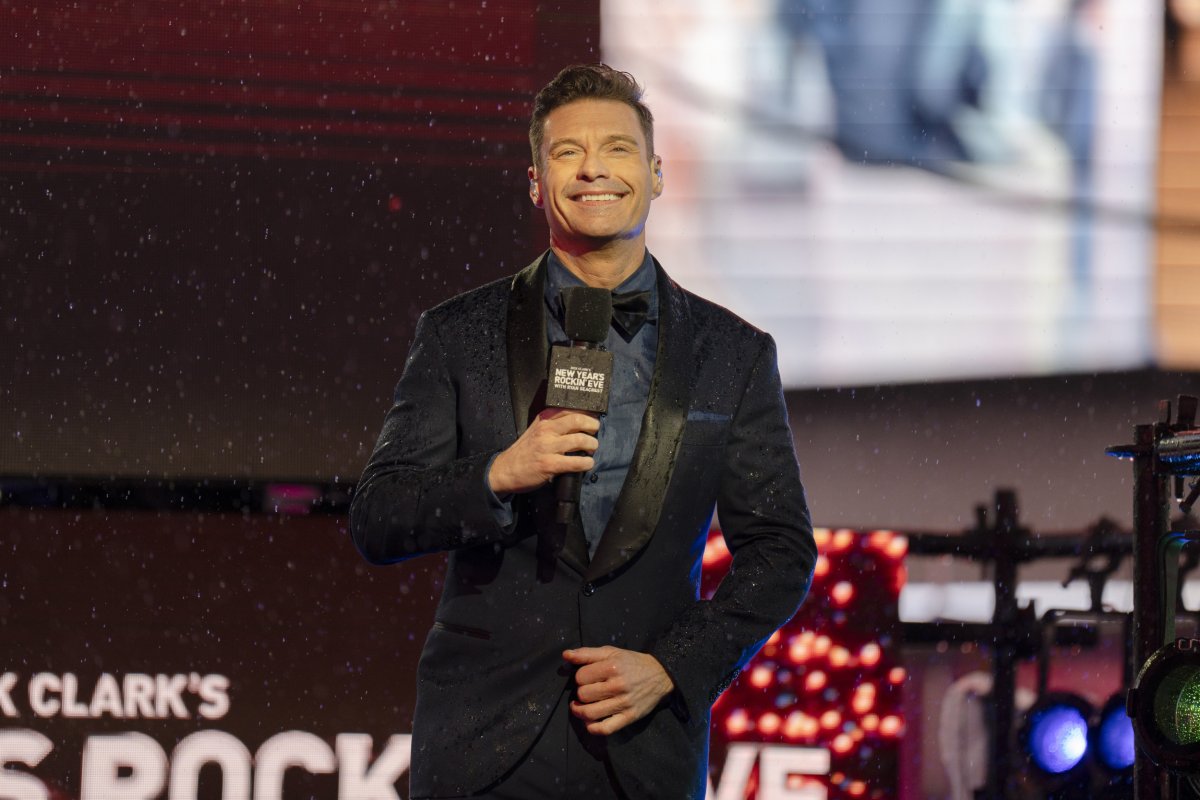
American Idol outfits serve as a crucial visual component of the contestant’s brand, blending personal identity with the high-stakes production values of live television. Choosing the right ensemble involves balancing stage presence, movement requirements for choreography, comfort under intense studio lighting, and the overarching aesthetic narrative required for the judges and the national audience.
The Role of Styling in Television Performance
In the context of a televised competition like American Idol, clothing is never merely about individual preference. It is a strategic tool used to amplify an artist’s persona. When a contestant walks onto the stage, their outfit provides the audience with an immediate, non-verbal clue regarding their genre, their background, and their intended trajectory in the music industry.
For many participants, the transformation from an audition look—often representing their authentic, everyday self—to the highly curated "Hollywood Week" and live show ensembles can be jarring. Professional stylists on the production side work to refine these choices. The objective is to bridge the gap between amateur singer and polished professional, ensuring that the visual performance matches the vocal caliber. Factors like the "color theory" of the set design, the specific lighting rigs used during live tapings, and the need for fabric breathability during high-intensity performances are all variables that stylists manage to ensure the contestant remains the focal point.
Prerequisites for Stage-Ready Fashion
To understand what constitutes a successful look, one must look at the technical requirements of the American Idol stage. Unlike everyday attire, performance wear must withstand specific conditions:
- Lighting Compatibility: Intense studio lights can wash out certain colors or create unwanted glare on reflective fabrics like sequins or high-shine synthetics. Stylists often prefer matte finishes or specific fabric textures that interact well with broadcast-quality LED lighting.
- Microphone Integration: Most outfits must discreetly house a wireless microphone pack. This requires clothing with sturdy waistbands, specific back-pocket configurations, or layers that can hide the necessary hardware without compromising the silhouette.
- Range of Motion: Whether the song requires a static, piano-led ballad or an energetic pop dance routine, the outfit must not restrict the singer’s diaphragm or movement. Restricted breathing directly impacts vocal control, which is the primary metric of the show.
- Visual Storytelling: A country singer, for instance, may utilize fringe or denim to align with genre expectations, while a soulful vocalist might opt for structured, minimalist tailoring to emphasize vocal purity and emotional gravity.
Comparative Analysis of Performance Styles
Selecting the right outfit depends heavily on the type of performance being delivered. The following table illustrates how different stylistic choices serve different performance goals:
| Performance Style | Preferred Fabrics | Key Silhouette Features | Stylistic Objective |
|---|---|---|---|
| Power Ballad | Flowing silk, velvet, chiffon | Floor-length, layered, dramatic | Emphasize elegance and vulnerability |
| High-Energy Pop | Spandex blends, faux leather | Tailored, structured, mobility-focused | Project confidence and athleticism |
| Modern Country | Denim, suede, distressed cotton | Relaxed fit, textured, fringe accents | Convey authenticity and storytelling |
| Rock/Alternative | Distressed leather, denim, metal | Oversized or fitted, layered, dark tones | Project edge and non-conformity |
The Impact of Studio Lighting and Camera Work
Television cameras perceive light differently than the human eye. In 2026, with the prevalence of 4K and HDR broadcasting, detail is magnified. Fabrics with intricate, high-contrast patterns can cause a "moiré effect" on camera, resulting in vibrating or flickering textures that are distracting for viewers. Consequently, designers often avoid overly busy, fine-line patterns in favor of bold, solid colors or large-scale, deliberate textures.
Furthermore, the "anchor" color of the set changes from season to season. Contestants must coordinate their wardrobe to avoid blending into the background or clashing with the set design. If the stage uses a predominantly blue or dark aesthetic, a contestant in a similar shade will visually disappear, losing the necessary "pop" to grab the judges' attention.
Common Pitfalls for Amateur Stylists
One of the most frequent mistakes contestants make when transitioning to professional stages is prioritizing aesthetics over functionality. A gown might look stunning in a dressing room mirror, but if the fabric is too heavy, it can inhibit the singer’s ability to project their voice, or if it is too sheer, it may reveal undergarments under the harsh, multi-angle studio lighting.
Another common issue is the over-reliance on trends. While being fashionable is important, American Idol performances are timeless in the sense that they are often replayed. Outfits that rely heavily on fleeting micro-trends can make a performance feel dated almost immediately. Aiming for a "classic-modern" aesthetic—a look that is current but grounded in established fashion silhouettes—is the most reliable strategy for a performer.
Practical Steps for Aspiring Performers
For those preparing for public performance or televised auditions, follow these steps to develop a stage-appropriate wardrobe:
- Define Your Brand: Identify three adjectives that describe your musical style (e.g., "edgy," "ethereal," "timeless"). Your outfit choices should consistently reflect these keywords.
- Test Under Harsh Light: Use a high-intensity lamp to mimic stage lighting. Look at your clothes in a mirror to ensure there is no transparency, excessive glare, or color distortion.
- Perform a "Movement Audit": Spend 30 minutes in your full outfit—including shoes—singing your full set. Identify any itching, bunching, or restriction that distracts you from your vocal performance.
- Prioritize Footwear: You are often standing for long periods or moving across a stage. Ensure your footwear provides the necessary support for your stance and posture, as improper footwear can cause the body to tilt, which negatively affects breath control.
Frequently Asked Questions
How does the production team influence contestant outfits? On American Idol, there is a collaborative process between the contestant and the styling team. While the contestant’s personal brand is the priority, the production team provides feedback to ensure the look fits the overarching creative vision of the episode and complies with broadcast standards.
Should I wear all-black to look professional? While black is a safe, slimming, and classic choice that rarely clashes with set lighting, it can sometimes appear "flat" on screen. To fix this, stylists often suggest mixing textures (like mixing leather with silk) to provide visual interest and depth that prevents the outfit from looking like a dark void on camera.
How do I hide a microphone pack if I am wearing a tight outfit? Professional performers often use "mic belts" that wrap snugly around the waist or small pouches that can be clipped to the back of a bra or the waistband of pants. Wearing layers, such as a structured jacket or a blazer, is the most common way to hide the hardware completely.
What is the best fabric for stage performance? Blends that include a small percentage of spandex or elastane are ideal. They provide the necessary stretch for breathing and movement while maintaining a crisp, tailored appearance that holds up against the heat of the stage lights.
Should I follow current trends for my audition? It is better to prioritize a look that identifies your specific musical niche. While you should look current, do not sacrifice your artistic identity to follow a fleeting trend that doesn't fit your musical persona.
Next Steps for Your Visual Brand
If you are preparing for a performance, the most effective next step is to curate a "Style Board." Create a physical or digital collection of images that represent your target aesthetic. Use this board as a filter for every piece of clothing you consider. By narrowing your focus to a specific visual lane, you simplify the decision-making process, allowing you to dedicate your mental energy to what matters most: your vocal delivery and the emotional connection you build with your audience. Remember that on a stage, your clothing is not just a covering; it is the frame for the art you are creating.