American high school classes represent a four-year secondary education program—typically grades 9 through 12—designed to provide students with a broad academic foundation, prepare them for post-secondary opportunities, and ensure the acquisition of essential civic and life skills. Students must earn a specific number of credits in core subjects and electives, adhering to state-mandated graduation requirements that vary by region but generally maintain a consistent structure across the country.
The Structure of the American High School Curriculum
In the United States, the curriculum is not uniform at the federal level; instead, authority is delegated to state departments of education and local school districts. Despite this decentralization, most high schools follow a familiar pattern of core academic disciplines. These core requirements are designed to ensure that every student, regardless of their future career path, possesses a baseline competency in communication, mathematical reasoning, scientific inquiry, and historical literacy.
Core Subject Areas
Most states require students to complete a minimum number of years in the following four pillars:
- English Language Arts: Usually required for all four years, these classes focus on literature analysis, composition, research writing, and vocabulary development. Course titles often transition from foundational English 9 and 10 to more specific options like American Literature, British Literature, or AP English Language and Composition in the final two years.
- Mathematics: Requirements typically span three to four years. The traditional sequence begins with Algebra I, followed by Geometry and Algebra II. Students aiming for STEM-focused post-secondary paths often advance to Pre-Calculus, Calculus, or Statistics.
- Science: Students generally must complete three years of lab-based science. Common offerings include Biology, Chemistry, and Physics. Environmental Science and Anatomy are also popular electives that fulfill state requirements.
- Social Studies: States commonly mandate three years, including United States History, World History, and Government/Civics. Some districts also require Economics.
Advanced Placement and College-Level Coursework
A defining feature of the American high school system is the opportunity for students to engage in rigorous, college-level coursework before graduation. These programs allow students to demonstrate academic readiness for higher education and, in many cases, earn college credit while still enrolled in high school.
Advanced Placement (AP) Courses
Administered by the College Board, AP courses follow a standardized curriculum designed to mirror introductory university classes. At the end of the academic year, students take an AP Exam. Depending on the university's policy, a high score—typically a 3, 4, or 5—can result in college credit or advanced placement into higher-level courses, potentially reducing future tuition costs.
International Baccalaureate (IB) Programs
Some high schools offer the IB Diploma Programme, a globally recognized, comprehensive curriculum that emphasizes critical thinking and an international outlook. Unlike AP courses, which can be taken individually, the IB program is a holistic, two-year course of study that includes a "Theory of Knowledge" course, an extended essay, and community service requirements.
Dual Enrollment
Dual enrollment allows high school students to take classes at local community colleges or universities. These credits appear on both the high school transcript and the college transcript, providing a direct bridge to higher education. This path is increasingly popular for students who have exhausted the course offerings at their home high school.
Electives and Career Technical Education (CTE)
Beyond core academics, the American high school experience is shaped by a wide array of electives. These courses allow students to explore personal interests, develop vocational skills, and fulfill graduation requirements in non-core subjects.
- Fine and Performing Arts: Most states require at least one credit in the arts, including band, choir, theater, graphic design, or painting.
- World Languages: While not always mandatory for graduation, most four-year colleges require at least two to three years of a foreign language, such as Spanish, French, German, or Mandarin.
- Career Technical Education (CTE): CTE programs provide hands-on training in fields such as automotive technology, culinary arts, computer science, healthcare (Certified Nursing Assistant programs), and business administration. These classes are essential for students seeking immediate industry certification upon graduation.
- Physical Education and Health: Nearly every state requires students to participate in physical education and health classes to ensure physical literacy and an understanding of wellness, nutrition, and mental health.
Understanding Credits and Graduation Requirements
The American system operates on a "credit" basis rather than a simple pass/fail of yearly grades. A student must earn a specific total of credits to graduate. Typically, one credit represents the completion of a full-year course, while a half-credit represents a single-semester course.
Typical Credit Distribution Table
| Subject Area | Recommended Years/Credits | Focus Areas |
|---|---|---|
| English | 4 | Literature, Composition, Rhetoric |
| Mathematics | 3–4 | Algebra, Geometry, Calculus, Stats |
| Science | 3 | Biology, Chemistry, Physics |
| Social Studies | 3 | US History, Civics, Economics |
| World Language | 2–3 | Spanish, French, Latin, etc. |
| Arts/Electives | 2–3 | Fine Arts, CTE, Computer Science |
| Physical Education | 1–2 | Health, Fitness, Team Sports |
Note: Specific credit requirements are set by state law and local boards. Students must consult their specific school’s "Program of Studies" document for the 2026 academic year.
Next Steps for Success: Planning Your Schedule
To maximize the value of high school, students should begin planning their four-year trajectory during the eighth grade. Effective course selection involves balancing rigor with interest.
Mapping Your Academic Path
- Consult the Graduation Requirements: Obtain the official course catalog from your school’s guidance department. Ensure you are meeting all state-mandated milestones.
- Align with Post-Secondary Goals: If you intend to pursue a four-year university degree, prioritize "A-G" requirements or college-preparatory sequences, emphasizing four years of core subjects.
- Use Counselors as a Resource: School guidance counselors are trained to help students match their course selection with their long-term objectives. Schedule a meeting during the spring registration period.
- Balance the Workload: While taking advanced classes is beneficial for college admissions, avoid overscheduling. Maintaining a high Grade Point Average (GPA) while engaging in extracurricular activities is often more valued than taking an unmanageable number of advanced courses.
Frequently Asked Questions
Can I change my class schedule after the semester begins?
Most schools allow a brief "add/drop" period—typically the first week of a semester—to change classes. Changes are usually subject to availability and must be approved by a guidance counselor to ensure the student still meets graduation requirements.
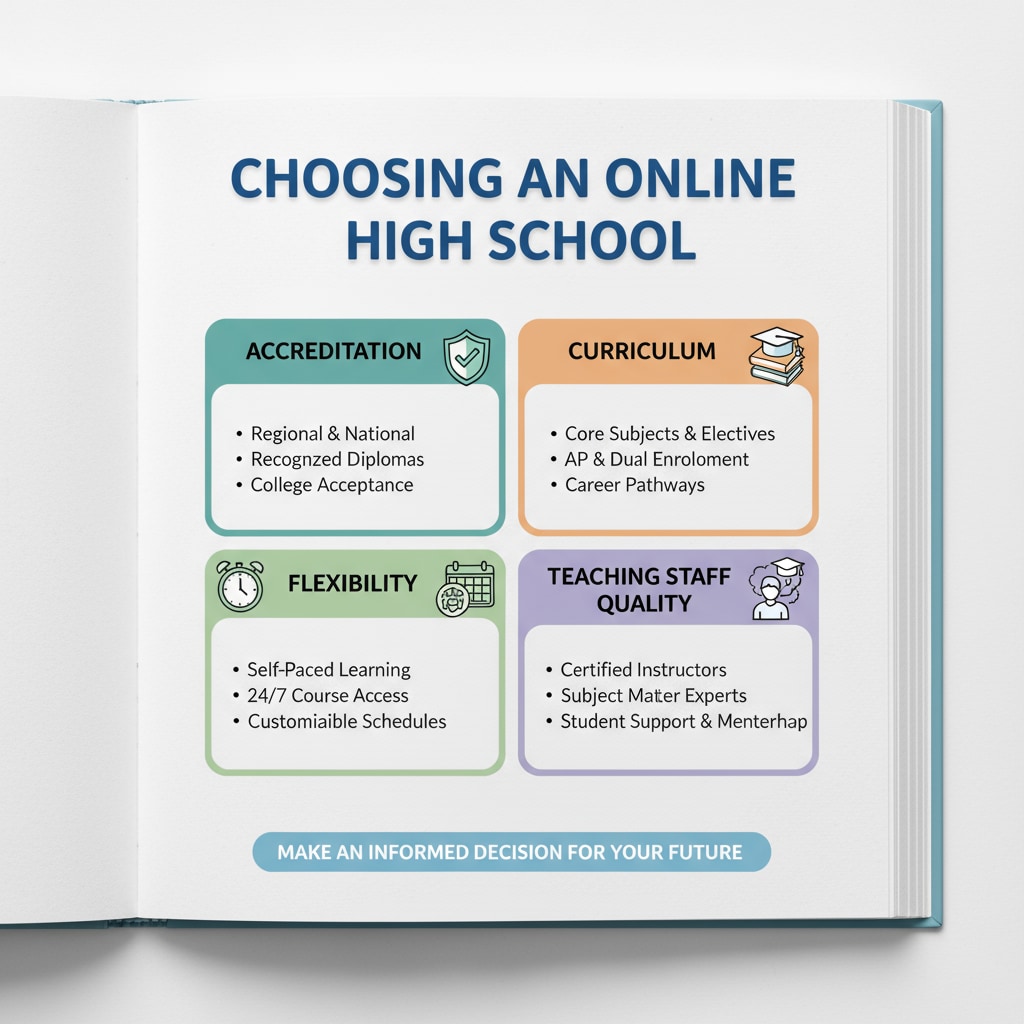
Are online courses accepted for high school credit?
Yes, many public and private high schools accept online credits from accredited providers. Students should verify with their school administration before enrolling in an outside online course to ensure the credits will transfer to their official transcript.
What is the difference between an Honors class and an AP class?
Honors classes offer a faster pace and greater depth than standard classes but do not necessarily follow a nationalized college curriculum or culminate in a standardized exam. AP classes follow a rigorous national curriculum that often leads to college credit.
How do high schools track my progress?
Progress is documented on an official high school transcript, which lists all courses taken, final grades, and the credits earned each semester. This document is the primary record used for college admissions and employment verification.
What should I do if I am failing a core class?
Contact your teacher and counselor immediately. Many schools offer credit recovery programs or summer school sessions that allow students to retake failed courses to fulfill graduation requirements.
Do elective classes affect my GPA?
In most school districts, all credit-bearing classes, including electives, factor into the cumulative GPA. Some districts offer "weighted" grades for honors or AP courses, which can give students a higher GPA boost compared to standard courses.
Conclusion and Recommendations
Navigating American high school classes requires a combination of strategic planning, self-awareness, and proactive communication with academic advisors. By understanding your state's graduation mandates and aligning your course selections with your personal goals—whether they involve university enrollment, vocational training, or immediate workforce entry—you can tailor your four-year experience to be both productive and manageable. For the 2026 academic year, prioritize reviewing your school’s specific course catalog and meeting with your guidance counselor to finalize a plan that balances academic rigor with your personal and career interests.