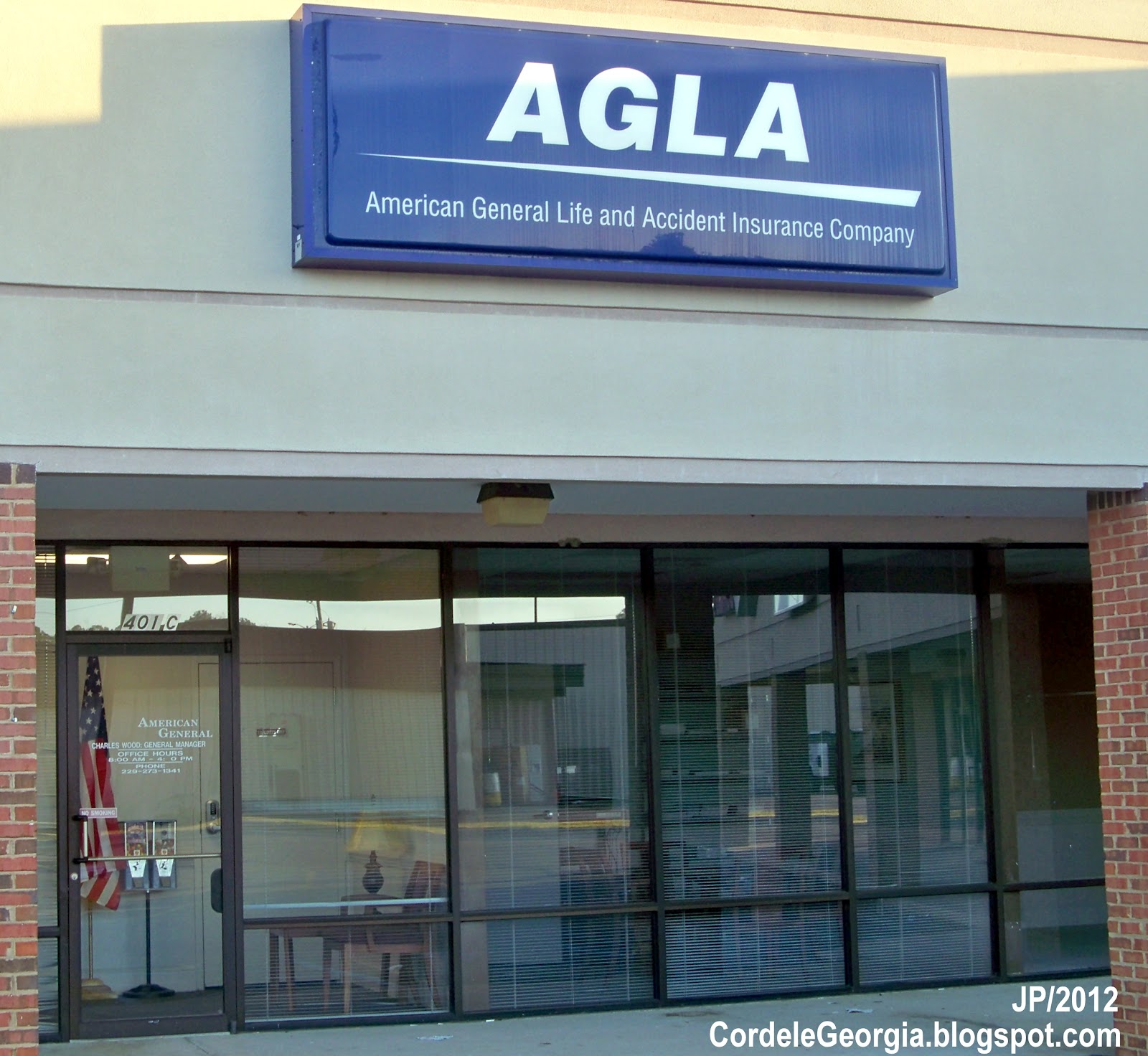
American General Life Insurance Company (AGL), a subsidiary of Corebridge Financial, frequently acts as the issuing carrier or underwriter for various insurance products distributed through third-party financial institutions, banks, and brokerage firms. In these arrangements, AGL assumes the financial risk of the insurance policies sold by these partners, ensuring that the contractual obligations are met even if the point-of-sale entity does not maintain its own insurance charter.
When consumers encounter an insurance product branded by a specific bank or an independent brokerage, it is common for the policy itself to be underwritten by an established industry entity like American General Life Insurance. This structure allows smaller firms or specialty distributors to offer complex financial products, such as universal life insurance or indexed annuities, while relying on the balance sheet and actuarial expertise of an AGL-backed framework. For the policyholder, this means that while the front-end customer service or premium billing might appear to come from an affinity partner or a financial institution, the legal obligation to pay death benefits or annuity distributions rests with AGL.
The Mechanism of Institutional Underwriting
The process by which American General Life Insurance underwrites policies for other firms is rooted in the regulatory structure of the United States insurance market. Insurance companies are required to hold substantial capital reserves to guarantee they can pay out claims regardless of economic volatility. Many retail-facing firms—such as credit unions, regional banks, or specialized financial planning groups—do not hold an insurance carrier license. To bypass this barrier to entry, they enter into distribution agreements where the retail firm manages marketing and customer relations, while AGL provides the "paper" (the actual insurance policy).
This arrangement is often referred to as "white-labeling" or "third-party distribution." From a risk perspective, AGL conducts the medical underwriting, determines the risk classes of the applicants, and manages the underlying investment portfolios that support the policy’s cash value. The external firm acts as a sales channel, often providing exclusive access to their client base.
Why Firms Partner with American General Life
Financial institutions and other firms seek to partner with established underwriters like AGL to expand their product suites without the monumental expense of becoming an insurance carrier. The requirements for maintaining an insurance charter involve strict state-by-state licensing, intensive capital reserve requirements, and complex regulatory oversight. By partnering with AGL, these firms gain:
- Risk Mitigation: The external firm transfers the mortality and longevity risk to AGL. If the firm were to write the insurance itself, a string of major claims could bankrupt them; as a distribution partner, they avoid this exposure.
- Regulatory Compliance: AGL holds the necessary licenses across all 50 states (and the District of Columbia), allowing the partner firm to operate nationally under AGL’s regulatory umbrella.
- Operational Scale: AGL provides the established actuarial tables, administrative systems, and customer service infrastructure necessary to maintain policies over several decades.
- Brand Trust: Associating with a major insurance entity provides clients with a sense of financial stability, which is essential when selling long-term life insurance or retirement products.
Identifying if AGL is Your Underwriter
Policyholders often do not realize that AGL is the underlying carrier until they receive their policy delivery packet. Because the marketing may feature the logo of a bank or a different financial institution, the role of AGL might be obscured during the application process.
To determine if AGL is the underwriter of your policy, you should consult the following areas of your policy documentation:
- The Policy Face Page: This is the first page of your insurance contract. It typically lists the legal name of the entity that is contractually obligated to pay the death benefit. Look for "American General Life Insurance Company" or "AGL."
- The Summary of Benefits: This section often outlines the corporate structure and identifies the issuing carrier.
- Annual Statements: Your annual policy status report, which you receive by mail or through your portal, will specify the issuing insurance company.
- NAIC Filing Data: You can search the National Association of Insurance Commissioners (NAIC) database using the policy number or the name of the entity you purchased the product from to see the associated insurance carrier.
Practical Implications for Policyholders
For the consumer, the fact that AGL is the underwriter is generally a benefit, as it shifts the financial burden of the policy to a large, rated, and regulated insurance carrier. However, there are nuances to consider regarding communication and claims processing.
Customer Service Dynamics
When you have a question about your policy, you may be tempted to call the bank or the firm that sold you the policy. However, because AGL is the underwriter, they are the ones who hold the official records. In many partnership models, there is a clear division of labor: the external firm handles sales and policy changes, while AGL handles claims, underwriting, and high-level administrative tasks. If you are experiencing difficulty, clarify with the firm whether they or AGL should be the primary point of contact for policy modifications.
Claims Processing
When it is time to file a death benefit claim, the legal requirement is to submit documentation to the issuing insurance company. While an agent or a local bank branch may offer to assist with the paperwork, the claim must ultimately be approved and processed by AGL’s claims department. Always ensure that the claim forms are addressed to the specific department listed on your policy documents to avoid unnecessary delays.
Regulatory Oversight and Financial Stability
As of 2026, American General Life remains subject to the insurance department regulations of the state in which the policy was issued. Because AGL underwrites policies for various firms, they must adhere to state-specific guidelines regarding policy language, non-forfeiture values, and consumer protection laws.
The financial health of the underwriter is the most important factor in the security of your policy. Policyholders should note that AGL is rated by major credit rating agencies, such as A.M. Best, Moody’s, and S&P. These ratings reflect the company's ability to meet its long-term financial obligations. When a firm partners with AGL, they are essentially "borrowing" the financial strength associated with these ratings to sell their products.
| Feature | Role of the External Firm | Role of American General Life (AGL) |
|---|---|---|
| Product Design | Marketing and concept | Actuarial and regulatory filing |
| Medical Underwriting | Data collection | Risk assessment and approval |
| Policy Issuance | Sales representation | Contractual legal obligation |
| Premium Handling | Collection and remittance | Management and reserve allocation |
| Claims Approval | Facilitation | Final adjudication and payout |
Frequently Asked Questions
Does it matter if my policy is sold by a bank but underwritten by AGL? In most cases, it is a positive factor. It ensures your policy is backed by a large, specialized insurance carrier with established capital reserves, rather than a smaller entity that might lack the specific expertise or financial backing to manage long-term life insurance risk.
Who do I contact if I have a complaint about my policy? You should first attempt to resolve the issue with the firm that sold you the policy. If the issue concerns the contractual terms, benefit payments, or underwriting decisions, the primary authority is American General Life Insurance. If they fail to resolve the matter, you may reach out to your state’s Department of Insurance.
Can the bank change the underwriter of my policy mid-term? Generally, no. Once a policy is issued, the underwriter is locked into the contract for the duration of that specific policy. If the partnership between the bank and AGL ends, the existing policies usually remain with AGL for servicing, or they may be moved to a different administration platform, but the fundamental insurance contract remains binding with the original issuing entity.
Does "underwritten by AGL" affect my premium costs? The premium is based on your specific health, age, and coverage amount, regardless of whether you bought the policy through a bank or directly. The underwriting process follows AGL’s specific criteria, which are standardized across their distribution channels to ensure consistency and risk compliance.
Is my policy protected by state guaranty associations? Yes. In the unlikely event that American General Life Insurance were to become insolvent, the policy would be protected by the State Guaranty Association in the state where the policyholder resides, up to the limits established by state law. This protection remains in effect even if the policy was purchased through a third-party firm.
Next Steps for Policyholders
If you have recently purchased a policy or are considering one offered by a third-party firm, perform these three actions to ensure you understand your coverage:
- Verify the Issuing Carrier: Request a copy of the "Specimen Policy" or the official policy face page to confirm the legal name of the insurance carrier.
- Review the Prospectus: If you are purchasing an indexed or variable product, ensure you read the prospectus provided by the underwriter, as this document contains the legal, financial, and fee-related disclosures that are critical to your investment.
- Consolidate Your Records: Keep a digital and physical copy of your policy in a location accessible to your beneficiaries. Include the contact information for both the sales agent and the direct claims department of the underwriting company.
By understanding the distinct roles between the entity that sells the policy and the entity that underwrites it, you can better manage your expectations regarding customer service, claims processing, and the long-term security of your financial instruments. Always prioritize your communication with the underwriting carrier when matters concern the legal validity or financial stability of your insurance contract.