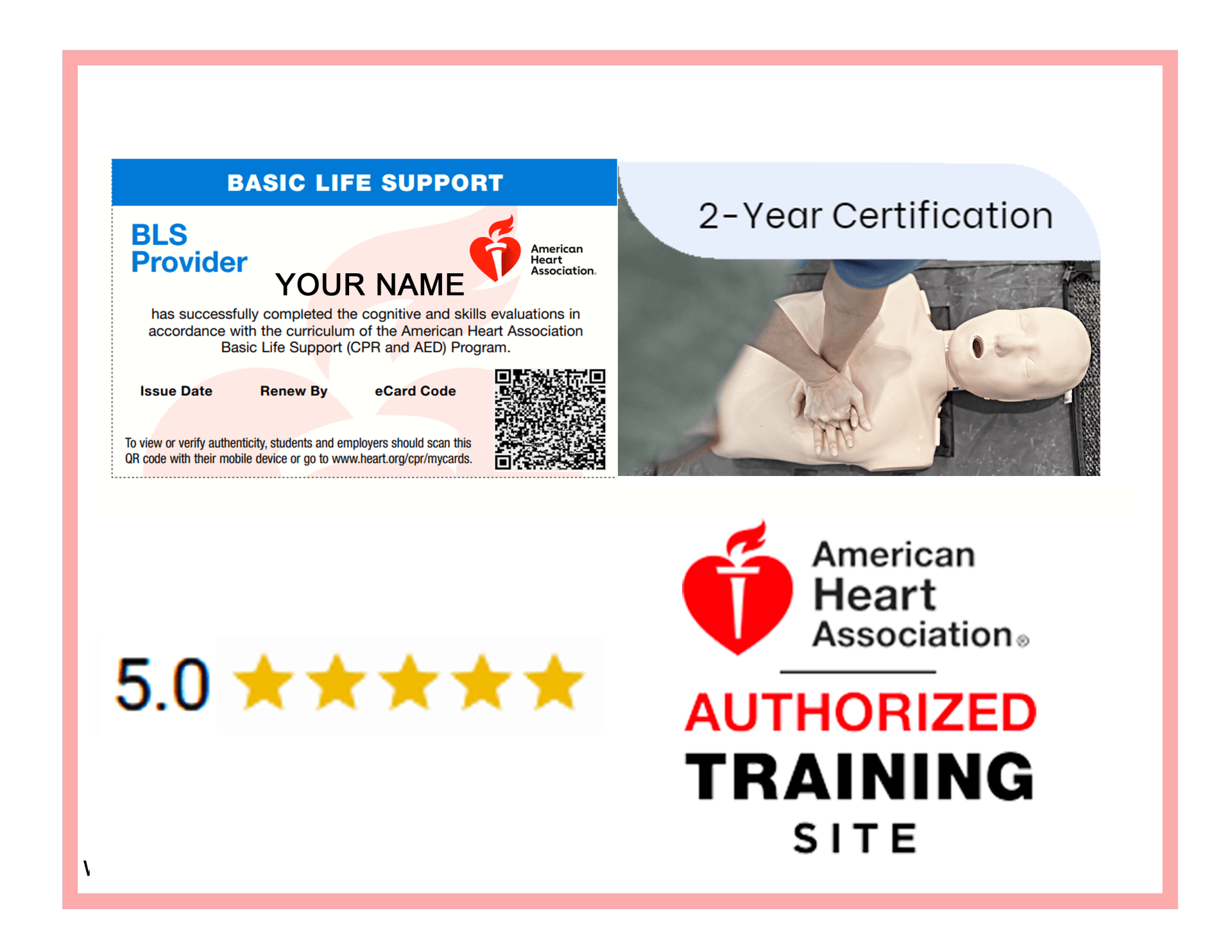
The American Heart Association (AHA) Advanced Cardiovascular Life Support (ACLS) online certification is a blended learning curriculum that combines a self-directed cognitive online module with a mandatory hands-on skills session. This format allows healthcare professionals to complete the theoretical portion of the certification on their own schedule before demonstrating competency in a structured environment with an AHA-certified instructor.
Understanding the Blended Learning Model
The AHA utilizes a specific pedagogical approach for its ACLS curriculum to ensure that both theoretical knowledge and practical application are mastered. The process is not entirely "online" in the sense that you receive a credential simply by watching videos or passing a digital exam. Instead, it is a two-part process designed to meet the rigorous standards of emergency cardiac care.
Part 1 consists of the online portion—the ACLS HeartCode. This is a comprehensive, web-based program that uses eSimulation technology. During this phase, you will navigate various patient cases, assess rhythms, and make clinical decisions regarding pharmacological and electrical interventions. The software provides immediate feedback, allowing learners to correct mistakes in real time as they manage simulated cardiac arrests, peri-arrest conditions, and stroke protocols.
Part 2 is the hands-on skills session. Once you successfully complete the online portion, you must print your "Certificate of Completion" and present it to an AHA Training Center. This session focuses on the physical psychomotor skills required in a life-saving situation, such as high-quality CPR, airway management, and the use of a defibrillator. Only after completing both parts will you be issued the official AHA ACLS Provider eCard, which is valid for two years.
Eligibility and Prerequisites
The ACLS course is designed specifically for healthcare professionals who either direct or participate in the management of cardiopulmonary arrest or other cardiovascular emergencies. This includes, but is not limited to, physicians, nurses, paramedics, respiratory therapists, and other allied health professionals who require this credential for their clinical practice.
Before beginning the online certification, there are three essential prerequisites:
- Current BLS Certification: The AHA requires that all participants hold a current, valid Basic Life Support (BLS) provider card. Because ACLS builds upon the foundational skills of BLS (such as high-quality chest compressions and ventilation), you cannot bypass this requirement.
- Clinical Proficiency: While there is no formal medical degree requirement, the content assumes a working knowledge of ECG interpretation, pharmacology, and basic physiology. If your background is not in a clinical field that manages cardiac emergencies, the content may be significantly more challenging.
- Computer Literacy: The HeartCode platform requires a stable internet connection and a modern web browser. The simulation environment is interactive; therefore, you must be comfortable navigating digital interfaces where timely decision-making is recorded.
Navigating the Registration Process
Securing your certification requires coordination between the AHA platform and an authorized local Training Center.
First, purchase the HeartCode ACLS key directly through the AHA website or an authorized distributor. This license provides access to the online course. Once you have completed the online simulation, you must find a skills testing session. It is critical to confirm that the training center you choose is an authorized AHA provider. You can use the "Find a Course" tool on the AHA website to identify locations near you.
Do not assume that all CPR training centers offer the ACLS skills check. Many focus solely on BLS or First Aid. When contacting a facility, explicitly state: "I have completed the HeartCode ACLS online portion and need to schedule a skills check-off." Many centers charge a separate fee for the skills session, which is distinct from the cost of the online HeartCode license.
Comparing Certification Paths
Healthcare providers often debate whether to take the full classroom-based course or the blended learning (online) option. Both paths result in the exact same certification—there is no distinction on your eCard regarding which method you used to achieve it.
| Feature | Classroom Course | Blended Learning (HeartCode) |
|---|---|---|
| Instruction Style | Instructor-led lecture | Self-directed simulation |
| Schedule | Fixed, multi-day commitment | Flexible, paced by student |
| Assessment | Written exam in-class | Online cognitive exam |
| Skills Testing | Integrated into the class | Separate, scheduled appointment |
| Learning Pace | Group-based pace | Individualized, repeated practice |
The primary advantage of the online certification is flexibility. Clinical staff working irregular hours often find it difficult to commit to full-day or two-day instructor-led sessions. The HeartCode allows you to pause and return to the material, making it ideal for those who prefer to study at their own pace or who need to brush up on specific rhythms or drugs without sitting through a full lecture.
Technical Specifications and Troubleshooting
The HeartCode platform is optimized for desktop and laptop computers. While tablets may function, mobile phone screens are generally insufficient for the complex rhythm strips and the visual details of the patient simulations.
If you encounter issues during the online portion:
- Browser Compatibility: Use the latest version of Chrome, Firefox, or Safari. Clear your cache if the simulation stalls.
- Audio Requirements: The simulation involves audible patient cues and monitoring equipment sounds that are critical to the case. Ensure your audio is functional before beginning.
- Certificate Retrieval: After passing the final online exam, your Certificate of Completion will be available in your account dashboard. If it does not appear, check that you have completed every mandatory case module; the system will not grant a certificate if a single simulation segment is incomplete.
Maintaining Your Credential
AHA ACLS certification is valid for two years. The expiration month is the last day of the month written on your card. The AHA does not offer a grace period for lapsed certifications. If your card expires, you are generally required to take the full provider course again rather than a shorter renewal course.
To stay current, the AHA recommends that providers periodically review the updated "Guidelines for CPR and Emergency Cardiovascular Care." While the core concepts remain consistent, the AHA updates its recommendations based on the latest medical research. Keeping your digital eCard accessible in your AHA account is recommended, as many employers now require direct verification through the AHA credential portal.
Frequently Asked Questions
1. Is the online ACLS certification legitimate? Yes, provided you complete the course through the official AHA HeartCode program. The AHA is the primary standard-setter for cardiac care; any course that claims to provide "AHA ACLS certification" entirely online without a hands-on skills session is not legitimate and will not be accepted by hospitals or medical boards.
2. Can I take the skills check-off with any instructor? You must complete your skills session with an AHA-certified instructor affiliated with an authorized AHA Training Center. Always verify the center's status on the AHA website before paying any fees to ensure the certification will be recognized.
3. Does the online portion include a written exam? Yes. The online HeartCode program includes a series of patient assessments and a final cognitive examination. You must pass this assessment with a score of 84% or higher to qualify for the skills testing portion.
4. How long does the online portion take to complete? Completion time varies based on your experience level. On average, learners report spending between 5 to 8 hours to move through the modules, review the reference materials, and successfully pass the simulation cases.
5. What happens if I fail the online test? The HeartCode platform allows for remediation. If you miss a question or fail a simulation, the system will provide feedback and allow you to review the relevant sections before re-attempting the task.
Recommendation for Success
To maximize your success, treat the online portion as a high-stakes clinical environment rather than a simple digital quiz. The simulations are designed to mimic real-world stressors. Before starting the online module, review your pharmacology cards, specifically the dosages for epinephrine, amiodarone, and atropine, as well as the standard algorithms for cardiac arrest, bradycardia, and tachycardia.
If you are currently working in an acute care setting, try to apply the algorithms to your actual clinical experiences; this contextualization makes the online simulations significantly easier to navigate. Finally, schedule your skills check-off as soon as you anticipate completing the online portion, as testing slots at high-quality training centers can fill up weeks in advance. By combining thorough preparation with the flexibility of the HeartCode system, you can effectively maintain your clinical readiness and fulfill your professional requirements.