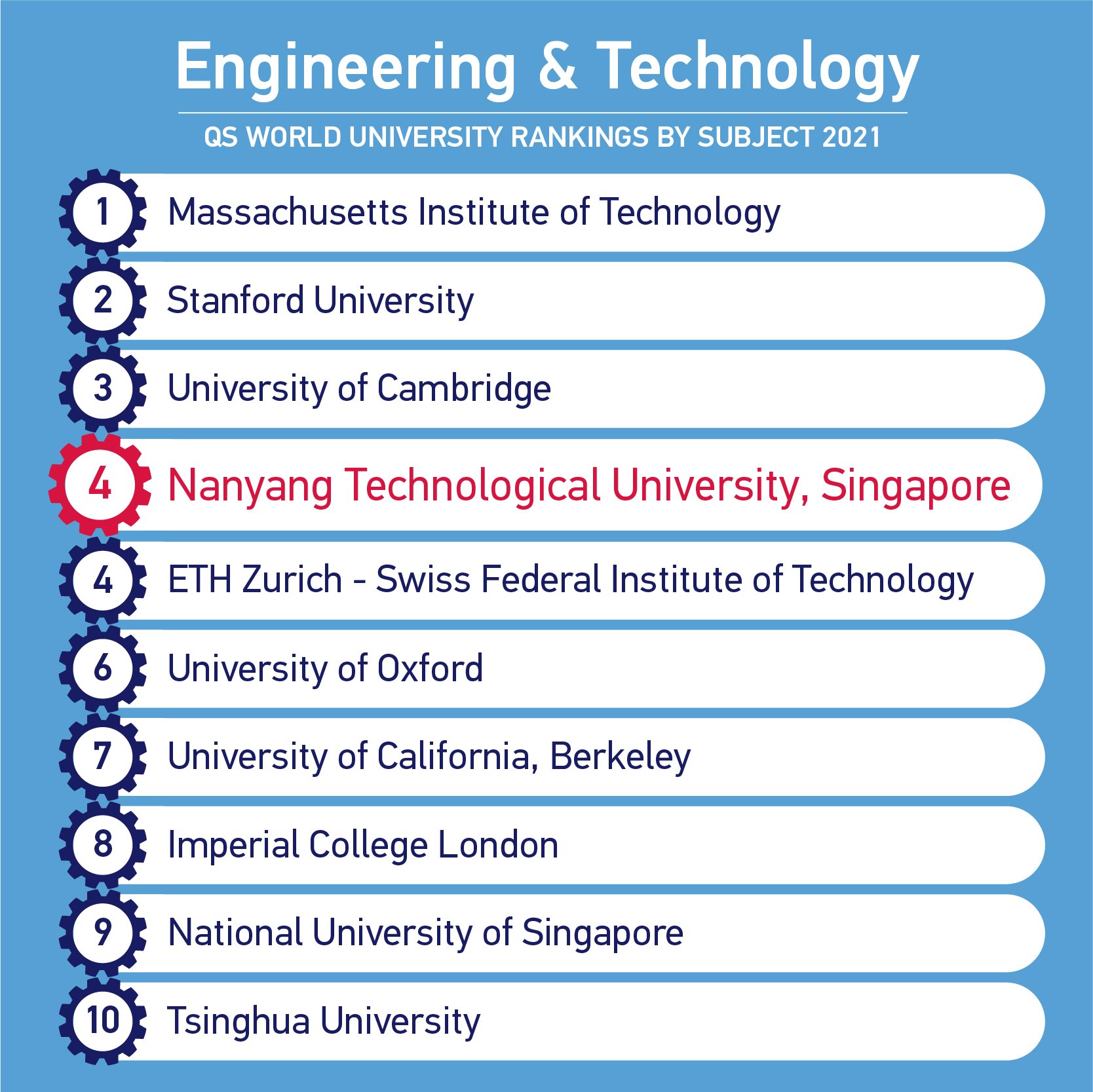
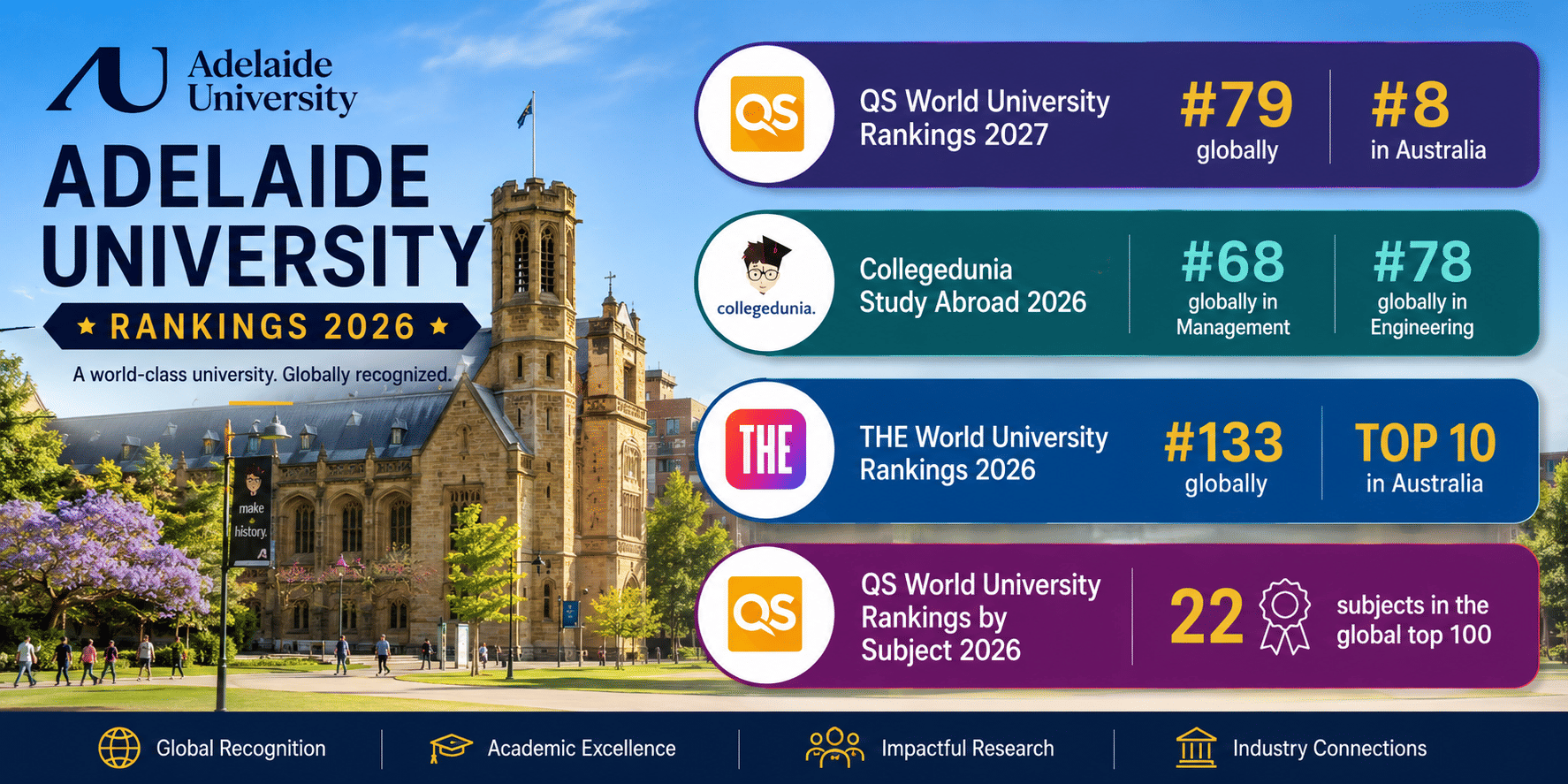
Academic university rankings serve as a primary reference point for students, researchers, institutional leadership, and policymakers navigating higher education. These global and regional indexes evaluate higher education institutions across diverse criteria such as research output, teaching quality, employer reputation, and internationalization. While these tables offer valuable comparative insights into institutional performance, interpreting them effectively requires a clear understanding of the underlying metrics, weighting systems, and structural limitations unique to each publication.
The Evolution and Purpose of Academic University Rankings
The history of structured institutional evaluations dates back to the late 20th century, but the modern era of global league tables accelerated significantly in 2003 with the introduction of the Academic Ranking of World Universities (ARWU), commonly known as the Shanghai Ranking. Originally designed to benchmark Chinese universities against global research leaders, ARWU established a quantitative model centered primarily on hard scientific research output and Nobel laureates.
Over the subsequent decades, the landscape expanded to include several prominent systems, most notably:
- Times Higher Education (THE) World University Rankings
- QS World University Rankings
- U.S. News & World Report Best Global Universities
The core purpose of these indices is to provide transparent benchmarks for academic quality. For prospective undergraduate and graduate students, rankings offer a standardized way to compare institutions across national borders. For university administrators, league table positions influence strategic planning, marketing, government funding allocations, and international student recruitment. For policymakers and industry leaders, these metrics highlight national research competitiveness and talent pipelines.
However, the rapid growth of these publications has transformed them from descriptive studies into high-stakes instruments that actively shape institutional behavior. Universities frequently adjust hiring practices, research funding distribution, and administrative structures specifically to optimize their performance against the algorithmic formulas of dominant ranking agencies.
Major Global Ranking Systems and Their Core Methodologies
No single ranking system possesses a monopoly on defining institutional excellence. Each major global publisher employs a distinct methodology, leading to varied outcomes for the exact same institution. Understanding these divergent approaches is essential for anyone relying on these tables for decision-making.
Academic Ranking of World Universities (Shanghai Ranking)
ARWU focuses heavily on objective, hard science metrics. It entirely eschews subjective reputation surveys. Its weighting formula prioritizes:
- Alumni and Staff winning Nobel Prizes and Fields Medals (30%)
- Highly Cited Researchers selected by Clarivate (20%)
- Articles published in Nature and Science (20%)
- Papers indexed in Science Citation Index-Expanded and Social Sciences Citation Index (20%)
- Per capita academic performance of an institution (10%)
Because of this heavy emphasis on natural sciences, large comprehensive research universities with medical centers and heavy scientific publishing output dominate the top tiers of ARWU, while specialized institutions, liberal arts colleges, and humanities-focused universities often rank poorly or fail to chart entirely.
QS World University Rankings
In contrast to ARWU, QS relies heavily on subjective peer review and global reputation surveys, alongside measurable output data. Its indicator mix includes:
- Academic Reputation (30%): Global survey of academics regarding institutional research excellence.
- Employer Reputation (15%): Survey of global employers regarding the quality of graduates.
- Faculty/Student Ratio (10%): A proxy metric for teaching commitment and class sizes.
- Citations per Faculty (20%): Research impact measured via Scopus data.
- International Faculty Ratio and International Student Ratio (5% each): Measures of global diversity.
- International Research Network and Employment Outcomes (5% each): Newer metrics capturing global collaboration and graduate career success.
This balance allows institutions with strong corporate recruitment networks and international branding to perform exceptionally well, even if their pure scientific publication volume is lower than massive public research universities.
Times Higher Education (THE) World University Rankings
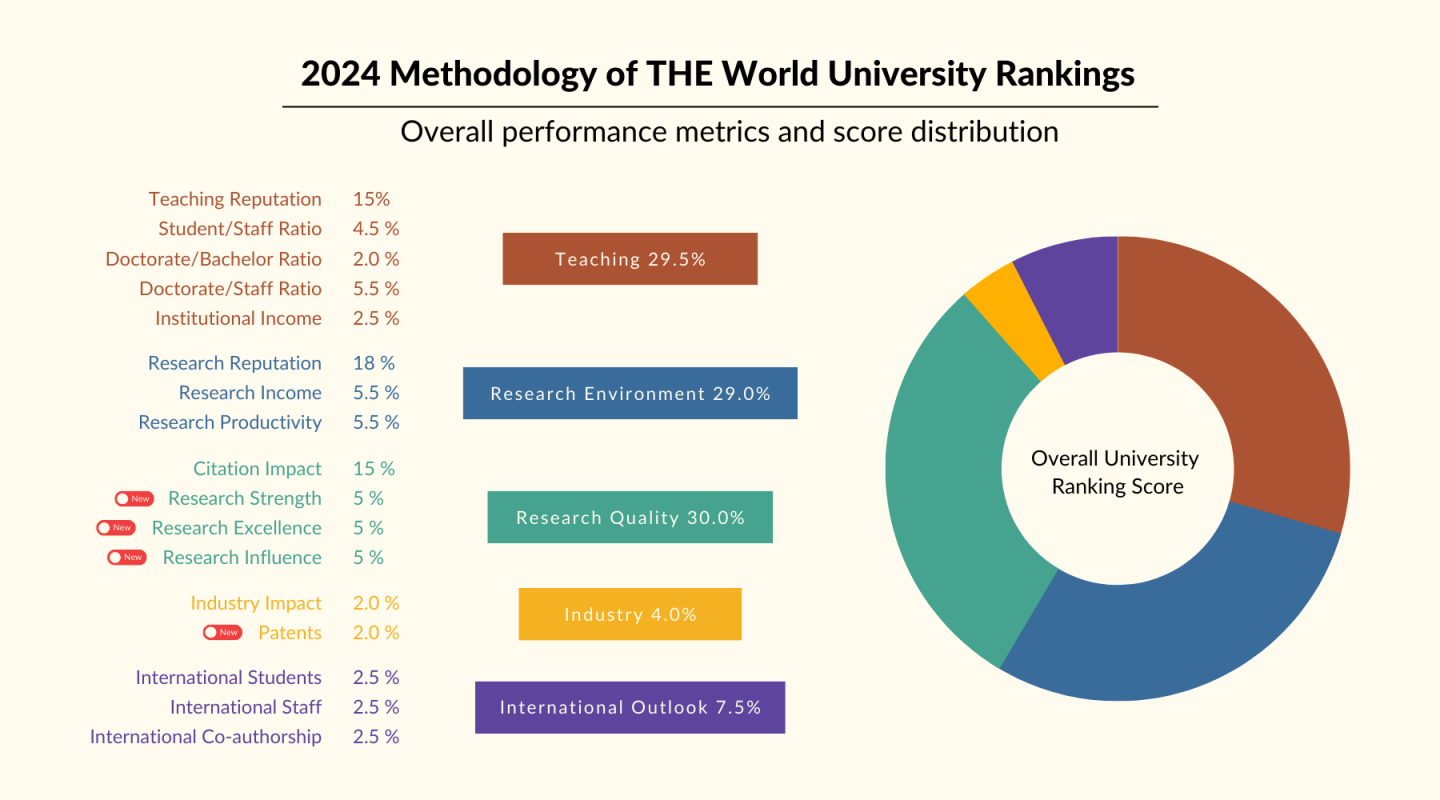
THE occupies a middle ground, balancing teaching, research, and international outlook. Its methodology relies on five foundational pillars:
- Teaching (The learning environment - 29.5%)
- Research Environment (Volume, income, and reputation - 29%)
- Research Quality (Citation impact, research strength, and excellence - 30%)
- International Outlook (Staff, students, and research - 7.5%)
- Industry (Knowledge transfer and consultancy income - 4%)
THE utilizes data from Elsevier for citations and conducts its own global academic reputation survey. Its recent methodology updates place increased emphasis on research quality and patent citations to capture practical innovation.
| Ranking System | Dominant Metric Focus | Use of Reputation Surveys | Key Data Provider | Typical Top-Tier Profile |
|---|---|---|---|---|
| ARWU (Shanghai) | Nobel laureates, Science/Nature papers, highly cited researchers | None | Clarivate (Web of Science) | Large, elite medical-research universities (e.g., Harvard, Stanford) |
| QS World Rankings | Academic & employer reputation, citations per faculty | Yes (Heavy weight) | Elsevier (Scopus) | Globally recognized comprehensive universities with strong corporate ties |
| THE World Rankings | Balanced teaching, research environment, and citation impact | Yes (Moderate weight) | Elsevier (Scopus) | Broad research institutions with robust international funding |
Critical Limitations and Methodological Flaws
Relying blindly on academic university rankings can lead to distorted conclusions. Every ranking methodology contains inherent biases, data collection challenges, and structural limitations that users must recognize.
The English-Language Research Bias
Most citation databases (such as Scopus and Web of Science) predominantly index English-language journals. Consequently, institutions in non-Anglophone countries—particularly in the arts, humanities, and social sciences, where local-language publishing is vital—are structurally penalized. Groundbreaking research published in Spanish, French, German, or Mandarin often fails to register with the same weight in international citation metrics.
Size and Disciplinary Imbalances
Large comprehensive universities with dedicated medical schools and extensive STEM laboratories naturally generate higher absolute volumes of publications and citations than specialized institutions. A world-class conservatory, art institute, or boutique technological university will frequently rank low on global tables simply because the algorithms do not adjust adequately for institutional size or disciplinary focus.
The Lag Effect of Reputation Surveys
Reputation surveys often suffer from institutional inertia. Once a university establishes a prestigious global brand, it can maintain high scores in peer and employer reputation surveys for decades, even if its actual teaching quality, student support, or contemporary research output has declined. Conversely, rising institutions struggle for years to break into top reputation tiers because survey respondents tend to name historical legacy universities out of habit.
Proxy Metrics vs. True Quality
Measuring "teaching quality" remains one of the greatest challenges in higher education metrics. Because direct observation of classroom teaching across thousands of global universities is impossible, ranking agencies rely on proxy metrics such as student-faculty ratios or institutional income per academic. A low student-faculty ratio does not guarantee engaging lectures or effective mentorship, yet it heavily influences institutional scores.
How to Evaluate Rankings for Strategic Decision-Making
Navigating academic university rankings successfully requires shifting from passive consumption of top-10 lists to active, context-driven analysis. Whether choosing a university for study or partnering with one for research, stakeholders should apply a structured evaluation process.
1. Match the Ranking to Your Specific Goals
If you are an undergraduate student prioritizing teaching contact, career placement, and student life, a research-heavy ranking like ARWU is practically useless. Instead, examine specialized undergraduate guides, employer reputation sub-scores, or regional listings. Conversely, if you are a doctoral candidate seeking elite laboratory facilities, research funding, and high-impact supervision, citation metrics and research environment pillars matter far more than campus amenities.
2. Look Beyond the Overall Score
Global rank numbers (e.g., #45 vs. #65) are often statistically insignificant due to weighting variations and data rounding. Instead of focusing on the aggregate rank, examine individual pillar scores:
- Check the citations per faculty to gauge research impact.
- Review the international outlook scores if cross-border mobility is a priority.
- Analyze subject-specific rankings rather than general institutional tables. A university ranked #200 globally might house a top-10 department in computer science, public health, or engineering.
3. Evaluate Regional vs. Global Contexts
Global rankings favor massive, heavily funded Western institutions. For students and researchers considering regional mobility, regional rankings—such as QS Asia, QS Latin America, or national accreditation frameworks—often provide a more realistic assessment of local academic standing, employer networks, and institutional reputation within the target job market.
Frequently Asked Questions About Academic University Rankings
Why do different ranking systems give completely different results for the same university?
Publisher methodologies differ substantially. For instance, an institution with elite Nobel-winning faculty will dominate ARWU but might rank lower in QS if its corporate employer reputation score is modest. Publishers assign different weights to subjective surveys, citation counts, teaching metrics, and internationalization, creating unique league table hierarchies.
Are subject-specific rankings more reliable than overall university rankings?
Generally, yes. Overall rankings blend disparate fields, masking the true strength of specialized departments. A comprehensive university may rank moderately overall while housing a world-leading faculty in a specific discipline. Subject-specific rankings evaluate actual departmental output, peer perception within that field, and relevant citation rates.
Do employers actually care about global university rankings?
Global rankings matter to multinational corporations and competitive graduate programs that use league tables for initial candidate screening or institutional partnership validation. However, local and regional employers typically value practical experience, institutional reputation within the domestic market, professional networking, and specific skill sets far more than a university's global research rank.
How often do ranking methodologies change, and why does it matter?
Major ranking publishers adjust their methodologies every few years to incorporate new data points, such as sustainability metrics, remote learning adaptations, or employment outcomes. These shifts can cause sudden, dramatic jumps or drops in an institution's rank that reflect formula changes rather than actual improvements or declines in academic quality.
Can universities manipulate their positions in academic rankings?
Institutions cannot easily fake hard data like Nobel laureates or Scopus-indexed citations, but some universities engage in strategic optimization. This includes increasing international student enrollment to boost diversity scores, aggressively encouraging faculty citation practices, or restructuring administrative units to better align with survey categorizations.
Next Actions for Students and Researchers
When utilizing academic university rankings for decision-making, treat the data as a starting filter rather than a definitive verdict.
- Audit specific department profiles rather than relying on overall institutional ranks.
- Consult multiple ranking systems side-by-side to cross-verify institutional strengths.
- Investigate qualitative factors—such as curriculum flexibility, faculty accessibility, institutional culture, and alumni networks—that quantitative metrics cannot capture.
By combining rigorous data analysis with an understanding of methodological biases, stakeholders can make informed, highly strategic decisions within the complex ecosystem of global higher education.