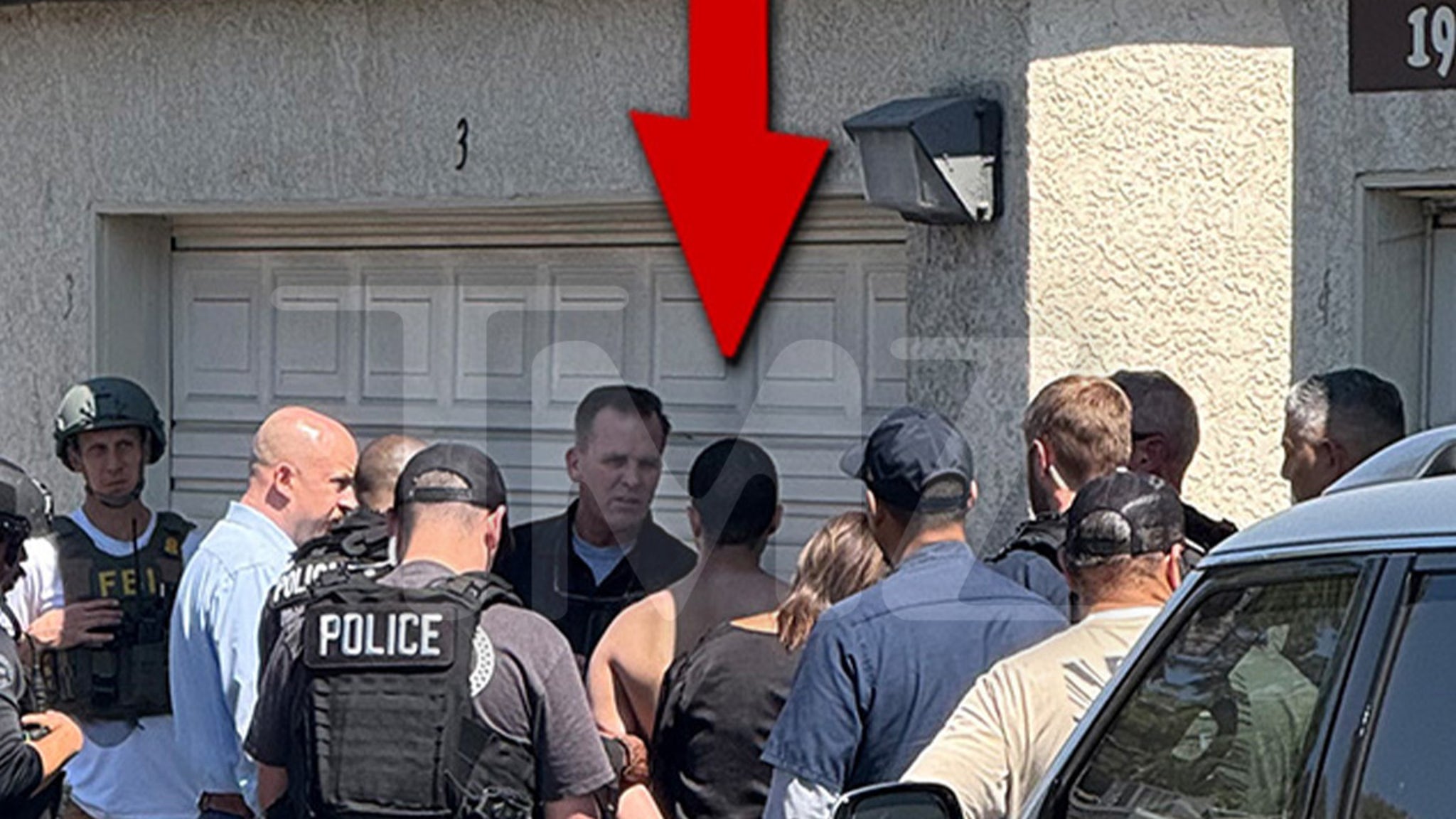
The phrase "american idol double homicide" frequently surfaces in online discussions, driving curiosity about whether a contestant, crew member, or major figure from the hit television singing competition was ever linked to a violent crime. While major reality television franchises like American Idol rarely intersect with capital offenses, internet search trends often blur the lines between true crime cases, urban legends, and contestants who later made headlines for legal troubles.
Understanding the Intersection of Reality Television and True Crime
The relationship between reality television casting and true crime investigations is a subject of frequent public fascination. When millions of viewers tune into a program like American Idol, they invest emotional energy into contestants, judges, and production personnel. Consequently, any subsequent legal trouble involving someone associated with the show attracts intense media scrutiny.
However, public queries involving dramatic keywords like "double homicide" often stem from misremembered news stories, viral misinformation, or distinct legal cases entirely separate from the main stage of the singing competition. To understand why these terms are searched together, it is necessary to examine how reality television vetting works, the nature of background checks in the entertainment industry, and how unrelated criminal events occasionally become entangled with pop culture phenomena in search engine algorithms.
Vetting Processes and Background Checks in Talent Competitions
Major television networks and production companies employ extensive screening processes before allowing contestants to perform on national television. These vetting procedures are designed to protect the integrity of the broadcast, shield the network from liability, and ensure the safety of fellow competitors, crew members, and studio audiences.
- Criminal Background Checks: Production companies typically run comprehensive state and federal background checks. Anyone with an active felony warrant, pending violent crime charges, or a severe history of violence is generally disqualified immediately during the initial casting phases.
- Psychological Evaluations: For high-pressure reality competition shows, contestants often undergo psychological screening. This helps producers determine whether a candidate can handle intense public scrutiny, grueling production schedules, and the sudden transition into the public eye.
- Financial and Personal Disclosures: Applicants must sign extensive disclosure agreements, revealing past legal entanglements, contractual obligations, and personal history that could pose a public relations risk to the network.
Despite these precautions, background checks are limited to historical records available at the time of screening. They do not predict future behavior, nor do they capture sealed juvenile records or ongoing investigations where no charges have been formally filed.
Analyzing Search Intent: Where Do True Crime Rumors Start?
When users search for phrases linking lighthearted entertainment brands with dark criminal acts, the results typically point toward a few common phenomena:
- Contestant Legal Troubles: On rare occasions, former contestants who achieved minor local fame or participated in early Hollywood rounds have found themselves facing legal difficulties long after their appearance on the show. While these incidents rarely involve major capital offenses like double homicides, social media amplification can distort minor arrests into viral sensationalism.
- Algorithmic Association: Search engine queries often combine unrelated trending terms. If a true crime podcast covers a double homicide in a city where auditions for a singing show were simultaneously held, or if a true crime story breaks during the same news cycle as a season finale, search algorithms can inadvertently link the two concepts in autocomplete suggestions.
- Misidentified Public Figures: Cases involving individuals with similar names to reality TV alumni frequently cause confusion among casual observers, leading to false rumors that a well-known television personality was involved in a violent crime.
| Aspect of Investigation | Reality Television Production | True Crime Media |
|---|---|---|
| Primary Objective | Entertainment production, talent discovery, and commercial broadcasting. | Investigative journalism, legal accountability, and public safety documentation. |
| Information Verification | Publicity releases, talent management updates, and network statements. | Court documents, police reports, official press briefings, and trial transcripts. |
| Handling of Legal Incidents | Immediate disqualification or removal from promotional materials upon formal charges. | Comprehensive tracking of arrests, indictments, judicial proceedings, and verdicts. |
The Impact of Sensationalized Search Queries
The prevalence of dramatic search strings highlights a broader shift in how internet users consume media. True crime has become one of the dominant genres in digital media, frequently intersecting with pop culture curiosity. When a user remembers a vague headline or hears a half-remembered rumor on a short-form video platform, they often type fragmented keywords into search engines to uncover the truth.
This behavior underscores the importance of relying on verified news outlets and official court records rather than social media speculation. When examining legal cases associated with public figures, official documentation remains the only reliable standard for confirming facts, avoiding the spread of defamatory misinformation, and understanding the actual scope of an investigation.
Frequently Asked Questions
Did an American Idol contestant ever commit a double homicide?
No prominent finalist or winner of the main American Idol competition has ever been convicted of a double homicide. While various reality television participants across different networks have occasionally faced legal scrutiny over the years, official entertainment news and police records show no such connection to the core history of the franchise.
Why do terms like American Idol and violent crime appear together in search engines?
Search engines often generate autocomplete suggestions based on aggregated user curiosity, viral rumors, or unrelated news cycles that happened to overlap in timing. When users search for unverified claims or try to connect distant dots between entertainment and true crime, the algorithm records those patterns.
How do television networks vet reality show contestants?
Networks utilize professional security firms to conduct criminal background checks, review social media histories, evaluate financial disclosures, and administer psychological evaluations. These steps help screen out candidates with red flags before they appear on national broadcasts.
Where can I find accurate information about criminal cases involving public figures?
Verifiable details regarding criminal charges, trials, and verdicts should always be sourced from official court documents, law enforcement press releases, and established mainstream journalism outlets rather than social media posts or unverified rumor blogs.
What should I do if I encounter false rumors about public figures online?
Readers should check primary sources and reputable news verification sites. Engaging with, sharing, or amplifying unverified claims on social media contributes to the spread of misinformation.
Next Steps and Fact-Checking Guidance
When encountering sensational claims linking entertainment franchises to violent crimes, the most responsible approach is to verify the assertions against established journalistic standards. Cross-reference names with official court records or credible legal news databases. By relying on primary documentation rather than viral speculation, consumers can distinguish between verified legal realities and internet myths.