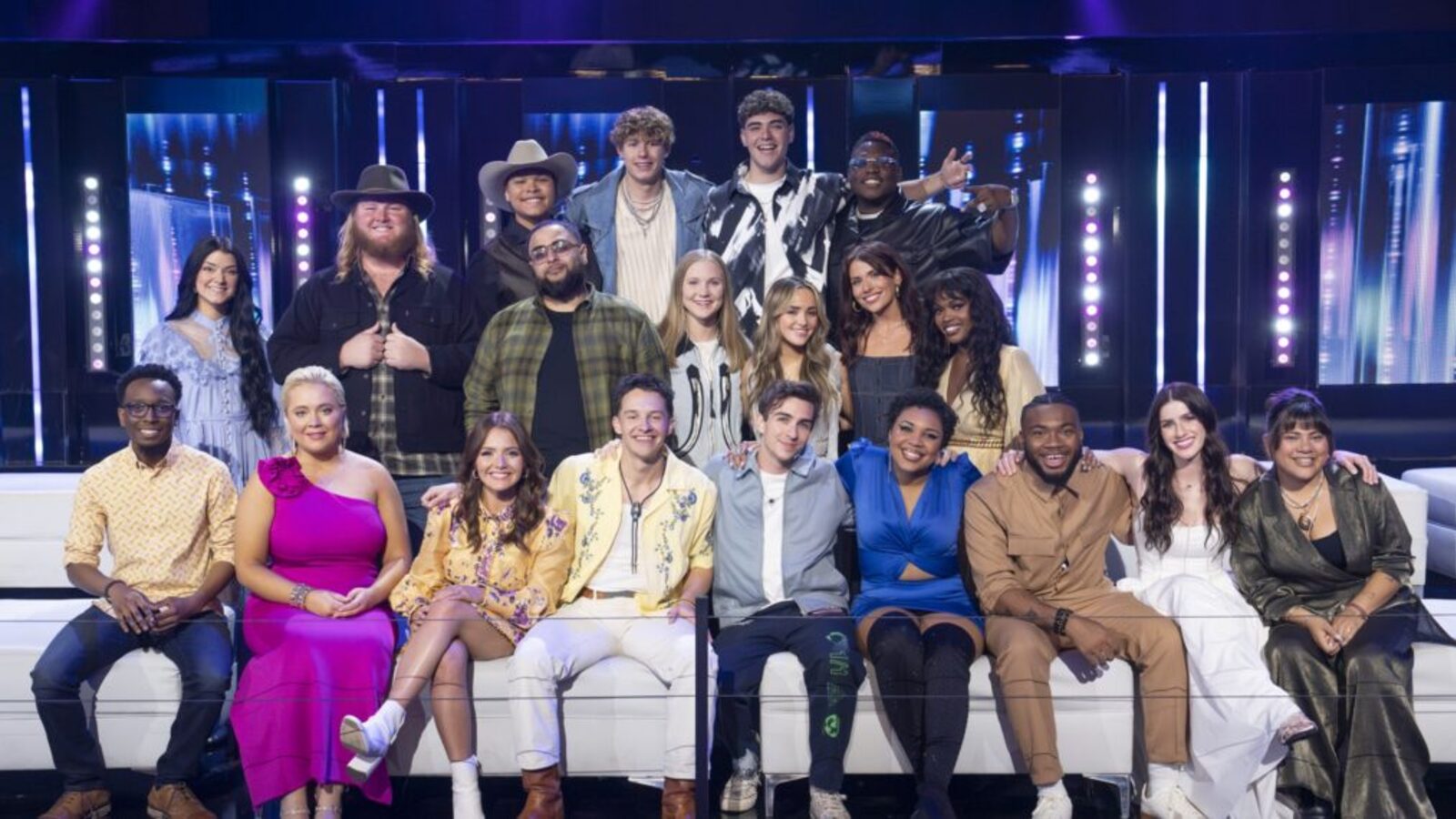
The phenomenon of audience favorites on American Idol acts as a primary catalyst for social media discourse, driving viewer retention and shaping the narrative arc of the competition. By creating emotional connections through performance quality, personal backstories, and digital interaction, these contestants transform passive viewership into an active, high-engagement community that dictates the show's cultural footprint.
The Mechanics of Fan-Driven Momentum
In the context of long-running reality competitions like American Idol, "fan buzz" is not merely a byproduct of viewership; it is a measurable metric of sustained interest. When a contestant captures the public imagination, they transcend their status as a performer and become an avatar for a specific segment of the viewing audience. This process typically begins during the audition rounds, where producers carefully curate backstories that align with broader societal archetypes—the underdog, the prodigy, or the unconventional artist.
The "favorite" status is solidified when these archetypes intersect with high-impact performances. In 2026, the ecosystem of American Idol fan engagement relies heavily on cross-platform synergy. Unlike the early eras of the show, where buzz was confined to water-cooler conversations or dedicated fan forums, today’s momentum is generated via real-time commentary on platforms like X (formerly Twitter), TikTok, and Instagram. When a favorite delivers a standout performance, the digital feedback loop—consisting of likes, shares, hashtags, and short-form video recreations—validates the audience's choice, effectively pressuring the show’s producers to highlight that contestant more prominently.
Psychological Anchors and Viewer Loyalty
The reason certain contestants become favorites is rarely purely musical. While vocal prowess is a prerequisite for reaching the live shows, it is the psychological connection that cements a contestant as a fan favorite. Viewers often project their own aspirations, struggles, or values onto participants.
This emotional investment leads to high-intensity loyalty, which translates into aggressive voting behaviors. When fans feel their preferred artist is being critiqued unfairly or placed at a disadvantage by song choices, their engagement levels spike. This protective behavior acts as a form of "stanning" culture, where the audience views itself as an active participant in the contestant’s success, rather than a mere observer. This sense of agency is vital; it keeps the audience coming back week after week to ensure their "favourite" survives the elimination rounds.
The Impact of Social Media Algorithms on Buzz
By 2026, the relationship between American Idol and social media is symbiotic. Algorithms prioritize content that triggers intense emotional reactions, and American Idol contestants are perfect subjects for such engagement. When a fan favorite experiences a breakthrough moment, the resulting surge in content—ranging from professional clips to amateur reaction videos—fuels discovery for viewers who might not even watch the linear broadcast.
This organic promotion serves as a free marketing engine for the show. Broadcasters and production companies have adapted to this by integrating social media metrics into the viewing experience, often displaying fan reactions or social trends during the live broadcast. By acknowledging the "buzz," the production team reinforces the fans' sense of importance, further incentivizing them to continue their online advocacy.
Navigating the Risks of Excessive Fan Advocacy
While fan buzz is essential for the show's longevity, it introduces specific challenges that require careful management by both the contestants and the show's production teams. The intense scrutiny that comes with being a fan favorite can often lead to burnout or, in extreme cases, the emergence of "toxic fandom."
- Pressure to Maintain Perfection: Fan favorites are often held to an impossible standard. Any deviation from their established persona or a single "off-night" can lead to rapid backlash, which can be demoralizing for a young artist.
- Echo Chambers: When fan bases become too insular, they may lose sight of the broader competition, leading to disillusionment if their favorite is eliminated, which can result in a drop in future viewership.
- The "Underdog" Dilemma: A contestant who stays a favorite for too long may lose the sympathy of the casual viewer, potentially shifting the narrative from "support" to "complacency."
Table 1: The Evolution of Fan Buzz Dynamics
| Feature | Pre-Digital Era | Modern (2026) Era |
|---|---|---|
| Primary Driver | Linear Broadcast / Phone Voting | Social Media Advocacy / Streaming |
| Feedback Loop | Delayed (Weekly) | Immediate (Real-time) |
| Audience Role | Passive Observer | Active Narrative Influencer |
| Content Lifecycle | Show-dependent | 24/7 Multi-platform Engagement |
| Metric of Success | Total Call Volume | Digital Shareability & Hashtag Reach |
Requirements for Sustaining Interest
For a contestant to successfully harness fan buzz throughout an entire season, they must balance their artistic identity with the expectations of their audience. This is a difficult needle to thread. Successful participants often engage in "micro-influencer" behavior—sharing behind-the-scenes content that provides a sense of intimacy, which helps maintain the human connection that initially drew fans in.
Furthermore, they must manage the transition from "reality contestant" to "professional artist." The most successful favorites are those who leverage the temporary surge in buzz to build a sustainable digital presence that exists independently of the American Idol platform. This transition is critical because, once the season concludes, the "buzz" typically evaporates unless the artist has successfully converted fans from casual viewers into committed listeners.
The Role of Producers in Shaping Narratives
Producers are not passive observers of fan buzz; they are active facilitators. By selecting songs that play to a contestant's strengths or providing them with "makeover" segments, the production team often intervenes to ensure that the most popular contestants remain viable.
However, this intervention can backfire if it is perceived as inauthentic. Fans are highly perceptive; if they feel that the producers are forcing a narrative that contradicts the contestant’s natural appeal, they will often rebel. The most effective strategy for the show is to identify which contestants are organically drawing the most buzz and then provide them with the resources to maximize that potential, rather than trying to manufacture favorites from scratch.
Troubleshooting Engagement Dips
When a previously popular contestant experiences a dip in support, it is often due to a disconnect between their personal brand and the material they are performing. To "troubleshoot" this:
- Re-alignment: The contestant must return to the musical style or personal narrative that initially captured the audience’s attention.
- Vulnerability: A moment of genuine, unscripted transparency often reignites interest when performance quality plateaus.
- Community Interaction: Direct engagement—such as responding to comments or hosting live sessions—can re-humanize the contestant, turning a stagnant fan base back into active advocates.
FAQ: Understanding Fan Dynamics
Why does fan buzz matter more now than in the past? In 2026, television ratings are only one part of the success equation. Digital footprint and social media reach are crucial for advertising revenue and future streaming success. High buzz ensures the show remains culturally relevant in a fragmented media landscape.
How do fans influence actual elimination results? Fans directly influence results through the show's official voting channels. The "buzz" created on social media serves as a mobilizer, encouraging casual viewers to participate in the voting process specifically to protect their favorites.
Can an artist be too popular? Yes, in the context of a competition, there is a phenomenon where the audience assumes their favorite is "safe." This can lead to a decrease in actual voting, causing the favorite to be unexpectedly eliminated—a common "troubleshooting" issue for fan bases to manage.
Does social media buzz predict the winner? While there is a high correlation between social media sentiment and the winner, it is not a guarantee. The ultimate outcome depends on the consistency of the voting base across the entire season, not just the volume of noise on social media platforms.
What is the "Goldilocks" level of fan engagement? The ideal level of engagement is high enough to generate momentum but balanced enough to allow for periodic creative growth. If a contestant stays too rigid to appease the fans, they lose the ability to evolve as an artist, which is essential for a post-show career.
Next Actions for Emerging Artists
If you are an aspiring performer analyzing the American Idol landscape for 2026, recognize that "favourite" status is a product of consistency, authenticity, and digital accessibility. Your primary goal is not just to win the competition, but to convert the ephemeral excitement of a voting audience into a long-term, loyal fan base. Focus on building a clear, defensible artistic brand that remains consistent across all platforms, and always provide your audience with clear ways to support your journey both inside and outside the show's structure. By viewing your audience as a community to be cultivated rather than a target to be managed, you create a foundation for a career that survives long after the stage lights dim.