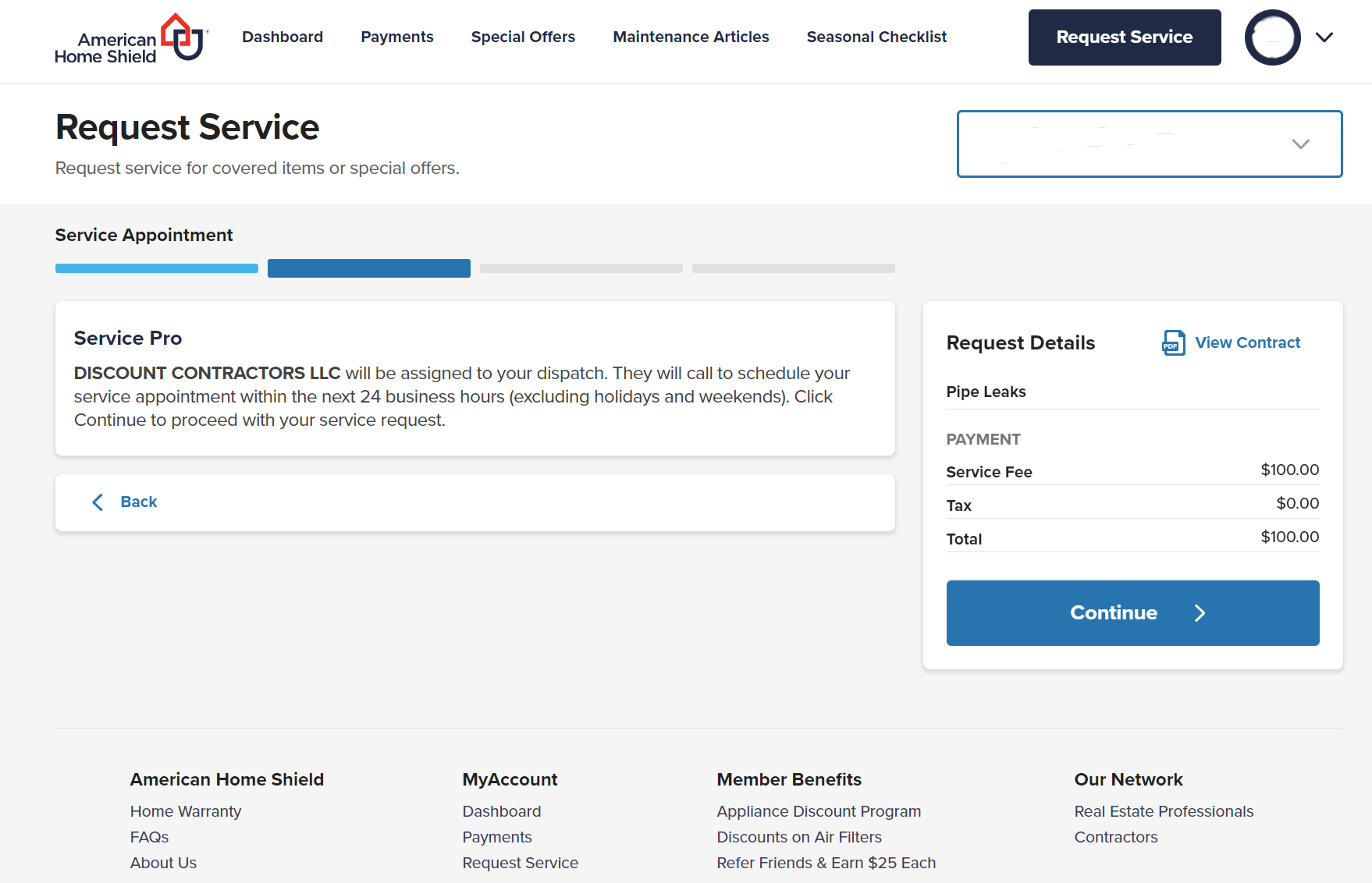
Choosing between American Home Shield (AHS) and Fidelity National Home Warranty (FNHW) requires balancing your specific coverage priorities against the operational realities of how these companies process claims. Both are prominent players in the U.S. residential service contract market, but they differ significantly in their regional availability, coverage customization, and customer service frameworks. AHS typically appeals to those seeking extensive plan options and national coverage consistency, while Fidelity often provides a more specialized, localized approach favored in specific real estate markets.
Understanding the Home Warranty Model in 2026
A home warranty is a service contract that covers the repair or replacement of major home systems and appliances that break down due to normal wear and tear. It is crucial to distinguish this from homeowners insurance, which protects your property against catastrophic events like fire, theft, or weather damage.
In 2026, the marketplace for home warranties has matured into a system defined by tiers of service. When you purchase a policy, you pay an annual or monthly premium plus a service fee (often called a trade service call fee) each time a technician comes to your home to diagnose an issue. The core conflict between providers like American Home Shield and Fidelity National Home Warranty centers on their trade networks, the breadth of their "included" items, and the rigidity of their fine print regarding preexisting conditions or improper maintenance.
American Home Shield: Breadth and National Scale
American Home Shield is one of the oldest and largest home warranty providers in the United States. Its primary advantage is its sheer scale, which allows for a massive network of authorized service contractors across almost every state.
Core Strengths
- Customization: AHS offers a tiered structure that allows homeowners to select plans based on whether they prioritize appliances, systems (like HVAC and plumbing), or a combination of both.
- Technology Integration: By 2026, AHS has optimized its digital customer portal, allowing for faster claim filing and status tracking compared to many smaller competitors.
- Coverage Flexibility: AHS is known for having relatively lenient policies regarding the age of equipment. While they still require systems to be in working order at the time of purchase, they are often less stringent about requiring proof of maintenance records compared to boutique firms.
Operational Considerations
Despite its size, the main critique of AHS involves the variability of contractor quality. Because they contract with thousands of independent service providers, the quality of your experience is often dictated by the specific technician dispatched to your home rather than the corporate brand itself.
Fidelity National Home Warranty: Regional Focus and Specialized Support
Fidelity National Home Warranty operates with a different strategic focus. Often integrated deeply into the real estate transaction process, FNHW is frequently selected by agents and buyers during the closing of a home sale.
Core Strengths
- Real Estate Partnerships: Fidelity often provides highly tailored plans for real estate transactions, which may include benefits like "seller coverage" while the home is on the market.
- Personalized Service: Because their market share is concentrated in specific regions, Fidelity’s customer support teams are often more familiar with the housing stock and common repair issues of those specific areas.
- Predictable Claims Processing: Many users report that FNHW provides a more consistent experience regarding what constitutes a "covered" repair. They tend to have fewer "gotchas" regarding code upgrades, provided you opt into the relevant add-on coverage.
Operational Considerations
Fidelity’s footprint is not as expansive as AHS. If you live in a rural area or a state where they do not maintain a strong contractor network, you may encounter longer wait times for service or face issues finding a technician willing to work under their specific reimbursement rates.
Comparative Analysis of Service Features
| Feature | American Home Shield | Fidelity National Home Warranty |
|---|---|---|
| Service Area | National (49 states) | Regional (varies by state) |
| Primary Customer | Direct-to-consumer & Real Estate | Real Estate & Home Buyers |
| Claim Filing | Digital Portal/App/Phone | Phone/Online Portal |
| Flexibility | High (Customizable tiers) | Moderate (Standardized packages) |
| Service Fee | Choice of fee levels | Fixed or plan-dependent |
The "Trade Service Fee" Explained
The service fee is the most frequent source of friction between homeowners and warranty providers. Both AHS and Fidelity require this fee, which acts as a deductible for each visit.
In 2026, industry standards allow for a range of service fees—typically between $75 and $150. A higher monthly premium usually grants you a lower trade service fee. When comparing AHS and Fidelity, you should calculate the "break-even" point: If you have a low-cost appliance that breaks frequently, a higher monthly premium with a lower service fee may save you money over the course of a year. If you have robust, newer systems, a higher service fee paired with lower monthly premiums is generally the more logical financial choice.
Common Pitfalls and How to Avoid Them
Regardless of which company you choose, the most common complaints regarding home warranties involve claim denials. Understanding why these happen can help you manage your expectations.
- Preexisting Conditions: Both companies explicitly state that they do not cover breakdowns that occurred before the effective date of the policy. If a system was already failing, the warranty will not pay for the repair.
- Improper Maintenance: If a furnace fails because of a clogged filter that wasn't changed for three years, or a dishwasher fails because of neglected maintenance, the warranty provider will likely cite "lack of maintenance" as an exclusion. Keep records of your annual HVAC tune-ups to preemptively counter these claims.
- Code Upgrades: When an old unit is replaced, the new unit may require modifications to the existing venting or electrical wiring to meet 2026 building codes. Basic plans rarely cover these modifications. You must ensure you have "code violation" or "modification" add-ons to avoid paying these costs out of pocket.
Selecting the Right Provider for Your Needs
Your choice should be dictated by your specific situation.
- Choose American Home Shield if: You prioritize a company with a proven digital infrastructure, live in an area with a diverse housing market, or want the ability to customize your coverage tiers extensively. AHS is also better suited for long-term homeowners who are not currently going through a real estate transaction.
- Choose Fidelity National Home Warranty if: You are currently in the process of buying or selling a home, your real estate agent highly recommends them due to their local presence, or you prefer a company that acts more as a partner in the real estate transaction rather than a general service provider.
Frequently Asked Questions
1. Does a home warranty cover the total cost of replacement?
Generally, no. Home warranties usually provide a replacement unit of "similar" capacity or function. If the model you require is significantly more expensive than the standard allowance, you will be responsible for the difference. Always check the specific dollar limits per item in your contract.
2. Can I choose my own contractor?
In most cases, both AHS and Fidelity require you to use their network of authorized contractors. If you use an outside technician without prior authorization, you will likely be denied reimbursement. If you have a specific relationship with a local repair professional, ask the warranty company if they have a process for out-of-network approval, though this is rarely granted.
3. What happens if the technician cannot fix my appliance?
If the technician determines the item is beyond repair and it is covered under your policy, the provider will offer a replacement or a "cash-out" option. The cash-out amount is based on the company's discounted cost for the equipment, not the retail price, which can sometimes lead to dissatisfaction regarding the payout.
4. Are there any hidden fees in my contract?
While not "hidden," many customers overlook the limitations on diagnostic time, permit fees, and disposal fees for the old unit. Always review the "Exclusions" section of the sample contract before signing.
Final Recommendation
Before committing to a contract with either American Home Shield or Fidelity National Home Warranty, request a sample contract—not just the glossy brochure. The specific language in the contract constitutes the legal agreement. Pay close attention to the per-item coverage limits and the specific definitions of what constitutes a "breakdown."
For most homeowners, the decision comes down to the quality of the local network. Search for recent 2026 customer experiences in your specific zip code to see which company has a more reliable list of contractors in your area. Ultimately, the best warranty is the one with a local, responsive technician network that arrives on time and resolves your issues within the terms of your contract.