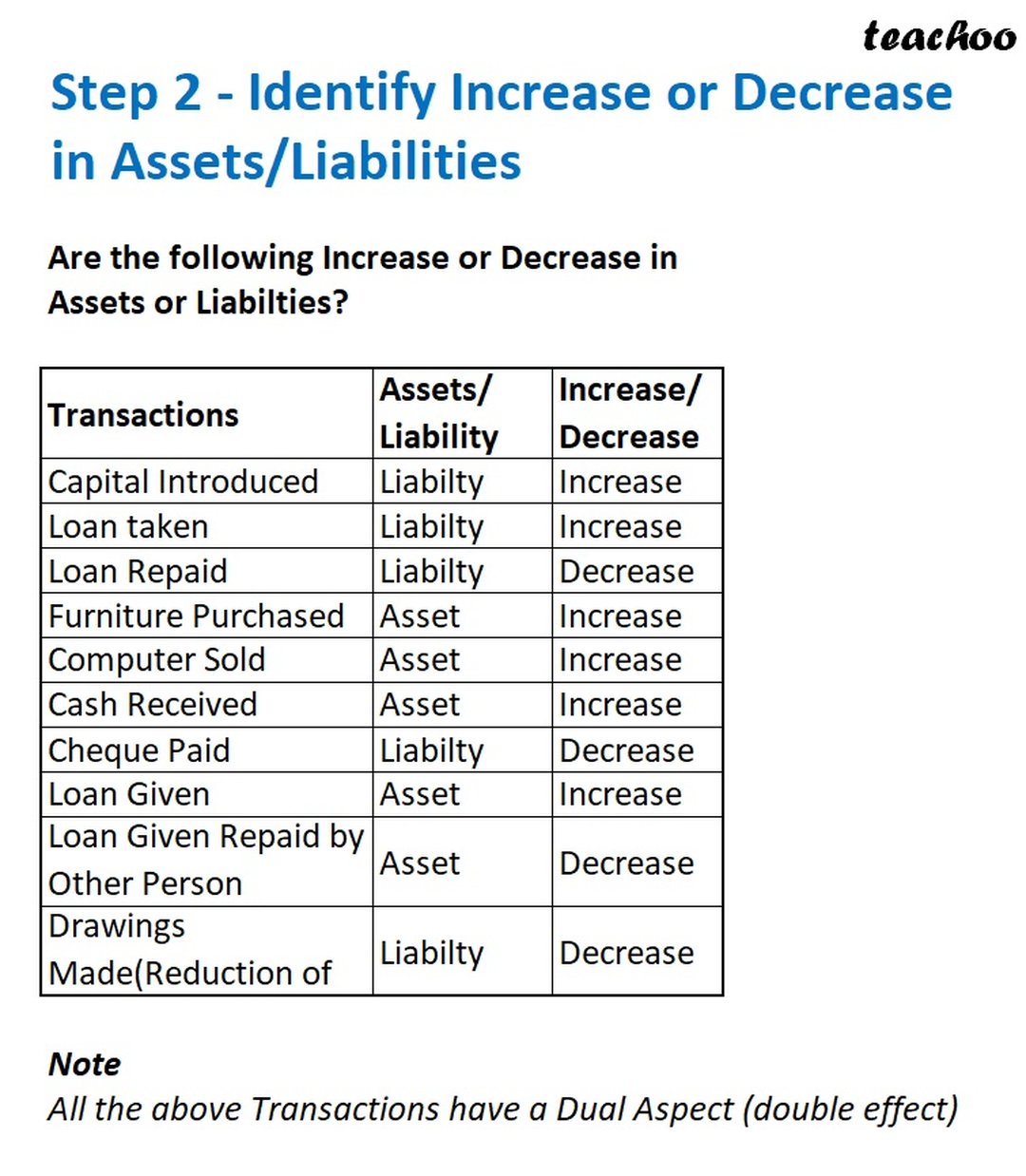
When your assets increase while your liabilities also increase, your net worth may go up, go down, or stay exactly the same depending entirely on the relative dollar amounts of those changes. Net worth represents the fundamental mathematical difference between what you own and what you owe, meaning that acquiring more property through debt simultaneously boosts both sides of your balance sheet.
Understanding the intricate relationship between assets, liabilities, and net worth forms the bedrock of personal finance, corporate accounting, and wealth management. Whether you are an individual evaluating a mortgage application or an analyst assessing a corporate balance sheet, knowing how these three financial components interact helps you measure true financial health. This comprehensive guide breaks down the mechanics of the accounting equation, explores how concurrent increases impact your overall wealth, and examines practical scenarios to help you navigate financial growth responsibly.
The Foundational Accounting Equation
To understand how changes in assets and liabilities affect your net worth, you must first examine the core accounting equation that governs all financial statements:
$$\text{Assets} - \text{Liabilities} = \text{Net Worth}$$
Alternatively, this is frequently expressed in corporate accounting as:
$$\text{Assets} = \text{Liabilities} + \text{Equity}$$
In personal finance, equity is synonymous with net worth. Every financial decision you make alters one or more of these variables.
Defining the Components
- Assets: Anything of economic value that you own, which can be converted into cash or used to generate future financial value. Examples include cash, checking and savings accounts, real estate, vehicles, retirement accounts, investments, and valuable personal property.
- Liabilities: Financial obligations, debts, or claims held by external parties against your assets. Examples include mortgages, student loans, credit card balances, auto loans, and personal loans.
- Net Worth: The residual interest in your assets after deducting your liabilities. It represents your true economic baseline or wealth at any given moment.
When economists or financial planners evaluate your financial standing, they look past raw income to focus on net worth. A high income combined with excessive liabilities can result in a stagnant or negative net worth, whereas a modest income coupled with disciplined asset accumulation and low debt leads to long-term wealth stability.
What Happens When Assets and Liabilities Both Increase?
The core question—what happens when assets increase and liabilities increase—depends on the magnitude of each change. Because a liability represents a debt used to finance something, many financial transactions naturally increase both sides of the balance sheet simultaneously.
When you borrow money to purchase a valuable item, you acquire an asset (which increases your total assets) and you take on a debt (which increases your total liabilities). The net effect on your net worth falls into one of three distinct mathematical categories:
Scenario 1: Asset Increase Exceeds Liability Increase (Net Worth Rises)
This occurs when the value of the asset you acquire or the cash injection is greater than the debt you take on.
- Example: You take out a $300,000 mortgage to buy a home that is appraised and purchased at a fair market value of $350,000 (perhaps due to a favorable negotiation or immediate equity injection via a down payment).
- Math: Assets increase by $350,000 (the home), and liabilities increase by $300,000 (the mortgage). Net worth increases by $50,000 ($350,000 - $300,000).
Scenario 2: Asset Increase Equals Liability Increase (Net Worth Stays Neutral)
This happens when you acquire an asset whose immediate value matches the exact amount of debt incurred to buy it, with no out-of-pocket cash involved.
- Example: You finance a brand-new $30,000 car with a zero-down, 100% financing auto loan. The moment you drive off the lot, the car's initial purchase value equals the loan balance (ignoring immediate depreciation for a moment).
- Math: Assets increase by $30,000, and liabilities increase by $30,000. Net worth experiences a net change of $0 ($30,000 - $30,000). Note: Due to immediate depreciation, the asset value typically drops below the liability soon after, resulting in a temporary dip in net worth (being "upside down" on a loan).
Scenario 3: Liability Increase Exceeds Asset Increase (Net Worth Drops)
This scenario happens when borrowing costs, transaction fees, or rapid asset depreciation cause the liability to outweigh the recognized value of the newly acquired asset.
- Example: You take out a personal loan of $10,000 to fund a luxury vacation or purchase rapidly depreciating electronics worth only $2,000 on the resale market.
- Math: Assets increase by $2,000, while liabilities increase by $10,000. Net worth decreases by $8,000 ($2,000 - $10,000).
Practical Financial Scenarios Compared
To visualize how these mechanics play out in real life, review the following matrix demonstrating various transactions where assets and liabilities increase concurrently.
| Transaction Type | Asset Change | Liability Change | Net Worth Impact | Explanation |
|---|---|---|---|---|
| Buying Real Estate with a Mortgage | Increases by Property Value | Increases by Loan Balance | Positive or Neutral | Depends on down payment size and immediate market valuation. |
| Financing Equipment for a Business | Increases by Equipment Value | Increases by Equipment Loan | Neutral initially | Asset and debt match; net worth grows as the loan is paid down and revenue is generated. |
| Taking Out a Student Loan for Tuition | Increases by Human Capital / Cash | Increases by Loan Balance | Negative initially | Education builds earning potential, but the immediate balance sheet shows debt outpacing tangible assets. |
| Using a Margin Account to Buy Stocks | Increases by Portfolio Value | Increases by Brokerage Loan | Neutral initially | Market fluctuations will dictate whether net worth subsequently rises or falls. |
| Taking a Cash-Out Refinance | Increases by Cash Received | Increases by New Loan Balance | Neutral initially | Cash is added to liquid assets, but mortgage debt scales up by the exact same amount. |
Good Debt vs. Bad Debt: The Quality of Asset Growth
Not all asset and liability increases are created equal. The financial quality of the assets you acquire using debt determines whether your simultaneous increases will build long-term wealth or lead to financial distress.
Good Debt and Wealth-Building Assets
Good debt involves borrowing money to acquire assets that either appreciate in value over time or generate positive cash flow.
- Real Estate Mortgages: Property historically appreciates over time, and rental properties generate monthly income that can service the debt while leaving a profit.
- Business Loans: Capital injected into a functioning business allows it to scale operations, increase inventory, and generate higher net revenues.
- Student Loans: While technically lowering net worth initially, investing in accredited education often unlocks higher lifetime earning potential.
Bad Debt and Consumptive Liabilities
Bad debt involves borrowing money to purchase depreciating assets or fund short-term consumption that generates no financial return.
- Credit Card Debt for Discretionary Spending: Buying vacations, clothing, or dining out on credit increases liabilities without adding any sustainable assets.
- High-Interest Auto Loans for Luxury Vehicles: Financing depreciating transportation beyond your practical needs locks you into a liability that outpaces the asset's residual value.
When bad debt increases your liabilities faster than your assets grow, your net worth shrinks, creating a compounding trap of interest payments and diminished financial flexibility.
How Leverage Amplifies Asset and Liability Movements
In finance, using borrowed money to increase your asset holdings is known as leverage. Leverage acts as a double-edged sword. When assets increase in value faster than the cost of the liabilities funding them, leverage supercharges your net worth growth.
The Power of Positive Leverage
Imagine purchasing an investment property for $200,000 using a $40,000 down payment and a $160,000 mortgage.
- Your initial assets increase by $200,000, and your liabilities increase by $160,000, resulting in a net worth increase of $40,000 (your equity).
- If the property appreciates by 10% over the next year, the property value rises to $220,000.
- Assuming your mortgage principal is paid down slightly to $155,000, your new net worth is $220,000 - $155,000 = $65,000.
- Your net worth increased by $25,000 on an initial $40,000 investment—a 62.5% return on your equity, driven entirely by the strategic use of leverage.
The Danger of Negative Leverage
Conversely, if the local real estate market declines by 10%, your property value drops to $180,000 while your mortgage remains at $160,000 (or $155,000 after minor payments). Your net worth drops significantly, demonstrating why managing the ratio between rising assets and liabilities requires careful risk assessment.
Strategies for Managing Concurrent Increases Effectively
Navigating situations where your assets and liabilities both increase requires a disciplined approach to personal and business finance. Consider implementing the following strategies to ensure your financial trajectory remains positive:
- Calculate the Net Impact Before Borrowing: Before taking on any new debt, run the numbers. Ask yourself: Does the asset I am acquiring have a stable or appreciating resale value that exceeds the total cost of the loan, including interest?
- Monitor Your Balance Sheet Regularly: Track your net worth at least quarterly. Use budgeting software or a dedicated spreadsheet to update all asset values and liability balances simultaneously. This transparency reveals whether your debt is working for you or against you.
- Accelerate Principal Paydown on Depreciating Assets: For liabilities tied to assets that lose value quickly (like automobiles), make extra principal payments to ensure your liability decreases faster than the asset depreciates.
- Maintain Adequate Emergency Reserves: When increasing your liabilities (such as taking on a larger mortgage or business loan), ensure your liquid cash assets (savings accounts) also increase proportionally to cover unexpected economic downturns or income interruptions.
Frequently Asked Questions
Can your net worth increase if you take on new debt?
Yes, your net worth can increase when taking on new debt if the debt is used to acquire an asset whose immediate fair market value exceeds the amount borrowed. For example, making a large down payment on a piece of real estate results in an asset increase that outweighs the new mortgage liability, raising your total net worth.
What does it mean if my assets and liabilities increase by the exact same amount?
When assets and liabilities increase by the exact same amount, your net worth remains unchanged. This commonly occurs during 100% financing transactions, such as buying an item entirely on credit without putting down any cash or equity.
Is an increase in liabilities always a bad sign for my financial health?
No. Liabilities are tools. Productive or "good" debt allows you to acquire wealth-building assets—such as real estate, education, or business inventory—that you could not otherwise afford. The key is ensuring the assets funded by those liabilities generate returns or appreciation that outpace the cost of borrowing.
How often should I calculate my net worth?
Most financial advisors recommend calculating your net worth quarterly or at least once a year. Regular tracking helps you measure long-term financial progress, identify creeping debt habits, and ensure your asset accumulation outpaces your liability growth.
Next Actions for Financial Growth
To take control of your financial standing, start by conducting a comprehensive audit of your current balance sheet. List all of your assets and their current estimated market values, then list every outstanding liability down to the exact penny. Subtract your total liabilities from your total assets to establish your current net worth baseline.
Going forward, evaluate every major financial decision through the lens of the accounting equation. Ensure that whenever you increase your liabilities, you are strategically pairing them with high-quality assets designed to drive your net worth upward over the long term.