Assigning an adjustable universal life insurance policy as collateral allows a policyholder to leverage their accumulated cash value to secure a commercial or personal loan from a financial institution. This transaction involves executing a formal collateral assignment agreement, which transfers a security interest in the policy’s death benefit and cash surrender value to the lender without surrendering ownership of the underlying contract.
Understanding Adjustable Universal Life Insurance (AUL)
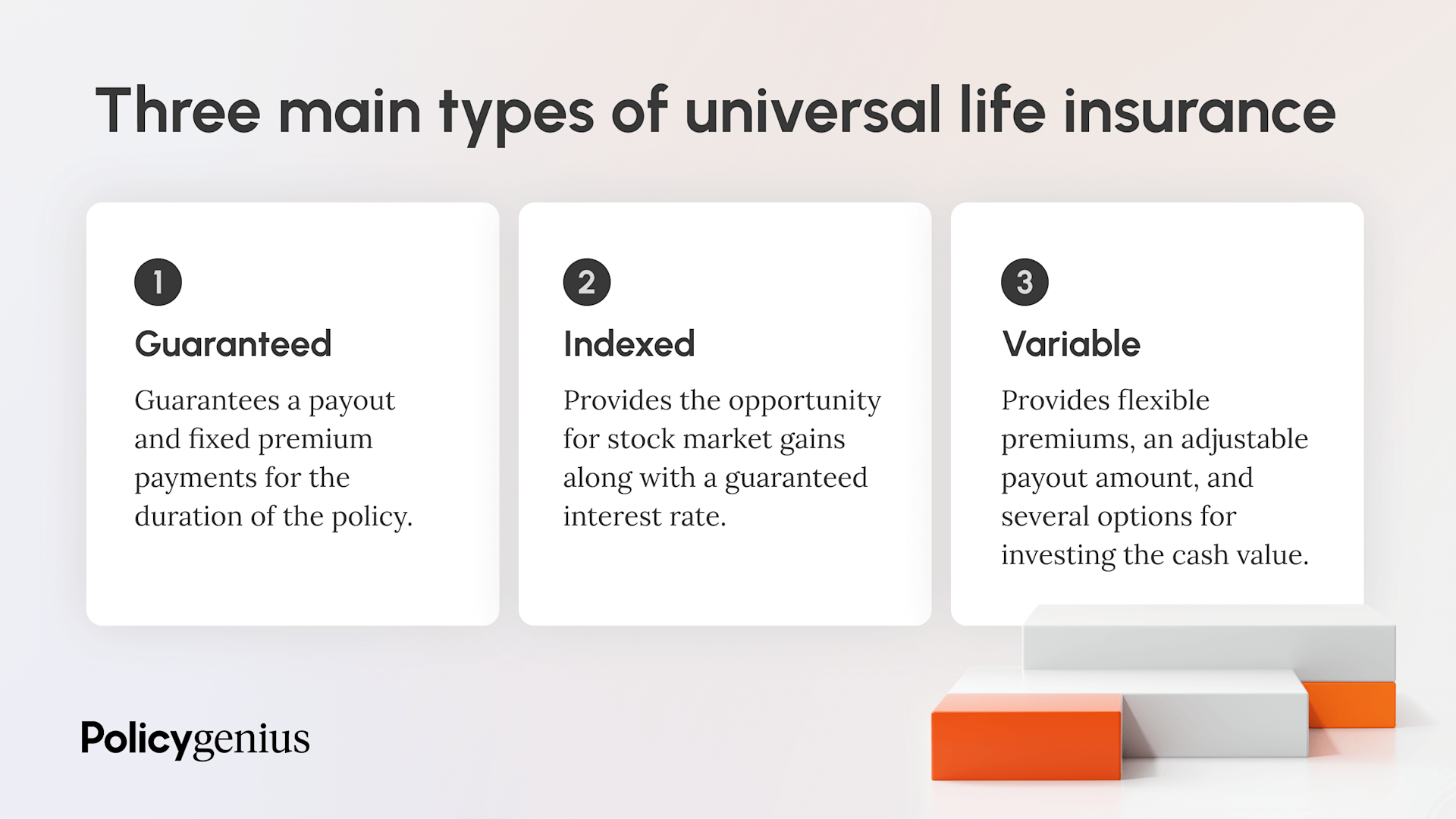
Adjustable universal life (AUL) insurance is a permanent life insurance product that combines a tax-advantaged cash value component with a flexible death benefit. Unlike whole life insurance, which features fixed premiums and guaranteed growth rates, AUL policies allow policyholders to adjust their premium payments and death benefit amounts within contractual limits, provided the cash value is sufficient to cover ongoing policy charges and administrative costs.
The cash value within an AUL policy earns interest based on the performance of an underlying financial index or a fixed-income account determined by the insurer. Because this cash value grows over time, it represents a substantial liquid asset. For high-net-worth individuals, business owners, and estate planners, this accumulated cash value is often viewed not just as a safety net for beneficiaries, but as a flexible financial instrument that can be pledged to secure external credit.
Understanding the mechanics of an AUL policy is essential before entering into any lending arrangement. The policy relies on continuous premium payments and investment earnings to pay the cost of insurance (COI) and administrative fees. If the cash value drops too low due to market downturns, excessive withdrawals, or unpaid loans, the policy risks entering a lapse status. When a policy is pledged as collateral, these underlying variables directly impact the security of the loan and the stability of the coverage.
The Mechanics of a Collateral Assignment
A collateral assignment is a legal transaction wherein the policyholder (the assignor) transfers a conditional, limited interest in their life insurance policy to a lender (the assignee) as security for a debt. This differs fundamentally from an absolute assignment, which permanently transfers all ownership rights, policy values, and tax liabilities to a new owner.
When an adjustable universal life policy is assigned as collateral, the policyholder retains core ownership rights—such as the ability to change beneficiaries or adjust the death benefit—subject to the restrictions outlined in the collateral assignment agreement. However, the lender secures primary rights to a specific portion of the policy's proceeds.
Rights Transferred to the Lender
- Death Benefit Claim: The lender holds the right to collect the outstanding loan balance directly from the death benefit before any remaining funds are distributed to the policy's named beneficiaries.
- Cash Surrender Value Control: The lender gains the authority to surrender the policy or access its cash value to satisfy the debt if the borrower defaults on the underlying loan.
- Notice of Default Protection: The insurance company is legally obligated to notify the lender if the policy is in danger of lapsing or if the policyholder attempts to execute unauthorized loans or withdrawals.
Rights Retained by the Policyholder
- Policy Management: The policyholder typically retains the right to make premium payments, choose investment sub-accounts, and request minor adjustments, provided these actions do not impair the lender's security interest.
- Beneficiary Designation: The policyholder can still name and modify beneficiaries, though beneficiary payouts remain subordinate to the lender's primary claim.
Reasons for Assigning an AUL Policy for Loans
Borrowers choose to assign an adjustable universal life insurance policy as collateral for several financial and strategic reasons. Chief among these is the ability to secure liquidity without triggering a taxable event.
If a policyholder were to withdraw cash value directly from an AUL policy, any amount withdrawn in excess of their cost basis (cumulative premiums paid) would be treated as taxable income under ordinary income tax rates. Furthermore, taking a policy loan directly from the insurer can also carry tax consequences if the policy lapses while a loan balance is outstanding. By utilizing a collateral assignment with an external financial institution—such as a commercial bank—the policyholder can obtain a line of credit or a term loan while keeping their cash value intact within the policy structure.
Common Borrowing Scenarios
- Business Liquidity: Entrepreneurs and business owners frequently use collateral assignments to secure commercial working capital loans or lines of credit without liquidating personal assets.
- Real Estate Financing: Real estate investors leverage policy cash values to acquire property or fund construction projects quickly when traditional bank underwriting would cause delays.
- Estate Planning and Wealth Transfer: High-net-worth individuals use third-party collateral assignments to fund irrevocable life insurance trusts (ILITs) or manage complex liquidity needs for estate taxes.
Step-by-Step Assignment Process
Executing a collateral assignment requires careful coordination between the policyholder, the issuing life insurance company, and the lending institution. Missing a step can delay loan approval or create legal vulnerabilities for the lender.
- Borrower applies for loan
- Lender and borrower draft collateral assignment form
- Insurance company reviews and records assignment
- Loan is funded against policy collateral
1. Loan Application and Underwriting
The borrower applies for a loan with a commercial bank or financial institution, offering the adjustable universal life insurance policy as the proposed collateral. The lender evaluates the policy's current cash surrender value, the financial stability of the insurance carrier, and the borrower’s creditworthiness.
2. Form Execution
The lender and the policyholder complete a standardized collateral assignment form—frequently provided by the insurance company to ensure compliance with its internal bylaws. This document specifies the exact loan amount, the legal names of all parties, and the policy contract number.
3. Submission to the Insurer
The executed assignment form is submitted to the insurance carrier's home office. The insurer reviews the paperwork to verify signatures, ensure no prior conflicting assignments exist, and confirm that the policy is active and in good standing.
4. Acknowledgment and Recording
Once verified, the insurance company records the collateral assignment in its official ledger and issues an acknowledgment letter to both the lender and the policyholder. This formal acknowledgment establishes the lender's priority interest in the policy.
Comparison of Financing Methods Using Life Insurance
Policyholders generally have two primary methods for accessing the value of a permanent life insurance policy: taking a direct policy loan from the insurance carrier or executing a collateral assignment with an external lender. Each approach carries distinct operational and financial characteristics.
| Feature | Direct Policy Loan from Insurer | Collateral Assignment to Third-Party Lender |
|---|---|---|
| Source of Funds | Issued directly from the insurance company's general account. | Funded by an external commercial bank or financial institution. |
| Underwriting Requirements | Minimal; no credit check or formal income verification required. | Rigorous; requires credit approval, financial statements, and asset verification. |
| Interest Rates | Variable or fixed rates determined by the insurance carrier. | Market-driven commercial interest rates (often tied to SOFR or prime rates). |
| Repayment Terms | Flexible; repayments are not strictly enforced as long as cash value remains positive. | Structured; requires fixed monthly, quarterly, or balloon principal and interest payments. |
| Tax Implications | Generally tax-free unless the policy lapses with an outstanding loan balance. | Generally tax-free as long as the loan proceeds are structured and used properly. |
Risks and Operational Limitations
While assigning an adjustable universal life policy as collateral provides valuable financial flexibility, it introduces significant risks that require ongoing management by both the borrower and the lender.
The Risk of Policy Lapse
Because adjustable universal life insurance policies rely on cash value to cover internal costs, any reduction in cash value can jeopardize the entire contract. If the policy's cash value drops too low—due to poor investment performance in the underlying accounts, increased insurance costs as the insured ages, or unpaid policy fees—the policy can enter a grace period and ultimately lapse. If an assigned policy lapses, the insurance contract terminates, the lender exercises its right to claim any remaining value, and the borrower may face a catastrophic tax liability as the IRS treats the extinguished loan balance as taxable income.
Lender Control and Interference
When a collateral assignment is active, the policyholder’s autonomy is restricted. The policyholder cannot take partial withdrawals, surrender the policy, or alter certain policy parameters without securing prior written consent from the lender. If the borrower experiences a financial shortfall, the lender has the legal authority to demand immediate loan repayment or surrender the policy to recover its funds.
Administrative Fees and Costs
Establishing and maintaining a collateral assignment involves administrative overhead. Insurance carriers frequently charge processing fees to record and release assignments. Furthermore, external commercial loans carry origination fees, legal documentation costs, and periodic interest payments that do not exist with direct internal policy loans.
Best Practices and Risk Mitigation
To protect their financial interests when assigning an adjustable universal life insurance policy as collateral, policyholders and financial planners should implement structured oversight measures.
- Maintain Adequate Cash Buffers: Ensure the AUL policy is funded well above the minimum required premium level. Maintaining a healthy cash value cushion protects the policy against market volatility and rising internal insurance costs.
- Monitor Policy Annual Statements: Review annual policy anniversary statements meticulously. Track the net cash surrender value, current interest crediting rates, and projected cost-of-insurance increases.
- Establish Clear Communication Channels: Maintain open dialogue between the insurance agent, the lending officer, and the policyholder's tax professional to ensure that any adjustments to the loan or policy are coordinated proactively.
- Plan for Contingency Repayments: Maintain alternative liquidity sources outside of the life insurance policy to service loan interest or make emergency premium payments if cash flow tightens unexpectedly.
Frequently Asked Questions
Can any life insurance policy be assigned as collateral?
No. Permanent life insurance policies that accumulate cash value—such as adjustable universal life, whole life, and variable universal life—can be assigned as collateral because they possess a cash surrender value. Term life insurance policies generally cannot be assigned as collateral because they do not build cash value and only pay out upon the insured's death.
Does a collateral assignment change who receives the death benefit?
The primary beneficiary designation remains intact, but the lender's claim takes legal precedence. Upon the death of the insured, the insurance company pays the lender first to satisfy the outstanding loan balance. Any remaining death benefit proceeds are then distributed to the policy's named beneficiaries.
What happens to the collateral assignment when the loan is fully repaid?
Once the underlying loan is completely paid off, the lender executes a formal release of collateral assignment form and submits it to the life insurance company. The insurer then removes the lien from its records, restoring full, unrestricted control of the policy to the policyholder.
Are loan proceeds from a collateral assignment taxable?
Generally, loan proceeds received from a commercial lender via a collateral assignment are not considered taxable income, because loans represent borrowed funds that must be repaid. However, borrowers should consult a qualified tax professional to review their specific transaction structure and ensure compliance with current tax regulations.
Can the lender force the surrender of my AUL policy at any time?
The lender can only force the surrender of the policy if the borrower defaults on the loan terms—such as failing to make scheduled interest payments—or if the policy is actively approaching a lapse due to insufficient cash value, threatening the security of the lender's loan. The lender must provide proper contractual notice before taking such action.
Conclusion and Next Actions
Assigning an adjustable universal life insurance policy as collateral is a sophisticated financial strategy that bridges permanent life insurance and commercial lending. It enables policyholders to unlock trapped cash value without triggering immediate tax consequences, supporting business ventures, real estate acquisitions, or estate planning goals. However, the dual vulnerabilities of market performance and policy lapse risks demand rigorous oversight. Policyholders considering this path should consult independent financial advisors, tax specialists, and legal counsel to evaluate policy health, review lending terms, and establish robust safety margins before executing a collateral assignment agreement.