Assisted living facilities usually employ nurses to oversee resident health assessments, coordinate daily care plans, and manage medication administration, though the exact licensing level and round-the-clock presence vary significantly by state regulations and facility size. While some residences maintain a 24-hour nursing staff, others employ nurses only during daytime operating hours, relying instead on certified nursing assistants for routine, non-medical daily living support.
Navigating the senior care landscape requires a clear understanding of how facilities staff their medical departments. Families often assume that every residential care setting operates like a hospital or a skilled nursing facility, staffed with registered nurses around the clock. However, assisted living sits at a distinct crossroads between independent living and heavy medical care. Examining how staffing models operate helps prospective residents and their families select environments that appropriately match their clinical needs, regulatory standards, and budget constraints.
The Core Operational Model of Assisted Living Facilities
To understand why and how assisted living facilities employ nurses, it is essential to define the operational scope of these communities. Assisted living is designed for older adults who require help with activities of daily living—such as bathing, dressing, eating, and mobility—but do not need the intensive, round-the-clock skilled nursing care provided in traditional nursing homes.
Because the primary emphasis is on maintaining a home-like environment that fosters independence, the staffing structure reflects a blend of hospitality, personal care, and intermittent clinical oversight. Rather than acting as mini-hospitals, these communities function as residential neighborhoods where support services are brought directly to the resident. Consequently, staffing ratios and professional credentials are structured to support safety, chronic condition management, and wellness checks rather than acute medical interventions.
Distinguishing Assisted Living from Skilled Nursing
A common point of confusion for families is the regulatory and functional difference between assisted living facilities (ALFs) and skilled nursing facilities (SNFs), frequently called nursing homes. This distinction directly dictates how and when nurses are deployed.
- Skilled Nursing Facilities (SNFs): Governed by strict federal regulations under Medicare and Medicaid, SNFs are required to have a Registered Nurse (RN) on duty 24 hours a day, 7 days a week, with a licensed physician directing patient care. They manage patients recovering from major surgeries, those requiring complex wound care, ventilators, or intravenous therapies.
- Assisted Living Facilities (ALFs): Governed primarily by state-level departments of health or social services rather than federal mandates, ALFs focus on personal assistance. While they routinely employ licensed nurses, the mandatory presence of an RN around the clock is rarely required by state law, provided the facility's resident population consists of individuals whose health is relatively stable.
Nursing Roles and Credentials in Assisted Living
When assisted living facilities employ nurses, they typically utilize a combination of Registered Nurses (RNs) and Licensed Practical Nurses or Licensed Vocational Nurses (LPNs/LVNs). Each credential carries distinct responsibilities, training requirements, and scope of practice limitations that shape the day-to-day medical capabilities of the facility.
Registered Nurses (RNs)
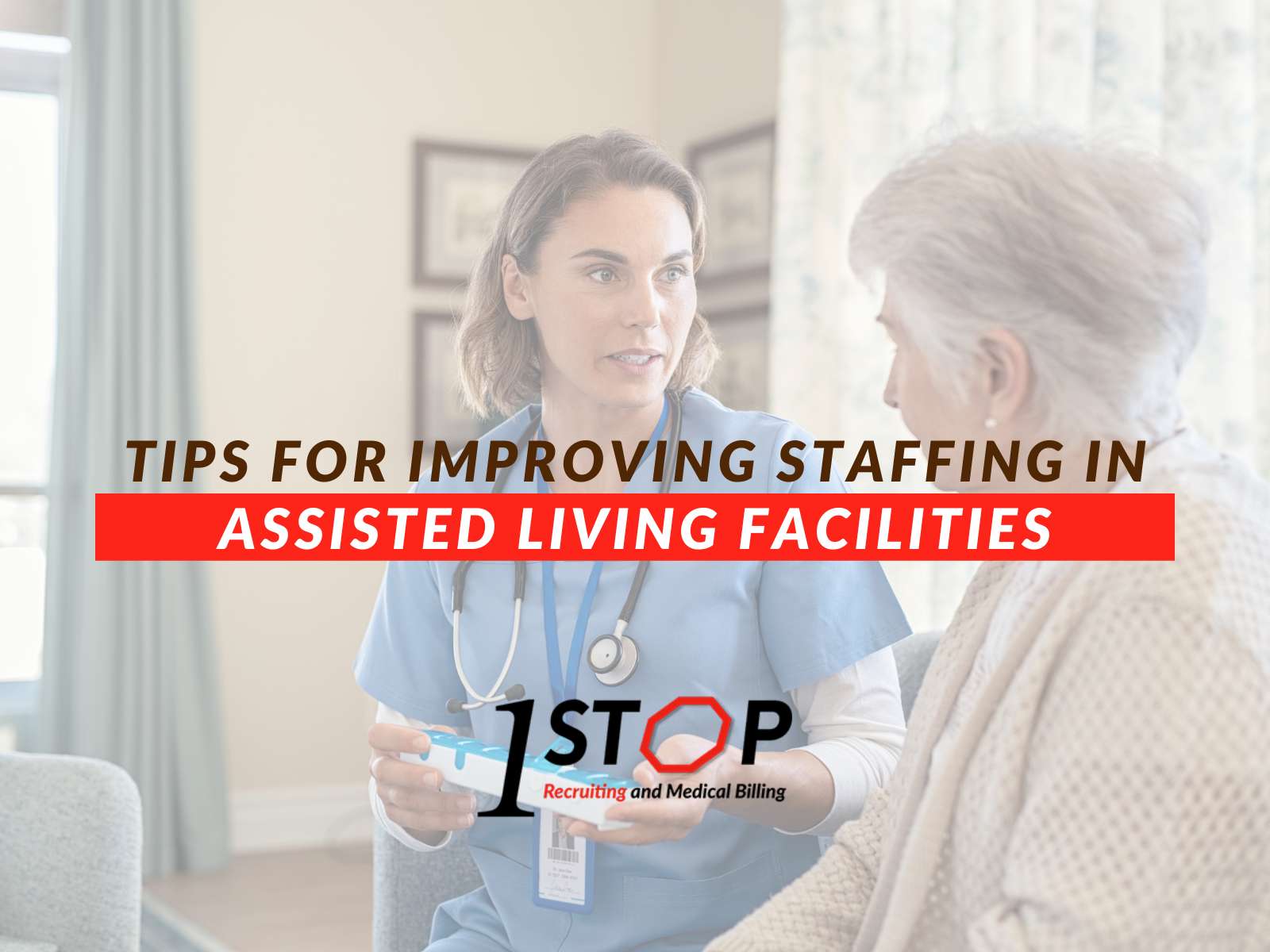
Registered Nurses in assisted living environments typically occupy administrative, supervisory, or clinical coordinator roles. An RN is usually hired as the Director of Nursing (DON) or Wellness Director. In this capacity, the RN does not necessarily pass out pills or assist with morning hygiene. Instead, their responsibilities include:
- Conducting comprehensive initial health assessments when a new resident moves in.
- Developing and periodically updating individualized service plans in collaboration with physicians, families, and facility administrators.
- Training, supervising, and evaluating care staff, medication technicians, and lower-tier nursing personnel.
- Monitoring regulatory compliance and coordinating with external healthcare providers, such as physical therapists, hospice agencies, and home health providers.
Licensed Practical Nurses (LPNs) and Licensed Vocational Nurses (LVNs)
LPNs and LVNs operate under the supervision of RNs or physicians. In assisted living settings, LPNs and LVNs frequently handle direct clinical tasks. Their duties often bridge the gap between high-level management and hands-on personal care:
- Administering medications, injections, and treatments prescribed by physicians.
- Monitoring vital signs and charting changes in a resident's physical or cognitive status.
- Assisting with minor wound care and managing routine medical supplies.
- Communicating immediate health concerns to the Wellness Director or the resident’s primary physician.
Certified Nursing Assistants (CNAs) vs. Med Techs
It is vital to distinguish licensed nurses (RNs, LPNs) from Certified Nursing Assistants (CNAs) and Medication Technicians (Med Techs), who make up the vast majority of daily staffing in assisted living facilities. While CNAs and Med Techs receive specialized training and state certification, they are not nurses. They provide hands-on help with bathing, transferring, and eating, and in many states, they administer routine, pre-sorted medications under the indirect supervision of a licensed nurse.
Regulatory Frameworks and State Variations
There is no single federal standard governing nurse staffing levels in assisted living. Because licensing is handled entirely at the state level, the requirements fluctuate wildly depending on where a facility operates.
Some progressive states mandate that an LPN or RN be on-site during all waking hours, or that a licensed nurse be reachable by phone 24/7 with the ability to arrive on-site within a specified window during emergencies. Other states have minimal mandates, requiring only that a nurse perform initial assessments and periodic reviews, while allowing unlicensed or certified personnel to run the facility overnight under established protocols.
| State Regulatory Aspect | Typical Low-Regulation Model | Typical High-Regulation Model |
|---|---|---|
| 24/7 Nurse Presence | Not required; on-call system acceptable overnight. | Required on-site or immediately available for urgent clinical needs. |
| Initial Assessments | Must be performed by an RN or qualified assessor prior to move-in. | Must be performed exclusively by an RN within strict timeframes. |
| Medication Administration | Can be delegated to trained Med Techs with periodic nurse checks. | Must be overseen directly or performed exclusively by licensed nurses in certain tiers of care. |
| Staff-to-Resident Ratios | Varies widely based on building occupancy and general care needs. | Specific minimum ratios mandated based on resident acuity levels. |
Reviewing the specific licensing reports and state department of health records for a chosen facility is a critical step for families during the touring process. Asking direct questions about how the facility complies with state nursing mandates prevents unpleasant surprises if a resident's care needs escalate.
24-Hour Coverage vs. On-Call Nursing Models
Understanding how round-the-clock care operates helps families gauge whether a particular assisted living facility can manage an aging resident safely over time.
The Daytime Staffing Peak
During standard business hours (typically Monday through Friday, 8:00 AM to 5:00 PM), assisted living communities are heavily staffed with administrative, clinical, and dietary personnel. This is when Wellness Directors, case managers, and RN supervisors are routinely on-site to handle care plan reviews, family conferences, physician visits, and staff coordination.
Overnight and Weekend Operations
As evening approaches and shifts change, the professional nursing presence often scales down. In many mid-sized and smaller assisted living facilities, the overnight staff consists of caregiving personnel and Med Techs, while an RN or LPN remains "on-call" via telephone.
If a resident experiences an urgent medical event during the night, the on-duty staff evaluates the situation, contacts the on-call nurse for guidance, and—if necessary—calls emergency services (911) or transports the resident to a hospital. Families must verify whether an on-call nurse is physically local or located remotely, as response times can impact emergency outcomes.
Why Assisted Living Facilities Sometimes Transition Residents Out
Because assisted living facilities usually employ nurses primarily for wellness management and intermittent care rather than intensive medical interventions, there are hard operational limits to what these communities can handle. When a resident's clinical needs exceed the legal scope of practice for an assisted living license, the facility may issue a discharge or transfer notice.
Common scenarios that require a transition out of assisted living include:
- Need for 24-Hour Skilled Nursing: If a resident develops conditions requiring continuous monitoring by a licensed nurse, IV therapy, or complex daily wound staging that exceeds state ALF limits.
- Severe Mobility Decline: When a resident becomes completely bedbound and cannot be safely transferred by standard assisted living staffing ratios.
- Advanced Cognitive Impairment: While many facilities feature dedicated memory care units with specialized, secure staffing, standard assisted living wings may lack the secure environment and specialized dementia training required for advanced wandering behaviors.
Frequently Asked Questions
Do assisted living facilities have doctors on staff?
No. Assisted living facilities do not typically employ full-time resident physicians. Residents retain their own primary care physicians and specialists. However, many facilities coordinate with visiting mobile medical groups, podiatrists, physical therapists, and geriatric physicians who hold regular clinic hours on-site for resident convenience.
Can nurses in assisted living administer all medications?
Yes, licensed nurses (RNs and LPNs) are fully authorized to administer prescription medications, manage injections, and handle controlled substances according to physician orders. In many states, trained medication technicians can also dispense routine oral and topical medications under nurse supervision.
What happens if a resident falls or has a medical emergency at night?
On-duty care staff or medication technicians evaluate the resident, follow established emergency protocols, and immediately contact the facility's on-call nurse supervisor. Depending on the severity of the incident, 911 is called, and family members are notified promptly.
Is memory care staffed differently than standard assisted living?
Yes. Dedicated memory care units within assisted living facilities generally feature higher staff-to-resident ratios, specialized dementia training for all workers, secured entry and exit points, and closer clinical oversight by nursing personnel to address safety and behavioral challenges.
How can I verify a facility’s nursing staff credentials?
Families can request a facility's staffing breakdown directly from the administrator during a tour. Additionally, state department of health licensing databases publicize inspection reports, compliance violations, and staffing complaints, providing an objective view of how a facility maintains its workforce.
Practical Next Steps for Families
When evaluating assisted living options, do not rely on generalized assumptions about medical staffing. Schedule tours with specific questions ready: ask to see the nursing schedule for weekdays versus weekends and nights, inquire about the exact credentials of the Wellness Director, and clarify the protocol for handling midnight medical incidents. Matching a senior's current and projected health trajectory with the actual capabilities of the facility's nursing staff ensures a safe, comfortable, and sustainable living arrangement.