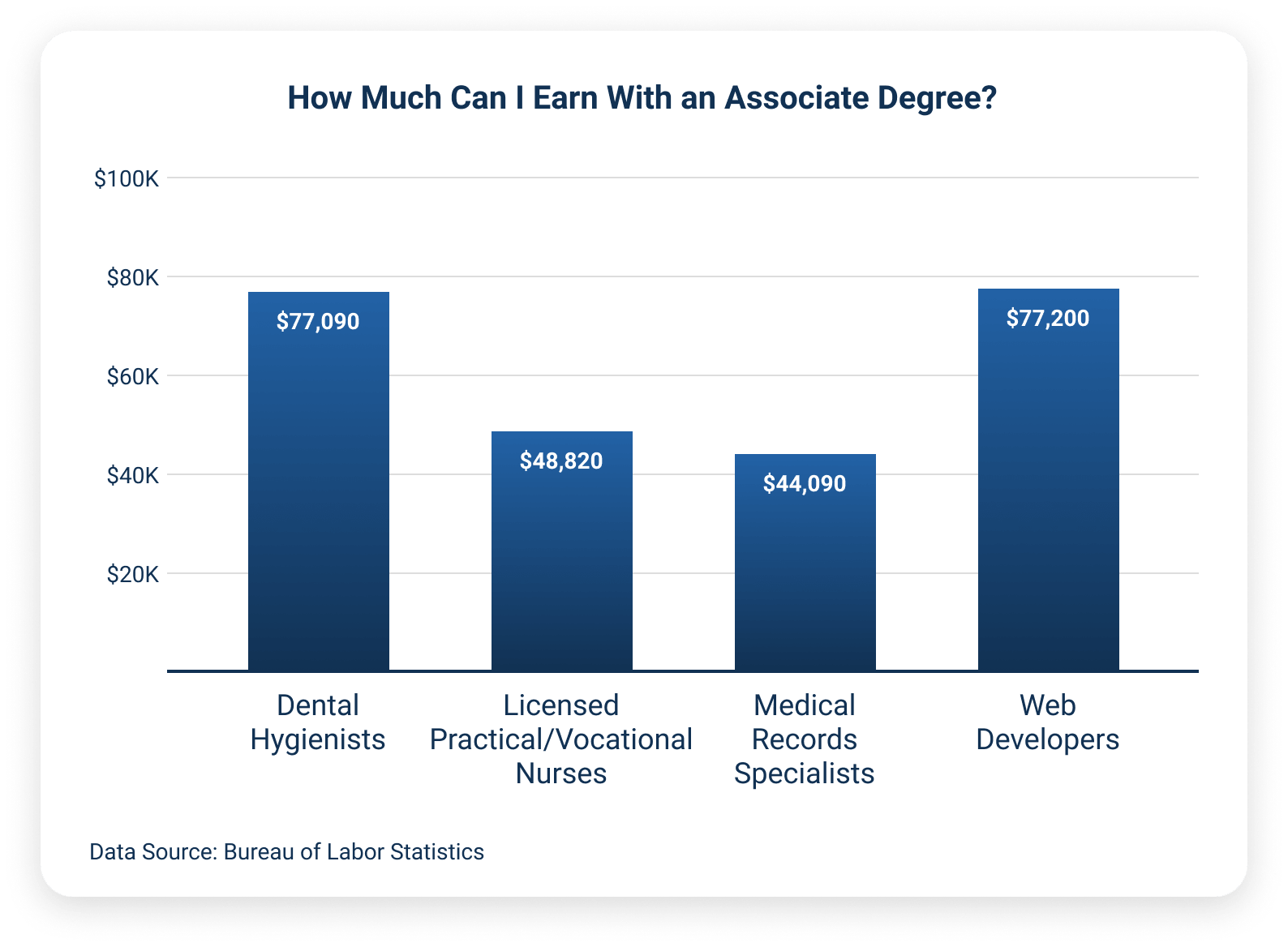
An associate degree in dental hygiene is typically a two-to-three-year program offered by community colleges and technical schools that prepares graduates to become licensed dental hygienists. These programs combine rigorous classroom instruction, laboratory simulation, and extensive clinical practice to teach preventive oral care, periodontal therapy, and patient education.
Understanding the Role of Associate Degree Dental Hygienist Schools
Associate degree dental hygienist schools form the foundational backbone of the dental hygiene workforce. While bachelor's and master's degree programs exist in the field, the Associate of Science (AS) or Associate of Applied Science (AAS) in Dental Hygiene remains the most common educational pathway for entry-level practitioners. These programs are meticulously structured to bridge foundational biomedical sciences with hands-on clinical competencies, allowing students to enter the workforce efficiently without compromising on educational rigor.
The primary objective of these institutions is to prepare graduates for successful licensure examinations. Dental hygienists operate as licensed oral healthcare professionals who work alongside dentists to examine patients for signs of oral diseases, clean teeth, provide preventive education, and perform various clinical procedures prescribed by state dental boards. Because the scope of practice directly impacts public health, dental hygiene programs are held to strict educational standards established by accrediting bodies.
Accreditation and Program Standards
When evaluating associate degree dental hygienist schools, program accreditation is the single most critical factor to verify. In the United States, educational programs in this field are accredited by the Commission on Dental Accreditation (CODA), a specialized accrediting body recognized by the United States Department of Education.
Attending a CODA-accredited institution is mandatory in almost every jurisdiction for individuals wishing to sit for the National Board Dental Hygiene Examination (NBDHE) and regional clinical board exams. Non-accredited programs generally do not qualify graduates for state licensure, rendering the education legally ineffective for professional practice. Prospective students must review the CODA directory or verify institutional status directly through the school's administrative office. Accreditation guarantees that the curriculum meets rigorous benchmarks regarding faculty qualifications, student-to-faculty ratios in the clinic, infection control protocols, and modern equipment availability.
Admissions Prerequisites and Competitive Selection
Securing admission into an associate degree dental hygienist program requires navigating a competitive selection process. Unlike open-enrollment community college courses, dental hygiene programs typically operate on a selective admissions basis due to limited clinical seating capacity.
Academic Prerequisites
Before applying to the core professional phase of a dental hygiene program, students must complete a series of prerequisite general education and science courses. These requirements ensure that students possess the foundational scientific knowledge necessary to understand advanced coursework in pharmacology, oral pathology, and dental anatomy. Common prerequisites include:
- Human Anatomy and Physiology (with laboratory components)
- Microbiology (with laboratory components)
- General or Organic Chemistry
- English Composition or Public Speaking
- General Psychology or Sociology
- Statistics or College Algebra
Selection Metrics and Additional Requirements
Because applicant pools often exceed available seats, schools utilize various metrics to rank candidates. Admissions committees commonly evaluate cumulative prerequisite GPA, science GPA, and scores on standardized health profession admissions exams, such as the Health Education Systems, Inc. (HESI) Admission Assessment.
Furthermore, accepted applicants must clear several administrative hurdles prior to their first clinical rotation. These mandatory clearances typically encompass:
- Comprehensive background checks and drug screenings (required by clinical affiliate sites).
- Proof of immunizations, including hepatitis B, MMR, varicella, tetanus, and annual influenza vaccinations.
- Negative tuberculosis (TB) skin tests or chest radiographs.
- Current certification in American Heart Association Basic Life Support (BLS) for Healthcare Providers.
Curriculum Structure and Clinical Training
The curriculum of an associate degree dental hygiene program is intensive, demanding a high level of time management and dedication. Programs generally span four to five semesters, integrating didactic (classroom) learning with rigorous clinical application.
Didactic and Laboratory Phases
The early portion of the program focuses heavily on the biomedical and dental sciences. Students study head and neck anatomy, dental histology, radiology, pharmacology, and general pathology. Concurrently, students enter pre-clinical simulation laboratories where they learn instrument ergonomics, calculus removal techniques using hand scalers and ultrasonic devices, and patient assessment procedures on mannequin heads.
Clinical Internships and Patient Care
Once students demonstrate fundamental competency in the simulation lab, they transition to live patient care within the school’s on-site dental clinic. Under the direct supervision of licensed dental hygienists and dentists, students provide comprehensive preventive and therapeutic services to members of the local community. Clinical requirements demand a specific number of completed patient cases, radiographic exposures, nutritional counseling sessions, and periodontal evaluations to ensure well-rounded competency before graduation.
| Program Phase | Primary Focus | Typical Setting | Key Deliverables |
|---|---|---|---|
| Prerequisites | Foundational sciences & general education | Traditional classrooms / online | General GPA, science GPA |
| Didactic & Pre-Clinical | Theory, anatomy, instrument handling | Lecture halls & simulation labs | Practical exams, written tests |
| Clinical Internship | Direct patient care & preventive services | On-site dental hygiene clinic | Completed patient case quotas |
| Board Preparation | Comprehensive review & mock exams | Specialized seminars | Passing NBDHE and clinical exams |
Financial Considerations and Investment
Investing in an associate degree dental hygiene program involves careful financial planning. Because these programs are frequently hosted within community or technical colleges, tuition rates are often substantially lower than those of four-year universities or private vocational institutes, particularly for in-state residents.
However, the total cost of attendance extends beyond standard per-credit tuition fees. Dental hygiene students face unique out-of-pocket expenses required for specialized equipment and professional preparation. Mandatory supply costs commonly include:
- Professional instrument kits (scalers, mirrors, explorers, and specialized sharpening stones).
- Personal protective equipment (PPE), clinical uniforms, and closed-toe professional footwear.
- Radiology badges, textbooks, and software access licenses.
- Licensure examination fees, including the NBDHE and regional clinical testing boards (such as CDCA-WREB-CITA).
Students should consult financial aid offices early to explore federal Pell Grants, institutional scholarships, work-study opportunities, and healthcare workforce development grants that frequently support allied health students.
Licensure and Certification Pathways
Graduating from an associate degree dental hygienist school is a major milestone, but it is not the final step toward practicing professionally. Graduates must successfully clear a multi-tier licensure process regulated by state dental boards.
National Board Dental Hygiene Examination (NBDHE)
The NBDHE is a comprehensive computer-based examination administered by the Joint Commission on National Dental Examinations (JCNDE). It tests a candidate's knowledge of scientific principles, provision of clinical dental hygiene services, and community dental health concepts. Passing the NBDHE is a universal prerequisite for licensure across all U.S. states.
Clinical Board Examinations
In addition to the written national board, candidates must pass a hands-on clinical examination administered by a regional testing agency or an approved state board. These examinations evaluate the candidate's clinical competency on a live patient or via standardized simulation models, assessing plaque removal, tissue management, and diagnostic skills.
Jurisprudence Exams and State Licensure Applications
Most state boards require candidates to pass a jurisprudence examination covering state-specific dental practice acts, laws, and ethical regulations. Once all examination results are verified, graduates submit their formal licensure application along with background check credentials to the state board of dentistry to receive their registered dental hygienist (RDH) license.
Frequently Asked Questions
How long does it take to complete an associate degree in dental hygiene?
Most associate degree dental hygiene programs require two years (four semesters) of full-time study, preceded by one year of prerequisite coursework. Consequently, the entire educational pathway from initial college entry to graduation generally spans approximately three calendar years.
Can I transfer credits from an associate degree dental hygiene program to a bachelor's degree later?
Many credits earned in an associate degree program transfer to universities offering degree-completion programs, such as a Bachelor of Science in Dental Hygiene (BSDHY). However, because technical clinical courses are specialized, transfer policies vary significantly between institutions. Students interested in advanced education should verify articulation agreements between their community college and four-year universities.
Are online classes available for dental hygiene programs?
While certain foundational prerequisites and didactic lecture courses may be offered in online or hybrid formats, dental hygiene is inherently a hands-on healthcare profession. Clinical training, radiology labs, and patient care hours cannot be completed online and require mandatory, in-person attendance at campus facilities and clinical sites.
What is the difference between an associate degree and a bachelor's degree in dental hygiene?
An associate degree focuses directly on the clinical, technical, and foundational competencies required for entry-level licensure and daily practice. A bachelor's degree typically includes additional coursework in healthcare administration, research methodology, public health policy, and education, preparing graduates for leadership, teaching, sales, or public health roles. Both degrees qualify graduates to sit for the same licensure examinations.
What job duties can a licensed dental hygienist perform?
Licensed dental hygienists perform oral health assessments, screen for oral pathologies such as oral cancer, take and process dental radiographs, remove hard and soft deposits (calculus and plaque) from teeth, apply preventive agents like sealants and fluorides, and provide individualized oral hygiene instruction to patients.
Next Steps and Professional Action Plan
Prospective students aiming to enter the field should begin by identifying CODA-accredited associate degree dental hygienist schools in their region. Review institutional websites to confirm prerequisite course checklists, application deadlines, and information session schedules. Meeting with an academic advisor early ensures that all science requirements are completed with competitive grades, positioning applicants strongly for acceptance into this rewarding healthcare profession.