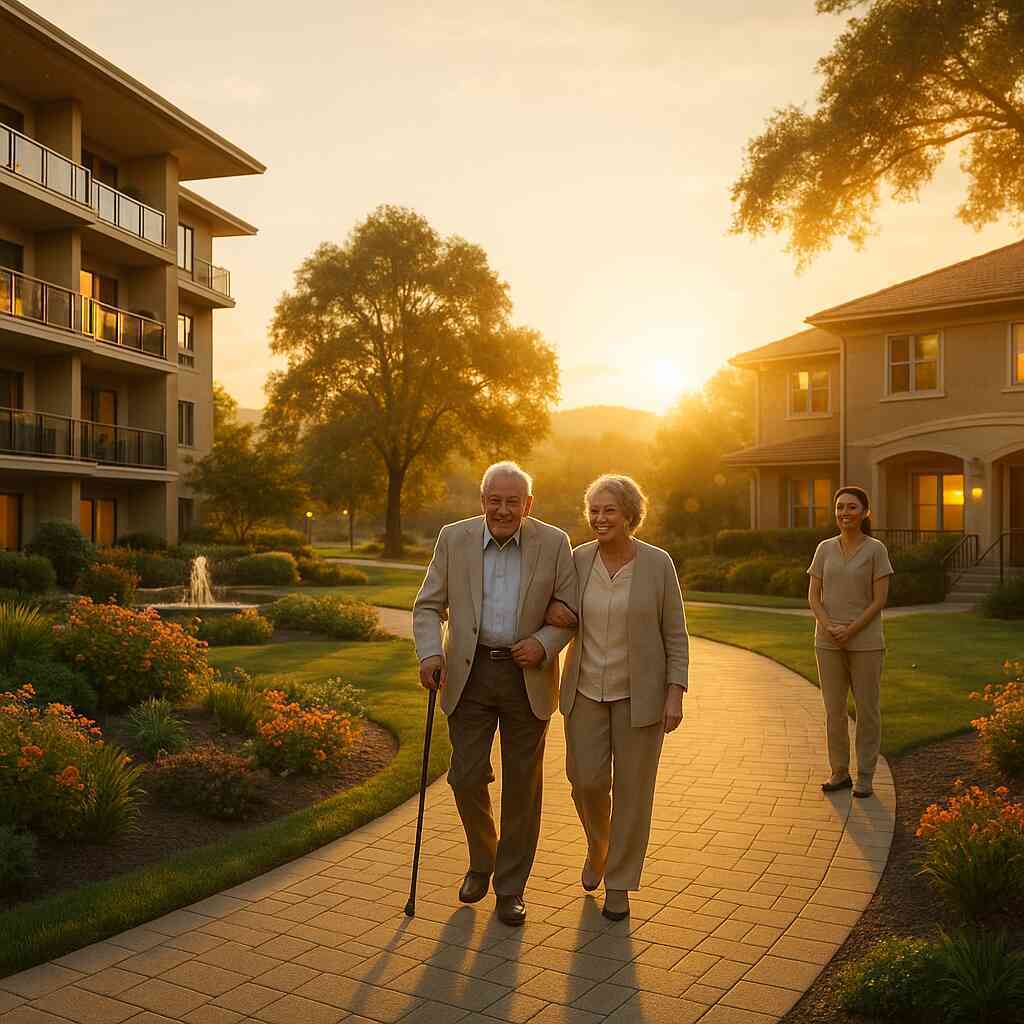
Navigating senior housing options in Ahwatukee, an urban village in Phoenix, Arizona, involves evaluating specific care levels, licensure types, and financial considerations. Monthly expenses for assisted living in this desert community generally range from $3,500 to $6,000, depending on floor plans and personal care tiers, while alternative settings like residential care homes offer intimate environments often starting around $3,000. Selecting the right facility requires balancing clinical capabilities, amenities, geographic preferences within the 85044 and 85048 zip codes, and comprehensive financial planning.
Understanding the Ahwatukee Senior Living Landscape
Ahwatukee Foothills is geographically unique, bordered by South Mountain Park to the north, the Gila River Indian Community to the south, and Interstate 10 to the east. This distinct isolation gives the neighborhood a quiet, suburban feel while remaining within the Phoenix metropolitan area. For families researching senior care, this means access to major medical networks—such as Banner Health and Dignity Health—alongside localized neighborhood care communities.
When evaluating options, families often confuse independent living, assisted living, and memory care. Independent living facilities are designed for active seniors who require no daily personal care assistance but desire a maintenance-free community environment. Assisted living steps in when residents need help with Activities of Daily Living (ADLs), such as medication management, bathing, dressing, and mobility support. For seniors with Alzheimer's disease or other forms of dementia, specialized memory care units provide secure environments with structured, cognitive-supportive programming.
Types of Facilities Available in Ahwatukee
The local senior housing market broadly divides into two primary structural categories:
- Large Commercial Assisted Living Communities: These properties typically feature apartment-style living (studios, one-bedroom, and two-bedroom units) with centralized dining rooms, sprawling activity calendars, fitness centers, and tiered care staff on-site 24/7. They suit seniors who value a vibrant social calendar and diverse on-site amenities.
- Residential Care Homes (Board and Care Homes): Usually housed in converted single-family residential properties within quiet Ahwatukee neighborhoods, these homes accommodate a smaller group of residents (typically 5 to 10). They offer a high caregiver-to-resident ratio, home-cooked meals, and a familiar residential atmosphere, making them ideal for seniors who find large facilities overwhelming.
Licensing and Regulatory Standards in Arizona
Before touring facilities, families must understand how senior housing is regulated in Arizona. The Arizona Department of Health Services (ADHS) Division of Licensing Services governs health care institutions, including assisted living facilities and residential care homes.
Unlike some states that license assisted living under a single blanket rule, Arizona categorizes assisted living facilities by the scope of care they are legally permitted to deliver based on three distinct service levels:
- Supervisory Care Services: Provided to residents who generally require assistance with activities of daily living due to physical or mental impairment, but who do not require continuous medical nursing supervision.
- Personal Care Services: Includes assistance with ADLs, ongoing direction, and regular observation by care staff to monitor health status.
- Directed Care Services: Designed for residents who, due to cognitive or physical impairment, are incapable of recognizing danger, self-directing, or managing their own care needs. This tier covers locked memory care units.
Furthermore, facilities may hold different operational types regarding medical care:
- Assisted Living Centers: Facilities that provide resident rooms or apartments for 11 or more older adults.
- Assisted Living Homes: Residential dwellings that provide care for 10 or fewer residents.
Families should request a facility's ADHS license verification and check the public database for any historical deficiency reports, substantiated complaints, or corrective action plans issued within the past three years.
Cost Breakdown of Assisted Living in Ahwatukee AZ
Financial planning is often the most stressful component of transitioning a loved one into senior housing. Understanding how communities structure their billing prevents unexpected financial strain.
Monthly Rent and Base Fees
In the Ahwatukee and broader Phoenix market, base monthly rent for assisted living typically covers room occupancy, utilities (excluding personal phone or specialized internet), basic maintenance, housekeeping, linen services, and standard community activities.
- Base Rate Range: $3,500 to $5,500 per month for a standard studio or one-bedroom apartment in a larger community.
- Residential Care Home Range: $3,000 to $4,800 per month, often inclusive of all baseline care services due to the streamlined operational model.
Community Fees and Non-Recurring Costs
Most facilities charge a one-time, non-refundable community fee (sometimes called an assessment or admission fee) upon move-in. This fee typically ranges from $1,500 to $3,500 and covers apartment refurbishment, administrative onboarding, and initial nursing assessments.
Care Tier Pricing Models
Base rent rarely includes the actual cost of personal care. Instead, facilities use a tier-based assessment system or an ala carte point system.
- Tiered System: The resident is evaluated by a registered nurse and placed into a specific care tier (e.g., Tier 1 through Tier 4) based on the volume of assistance needed with medications, bathing, and transfers. Each tier adds a fixed monthly charge to the base rent, ranging from $500 to $2,500+ per month.
- Ala Carte System: Families pay an itemized fee for specific services (e.g., $5 per medication administration, $15 per assisted shower).
| Care & Housing Type | Average Monthly Cost Range | Typical Inclusions | Common Additional Fees |
|---|---|---|---|
| Independent Living | $2,500 – $4,200 | Rent, utilities, dining plans, activities, transport | Community fee, garage parking |
| Assisted Living Apartment | $3,500 – $6,000 | Base rent + utility package + basic housekeeping | Community fee, tiered care add-ons |
| Residential Care Home | $3,000 – $5,000 | All-inclusive room, board, and standard care | Medication management fees (if separate) |
| Memory Care Unit | $5,500 – $8,000+ | Secure environment, specialized programming, high staffing | Specialized assessment, higher care tiers |
Financial Assistance and Funding Options
Because Medicare does not cover long-term custodial care in an assisted living setting, families must utilize private funds or specific assistance programs.
Veterans Benefits (VA Aid and Attendance)
For wartime veterans and surviving spouses who require assistance with activities of daily living, the VA Aid and Attendance pension can significantly offset assisted living costs. As of current guidelines, eligible applicants can receive a tax-free monthly monetary allowance added to their standard VA pension. Applicants must meet specific service, medical, and financial asset criteria.
Arizona Long Term Care System (ALTCS)
ALTCS is Arizona's Medicaid program designed to pay for long-term medical and supportive services for individuals who are financially and medically eligible. While ALTCS covers nursing home care and certain home- and community-based services, placement availability in assisted living facilities via ALTCS contracted beds can be limited. Families must apply through the Arizona Health Care Cost Containment System (AHCCCS) and meet strict income and asset caps.
Private Pay Strategies
- Long-Term Care Insurance (LTC): Policies purchased years prior often cover assisted living costs, provided the policyholder requires assistance with a specified number of ADLs and the facility meets the insurer's licensing criteria.
- Bridge Loans: Short-term loans utilized to cover move-in costs and monthly expenses while waiting for real estate to sell or long-term benefits to process.
- Life Settlements: Selling a life insurance policy for an immediate cash payout to fund senior care.
Evaluating and Touring Ahwatukee Facilities: A Practical Checklist
When touring assisted living options in Ahwatukee, moving past the marketing materials requires asking targeted operational and clinical questions.
- Staffing Ratios: Ask for the exact daytime and nighttime caregiver-to-resident ratios. Inquire about staff turnover rates and whether licensed nurses (RNs or LPNs) are on-site 24/7 or only on-call.
- Medication Management Protocol: Verify how medications are ordered, stored, and administered. Clarify whether nurses manage medications or if trained med-techs handle them under nurse supervision.
- Dining Flexibility: Sample a meal if possible. Review how the kitchen handles specialized dietary restrictions (e.g., diabetic, low sodium, pureed diets) and whether residents can eat outside designated dining windows.
- Emergency Response Systems: Inspect the call-bell or pendant systems in apartments and bathrooms. Ask about average response times during peak hours.
- Aging in Place Limits: Ask directly: "Under what clinical or behavioral conditions would my loved one be asked to move out?" Understanding discharge criteria prevents sudden, stressful relocations later.
Common Mistakes to Avoid When Choosing Senior Living
Navigating the senior care market for the first time exposes families to several common pitfalls:
- Focusing Solely on Aesthetics: While a grand lobby, resort-style swimming pools, and modern interior design are appealing, they do not dictate the quality of care. Prioritize the stability and compassion of the caregiving staff over physical luxuries.
- Failing to Read the Fine Print on Fee Increases: Many facilities institute annual rent increases (typically 3% to 7%) or reserve the right to re-assess care tiers unexpectedly. Review historical rate hikes in the contract before signing.
- Delaying the Search Until a Crisis Occurs: Waiting until a hospital discharge or a dangerous fall forces an emergency placement limits choices to whatever bed is immediately available, preventing thorough research and financial planning.
- Ignoring Location Convenience: Choosing a facility deep in Ahwatukee because of a lower price point may backfire if family members live in North Scottsdale or downtown Phoenix, making regular visits difficult and isolating the senior.
Frequently Asked Questions
Does Medicare pay for assisted living in Ahwatukee, AZ?
No. Medicare does not cover long-term custodial or personal care provided in assisted living facilities. Medicare covers short-term skilled nursing care, home health care, and rehabilitative services under strict conditions, but routine room, board, and ADL assistance are considered private-pay responsibilities.
What is the difference between assisted living and a nursing home?
Assisted living is designed for seniors who need help with daily living activities (bathing, dressing, medication management) while maintaining a degree of independence. Nursing homes (skilled nursing facilities) provide round-the-clock clinical medical care, heavy nursing interventions, and rehabilitation services for individuals with complex, unstable medical conditions.
Can a resident "age in place" if their care needs increase?
It depends on the facility's specific ADHS license type and policies. Facilities licensed for Directed Care can handle advanced cognitive decline. However, if a resident develops acute medical needs requiring continuous skilled nursing oversight, they may eventually require a transfer to a skilled nursing facility or hospice integration.
How are care tiers assessed, and can they change?
Care tiers are determined by an initial clinical assessment conducted by the facility's director of nursing prior to move-in. Most facilities re-evaluate residents every six months or following any significant change in health status. If a resident requires more frequent assistance, their care tier—and corresponding monthly fee—will increase.
What steps should I take if I suspect substandard care in an Ahwatukee facility?
If you observe safety violations or neglect, you should first discuss your concerns with the facility executive director or director of nursing. If unresolved, you can file a formal complaint with the Arizona Department of Health Services (ADHS) Division of Licensing Services or contact the Arizona Long-Term Care Ombudsman program for advocacy support.
Next Steps and Professional Guidance
Initiating the search for assisted living in Ahwatukee requires open communication with your aging loved one, a clear assessment of monthly financial resources, and in-person tours of at least three distinct properties. Consider consulting a professional senior living advisor or a geriatric care manager (Aging Life Care Professional) who understands the local Ahwatukee market and can provide objective guidance tailored to your family's unique clinical and financial parameters.