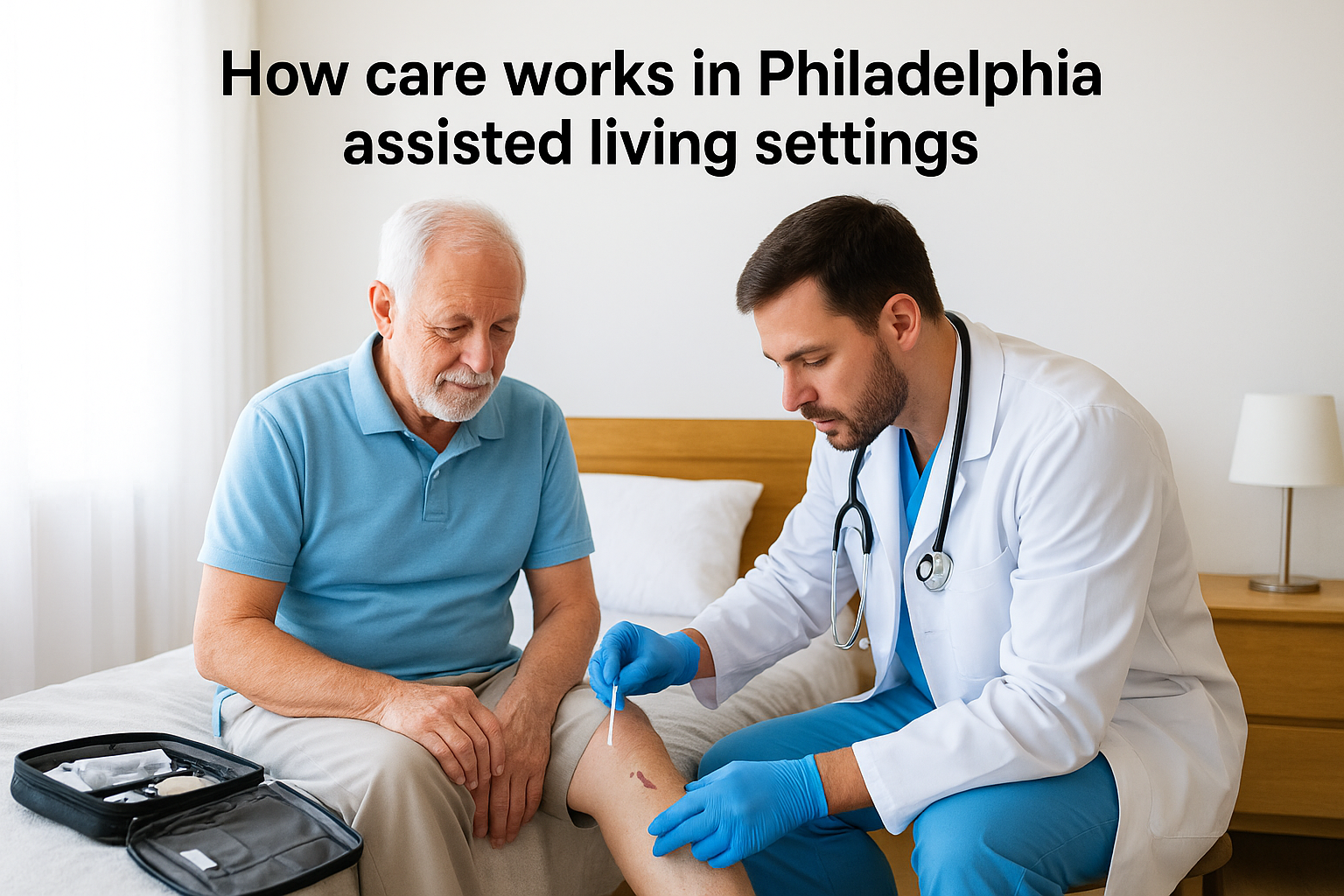
Choosing an assisted living facility in Philadelphia, PA, involves a delicate balance between receiving individualized medical support and maintaining an active, engaged social life. Families navigating this transition must evaluate how local residences blend clinical safety standards with vibrant community programming, ensuring seniors preserve their independence while accessing necessary assistance with daily activities.
Understanding the Philadelphia Senior Living Landscape
Philadelphia offers a diverse array of senior living options, ranging from historic brownstone conversions in Center City to sprawling modern campuses in the Northeast and Chestnut Hill. When exploring assisted living facilities in Philadelphia, PA, families quickly realize that geography dictates more than just the view; it shapes the entire daily lifestyle. Center City locations often integrate seamlessly into urban environments, allowing residents easy access to cultural institutions, restaurants, and public transit, which appeals to seniors who value lifelong civic engagement. Conversely, facilities in outer neighborhoods or near Fairmount Park tend to provide quieter, campus-style settings with expansive green spaces and structured outdoor activities.
The primary objective of assisted living is to bridge the gap between independent living and skilled nursing care. Residents typically require help with activities of daily living (ADLs)—such as medication management, bathing, dressing, and mobility—yet do not need round-the-clock intensive medical supervision. In Pennsylvania, these residences are regulated by the Department of Human Services (DHS), which sets strict licensing standards for staffing ratios, life safety codes, and resident rights. Understanding these baseline regulatory requirements provides a foundation for comparing how individual communities go beyond mere compliance to foster genuine community life.
The Core Challenge: Balancing Clinical Care and Social Engagement
The fundamental tension in assisted living centers around the dual mandate of protection and autonomy. On one hand, facilities carry a legal and ethical obligation to maintain resident safety, manage chronic health conditions, and prevent falls or medication errors. On the other hand, an overly clinical environment can inadvertently stifle independence, leading to isolation, depression, and a diminished quality of life.
Achieving the right balance requires a holistic approach to resident care. High-quality facilities in Philadelphia move away from institutional models—where schedules are dictated entirely by staff availability—and adopt person-centered care plans. In these settings, clinical protocols are integrated discreetly into the background of daily life rather than dominating it. For example, medication administration is scheduled around a resident's preferred morning routine rather than a rigid facility-wide shift change, ensuring that safety protocols do not disrupt personal autonomy.
Furthermore, physical design plays a pivotal role in striking this balance. Modern Philadelphia facilities increasingly incorporate architectural features that promote socialization, such as central courtyards, communal dining rooms with open-kitchen concepts, and multipurpose activity spaces. These layouts encourage incidental interactions among residents, reducing the friction of stepping out of private apartments to join community life.
Evaluating Care Services and Medical Support
Assisted living is not a one-size-fits-all solution. As care needs evolve, the ability of a facility to scale its services without forcing an immediate relocation to a skilled nursing facility is paramount. Families must look closely at the tier-of-care models utilized by Philadelphia residences.
Tiered Care Models vs. All-Inclusive Pricing
- Tiered (A la Carte) Models: Residents pay a base rate for room, board, and basic amenities, with additional fees assessed based on the specific number of care minutes or individual services required (e.g., insulin management, physical transfer assistance). This model can be cost-effective for more independent seniors, but costs can escalate unpredictably as care needs increase.
- All-Inclusive Models: A higher flat monthly rate covers all personal care and medication management services up to a defined clinical threshold. This provides financial predictability for families budgeting fixed incomes, though the initial buy-in cost is often substantially higher.
Specialized Memory Care Integration
Many facilities in the Philadelphia area incorporate specialized secure units or wings for individuals with Alzheimer’s disease and other forms of dementia. When evaluating these memory care programs, families should look beyond locked doors to assess the specialized training of the staff, the staff-to-resident ratio, and the availability of cognitive therapies, such as music and art programs, which are proven to reduce agitation and improve daily functioning in dementia patients.
| Feature / Consideration | Standard Assisted Living | Memory Care Specialized Units | Continuing Care Retirement Community (CCRC) |
|---|---|---|---|
| Primary Focus | ADL assistance & socialization | Specialized cognitive support & safety | Lifelong aging-in-place continuum |
| Staffing Ratios | Varies by state minimums; higher independence | Lower resident-to-staff ratios required | Scales dynamically across care levels |
| Environment | Apartment-style; open community access | Secured perimeters; wander-prevention tech | Multi-building campus with independent to skilled nursing |
| Average Cost Structure | Base rent + tiered care service fees | Inclusive higher flat rate for specialized care | Entrance fee + monthly maintenance fees |
Cultivating Community Life and Social Enrichment
A facility can boast state-of-the-art medical equipment and immaculate rooms, but without a vibrant community culture, residents may experience profound loneliness. The cultural fabric of Philadelphia—steeped in history, the arts, and diverse neighborhoods—often influences the programming found within local senior communities.
Effective social enrichment programs go beyond passive entertainment, such as watching television in a common room. The most successful facilities curate dynamic activity calendars that reflect the pre-retirement interests of their resident base. Common offerings include:
- Lifelong Learning Partnerships: Collaborations with local academic institutions, bringing guest lecturers, history seminars, and literature circles directly into the facility.
- Cultural Excursions: Utilizing private facility transportation for guided tours of the Philadelphia Museum of Art, visits to the Barnes Foundation, or outings to concerts at the Kimmel Center.
- Intergenerational Programs: Partnering with nearby schools or universities for mentoring programs, bridging generational gaps and fostering a sense of shared purpose.
- Wellness and Fitness Classes: Tailored chair yoga, tai chi, and balance workshops designed to maintain physical mobility while encouraging group camaraderie.
Community life also extends inward through resident councils and peer committees. Facilities that empower residents to have a direct voice in menu planning, activity scheduling, and facility improvements foster a powerful sense of ownership and belonging.
Navigating Financial Considerations and Costs
The cost of assisted living in Philadelphia reflects both the regional cost of living and the breadth of services provided. According to industry data and regional cost surveys, monthly rates for assisted living in the Philadelphia metropolitan area generally range from $4,500 to $7,000, depending on the tier of care and the geographic prestige of the neighborhood. Memory care units typically add an additional $1,000 to $2,000 per month due to specialized staffing requirements.
Navigating these expenses requires careful financial planning, as traditional health insurance and Medicare do not cover the room-and-board costs associated with assisted living (though Medicare may cover intermittent skilled medical services delivered within the facility).
- Long-Term Care Insurance: Policies purchased years prior often cover a significant portion of personal care expenses, provided the policyholder meets trigger criteria regarding ADL dependencies.
- Veterans Benefits: The U.S. Department of Veterans Affairs offers the Aid and Attendance benefit, which provides a monthly pension in addition to standard VA pensions for qualifying veterans and surviving spouses who require assistance with daily activities.
- Medicaid Waivers: In Pennsylvania, the Community HealthChoices (CHC) program manages long-term services and supports for eligible individuals through managed care organizations, though bed availability in Medicaid-certified assisted living facilities can involve waiting lists.
Step-by-Step Guide to Touring and Evaluating Facilities
Selecting the right facility requires moving past polished marketing brochures and conducting rigorous, firsthand evaluations. Families should schedule unannounced visits or tour at varying times of day to observe authentic daily operations.
Step 1: Initial Research and Licensing Verification
Before booking tours, verify the facility’s operating license and check for any historical compliance violations, substantiated complaints, or regulatory enforcement actions through the Pennsylvania Department of Human Services Provider Directory.
Step 2: The On-Site Tour Checklist
- Observe Resident Interactions: Are residents gathered in common areas, interacting with staff, or confined to their rooms? Notice the demeanor of the staff—are they patient, warm, and attentive?
- Evaluate Dining Quality: Request to share a meal in the dining room. Assess not just the nutritional value and taste of the food, but also the social atmosphere and the level of assistance provided to residents who need physical help eating.
- Inspect Safety Infrastructure: Look for clearly marked emergency exits, call buttons in both bathrooms and bedrooms, secure entry points, and well-lit hallways free of tripping hazards.
- Review Staff Turnover Rates: Ask administrators about their average tenure for direct-care workers. High turnover is often a red flag indicating operational strain and can negatively impact continuity of care.
Step 3: Legal and Contractual Review
Carefully examine the residency agreement before signing. Ensure you fully understand the discharge criteria—specifically under what medical or behavioral circumstances a facility can legally require a resident to move out, as well as the refund policies associated with community fees.
Frequently Asked Questions
What is the difference between assisted living and a nursing home in Pennsylvania?
Assisted living facilities are designed for individuals who need help with daily activities (such as bathing, dressing, and medication management) but desire an independent lifestyle with robust social programming. Nursing homes (skilled nursing facilities) provide 2nd-tier, 24-hour medical care and rehabilitation services for individuals with complex, unstable medical conditions who require ongoing oversight by licensed nurses and physicians.
Does Medicare pay for assisted living in Philadelphia?
No, Medicare does not cover the monthly rent, room and board, or personal care services provided in assisted living facilities. Medicare may continue to cover external medical services, such as physician visits, physical therapy, or durable medical equipment, if ordered by a doctor, but the core operational costs of assisted living must be paid privately or through alternative funding sources.
How do I verify the safety record of a Philadelphia assisted living facility?
You can verify a facility's compliance history by accessing the online database maintained by the Pennsylvania Department of Human Services. This database lists state licensing inspection reports, identified deficiencies, and corrective action plans for all licensed personal care and assisted living homes in the commonwealth.
Can a resident bring their own furniture and personal belongings?
Yes. Most assisted living facilities encourage residents to furnish their apartments with personal items, photographs, and familiar furniture to ease the emotional transition, reduce relocation stress, and create a comfortable, home-like environment.
What happens if a resident's care needs exceed what assisted living can provide?
If a resident develops complex medical needs that require continuous nursing oversight beyond the legal scope of an assisted living license, the facility will conduct a reassessment. Families will then be guided to transition the resident to a higher level of care, such as a skilled nursing wing within a Continuing Care Retirement Community (CCRC) or an external nursing facility.