Managing comfort for arthritic feet requires a targeted approach to footwear selection, cushioning, and structural support that minimizes joint strain during daily movement. When evaluating specialized comfort solutions or programs associated with specialized footwear assistance—such as options sometimes explored through adaptive recruitment or specialized comfort initiatives like assistant lee recruit comfort for arthritic feet—understanding the biomechanical needs of arthritic joints is essential for maintaining mobility and reducing pain.
Understanding Foot Arthritis and Biomechanical Needs
Foot arthritis encompasses several conditions, most notably osteoarthritis and rheumatoid arthritis, which affect the joints of the ankles, midfoot, and toes. These conditions cause cartilage degradation, inflammation, and structural changes that make walking painful. To mitigate this discomfort, footwear must address specific biomechanical demands.
When a person with arthritic feet walks, pressure concentrates on vulnerable joints, particularly the metatarsophalangeal (MTP) joints in the forefoot and the subtalar joint in the rearfoot. Specialized comfort interventions focus on redistributing this pressure evenly across the plantar surface. Without adequate midsole cushioning and outsole stability, every step sends shockwaves up through the kinetic chain, aggravating joint inflammation and accelerating fatigue.
Furthermore, arthritic feet often present with structural deformities such as bunions, hammertoes, or bone spurs. Standard off-the-shelf shoes frequently rub against these prominences, causing friction and localized pain. Addressing these challenges requires footwear engineered with anatomical last shapes, seamless interiors, and adjustable closure systems that accommodate fluctuating swelling throughout the day.
Core Features of Footwear Designed for Arthritic Feet
Selecting appropriate footwear involves examining several critical structural components. Unlike fashion-forward shoes that prioritize narrow profiles and rigid soles, therapeutic and comfort-oriented footwear incorporates specific engineering principles.
Cushioning and Shock Absorption
The midsole is the primary line of defense against impact forces. Materials such as ethylene-vinyl acetate (EVA) and specialized polyurethane foams absorb a significant percentage of ground reaction forces. For arthritic feet, a dual-density midsole provides a balanced combination of soft initial cushioning and firm structural support, preventing the foot from sinking too deeply into an unstable bed.
Outsole Rigidity and Rocker Bottoms
Midfoot and forefoot arthritis—such as hallux rigidus (stiff big toe)—benefits immensely from rocker-bottom soles. These curved outsoles reduce the need for the foot to bend at the toes during the propulsive phase of gait. By rolling smoothly from heel to toe, the shoe minimizes motion in the arthritic MTP joints, significantly lowering pain levels during walking.
Width and Depth Options
Swelling is a common symptom of inflammatory arthritis. Shoes must offer extended width profiles (such as 2E or 4E for men and D or 2E for women) and extra depth. Extra depth is vital because it allows for the insertion of custom orthotics or removable multi-layer insoles without crowding the dorsal aspect of the toes.
Comparative Overview of Footwear Solutions for Foot Arthritis
Different shoe categories and orthotic interventions offer varying degrees of relief depending on the severity and location of the arthritis. The following table contrasts common options based on structural characteristics and primary benefits.
| Intervention Type | Primary Structural Feature | Ideal For | Key Benefit |
|---|---|---|---|
| Rocker-Bottom Walking Shoes | Curved rigid sole, cushioned midsole | Forefoot arthritis, hallux rigidus | Reduces bending stress on toe joints during gait |
| Extra-Depth Therapeutic Shoes | Removable insoles, deep toe box | Severe swelling, hammertoe deformities | Accommodates custom orthotics without pressure |
| Custom Orthotic Inserts | Molded arch support, heel stabilization | Rearfoot and midfoot arthritis | Corrects alignment and distributes plantar pressure |
| Stretchable Knit Uppers | Flexible, breathable fabric panels | Bunions, fluctuating daily swelling | Eliminates friction against bony prominences |
Evaluating Specialized Support and Recruitment Programs
Navigating the market for specialized comfort solutions sometimes involves exploring targeted assistance programs, community health initiatives, or specialized procurement channels. For individuals seeking structured guidance on acquiring specialized comfort products—such as those referenced in programs aligned with assistant lee recruit comfort for arthritic feet—a systematic approach ensures that resources are directed toward clinically proven interventions.
When assessing any program, product line, or advisory service designed to improve foot comfort:
- Verify Clinical Relevance: Ensure that the recommendations or products are backed by podiatric or orthopedic principles rather than purely cosmetic marketing.
- Examine Material Quality: Look for medical-grade foams, breathable moisture-wicking linings, and slip-resistant outsoles that enhance safety.
- Check Customization Potential: Programs that offer professional fitting services or accommodate custom orthotics generally yield superior long-term comfort outcomes compared to rigid, one-size-fits-all alternatives.
Practical Steps for Managing Foot Arthritis Daily
Beyond selecting the right footwear, integrating comprehensive daily habits helps manage arthritic foot pain effectively. Foot care for arthritis requires consistency and attention to environmental factors that influence joint inflammation.
Monitoring Swelling and Adjusting Fit
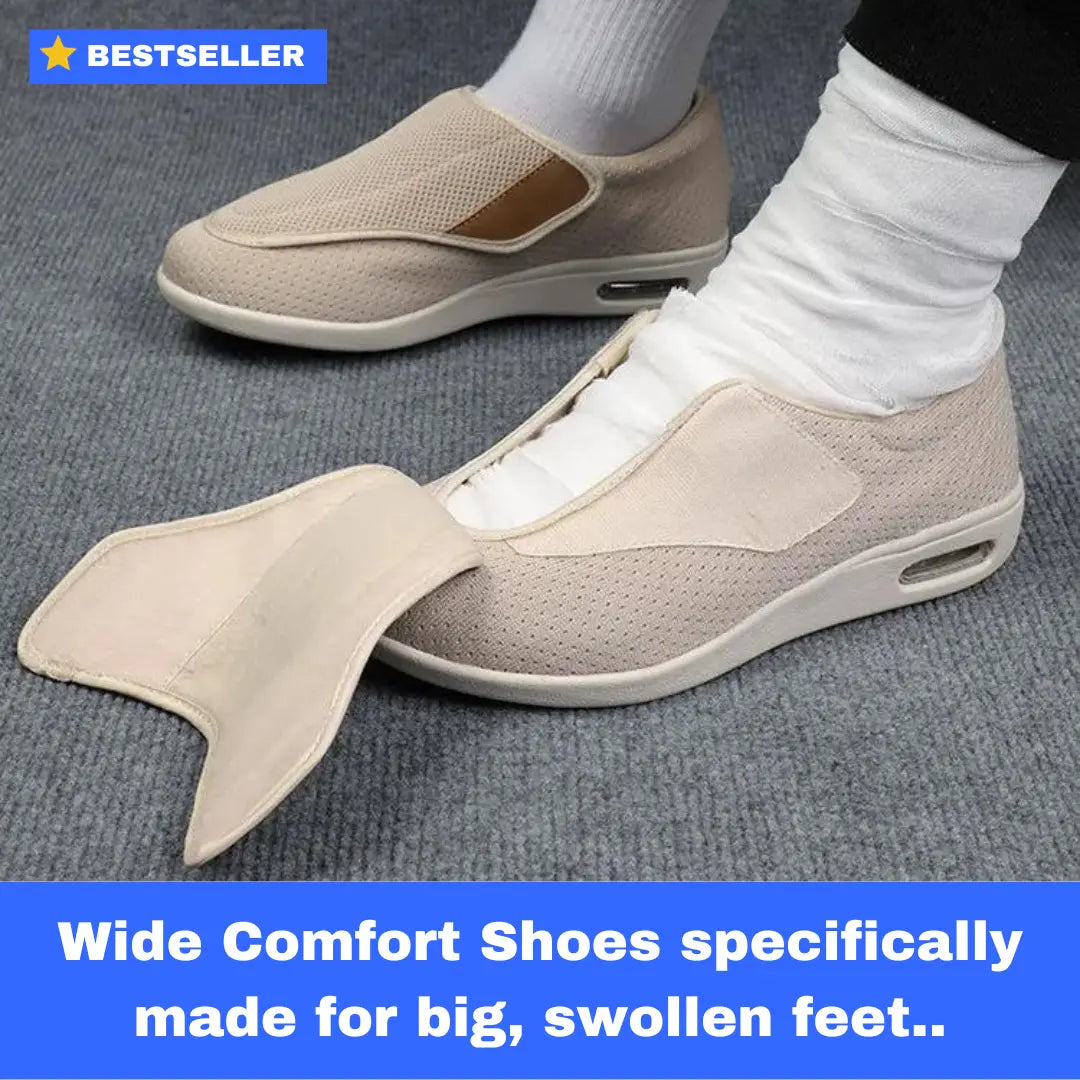
Foot volume can fluctuate significantly between morning and evening, especially for individuals with systemic inflammatory conditions. Fastening systems such as hook-and-loop straps (Velcro) or elastic laces allow for quick adjustments throughout the day, preventing constriction and maintaining optimal circulation.
Incorporating Low-Impact Movement
Maintaining joint mobility through gentle, non-weight-bearing exercises—such as swimming, stationary cycling, or water aerobics—strengthens the supporting musculature of the lower extremities without subjecting arthritic joints to high-impact stress. Physical therapists specialized in rheumatology can provide tailored strengthening regimens.
Professional Consultation
Persistent foot pain should always be evaluated by a podiatrist, orthopedist, or rheumatologist. Professional imaging can determine the exact stage of joint degradation, ensuring that chosen footwear and orthotic interventions align with medical treatment plans.
Frequently Asked Questions
What makes rocker-bottom shoes beneficial for arthritic feet?
Rocker-bottom shoes feature a curved sole that promotes a natural rolling motion from heel to toe. This design reduces the amount of flexion required at the metatarsal joints, minimizing pain for individuals with forefoot arthritis or stiff big toes.
Can custom orthotics be used in standard athletic shoes?
Yes, many athletic shoes feature removable insoles that can be taken out to accommodate custom orthotic inserts. However, it is important to select shoes with sufficient internal volume to prevent the top of the foot from pressing against the upper material.
How often should supportive shoes for arthritis be replaced?
Supportive shoes generally lose their midsole cushioning and structural integrity after 350 to 500 miles of walking, or approximately 6 to 12 months of regular use. Worn-out soles fail to absorb shock effectively, which can lead to increased joint discomfort.
Are stretchable knit uppers suitable for severe foot deformities?
Stretchable knit uppers are excellent for accommodating mild to moderate bunions and hammertoes because they yield to bony prominences without creating friction. However, individuals with severe structural instability may require shoes with firmer lateral and medial upper support.
What is the role of extra-depth shoes in managing joint pain?
Extra-depth shoes provide additional vertical space inside the shoe. This space allows for thicker, multi-layer cushioning insoles or prescription orthotics, ensuring that the toes are not compressed against the top of the toe box.