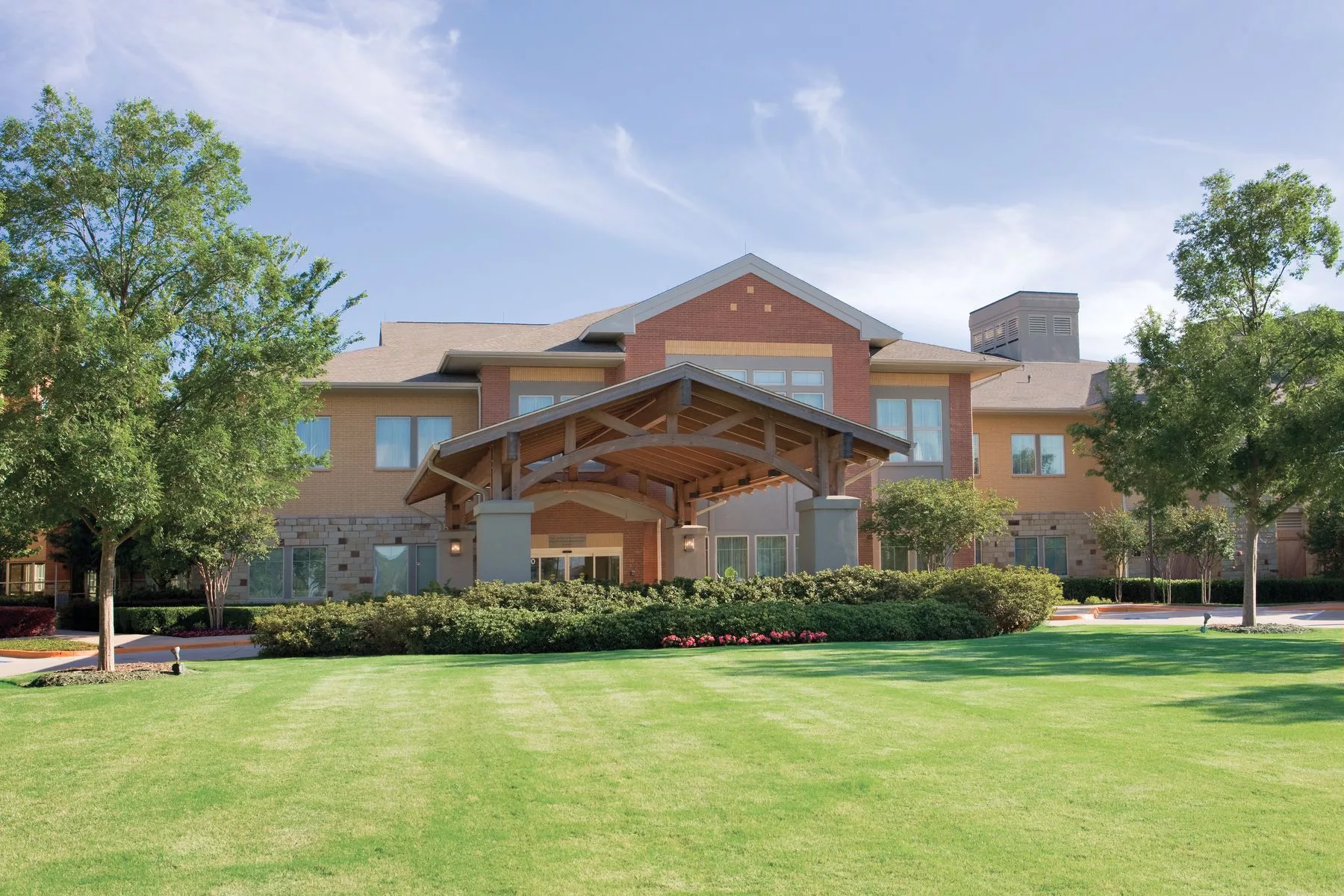
Finding an appropriate assisted living nursing home near you requires balancing clinical care requirements, daily lifestyle preferences, geographical proximity, and complex financial realities. When families search for senior care options close to home, they often discover a wide spectrum of facilities, ranging from independent living communities with minimal support to skilled nursing facilities providing round-the-clock medical supervision. Navigating this landscape demands a structured approach to assessing medical needs, understanding regulatory frameworks, touring facilities, and calculating true out-of-pocket costs.
Understanding the Continuum of Care: Assisted Living Versus Nursing Homes
Before beginning a search for a facility, it is essential to distinguish between assisted living and nursing homes, as these terms are frequently conflated by families despite representing entirely different service models. Assisted living facilities are designed for seniors who require help with activities of daily living (ADLs)—such as bathing, dressing, medication management, and meal preparation—but who do not need intensive, 24-hour medical nursing care. These environments prioritize independence, social engagement, and residential comfort within a homelike setting.
In contrast, nursing homes, officially licensed as skilled nursing facilities (SNFs), provide heavy medical oversight, rehabilitative therapies, and around-the-clock care delivered by licensed practical nurses (LPNs) and registered nurses (RNs) under the direction of a physician. Seniors with advanced cognitive impairment, severe mobility limitations, chronic wounds, or complex medication regimens typically require the clinical intensity of a nursing home rather than standard assisted living.
Recognizing where an older adult falls on this spectrum prevents wasted time touring facilities that cannot legally or practically provide the necessary level of care. Many modern senior housing developments operate as Continuing Care Retirement Communities (CCRCs), housing independent living, assisted living, and skilled nursing on a single campus. This setup allows residents to transition smoothly between care levels as their health needs evolve without relocating away from their local social network.
Assessing Personal Care Requirements and Clinical Needs
The search for local senior care must begin with an objective medical and functional assessment of the future resident. Consulting with a primary care physician, geriatrician, or hospital discharge planner provides a realistic baseline of the individual's clinical requirements. Families should evaluate several core functional domains:
- Activities of Daily Living (ADLs): Quantify the exact level of assistance needed for eating, bathing, dressing, toileting, transferring from a bed to a chair, and continence management.
- Instrumental Activities of Daily Living (IADLs): Review requirements for medication administration, meal preparation, housekeeping, laundry, financial management, and transportation.
- Cognitive Status: Determine if the senior suffers from Alzheimer's disease, vascular dementia, or other forms of cognitive decline that necessitate a secured memory care unit to prevent wandering.
- Skilled Medical Needs: Identify ongoing treatments such as physical therapy, occupational therapy, speech therapy, wound care, intravenous (IV) therapy, or specialized diabetes management.
Failing to accurately document these needs can lead to selecting a facility that accepts a resident only to discharge them weeks later when their medical complexity exceeds the staff's licensing limits. Comprehensive clinical assessments eliminate this risk and provide clear criteria when interviewing prospective facility directors.
Geographical Proximity and the Importance of Local Options
Choosing a facility "near me" is rarely just a matter of convenience; it serves as a critical component of long-term care quality and resident psychological well-being. Proximity to family, lifelong friends, and established medical providers directly impacts how well an older adult adjusts to their new environment and maintains their social connections.
When family members live within a short drive, they can visit frequently, monitor the quality of care, advocate for the resident during medical emergencies, and participate in community dining or social events. Frequent visits act as a vital safeguard against neglect or substandard care, as facility staff remain aware that family involvement is high. Furthermore, staying in the local geographic area allows seniors to retain their current physicians, maintain familiar religious or community ties, and experience less disorientation during the transition.
However, relying strictly on physical proximity can sometimes limit options, particularly in rural areas or densely populated urban centers where bed availability is constrained. Families must weigh the benefits of a nearby location against the quality ratings, specialized programming, and cost structures of facilities situated slightly further away in neighboring towns or counties.
Evaluating Senior Care Facilities: Quality, Safety, and Licensing
Once a shortlist of local facilities is compiled, rigorous evaluation must follow. In the United States, assisted living facilities are regulated primarily at the state level through departments of health or social services, while nursing homes are subject to both federal Medicare/Medicaid certification standards and state-level licensing.
Families should utilize official regulatory databases to research facility track records before scheduling an in-person tour. The U.S. Centers for Medicare & Medicaid Services (CMS) provides the Care Compare tool, which rates nursing homes on a one-to-five-star scale based on health inspections, staffing ratios, and quality measures. For assisted living facilities, state departments of public health maintain online registries detailing licensing status, substantiated complaints, and regulatory citations.
| Evaluation Metric | Assisted Living Focus | Nursing Home Focus |
|---|---|---|
| Primary Licensing Agency | State Department of Health or Social Services | State Health Department and Federal CMS |
| Staffing Model | Personal care aides and medication techs | RNs, LPNs, and certified nursing assistants (CNAs) |
| Clinical Oversight | Limited; visiting nurses or home health | 24/7 on-site licensed nursing supervision |
| Primary Regulatory Tool | State-specific administrative codes | Federal Conditions of Participation |
| Quality Check Resource | State health department inspection records | CMS Care Compare star ratings |
Conducting unannounced visits or touring at varied times of day reveals operational realities that scheduled marketing tours may mask. Observers should pay close attention to environmental cleanliness, ambient noise levels, resident engagement in activities, staff responsiveness to call lights, and the demeanor of both management and frontline workers.
Financial Planning and Navigating Care Costs
The cost of assisted living and nursing home care represents one of the most significant financial hurdles families face. Because Medicare primarily covers short-term post-acute rehabilitation and skilled nursing care—typically capped at 100 days following a qualifying three-day inpatient hospital stay—it does not pay for long-term custodial assisted living or permanent nursing home residency.
Understanding how to finance long-term care requires exploring several distinct funding channels:
- Private Pay and Personal Assets: Most residents initially fund care using personal savings, retirement accounts, pensions, and proceeds from the sale of a primary residence.
- Long-Term Care Insurance: Policies purchased years in advance often cover a daily or monthly maximum for assisted living or nursing home care, subject to elimination periods and policy triggers regarding ADL dependencies.
- Medicaid: For individuals who have exhausted personal assets and meet strict income and asset thresholds, state Medicaid programs (and home- and community-based waivers) can cover nursing home care and, in many states, assisted living services.
- Veterans Benefits: The Department of Veterans Affairs offers the Aid and Attendance benefit, which provides a monthly pension supplement for wartime veterans and surviving spouses who require assistance with daily living activities.
| Care Type | Average Monthly Cost Range | Primary Funding Sources |
|---|---|---|
| Assisted Living Facility | $4,500 – $6,500 | Private pay, long-term care insurance, veterans benefits |
| Nursing Home (Semi-Private Room) | $7,500 – $9,000 | Private pay, Medicaid, long-term care insurance |
| Nursing Home (Private Room) | $8,500 – $11,000 | Private pay, Medicaid, long-term care insurance |
Note: Costs vary significantly based on geographic region, state of residence, and the specific level of care required.
Questions to Ask During Facility Tours
An in-person walkthrough of a local facility offers the best opportunity to interview the administrator, director of nursing, and activity coordinator. Asking targeted, specific questions cuts through marketing pitches and exposes operational strengths or deficiencies. Families should prepare a checklist addressing staffing, health management, daily life, and financial policies.
Staffing and Safety
- What is the staff-to-resident ratio during day, evening, and overnight shifts?
- What percentage of the care staff are registered nurses versus certified nursing assistants or unlicensed personal care aides?
- What is the average staff turnover rate among caregivers and management?
- How does the facility handle medical emergencies, resident falls, and hospital transfers?
Medical Care and Health Management
- How are medications stored, managed, and administered?
- Are visiting physicians, podiatrists, physical therapists, and psychiatrists available on-site, or must residents travel for specialized care?
- What are the specific retention criteria regarding when a resident's medical condition requires discharge to a higher level of care?
- How does the nursing team monitor and manage chronic conditions such as diabetes, dementia, or severe mobility impairment?
Lifestyle, Dining, and Environment
- Can residents customize their rooms or apartments with personal furniture and belongings?
- What are the policies regarding visiting hours, guest meals, and family participation in facility events?
- How are individual dietary restrictions, preferences, and swallowing difficulties accommodated in the main dining room?
- What structured daily activities, exercise programs, and community outings are scheduled for residents?
Common Mistakes to Avoid When Searching for Senior Care
Families embarking on the search for senior care often experience high levels of stress and emotional exhaustion, which can lead to common missteps that jeopardize the quality of the placement. Recognizing these pitfalls helps ensure a smoother and more secure transition.
Relying solely on online directories or marketing brochures without performing independent verification of licensing records and inspection reports is a frequent error. Many promotional websites accept referral fees from facilities, which can skew search results and obscure regulatory citations or complaints.
Another critical mistake is waiting until a crisis occurs—such as a sudden fall, stroke, or rapid cognitive decline—before researching options. Crisis placements frequently result in settling for the first available bed rather than the best-suited facility. Planning ahead, touring multiple locations, and having financial and legal documents (such as power of attorney and healthcare proxies) in place well before care is needed protects both the financial stability and the physical safety of the older adult.
Finally, failing to read the admission agreement thoroughly can lead to unexpected financial liabilities. Families must carefully examine fee structures, billing escalation clauses, refund policies for security deposits, and conditions under which the facility can discharge a resident. Consulting an elder law attorney before signing binding contracts provides an essential layer of legal protection.
Next Steps and Actionable Guidance
Initiating the search for an assisted living nursing home near you requires immediate, structured action to secure the best possible outcome for your aging loved one. Begin by documenting all current clinical diagnoses, daily assistance needs, and financial resources available to fund care. Next, consult official state health department databases and federal CMS tools to identify licensed facilities in your preferred geographic radius. Schedule at least three in-person tours, utilizing a comprehensive question checklist to evaluate safety, staffing, and environment. Finally, consult with financial advisors and elder law professionals to align your budget with long-term care contracts before executing any agreements. Proactive planning ensures dignity, comfort, and professional protection for seniors navigating this vital life transition.