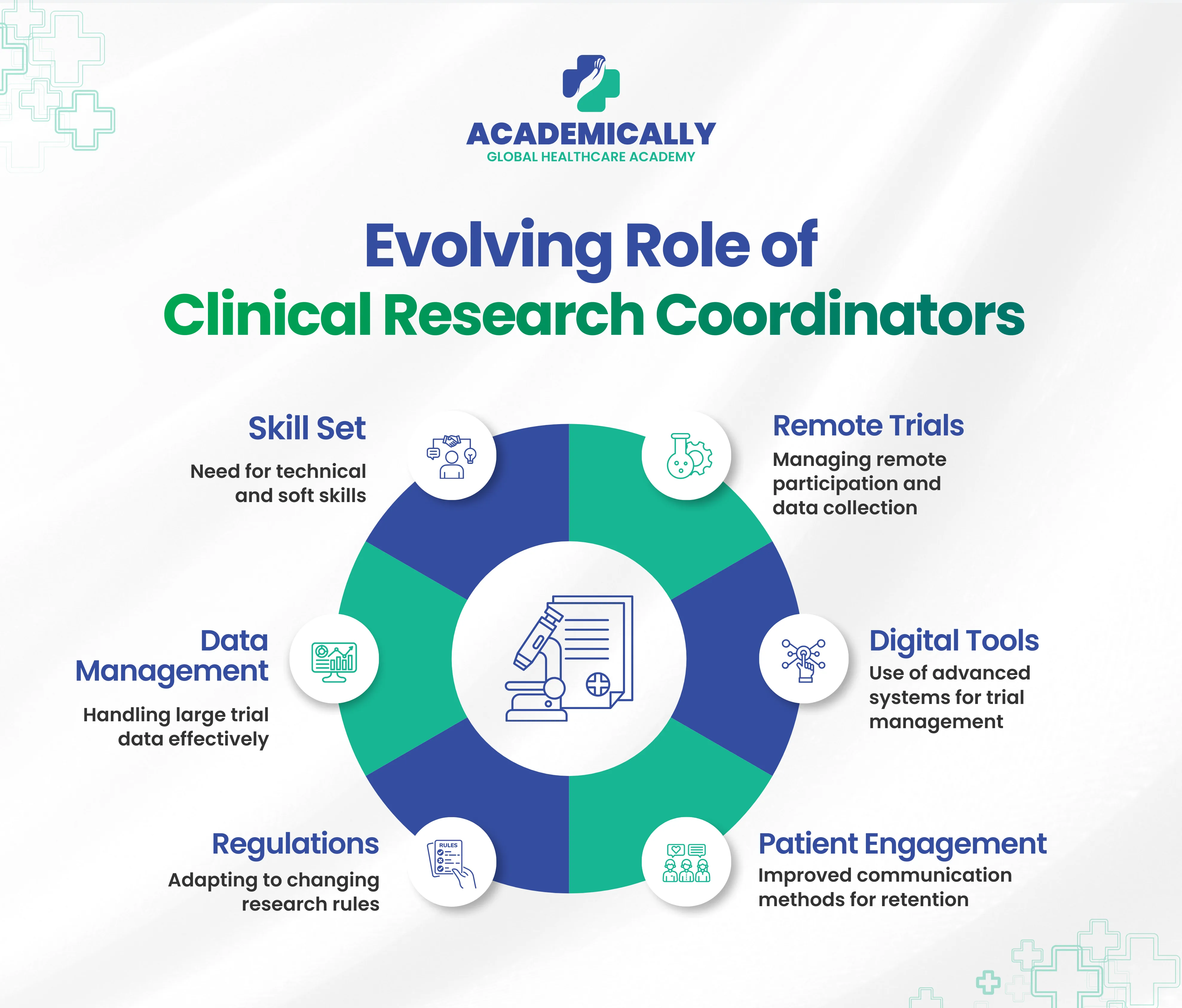
An associate clinical research coordinator supports clinical trials by managing day-to-day study operations, organizing patient schedules, maintaining regulatory compliance, and collecting data under the supervision of senior personnel. Compensation varies based on geographic location, healthcare setting, and level of experience within the clinical research industry.
Introduction to the Associate Clinical Research Coordinator Role
The landscape of modern medical research relies heavily on structured administrative and operational support to bring new therapeutics, medical devices, and diagnostic tools from the laboratory bench to patient care. Within this ecosystem, the clinical research workforce forms the operational backbone of clinical trials conducted at academic medical centers, specialized hospitals, dedicated clinical research sites, and pharmaceutical or biotechnology companies. For professionals entering this field, the role of the associate clinical research coordinator (ACRC) serves as a primary gateway.
An associate clinical research coordinator works alongside principal investigators (PIs), senior clinical research coordinators (CRCs), regulatory specialists, and data managers. Their primary mandate is to facilitate the smooth execution of clinical trials while strictly adhering to Good Clinical Practice (GCP) guidelines, federal regulations set by agencies such as the U.S. Food and Drug Administration (FDA), and institutional review board (IRB) protocols.
Understanding the day-to-day responsibilities, structural requirements, and financial compensation of an associate clinical research coordinator is essential for job seekers, career transitioners, and healthcare institutions seeking to build robust research infrastructure. This guide provides a detailed breakdown of what the role entails, the skills required to excel, compensation trends, and pathways for professional advancement.
Core Responsibilities of an Associate Clinical Research Coordinator
The daily workload of an associate clinical research coordinator is multifaceted, blending patient interaction, administrative documentation, and regulatory oversight. Because ACRCs typically operate under the direct supervision of senior coordinators or study managers, their duties are designed to build competency in trial management while safeguarding human subject protection and data integrity.
Patient Recruitment, Screening, and Enrollment
One of the most critical functions of an ACRC is identifying and enrolling eligible participants into clinical trials. This process requires a deep understanding of the study protocol's inclusion and exclusion criteria.
- Chart Reviews and Pre-Screening: ACRCs review electronic health records (EHRs) and patient databases to identify potential candidates who match specific protocol parameters.
- Recruitment Campaigns: Coordinators assist in distributing IRB-approved recruitment materials, communicating with local patient advocacy groups, and fielding inquiries from prospective participants.
- Consent Administration: While the principal investigator or a delegated physician typically conducts the formal informed consent discussion, the ACRC often helps explain study procedures to patients, ensures all questions are answered, and verifies that consent forms are properly executed, signed, and documented in accordance with regulatory standards.
Study Visit Coordination and Data Management
Once a participant is enrolled, the ACRC manages the logistical framework of their trial journey. This involves scheduling appointments, coordinating diagnostic tests, and capturing accurate data.
- Visit Scheduling: Organizing complex calendars that align patient availability with protocol-mandated visit windows, laboratory hours, and physician availability.
- Source Document Generation: Creating and maintaining accurate, attributable, contemporaneous, original, and accurate (ALCOA++) source documents during patient visits.
- Electronic Data Capture (EDC): Transcribing data from source documents into study-specific electronic case report forms (eCRFs) provided by sponsors or contract research organizations (CROs). ACRCs must resolve queries raised by data managers and monitors promptly.
Regulatory Documentation and Compliance
Clinical research is heavily regulated to protect human subjects and ensure scientific validity. ACRCs play an active role in maintaining trial binder compliance.
- Regulatory Binder Maintenance: Keeping trial master files (TMFs) and investigator regulatory binders up to date, including curriculum vitae (CVs), medical licenses, financial disclosures, and delegation of authority logs.
- IRB Submissions: Assisting in preparing initial protocol submissions, continuing reviews, protocol amendments, and reporting unanticipated problems or adverse events to the institutional review board.
- Monitoring Visit Support: Preparing documentation, charts, and queries for clinical research associates (CRAs)—also known as study monitors—during routine site monitoring visits.
Organizational Settings and Work Environments
Associate clinical research coordinators are employed across diverse healthcare and research environments. The specific setting often dictates the daily workflow, the types of trials managed, and the compensation structure.
| Setting | Key Characteristics |
|---|---|
| Academic Medical Centers | High patient volume, complex phase I-III trials, strong emphasis on publication and grant funding. |
| Dedicated Clinical Research Sites | Private practice or standalone facilities focused primarily on commercial phase II-IV pharmaceutical trials. |
| Hospital Networks | Integrated clinical care and research, balancing patient treatment with therapeutic trials. |
| Contract Research Organizations (CROs) / Biotech | Sponsor-facing project management, monitoring, and centralized trial operations. |
In academic medical centers, ACRCs often interact closely with academic physicians and laboratory scientists, gaining exposure to groundbreaking translational research. Conversely, dedicated clinical research sites often operate with a commercial focus, where efficiency, participant retention, and rapid recruitment directly impact business sustainability.
Compensation and Pay Structures for Associate Clinical Research Coordinators
Evaluating the financial remuneration for an associate clinical research coordinator requires examining base salaries, regional cost-of-living adjustments, educational credentials, and total compensation packages. Because this role typically represents the entry-to-mid level of clinical research operations, pay scales reflect foundational experience rather than independent protocol ownership.
National Averages and Salary Ranges
Compensation data compiled from major employment platforms and healthcare salary surveys indicate that the salary for an associate clinical research coordinator generally falls within a predictable band, though significant variance exists.
- Entry-Level Range: Individuals entering the field with a bachelor's degree and zero to one year of experience typically start between $45,000 and $55,000 annually in the United States.
- Experienced ACRC Range: After two to three years of demonstrated performance, salaries often scale up to $60,000 to $70,000 per year before promotion to a full Clinical Research Coordinator (CRC) or Senior Coordinator position.
- Hourly Rates: Contract or hourly positions frequently range from $22 to $32 per hour, depending on the therapeutic specialty (e.g., oncology and cardiology typically command higher rates than general medicine or behavioral health).
Factors Influencing ACRC Pay
Several distinct variables determine where an individual falls along the compensation spectrum:
- Geographic Location: Major metropolitan areas with dense clusters of academic medical centers and biotechnology hubs—such as Boston, San Francisco, New York, and Houston—offer higher base salaries to offset elevated costs of living.
- Therapeutic Area Complexity: Oncology, neurology, and advanced medical device trials require specialized clinical knowledge and complex safety monitoring. ACRCs assigned to these areas often receive higher compensation.
- Educational Attainment and Certifications: While a bachelor’s degree in a science or healthcare field is standard, candidates holding specialized certifications—such as the Certified Clinical Research Coordinator (CCRC) credential from the Association of Clinical Research Professionals (ACRP) or the Certified Clinical Research Professional (CCRP) from the Society of Clinical Research Associates (SoCRA)—frequently leverage higher starting salaries. Note that these certifications generally require prerequisite working hours before testing eligibility is granted.
- Institutional Funding: Academic institutions reliant on federal grants (such as NIH funding) may have rigid, standardized pay scales, whereas private clinical trial sites and pharmaceutical companies often possess greater flexibility for performance-based bonuses and salary negotiation.
Qualifications, Educational Prerequisites, and Skill Sets
Securing an associate clinical research coordinator position requires a blend of formal education, technical competencies, and interpersonal skills. Because coordinators act as the central communication hub for patients, investigators, and sponsors, employers look for candidates who can demonstrate meticulous attention to detail and clear communication.
Educational Requirements
- Undergraduate Degree: A bachelor’s degree in biology, chemistry, nursing, public health, psychology, or a related life science discipline is the most common prerequisite.
- Alternative Healthcare Credentials: Registered Nurses (RNs) or individuals with allied health certifications (such as medical assistants or laboratory technicians) frequently transition into ACRC roles due to their direct patient-care experience and clinical knowledge.
Essential Technical Skills
- Understanding of GCP Guidelines: Familiarity with the International Council for Harmonisation (ICH) E6 guidelines for Good Clinical Practice.
- Data Literacy: Proficiency in managing electronic health records (EHRs), electronic data capture (EDC) systems, and clinical trial management systems (CTMS).
- Regulatory Knowledge: Basic comprehension of FDA regulations (Title 21 of the Code of Federal Regulations) governing human subject protection, investigational new drugs (INDs), and institutional review boards.
Soft Skills and Administrative Competence
- Organization and Time Management: The ability to juggle multiple overlapping protocol requirements, patient appointments, and data queries simultaneously without sacrificing accuracy.
- Interpersonal Communication: Empathy and clarity when interacting with vulnerable patient populations, combined with professional assertiveness when coordinating with physicians, monitors, and pharmaceutical sponsors.
Career Progression and Professional Growth
The associate clinical research coordinator role is rarely a terminal position; rather, it functions as a foundational launching pad for a long-term career in clinical research, pharmaceutical development, or healthcare management.
- Entry-Level ACRC
- Clinical Research Coordinator (CRC) (after 2-3 Years Experience)
- Senior CRC / Study Manager -> Director of Clinical Operations
- Clinical Research Associate (CRA) / Monitor -> Clinical Project Manager (CPM)
- Advancement to Full Coordinator: Within two to three years, an ACRC typically transitions to a standard or senior Clinical Research Coordinator role, taking on independent management of clinical trials, direct budget oversight, and mentoring of newer staff.
- Transition to Clinical Monitoring (CRA): Many ACRCs leverage their site-level experience to transition into monitoring roles with pharmaceutical sponsors or contract research organizations (CROs). CRAs travel to study sites to ensure protocol compliance and data accuracy.
- Regulatory Affairs and Data Management: Professionals who lean into the documentation or data aspects of the ACRC role often specialize as regulatory affairs specialists, data managers, or safety associates.
Common Challenges and Operational Pitfalls in the Role
While rewarding, the daily work of an associate clinical research coordinator involves distinct operational hurdles. Recognizing these challenges helps new professionals develop resilience and effective mitigation strategies.
- Protocol Deviations: Complex protocols can lead to unintentional procedural errors. ACRCs must maintain rigorous oversight and consult senior staff immediately when uncertainties arise regarding visit windows or procedural modifications.
- Enrollment Bottlenecks: Clinical trials frequently struggle with patient recruitment. ACRCs often bear the stress of unmet recruitment targets, requiring creative, IRB-compliant outreach strategies.
- Query Backlogs: Falling behind on eCRF data entry can result in unmanageable query backlogs ahead of monitoring visits. Establishing daily administrative routines is essential to prevent data bottlenecks.
Conclusion and Next Steps
The associate clinical research coordinator position offers a dynamic, intellectually stimulating entry point into the clinical research industry. By mastering patient recruitment, data management, and regulatory compliance, ACRCs play an indispensable role in advancing medical science and therapeutic innovation. For those entering the field, focusing on foundational GCP knowledge, building strong organizational habits, and pursuing professional certifications will pave the way for sustainable career advancement and competitive compensation growth.