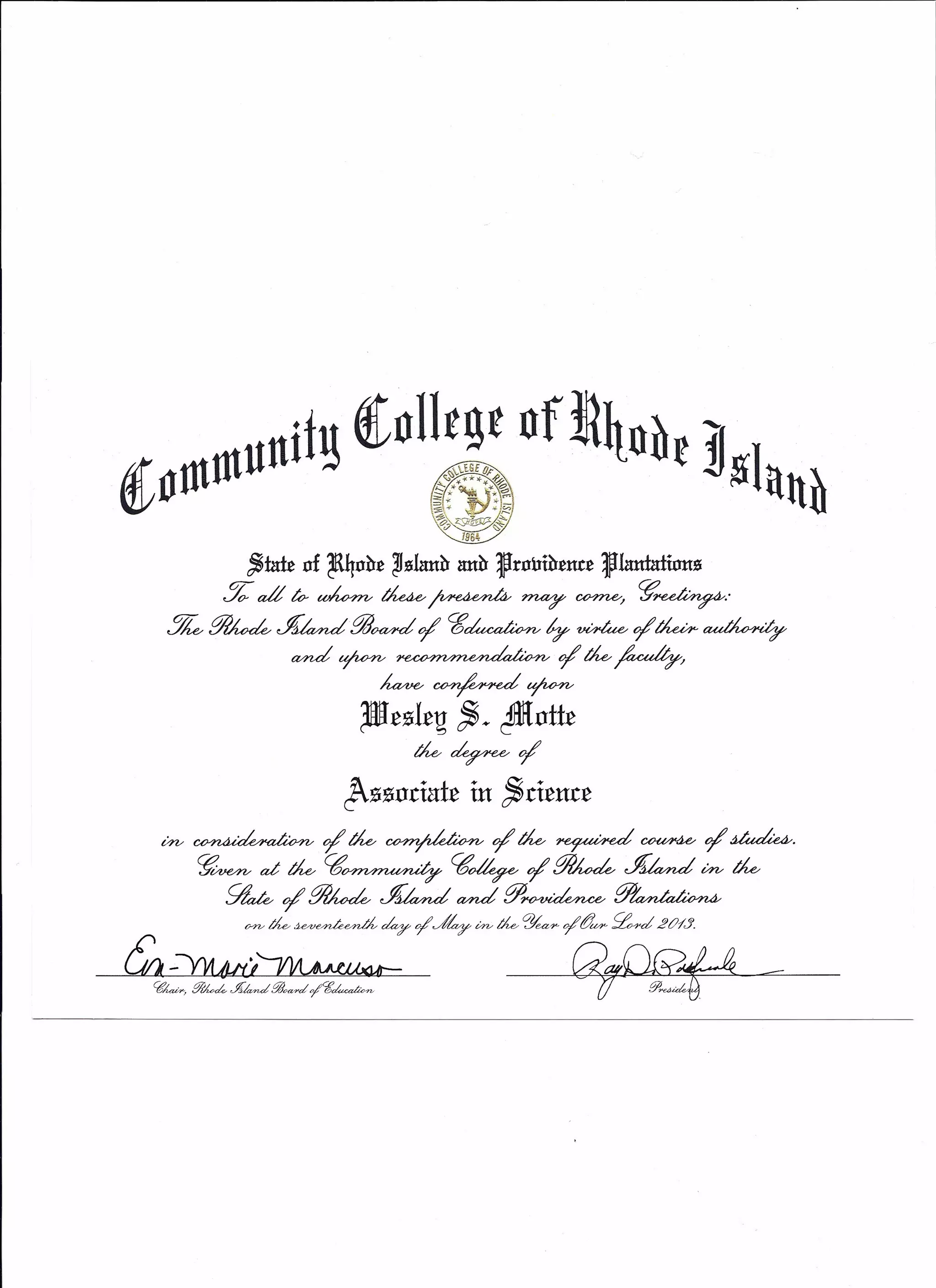
The standard abbreviation for an Associate in Science degree is AS or A.S. Both versions are academically acceptable, though the use of periods often depends on specific institutional style guides or regional preferences. As of 2026, the trend in professional resumes and digital profiles favors the more streamlined AS without periods.
Understanding the Core Abbreviations: AS vs. A.S.
When navigating the world of higher education, the terminology can sometimes feel like alphabet soup. The Associate in Science degree is a fundamental undergraduate credential, typically representing the first two years of a four-year college path. The abbreviation is used to concisely communicate an individual's educational attainment to employers, licensing boards, and further academic institutions.
The distinction between AS and A.S. is primarily a matter of typography and style. Most modern style guides, such as the Associated Press (AP) Stylebook, recommend omitting periods in degree abbreviations to maintain a cleaner look in text (e.g., AS, BS, MBA). Conversely, the MLA Handbook or certain traditional university registries may still prefer A.S. for formal diplomas and transcripts.
In 2026, digital clarity is paramount. Search engines, Applicant Tracking Systems (ATS), and professional networking platforms like LinkedIn easily recognize both forms. However, consistency within a single document is the most important rule. If you choose to use periods on your resume, ensure that every degree listed follows the same format.
What is an Associate in Science Degree?
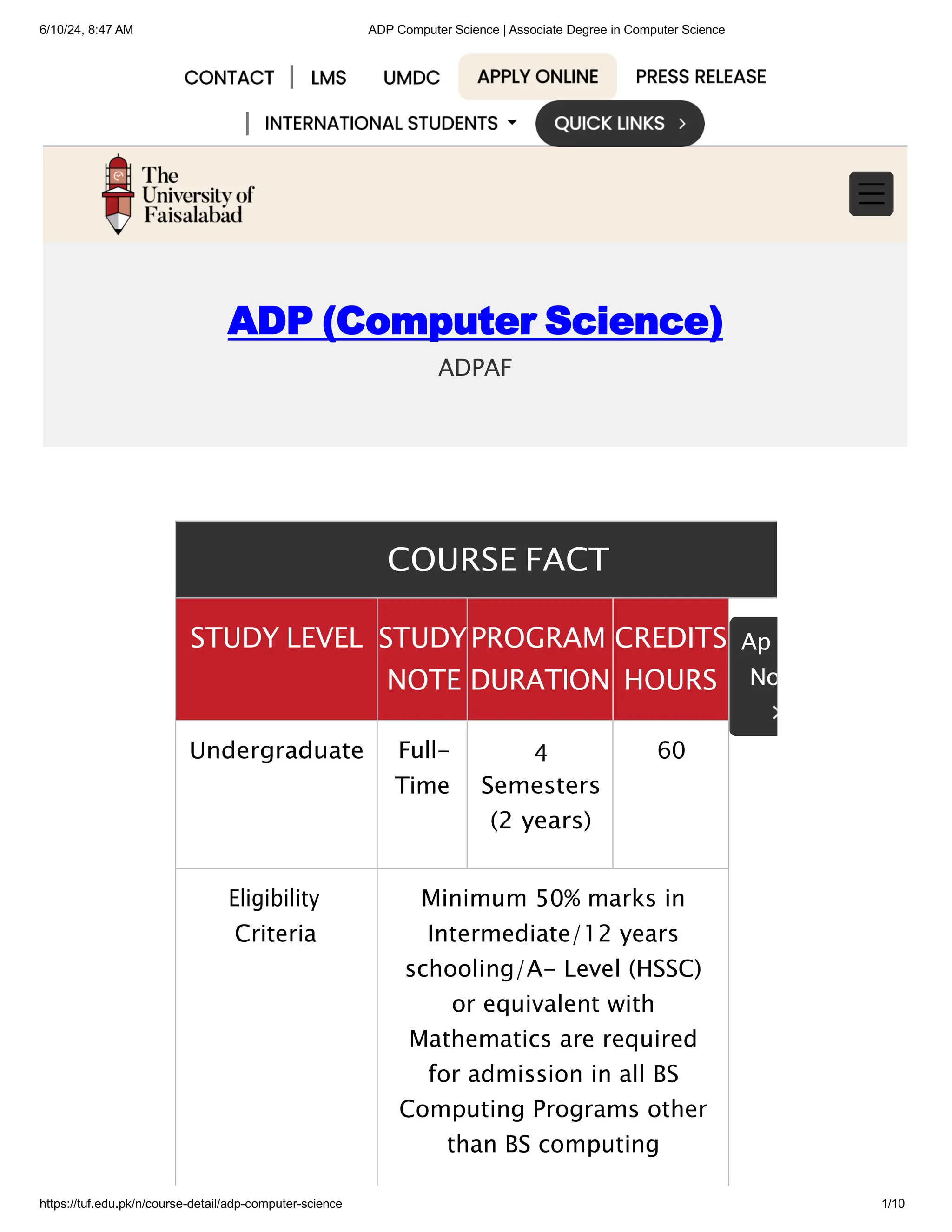
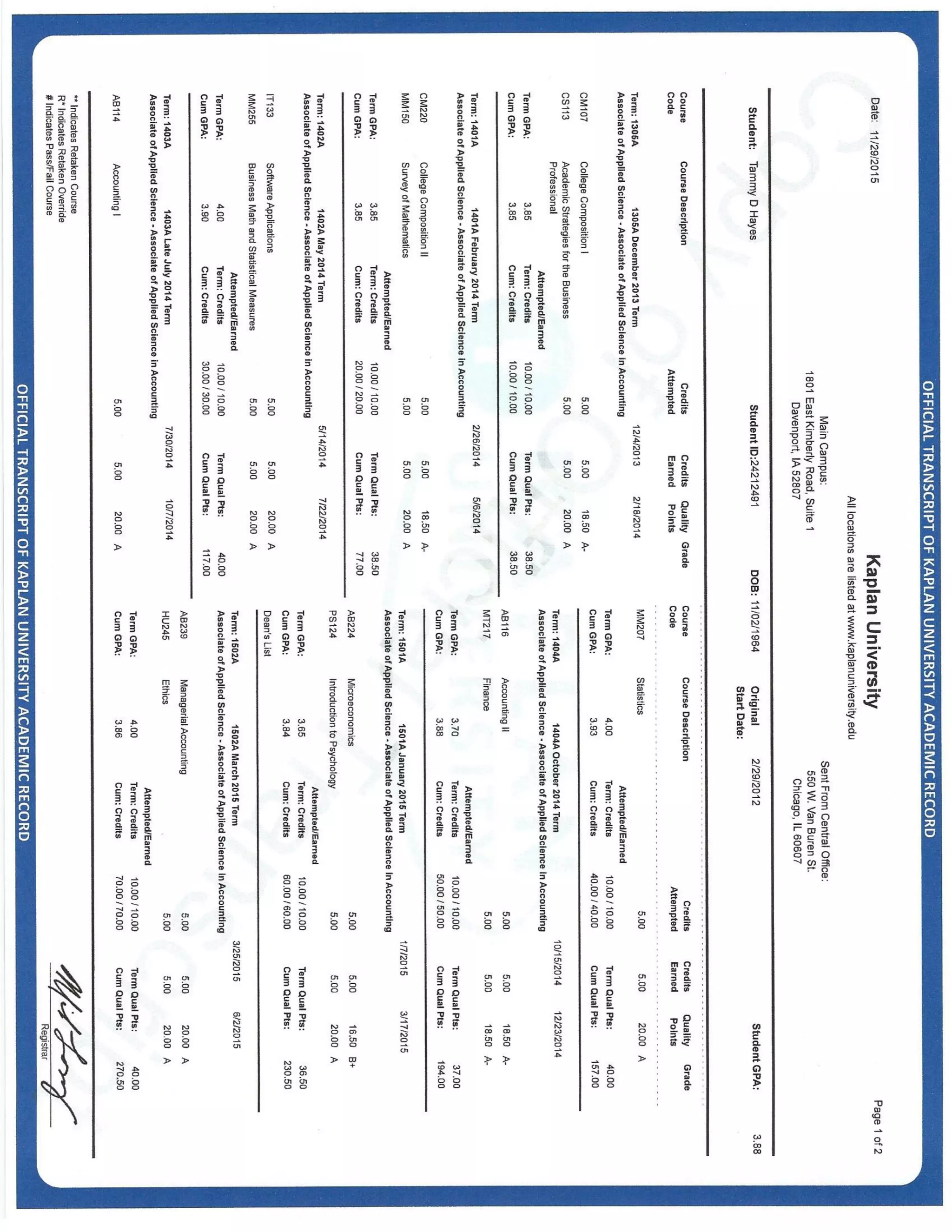
The Associate in Science (AS) is an undergraduate academic degree awarded by community colleges, technical colleges, and some four-year universities. It usually requires approximately 60 credit hours of coursework, which a full-time student can typically complete in two years.
Unlike the Associate in Arts (AA), which focuses heavily on the liberal arts, humanities, and social sciences, the AS degree is designed for students intending to pursue careers or further education in STEM fields (Science, Technology, Engineering, and Mathematics). The curriculum is structured to provide a heavy concentration of mathematics and natural sciences, such as biology, chemistry, and physics.
The Purpose of the AS Degree
There are two primary pathways for those earning an AS degree in 2026:
- Transfer Pathway: This is the most common goal. The AS degree serves as a "stepping stone" to a Bachelor of Science (BS) degree. By completing the general education and foundational science requirements at a community college, students can transfer to a university as a junior, significantly reducing the overall cost of their four-year degree.
- Career Pathway: Some AS programs are designed to provide specialized technical training that allows students to enter the workforce immediately. These are often in high-demand technical sectors like radiologic technology, computer programming, or environmental science.
Comparative Overview: AS vs. AA vs. AAS
It is essential to distinguish the AS from other associate-level credentials, as the abbreviation you choose reflects the specific nature of your training.
| Feature | Associate in Science (AS) | Associate in Arts (AA) | Associate in Applied Science (AAS) |
|---|---|---|---|
| Primary Focus | STEM, Math, and Health Sciences | Liberal Arts, Humanities, Social Sciences | Career-Specific Technical Skills |
| Transferability | High (Designed for BS transfer) | High (Designed for BA transfer) | Lower (Often a terminal degree) |
| Common Subjects | Biology, Engineering, Computer Science | English, Psychology, History | Nursing, Automotive Tech, HVAC |
| Math Requirement | High (Calculus or Statistics) | General (College Algebra) | Applied (Industry-specific math) |
| Target Goal | Further University Education | Further University Education | Immediate Employment |
Academic Requirements and Curriculum Breakdown
To earn the right to use the AS abbreviation, a student must navigate a rigorous curriculum that balances general education with deep technical dives. While specific requirements vary by state and institution, the 2026 standard for an AS degree typically follows a specific credit distribution.
General Education Core (24–30 Credits)
These are the foundational courses required for any college degree. They ensure that science-focused students also possess strong communication and critical thinking skills.
- English Composition: Developing the ability to write technical reports and research papers.
- Humanities: Often including ethics or philosophy, which is increasingly relevant in 2026 science and tech fields.
- Social Sciences: Understanding the human impact of scientific advancement.
Science and Mathematics Core (30–36 Credits)
This is where the AS degree distinguishes itself. Students must complete high-level math and science sequences. For example, a student majoring in Chemistry would take:
- General Chemistry I & II (with labs)
- Organic Chemistry
- Calculus I & II
- General Physics
The inclusion of laboratory work is a hallmark of the AS degree. These "hands-on" credits are what make the degree highly transferable to Bachelor of Science programs, as universities require proof of lab-based competencies.
How to Properly List an AS Degree on Your Resume
In the 2026 job market, precision on your resume can determine whether you pass through an automated filter. When listing your Associate in Science, you should be explicit about your major and the institution.
Standard Resume Format
Education Associate in Science (AS) in Cybersecurity | City Community College | 2024–2026
- GPA: 3.8/4.0
- Relevant Coursework: Network Security, Ethic Hacking, Data Structures.
Why Mention the Full Name?
While the abbreviation AS is well-understood, writing out "Associate in Science" helps with search engine optimization (SEO) of your resume. Recruiters searching for "Science Degree" or "Associate Degree" will find your profile more easily if you use both the full title and the abbreviation.
The "In" or "Of" Debate
Grammatically, you receive an Associate in Science, not an "Associate's of Science." Using the correct preposition ("in") demonstrates a higher level of attention to detail and professional literacy.
The Path to a Bachelor’s Degree: Transferring AS Credits
One of the most valuable aspects of the AS abbreviation is what it signals to university admissions officers: that the student has already completed the "heavy lifting" of lower-division science and math.
Articulation Agreements
In 2026, many state college systems have "Articulation Agreements" or "2+2 Programs." These are formal contracts between two-year and four-year schools that guarantee that an AS degree will transfer in its entirety, counting as the first 60 credits of a BS degree. This prevents the "credit loss" that historically plagued transferring students.
The Benefit of the "Transfer Block"
When you hold an AS, many universities treat your general education requirements as "satisfied as a block." This means even if the university has slightly different core requirements, they accept your AS degree as a complete package, allowing you to focus entirely on your major-specific junior and senior courses upon arrival.
Career Opportunities and Salary Potential in 2026
Earning an AS degree is not just an academic milestone; it is a financial investment. According to data from the U.S. Bureau of Labor Statistics, individuals with an associate degree consistently earn more than those with only a high school diploma and face lower unemployment rates.
High-Growth Roles for AS Graduates
As we move through 2026, several sectors are actively seeking AS degree holders for roles that do not strictly require a four-year degree:
- Web Developers and Digital Designers: With the expansion of decentralized web technologies, a two-year AS in Computer Science provides the necessary coding foundations.
- Environmental Science Technicians: As organizations focus on sustainability and carbon tracking, AS holders are needed for field testing and data collection.
- Dental Hygienists: This remains one of the highest-paying roles accessible via an AS degree, requiring rigorous scientific and clinical training.
- Geological and Petroleum Technicians: Essential for the energy transition, including geothermal and traditional resource management.
Salary Expectations
While a Bachelor’s degree generally commands a higher starting salary, the AS allows for an earlier entry into the workforce. In many technical fields, an AS holder starting in 2026 can expect an entry-level salary ranging from $45,000 to $70,000, depending on the specialization and geographic location.
Common Misconceptions About the AS Abbreviation
Despite its prevalence, several myths surround the Associate in Science degree. Clearing these up is vital for proper career planning.
- Myth: An AS is "lesser" than an AA. In reality, an AS is often more mathematically rigorous. It isn't "lower" in status; it simply serves a different academic purpose (STEM vs. Humanities).
- Myth: You cannot get a job with "just" an AS. Many technical and healthcare industries prefer AS graduates because their training is more focused on practical application than theoretical Bachelor's programs.
- Myth: All AS degrees are the same. An AS in Nursing is vastly different from an AS in Physics. The major attached to the abbreviation is what defines the degree's utility.
Accreditation: Protecting Your Abbreviation
Before you spend time and money earning an AS, you must verify that the institution is accredited. In the United States, regional accreditation is the "gold standard." If you earn an AS from a non-accredited or only nationally accredited "for-profit" school, you may find that:
- Other colleges will not accept your credits for transfer.
- Employers may not recognize the degree.
- You may be ineligible for federal financial aid.
Check the Council for Higher Education Accreditation (CHEA) database to ensure your program meets the necessary standards to carry a legitimate AS abbreviation.
Frequently Asked Questions
Is there a difference between AS and A.S.?
No. Both abbreviations refer to the Associate in Science. AS is more common in modern, digital, and professional contexts (like resumes), while A.S. is more traditional and may appear on formal academic transcripts or diplomas.
Does "Associate's Degree" need an apostrophe?
When using the general term, it is Associate's degree (with an apostrophe). However, when using the formal name of the degree, it is Associate in Science (no apostrophe and no 's'). For example: "I have an associate's degree," versus "I have an Associate in Science."
Can I get an AS degree online in 2026?
Yes. Most community colleges and many universities offer fully online AS programs. In 2026, these degrees carry the same weight as on-campus degrees, provided the institution is properly accredited. The abbreviation used on your resume remains the same regardless of whether the courses were taken online or in person.
How long does an AS degree stay valid?
Academic degrees do not expire. However, in rapidly evolving fields like Information Technology or Biotechnology, the relevance of the specific coursework may diminish after 5–10 years if not supplemented by work experience or continuing education. The AS abbreviation remains a permanent part of your educational history.
Is an Associate in Applied Science (AAS) the same as an AS?
No. An AS is primarily designed for students who want to transfer to a four-year university to earn a Bachelor’s. An AAS is a "terminal" degree intended to prepare students for immediate entry into a specific vocation, and its credits are often harder to transfer to a university.
Final Recommendation for Students and Professionals
If you are currently pursuing or already hold an Associate in Science, use the abbreviation AS for most professional applications. It is clean, modern, and universally recognized by recruitment software. When listing it on your resume, always include your specific major—such as AS in Biology—to provide context to your expertise. For those planning to transfer, ensure you coordinate with your target four-year institution early to verify that your "Science" credits will align with their "Bachelor of Science" requirements.
By understanding the weight and structure behind these two letters, you can better leverage your education for career advancement in the competitive landscape of 2026.