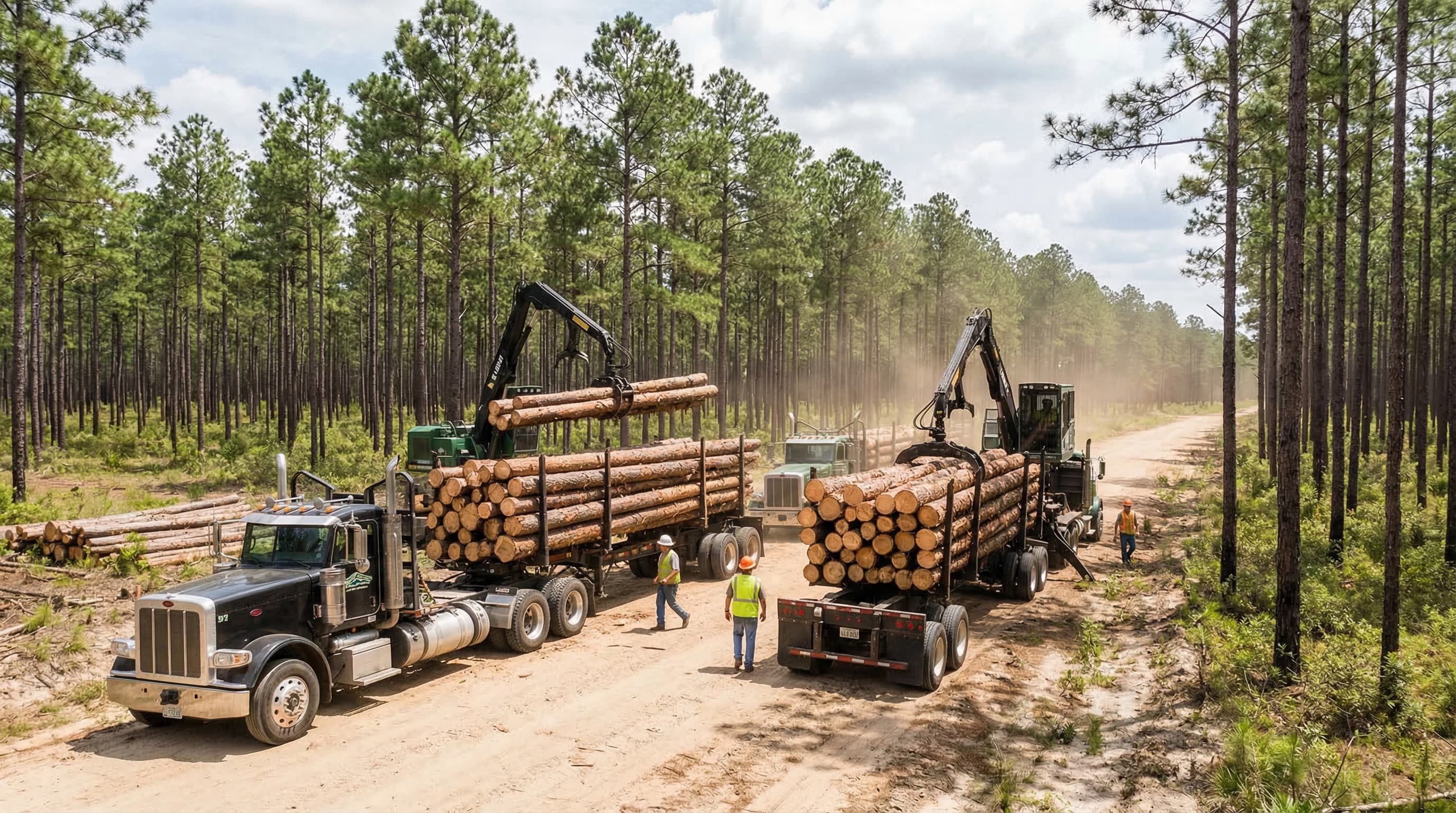
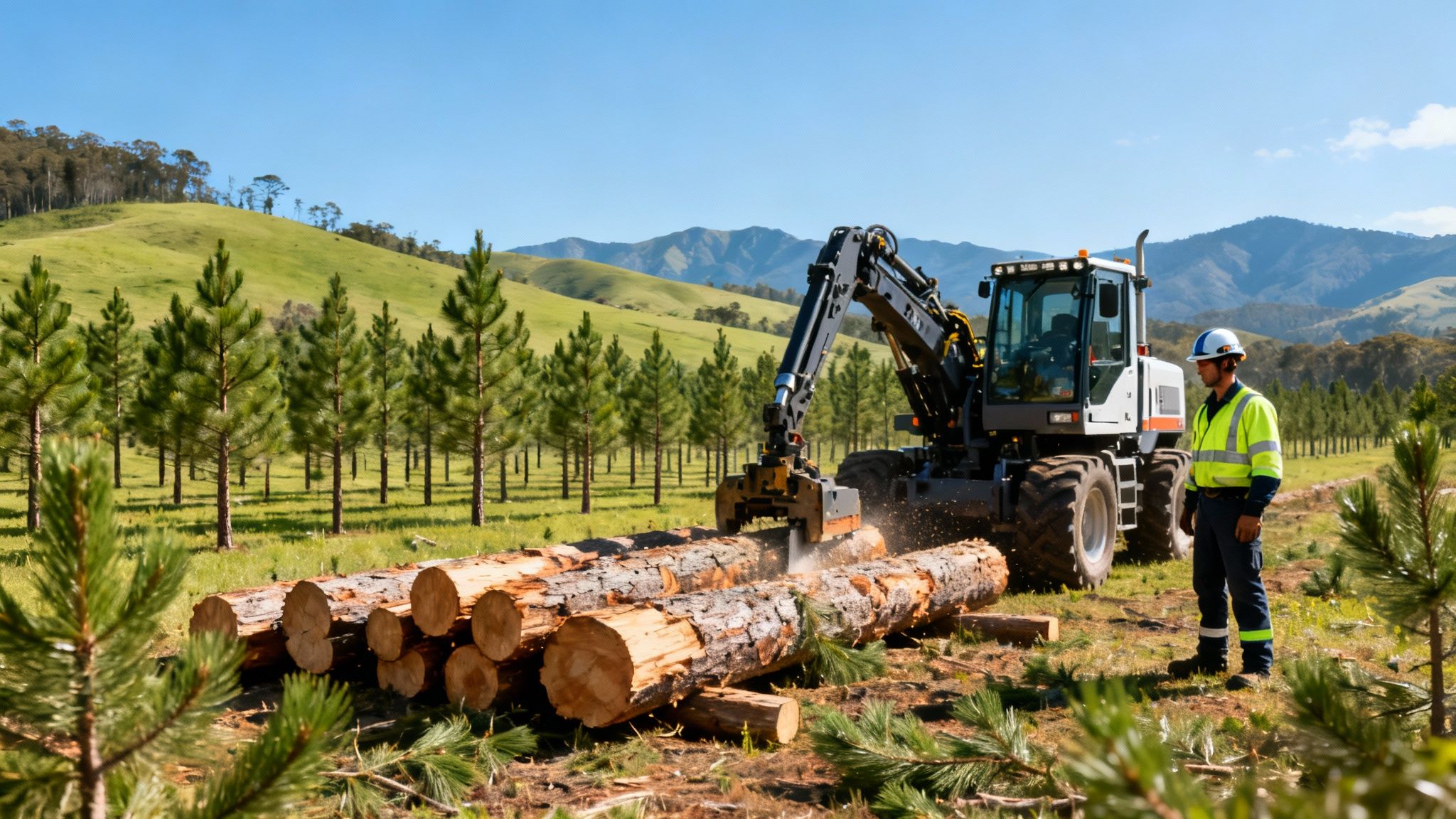
An Associate in Forestry is a two-year undergraduate degree providing foundational training in forest management, ecology, and conservation. It prepares students for entry-level technician roles or further university study, focusing on practical fieldwork skills such as timber cruising, tree identification, and the application of geographic information systems (GIS).
Understanding the Associate in Forestry Degree
The pursuit of an Associate in Forestry represents the first major step for individuals dedicated to the stewardship of natural resources. In 2026, the forestry sector has evolved into a high-tech field that balances traditional land management with advanced climate adaptation strategies. This degree is typically offered by community colleges, technical institutes, and some four-year universities as a foundational program.
The degree usually comes in two primary formats: the Associate of Science (AS) and the Associate of Applied Science (AAS). The choice between these two depends heavily on a student's long-term career goals. An AS degree is often designed as a "transfer degree," intended to fulfill the first two years of a Bachelor of Science in Forestry. Conversely, the AAS is a terminal, vocationally-focused degree designed to move students directly into the workforce as forest technicians or conservation aides.
Regardless of the specific track, the curriculum is rooted in a "learning by doing" philosophy. Students spend significant portions of their time outdoors, transitioning from classroom theory to practical application in varied forest environments. This hands-on approach is essential for mastering the tools of the trade, from traditional clinometers used for measuring tree height to modern drone-based lidar systems used for forest inventory.
Core Curriculum and Technical Training
A high-quality Associate in Forestry program covers a broad spectrum of biological sciences and technical skills. To meet the standards of the modern industry, programs in 2026 emphasize both the biological health of the forest and the economic realities of timber and recreation management.
Dendrology and Forest Ecology
Dendrology, the study of woody plants, is a cornerstone of the degree. Students must learn to identify dozens, sometimes hundreds, of tree species by their bark, leaves, twigs, and fruit. This is not merely an academic exercise; accurate identification is the prerequisite for all forest management decisions. Following identification, students study forest ecology, which examines the complex relationships between trees, wildlife, soil, and water. Understanding how fire, insects, and disease affect these ecosystems is critical for developing resilient management plans.
Forest Measurements and Inventory
Often referred to as "timber cruising," forest measurement involves the systematic collection of data about a forest stand. Students learn to measure tree diameter (DBH), height, and age. They also learn to calculate basal area and timber volume. In 2026, this instruction includes the use of digital data collectors and tablets that sync with cloud-based management systems, allowing for real-time inventory updates.
Silviculture and Land Management
Silviculture is the art and science of controlling the establishment, growth, composition, health, and quality of forests. Students learn about different regeneration methods—such as clearcutting, shelterwood, and selection systems—and how these choices impact future forest productivity and biodiversity. Training also includes vegetation management, which may involve prescribed burning or the controlled use of herbicides to promote the growth of desired species.
Geospatial Technology (GIS and GPS)
The modern forest technician must be proficient in Geographic Information Systems (GIS). Associate programs now dedicate significant time to teaching students how to map forest boundaries, track harvest areas, and analyze spatial data. Mastery of Global Positioning Systems (GPS) is equally vital for navigating remote terrain and marking specific inventory plots or sensitive environmental zones.
Accreditation and the Society of American Foresters (SAF)
When selecting an Associate in Forestry program, accreditation is a primary consideration. The Society of American Foresters (SAF) is the primary accrediting body for forestry education in the United States.
Choosing an SAF-accredited program ensures that the curriculum meets rigorous industry standards. Furthermore, many federal and state agencies, such as the U.S. Forest Service (USFS), have specific educational requirements for technician-grade positions. Graduates from accredited programs often find it easier to qualify for "Forest Technician" (GS-452) or "Biological Science Technician" (GS-404) roles within the federal civil service.
Accreditation also facilitates the transfer of credits. If a student decides to pursue a Bachelor’s degree later, credits from an SAF-accredited Associate program are much more likely to be accepted by top-tier forestry universities.
Career Paths for Associate Degree Holders
The demand for forestry technicians has remained robust into 2026, driven by an increased focus on wildfire mitigation, sustainable timber production, and carbon sequestration projects. Graduates are equipped for several distinct career paths.
Forest Technician
This is the most common role for associate degree holders. Forest technicians work under the supervision of professional foresters. Their duties include marking timber for sale, supervising planting crews, maintaining forest roads, and collecting inventory data. They are the "boots on the ground" who ensure that management plans are executed correctly.
Wildland Firefighter and Mitigation Specialist
Many forestry students specialize in fire science. These technicians work on the front lines of wildfire suppression or, increasingly, on "fuels management" teams. Fuels management involves thinning overgrown forests and conducting prescribed burns to reduce the risk of catastrophic high-intensity fires.
Procurement and Utility Forestry
In the private sector, procurement technicians work for timber companies or mills to help source wood from private landowners. Utility foresters work for power companies to manage vegetation along utility rights-of-way, ensuring that trees do not interfere with power lines—a critical task for grid reliability and fire prevention.
Conservation and Wildlife Technician
For those more interested in the biological side, these roles focus on habitat restoration and wildlife monitoring. Technicians may help manage state parks, national wildlife refuges, or private conservation lands, focusing on non-timber goals like water quality and endangered species protection.
Comparison of Forestry Educational Paths
The following table outlines the differences between the various educational levels available to aspiring forestry professionals in 2026.
| Feature | Associate of Applied Science (AAS) | Associate of Science (AS) | Bachelor of Science (BS) |
|---|---|---|---|
| Primary Goal | Immediate employment as a technician. | Preparation for transfer to a 4-year school. | Professional Forester or Management roles. |
| Duration | 2 Years | 2 Years | 4 Years |
| Fieldwork Level | Very High | High | Moderate to High |
| Advanced Math | Basic Algebra/Trig | Calculus I and II often required | Calculus and Statistics |
| Common Job Title | Forest Technician, Cruising Tech | Transfer Student | Forester, Land Manager, Consultant |
| Salary Range (2026) | $42,000 – $58,000 | N/A (Education phase) | $58,000 – $95,000+ |
Financial Considerations and Tuition Costs
The cost of an Associate in Forestry varies significantly depending on the institution and the student's residency status. Community colleges remain the most affordable route. In 2026, the average annual tuition for an in-state student at a public community college ranges from $3,500 to $6,000.
Beyond tuition, forestry students must budget for specialized gear. This often includes:
- High-quality leather work boots (often meeting NFPA standards for fire lines).
- Cruising vests for carrying tools in the field.
- Personal protective equipment (PPE) such as hard hats, ear protection, and chainsaw chaps.
- Mobile hardware, such as ruggedized tablets for GIS fieldwork.
Financial aid is available through the Federal Student Aid (FAFSA) program. Additionally, many state-based forestry associations and organizations like the SAF offer scholarships specifically for students pursuing degrees in natural resources.
Challenges and Operational Realities
Prospective students should be aware that a career in forestry is physically demanding and often requires working in adverse conditions. Technicians must be prepared to:
- Work outdoors in all weather: From extreme heat and humidity to sub-zero temperatures and heavy snow.
- Navigate rugged terrain: This includes hiking through thick brush, crossing streams, and operating in steep mountainous areas.
- Handle hazardous equipment: Proper safety training for chainsaws, brush saws, and ATVs is a mandatory part of the curriculum.
- Travel and remote work: Entry-level positions, especially with federal agencies, often require spending weeks in remote "fire camps" or field stations far from urban centers.
Despite these challenges, the profession offers a level of autonomy and connection to nature that few other fields can match. For those who prefer a forest canopy to a cubicle, the physical demands are often viewed as a perk rather than a drawback.
Continuing Education: Transitioning to a Bachelor’s Degree
For many, the Associate in Forestry is not the final destination but a stepping stone. A Bachelor of Science (BS) in Forestry is typically required to become a "Professional Forester," a role that involves more administrative duties, long-term planning, and legal compliance work.
Most SAF-accredited Associate of Science programs have "articulation agreements" with major state universities. These agreements ensure that the credits earned during the two-year program transfer seamlessly. Students who start at a community college can often save tens of thousands of dollars in tuition while receiving the same high-quality fundamental training as those who start at a four-year university.
Frequently Asked Questions
What are the admission requirements for an Associate in Forestry?
Most community colleges require a high school diploma or GED. However, because the coursework involves significant measurement and biological science, a strong background in high school algebra, biology, and chemistry is highly recommended. Some programs may also require a physical exam or a demonstration of the ability to perform field tasks.
Can I get an Associate in Forestry degree online?
While some lecture-based courses (like forest policy or basic ecology) can be taken online, it is nearly impossible to complete a high-quality forestry degree entirely via distance learning. The core of the degree is fieldwork—learning to use a chainsaw, identify trees in person, and conduct land surveys. Hybrid programs, which combine online lectures with intensive weekend "field labs," are becoming more common in 2026.
What is the job outlook for forestry technicians in 2026?
The outlook remains positive. The U.S. Bureau of Labor Statistics and industry analysts note that as a large segment of the forestry workforce reaches retirement age, there is a critical need for new technicians. Furthermore, the push for "climate-smart" forestry and massive federal investments in wildfire prevention have created steady demand for skilled land management personnel.
Do I need a license to work in forestry with an associate degree?
Licensing requirements vary by state. In some states, such as California or North Carolina, individuals performing specific forestry tasks must be registered or licensed. However, most associate-level technicians work under the license of a Professional Forester (RPF). Some technicians also pursue specialized certifications, such as the ISA Certified Arborist credential, to increase their marketability in urban forestry.
Practical Recommendations for Prospective Students
If you are considering an Associate in Forestry, your first step should be to visit a local college that offers the program. Many departments host "field days" where you can observe students in action.
- Verify Accreditation: Ensure the program is recognized by the Society of American Foresters to protect your career prospects and credit transferability.
- Focus on Math and Science: Don't neglect your foundational courses; forestry is a technical science that relies heavily on accurate data and biological understanding.
- Gain Summer Experience: Apply for seasonal technician roles with the USFS, state parks, or private timber companies during your summer breaks. Practical experience is often as valuable as the degree itself.
- Invest in Quality Gear: If you are committed to the field, buy the best boots you can afford; your physical comfort in the field directly impacts your productivity and safety.
By completing an Associate in Forestry, you position yourself at the center of the ongoing effort to manage and protect one of the world's most vital natural resources. Whether you choose to enter the workforce immediately or continue your education, this degree provides the essential skills needed for a rewarding career in the great outdoors.