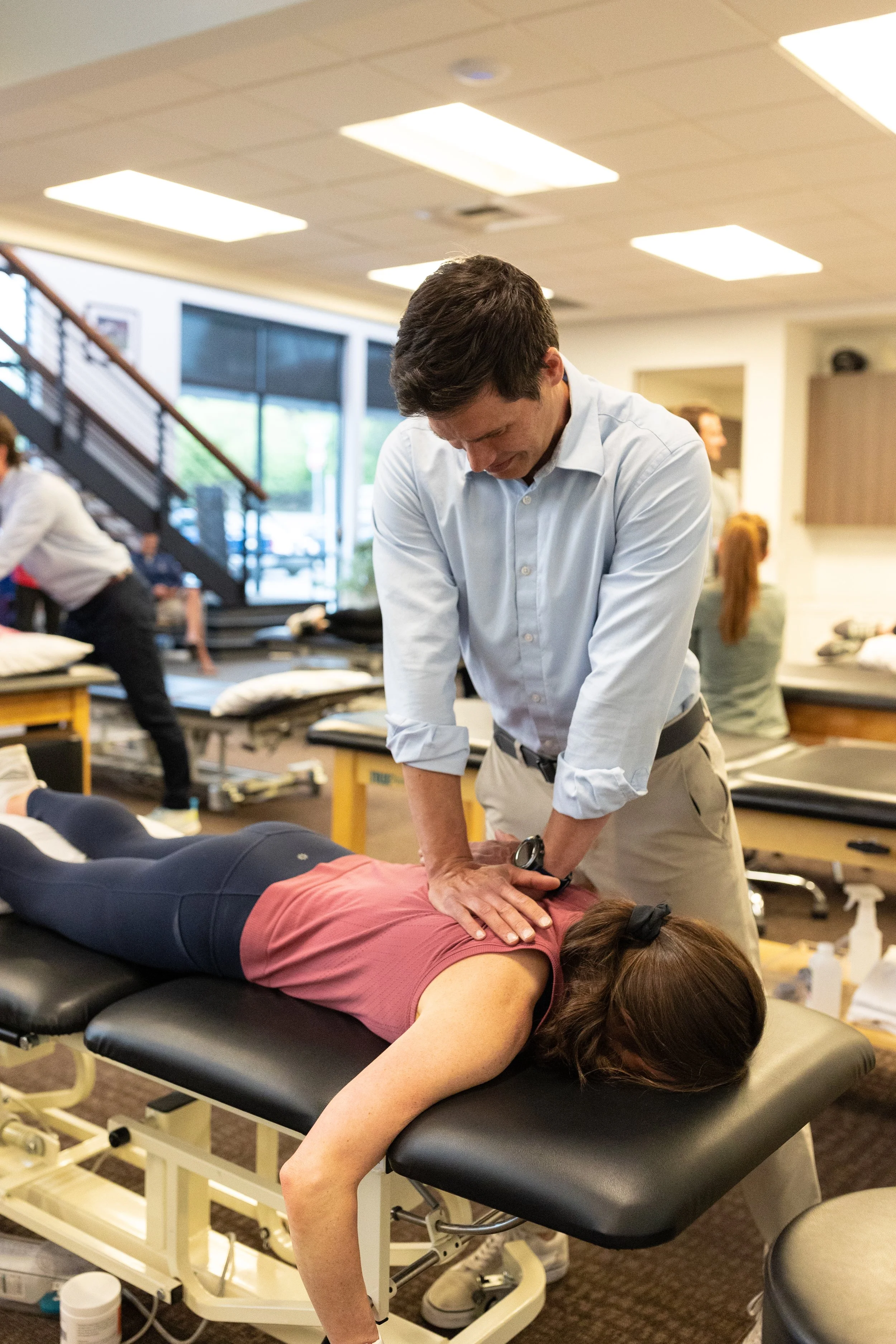
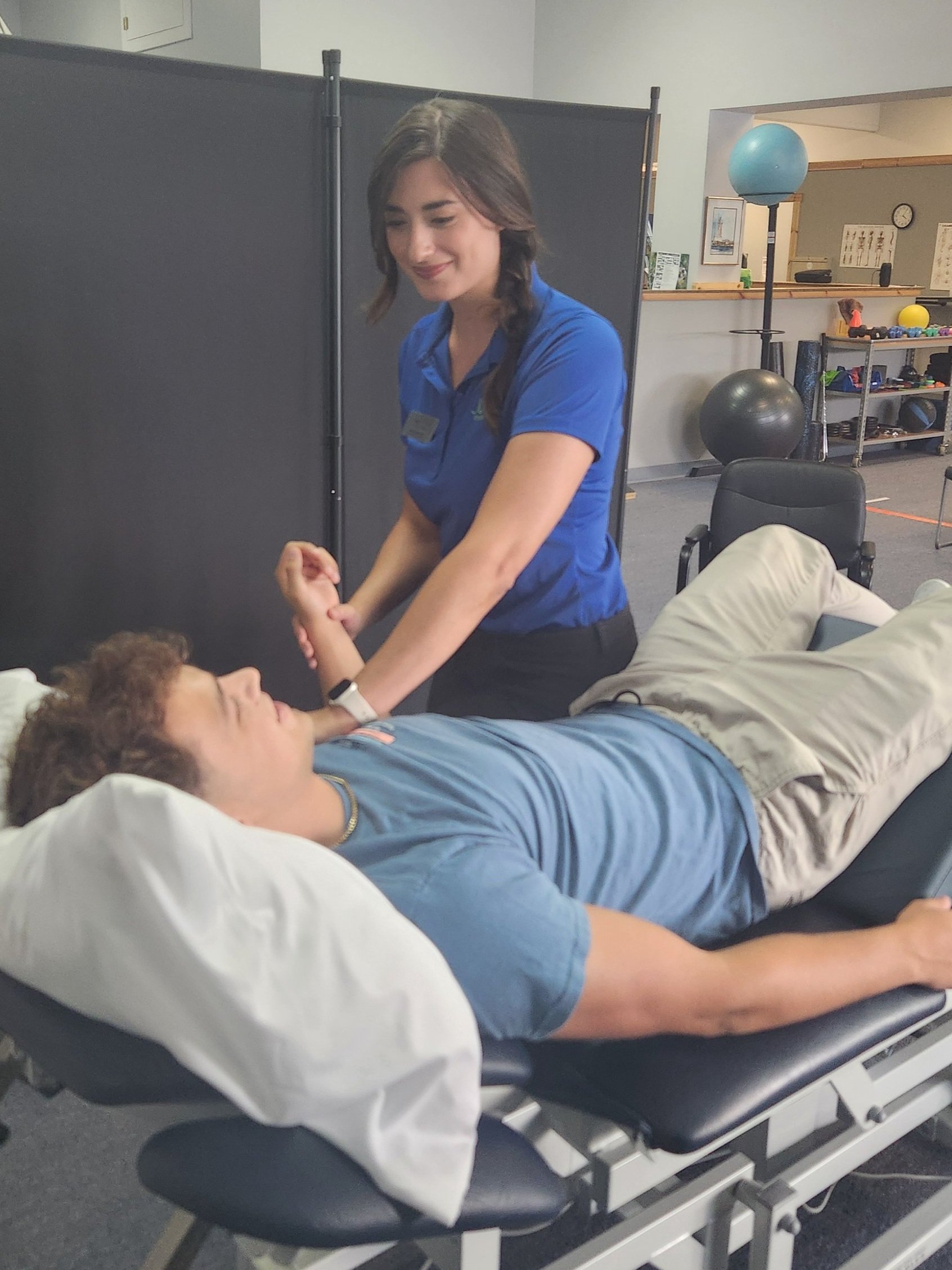
An associate degree in physical therapy—formally known as an Associate of Applied Science (AAS) in Physical Therapist Assistant (PTA) studies—is a specialized two-year program that prepares students to provide rehabilitative care under the supervision of a licensed Physical Therapist. This degree focuses on therapeutic exercise, anatomy, and patient mobility.
The field of physical therapy has evolved significantly, but the core requirement for entering the mid-level workforce remains the associate degree. If you are researching "associates in physical therapy," you are likely looking for a career that balances scientific knowledge with hands-on patient interaction. In 2026, the demand for Physical Therapist Assistants continues to outpace many other healthcare roles due to an aging population and an increased focus on non-opioid pain management and functional mobility.
Defining the Associate Degree in Physical Therapy
It is essential to clarify a common point of confusion: you cannot become a "Physical Therapist" (PT) with an associate degree. As of 2026, becoming a PT requires a Doctor of Physical Therapy (DPT) degree. However, an Associate of Applied Science (AAS) is the industry-standard credential for becoming a Physical Therapist Assistant (PTA).
The PTA is a healthcare professional who works directly with patients to implement treatment plans designed by the PT. While the PT performs the initial evaluation and diagnosis, the PTA is often the person the patient sees most frequently during their recovery journey. They guide patients through exercises, use modalities like ultrasound or electrical stimulation, and document progress to ensure the treatment is effective.
Choosing this path is often a strategic financial and temporal decision. While a DPT requires seven years of post-secondary education, the associate degree allows you to enter the clinical workforce in approximately 24 months, providing a faster return on investment while still offering a meaningful healthcare career.
Admission Requirements and Prerequisites
Entering a PTA program is a competitive process. Because these programs involve high-stakes clinical placements and rigorous science curricula, schools often have "capped" enrollment, meaning they only accept a limited number of students each year.
Academic Prerequisites
Most programs require a foundation in the "hard" sciences. Before you are officially admitted into the technical phase of a PTA program, you will likely need to complete several general education courses with a minimum GPA (often 3.0 or higher). Common prerequisites include:
- Anatomy and Physiology I & II: Understanding the musculoskeletal, nervous, and cardiovascular systems is the backbone of physical therapy.
- Medical Terminology: Essential for reading patient charts and communicating with the healthcare team.
- Introduction to Psychology: Helping patients deal with the mental and emotional hurdles of injury or chronic pain.
- Physics or Kinesiology: Understanding the mechanics of body movement.
Observation Hours
One of the most critical requirements for an associates in physical therapy is the completion of volunteer or "observation" hours. In 2026, most accredited programs require applicants to document between 40 and 100 hours of observation in a licensed physical therapy setting. This ensures the applicant understands the daily realities of the job. It is highly recommended to split these hours between different settings, such as an outpatient clinic and an inpatient hospital environment, to show a well-rounded interest in the field.
Background Checks and Health Screenings
Because PTAs work intimately with vulnerable populations, programs require extensive criminal background checks, drug screenings, and proof of immunizations. Students must also maintain CPR certification (Basic Life Support for Healthcare Providers) throughout the duration of the program.
The Core Curriculum: What You Will Study
The curriculum for an associate degree in physical therapy is divided into two segments: the didactic (classroom) phase and the clinical (hands-on) phase.
Foundational Science and Theory
In the first year, students focus on the "why" behind the movement. You will study Kinesiology, which is the mechanics of body movements, and Pathophysiology, the study of how diseases and injuries affect body functions. You will also learn about the legal and ethical boundaries of the profession, ensuring you understand the scope of practice for a PTA versus a PT.
Technical Skills and Interventions
As the program progresses, the focus shifts to "how." You will spend hours in the lab practicing:
- Therapeutic Exercise: Learning how to progress a patient from simple stretching to complex functional movements.
- Manual Therapy Techniques: Soft tissue mobilization and passive range of motion.
- Physical Agents: The application of heat, cold, light, water, and electricity to promote healing and reduce pain.
- Gait Training: Teaching patients how to walk again using walkers, crutches, or prosthetics.
Clinical Rotations (The Practicum)
The hallmark of an accredited associate degree is the clinical rotation. These are full-time, unpaid work experiences where you are placed in a real-world clinic under the supervision of a Clinical Instructor (CI). Most programs include at least two or three rotations, lasting 4 to 8 weeks each. This is where you translate textbook knowledge into patient care, learning how to manage a busy caseload and interact with diverse patient populations.
Accreditation: The CAPTE Requirement
When searching for a program, the single most important factor is accreditation by the Commission on Accreditation in Physical Therapy Education (CAPTE).
If you graduate from a program that is not CAPTE-accredited, you will be ineligible to sit for the National Physical Therapy Exam (NPTE), which is the mandatory licensing exam in all 50 states. Before enrolling, verify the program's status on the official CAPTE website. Accreditation ensures that the program meets the rigorous standards required to produce safe, competent healthcare providers.
Costs and Financial Considerations in 2026
The cost of obtaining an associate degree in physical therapy varies significantly based on the type of institution.
| Institution Type | Estimated Total Tuition (2026) | Program Length | Focus |
|---|---|---|---|
| Public Community College | $8,000 – $15,000 | 2 Years | Cost-effective, local clinicals |
| State University | $15,000 – $25,000 | 2 Years | Campus resources, bridge options |
| Private Technical College | $30,000 – $55,000 | 18–24 Months | Faster entry, higher debt load |
Students should also budget for "hidden" costs, which include:
- Clinical Site Travel: You may be placed at a clinic several hours away, requiring fuel or temporary lodging.
- Lab Fees: Costs for specialized equipment and supplies.
- Licensing Fees: The NPTE-PTA exam and state board registration fees often total between $600 and $900.
The Final Step: Licensing and the NPTE
Graduating with your associates in physical therapy is only the first step. To legally practice, you must pass the National Physical Therapy Examination (NPTE) for PTAs.
The NPTE is a 200-question, multiple-choice exam administered by the Federation of State Boards of Physical Therapy (FSBPT). It covers everything from safety and professional responsibilities to specific clinical interventions for various body systems (musculoskeletal, neuromuscular, cardiovascular, etc.).
In 2026, most states also require a "Jurisprudence Exam," which tests your knowledge of the specific laws and regulations governing physical therapy in that particular state. Once both exams are passed and your background check is cleared, you are granted a license to work as a PTA.
Career Outlook and Earning Potential
The career outlook for graduates with an associate degree in physical therapy remains exceptionally strong. According to the Bureau of Labor Statistics and 2026 industry projections, the employment of PTAs is expected to grow by nearly 15-20% over the next decade.
2026 Salary Expectations
While salaries vary by region and setting, the median annual wage for a Physical Therapist Assistant in 2026 is approximately $68,000 to $72,000. Those working in home health care or skilled nursing facilities tend to earn the highest wages, often exceeding $85,000 in high-demand urban areas.
Work Settings
As a PTA, you are not limited to a single environment. Common workplaces include:
- Outpatient Clinics: Treating sports injuries, post-surgical patients, and general orthopedic issues.
- Hospitals: Helping patients regain enough mobility to be safely discharged.
- Skilled Nursing Facilities (SNFs): Focusing on geriatric care and long-term rehabilitation.
- School Systems: Helping children with disabilities participate in school activities.
- Home Health: Providing therapy in the patient's own home, which is a rapidly growing sector in 2026.
PTA vs. PT Aide: Understanding the Difference
It is common for those new to the field to confuse the Physical Therapist Assistant (PTA) with a Physical Therapist Aide. They are very different roles:
- PTA: Requires an associate degree, requires state licensure, and provides direct clinical treatment.
- PT Aide: Typically requires only a high school diploma, does not require a license, and is restricted to non-clinical tasks like cleaning equipment, transporting patients, and administrative work.
A PTA has significantly more responsibility, higher pay, and more autonomy than an aide.
Continuing Education and Career Growth
Once you have your associate degree and license, your education does not stop. Most states require PTAs to complete Continuing Education Units (CEUs) every two years to maintain their license. This ensures you stay up-to-date with the latest evidence-based practices.
Furthermore, some PTAs choose to pursue the "Bridge Program" to become a Physical Therapist. These programs allow experienced PTAs to earn their DPT in a more streamlined fashion, though they are still rigorous and require significant additional schooling. Alternatively, PTAs can earn Advanced Proficiency Pathways (APP) designations through the American Physical Therapy Association (APTA) in specialties like geriatrics, pediatrics, or orthopedics.
Common Mistakes to Avoid
- Ignoring Math and Science in High School: If you know you want this degree, focus on biology and algebra early. Many programs have strict minimum grades for these subjects.
- Waiting to Get Observation Hours: Do not wait until the application deadline to find a clinic. Some facilities have long waitlists for students looking to observe.
- Assuming the Program is "Easy": Because it is an associate degree, some assume it is less difficult than a bachelor's. On the contrary, the "technical phase" is an intensive, full-time commitment that often leaves little room for outside work.
- Not Researching Pass Rates: Before choosing a school, ask for their NPTE pass rate. A school with a high graduation rate but a low board-exam pass rate is a major red flag.
FAQ: Frequently Asked Questions
Can I get an associate degree in physical therapy online?
While some "hybrid" programs exist in 2026, you cannot complete this degree entirely online. Physical therapy is a hands-on profession. You may be able to take general education classes online, but lab work and clinical rotations must be performed in person.
How long does it actually take to finish the program?
Most programs are structured as five consecutive semesters (including one summer), which takes about 21 to 24 months. If you have already completed your prerequisites, some accelerated programs may take 18 months.
Is there a difference between an AAS and an AA degree in this field?
Yes. An Associate of Applied Science (AAS) is designed to lead directly into a career. An Associate of Arts (AA) is usually a transfer degree for those planning to pursue a four-year bachelor's degree. For the PTA profession, the AAS is the standard.
What is the hardest part of the PTA program?
Most students find the "Kinesiology" and "Neuroscience" components the most challenging, as they require a deep understanding of how the brain and muscles communicate to create complex movements.
Are there "Bridge Programs" for PTAs to become PTs?
Yes, but they are rare and very competitive. These programs recognize your clinical experience as a PTA and allow you to work toward your Doctorate in Physical Therapy (DPT) while often maintaining part-time employment.
Recommended Next Steps
If you are ready to pursue an associate degree in physical therapy, your first step should be to identify all CAPTE-accredited programs in your region. Schedule a meeting with an academic advisor at your local community college to review your high school or previous college transcripts. Simultaneously, reach out to local physical therapy clinics to begin your observation hours; this will confirm if the daily reality of patient care aligns with your career goals.