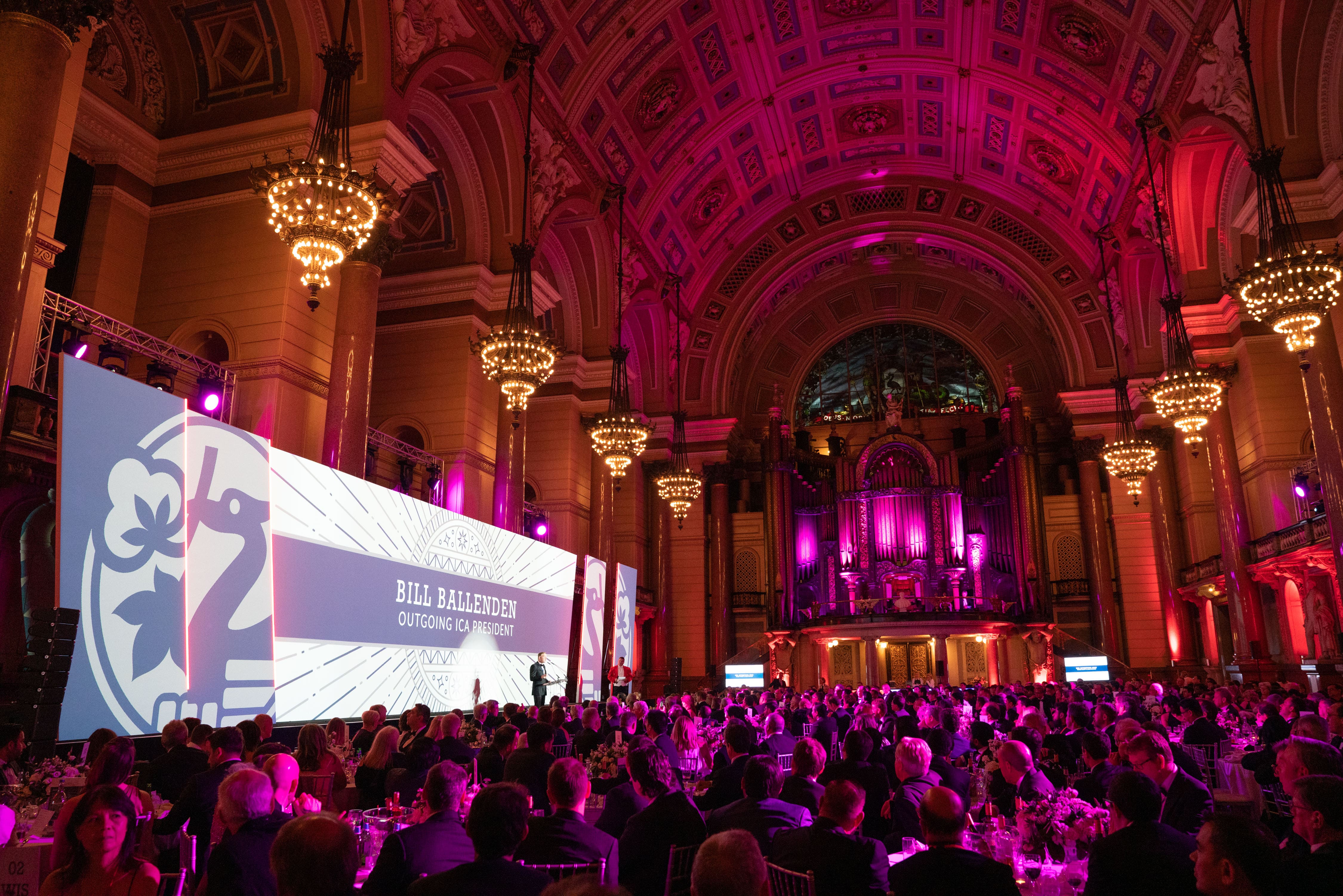
Association management consulting is a specialized professional service designed to help trade associations, professional societies, and non-profit organizations improve their operational efficiency, strategic direction, and member value. By leveraging external expertise, these organizations can navigate complex challenges such as digital transformation, governance restructuring, and revenue diversification that often exceed the internal capacity of volunteer boards and staff.
In 2026, the landscape for member-based organizations is defined by rapid technological shifts and changing workforce demographics. Whether an organization is struggling with stagnant membership numbers or needs to overhaul its technology stack, association management consulting provides the data-driven frameworks necessary to ensure long-term sustainability and relevance in a competitive professional environment.
The Strategic Role of Association Management Consulting
The primary objective of association management consulting is to bridge the gap between an organization’s current performance and its mission-driven potential. Unlike general business consulting, this niche field requires a deep understanding of the unique "triple-bottom-line" of associations: financial health, member satisfaction, and mission impact.
Consultants in this space act as objective third parties. This objectivity is critical when dealing with volunteer boards of directors who may have conflicting priorities or lack the technical expertise required for high-level organizational design. By 2026, the consulting process has evolved to prioritize agile methodologies, moving away from static multi-year plans toward dynamic, data-responsive strategies that allow associations to pivot as industry trends shift.
Organizational Assessment and Health Audits
The engagement typically begins with a comprehensive organizational assessment. Consultants analyze financial statements, membership churn rates, staff performance metrics, and governance documents. This "health audit" identifies structural weaknesses—such as excessive committee overhead or antiquated dues models—that prevent the association from acting decisively.
Governance Reform and Board Alignment
Governance is often the most significant bottleneck in association growth. Consultants help boards move from operational micromanagement to strategic oversight. This often involves "right-sizing" the board, implementing competency-based recruitment, and developing clear policies that delineate the roles of the Chief Executive Officer (CEO) and the volunteer leadership. In the current 2026 environment, this also includes integrating environmental, social, and governance (ESG) criteria into the association’s core charter.
Key Service Pillars in Association Management
Association management consulting is not a monolithic service; it is divided into several specialized pillars that address specific lifecycle stages of an organization. Understanding these pillars helps leaders determine the type of expertise they need to engage.
1. Strategic Planning and Visioning
Strategic planning remains the cornerstone of consulting services. However, the 2026 model of strategic planning focuses on "rolling frameworks" rather than fixed five-year documents. Consultants facilitate sessions that help leaders identify their "North Star" while maintaining the flexibility to respond to market disruptions. This includes scenario planning, where the organization prepares for various economic and regulatory futures.
2. Technology and Digital Transformation
With the maturation of artificial intelligence and advanced data analytics, associations face immense pressure to modernize. Consultants assist in the selection and implementation of:
- Association Management Systems (AMS): The central database for member records and transactions.
- Learning Management Systems (LMS): Platforms for delivering professional certification and continuing education.
- Data Governance Frameworks: Ensuring member data is handled ethically and in compliance with global privacy laws like GDPR and updated domestic regulations.
3. Revenue Diversification and Financial Sustainability
Relying solely on membership dues is a high-risk strategy. Consultants specialize in identifying "non-dues revenue" opportunities. This includes developing corporate sponsorship programs, creating tiered "freemium" membership models, and monetizing industry research or data products. The goal is to build a diversified portfolio that shields the association from fluctuations in industry-specific employment or economic downturns.
4. Membership Experience and Value Proposition
Modern professionals expect high-touch, personalized experiences. Consultants use member journey mapping to identify where the association is losing engagement. They help redefine the value proposition to ensure it resonates with younger generations (Gen Z and Gen Alpha entering the workforce) who may value digital networking and social advocacy over traditional physical journals or annual conventions.
Comparing Consulting Models: Project-Based vs. Full-Service
When an association identifies a need for external help, it must choose between hiring a specialist consultant for a specific task or transitioning to an Association Management Company (AMC).
| Feature | Project-Based Consulting | Association Management Company (AMC) |
|---|---|---|
| Scope | Targeted (e.g., Strategic Plan, Tech Audit) | Full-service (Executive, Finance, Admin) |
| Duration | Short-term (3–12 months) | Long-term partnership (Years) |
| Staffing | Advisor works with existing staff | AMC provides its own staff and office |
| Primary Goal | Solving a specific organizational problem | Managing day-to-day operations and growth |
| Cost Structure | Flat fee or hourly rate per project | Management fee + direct expense reimbursement |
| Best For | Associations with established, capable staff | Small-to-mid sized associations seeking scale |
The Selection Process: Finding the Right Partner
Choosing an association management consultant requires more than just reviewing a proposal. Because consultants deal with sensitive governance and financial data, the selection process must be rigorous.
Defining the Scope of Work (SOW)
Before reaching out to firms, the board or search committee must define the problem they are trying to solve. A vague request for "help with membership" will result in vague proposals. Instead, the SOW should specify goals: "Increase retention of members aged 25–35 by 15% over 18 months."
Vetting and Credentials
In 2026, reputable consultants often hold the Certified Association Executive (CAE) credential or belong to the AMC Institute, which sets accreditation standards for management firms. Verification should include:
- Case Studies: Evidence of solving similar problems for peer organizations.
- Conflict of Interest Check: Ensuring the consultant does not represent a direct competitor or a vendor they might recommend (especially in tech selection).
- Cultural Fit: Since consultants must influence the board and staff, their communication style must align with the organization's culture.
The RFP and Interview Phase
The Request for Proposal (RFP) process should limit the number of invited firms to 3–5 to ensure a manageable evaluation. During interviews, boards should pay attention to how the consultant handles pushback. A consultant who simply agrees with the board is less valuable than one who is willing to challenge status-quo thinking with data-backed evidence.
Common Pitfalls in Association Consulting Engagements
Even with a talented consultant, engagements can fail if the organization is not prepared for change. Understanding these risks is essential for a successful ROI.
- Lack of Internal Buy-in: If the staff feels threatened by the consultant’s presence, they may withhold information or sabotage the implementation of new strategies. Transparency from the CEO is required to frame the consultant as a "force multiplier" rather than a replacement.
- The "Shelf-Ware" Syndrome: This occurs when a consultant delivers a brilliant 100-page strategic plan that the board approves and then never looks at again. To avoid this, engagements should include "Implementation Support" phases where the consultant stays on to help execute the first few milestones.
- Scope Creep: Without a strict SOW, projects can expand into areas where the consultant lacks expertise, leading to diluted results and increased costs.
- Failure to Define Success Metrics: Associations often forget to establish what "success" looks like in quantifiable terms. Key Performance Indicators (KPIs) should be agreed upon at the start of the contract.
Future Trends: Association Management in 2026 and Beyond
As we navigate 2026, the role of the consultant has shifted toward helping associations become "Data-First" organizations. This involves moving away from anecdotal feedback ("I heard a member say they don't like the website") to behavioral analytics ("Data shows 40% of members drop off at the payment page").
Furthermore, there is a significant focus on Generational Transition Consulting. As Baby Boomer leaders retire, associations are losing decades of institutional knowledge. Consultants are increasingly hired to build "Knowledge Management" systems and succession plans that ensure a smooth handoff to millennial and Gen Z leaders who have different leadership styles and technological expectations.
Frequently Asked Questions
What is the difference between an AMC and a consultant?
A consultant is typically hired for a specific, time-bound project like a strategic plan or a technology audit. An Association Management Company (AMC) provides the full infrastructure for an association, including the executive director, headquarters, and administrative staff, often managing multiple associations under one roof to share costs.
How much does association management consulting cost?
Fees vary significantly based on the project scope and the consultant's experience. Small-scale strategic assessments may start at $10,000, while comprehensive governance overhauls or multi-year digital transformation projects for large international societies can exceed $100,000. Most firms offer either flat-project fees or monthly retainers.
How long does a typical consulting engagement last?
A standard strategic planning engagement usually lasts between 3 and 6 months. A technology selection and implementation project can take 9 to 18 months, depending on the complexity of the data migration and staff training requirements.
Can a consultant help with declining membership?
Yes. Consultants conduct "Member Value Audits" to determine why members are leaving. They analyze the competitive landscape, evaluate the price-to-value ratio of dues, and help create targeted recruitment and retention campaigns based on behavioral data rather than guesswork.
Does our association need a consultant if we have a competent Executive Director?
A competent Executive Director (ED) is often the one who requests a consultant. The ED is frequently too busy with day-to-day operations to conduct the deep-dive research or facilitate the objective board discussions required for major pivots. A consultant provides the "extra hands" and external authority needed to drive significant change.
Recommendation for Leadership
For associations considering management consulting, the first step is to conduct a Gap Analysis. Determine exactly where the organization’s current internal expertise ends. If your board is spending more time talking about the color of the gala napkins than the five-year industry outlook, you likely need a governance-focused consultant. If your staff is struggling with manual data entry across three different spreadsheets, a technology consultant is the priority.
Begin by reaching out to peers in similar industries for referrals and look for firms that demonstrate a commitment to the specific nuances of the non-profit sector. A successful consulting engagement in 2026 is one that leaves the association more agile, data-informed, and deeply connected to its members' professional needs.