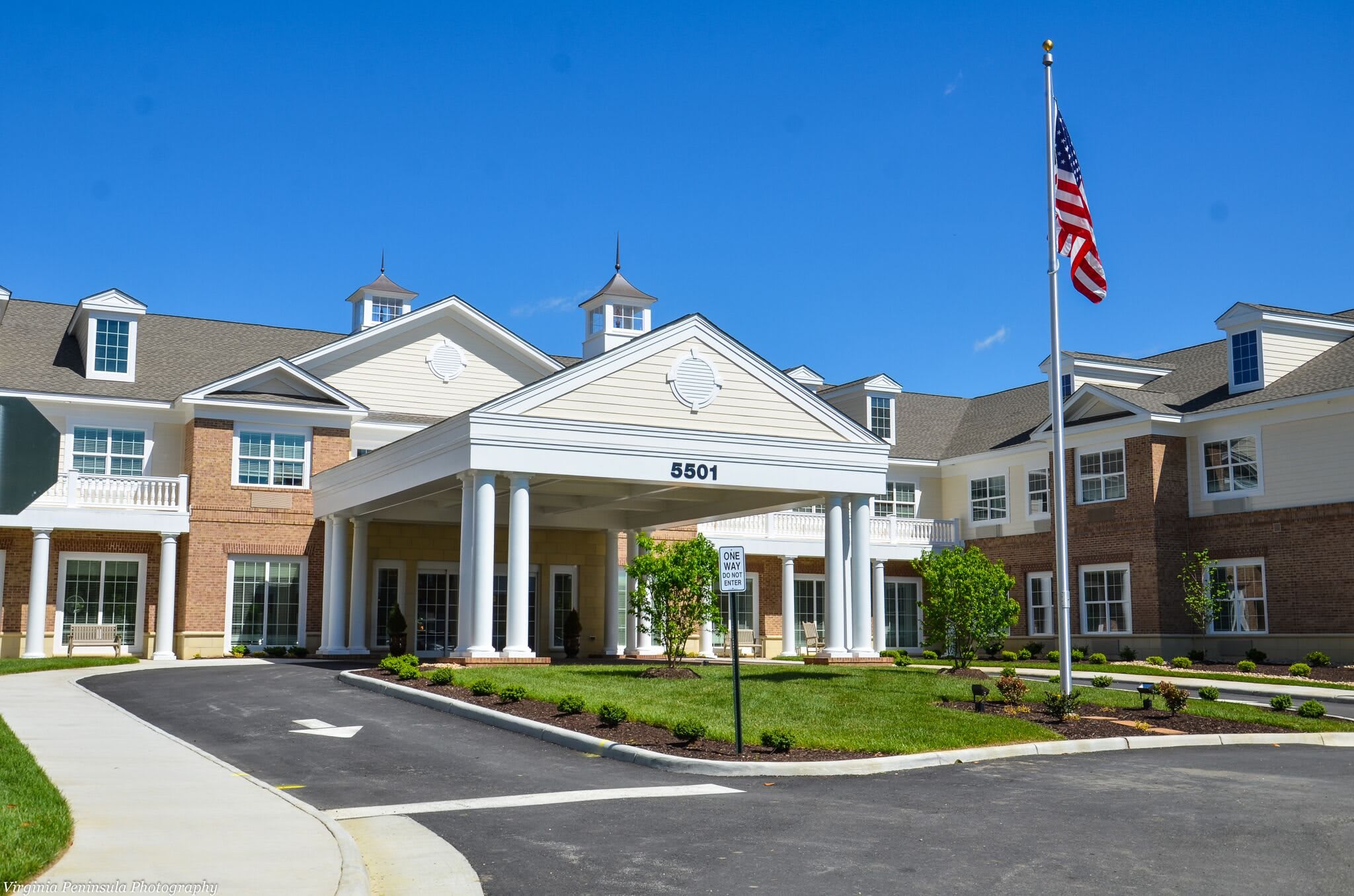
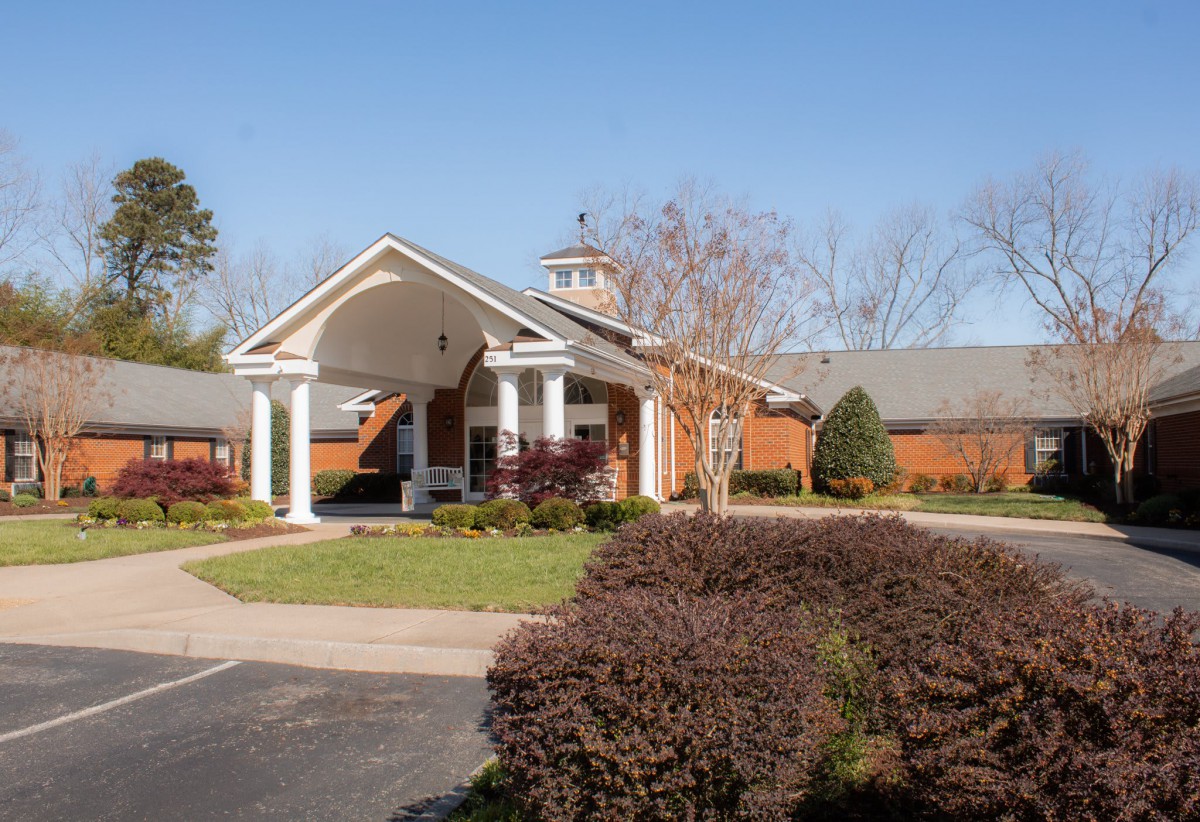
Finding the right assisted living facility in Williamsburg, Virginia, involves evaluating local care standards, state licensing regulations under the Virginia Department of Social Services, monthly costs, and specialized memory care options available in the historic triangle region.
Selecting an assisted living community is a significant milestone for older adults and their families, particularly in a historic destination like Williamsburg, Virginia. Known for its rich colonial history, tree-lined neighborhoods, and proximity to major healthcare systems like Sentara Williamsburg Regional Medical Center, Williamsburg has become a sought-after location for retirees. However, navigating the local senior care landscape requires a clear understanding of what assisted living provides, how Virginia licenses and regulates these facilities, what financial resources are available to offset costs, and how to evaluate communities to ensure a safe, enriching environment.
Understanding Assisted Living in Virginia
Assisted living facilities (ALFs) in Virginia are residential arrangements that provide personal care services, 24-hour supervision, and scheduled health-related services. Unlike nursing homes, which offer heavy medical and skilled nursing care around the clock, assisted living is designed for individuals who value independence but require varying degrees of assistance with activities of daily living (ADLs), such as bathing, dressing, medication management, and mobility.
The Commonwealth of Virginia categorizes assisted living facilities by the level of care they are authorized to provide. Understanding these regulatory tiers helps families match their loved one's current and future needs with the appropriate facility:
- Residential Living: Designed for residents who are largely independent and require minimal assistance with ADLs, primarily focusing on meals, housekeeping, laundry, and general oversight.
- Assisted Living Care: Tailored for individuals who require moderate to substantial assistance with personal care tasks, medication administration, and coordinated healthcare monitoring.
- Specialized Care (Memory Care): Geared toward individuals with Alzheimer's disease or other forms of dementia. These units or dedicated facilities feature secure perimeters, specialized programming, and staff trained extensively in dementia behavioral management.
In Williamsburg, facilities must be licensed by the Virginia Department of Social Services (VDSS) Division of Licensing Programs. Families can review public inspection reports, compliance histories, and any past licensing violations directly through the VDSS public search tool.
Key Factors When Evaluating Williamsburg Assisted Living Communities
Choosing a facility in the Williamsburg area goes beyond touring a clean building and sampling the dining hall menu. A thorough evaluation requires examining several operational, medical, and lifestyle dimensions.
1. Staff-to-Resident Ratios and Staffing Stability
The quality of care in any assisted living community is directly tied to its staff. Prospective residents and their families should inquire about nurse-to-resident and aide-to-resident ratios during both day and night shifts. High staff turnover can indicate poor management, leading to inconsistent care and safety risks. Ask how long the executive director and director of nursing have been with the community.
2. Healthcare Coordination and Clinical Capabilities
While assisted living facilities are not medical hospitals, their ability to manage chronic conditions varies. Families should assess whether a facility can accommodate specific health needs, such as diabetes management (including insulin injections), oxygen therapy, physical therapy, and incontinence care. It is equally important to understand how the facility handles emergency situations, including proximity to Sentara Williamsburg Regional Medical Center and local emergency medical services.
3. Transition and Aging-in-Place Policies
A critical question for long-term planning is whether a community can support aging in place. If a resident's physical or cognitive health declines significantly, will they be forced to move to a skilled nursing facility, or can the assisted living community bring in third-party home health or hospice care? Understanding these retention criteria prevents disruptive, unexpected relocations later.
4. Life Enrichment, Activities, and Social Engagement
Isolation can profoundly impact the physical and mental health of older adults. Quality assisted living communities in Williamsburg offer diverse activities calendars that reflect local interests, ranging from lectures on Virginia history and garden clubs to exercise classes, art workshops, and group outings to Colonial Williamsburg or local shopping centers.
Financial Planning and Cost of Assisted Living in Williamsburg
The cost of assisted living in Williamsburg, VA, varies depending on the size of the apartment, the baseline community fee, and the tier of personal care required. On average, monthly costs for assisted living in the region range from $4,500 to $6,500, while specialized memory care units typically add an extra $1,000 to $1,500 per month due to higher staffing requirements and enhanced security infrastructure.
Breakdown of Cost Structures
- Community Fee: A one-time, non-refundable community or assessment fee charged upon move-in, typically ranging from $1,500 to $3,500.
- Base Rent: Covers the apartment unit, utilities (excluding personal phone or cable), maintenance, housekeeping, dining, and general activities.
- Care Tier Fees: Many facilities utilize a point-based assessment system. Residents are evaluated upon admission and periodically thereafter to determine the exact amount of assistance needed with ADLs, scaling the monthly care fee accordingly.
Funding Sources and Assistance Programs
Navigating how to pay for assisted living requires evaluating personal assets, insurance, and state programs:
| Funding Source | Description & Eligibility Notes |
|---|---|
| Private Pay | Personal savings, retirement accounts (IRAs, 401ks), pensions, and stock portfolios. |
| Long-Term Care Insurance | Policies purchased years prior that may cover a daily or monthly indemnity amount for assisted living, subject to elimination periods and policy triggers (e.g., needing help with two or more ADLs). |
| Veterans Aid and Attendance Benefit | A monthly pension enhancement available to wartime veterans and surviving spouses who require assistance with ADLs. Applications are processed through the U.S. Department of Veterans Affairs. |
| Virginia Commonwealth Coordinated Care Plus (CCC Plus) | A Medicaid managed care program that provides coverage for long-term services and supports, including assisted living, for eligible low-income seniors who meet nursing facility level of care criteria. Availability of Medicaid-contracted assisted living slots varies by facility. |
| Bridge Loans | Short-term loans utilized by families to cover move-in costs and immediate care expenses while waiting for real estate to sell or long-term care insurance claims to process. |
Comparing Senior Living Options in the Region
Families often weigh assisted living against other senior housing models. Making the right choice depends on the senior's current level of autonomy and medical requirements.
- Independent Living Communities: Best for active seniors who require zero assistance with daily activities. These communities focus on maintenance-free living, socialization, and amenities. They do not provide licensed personal care or medication management.
- Assisted Living Facilities (ALFs): Designed for individuals needing moderate personal care, medication administration, and safety oversight while maintaining a degree of independence.
- Continuing Care Retirement Communities (CCRCs) / Life Plan Communities: Offer a continuum of care on a single campus, ranging from independent living to assisted living, memory care, and skilled nursing. This allows residents to transition seamlessly as their health needs change. Several CCRCs operate in the greater Williamsburg and James City County area.
- Nursing Homes (Skilled Nursing Facilities): Provide 24-hour medical nursing care, rehabilitation, and intensive clinical oversight for individuals with severe chronic illnesses or post-acute recovery needs.
Step-by-Step Guide to Selecting a Facility
To ensure a smooth transition and find a community that aligns with your family's expectations, follow this structured evaluation process:
- Assess Care Needs: Consult with a primary care physician to document current medical diagnoses, medication schedules, and functional limitations regarding ADLs.
- Establish a Budget: Calculate total monthly income, review insurance policies, consult a financial planner regarding asset protection, and set a realistic price ceiling.
- Draft a Longlist: Research licensed facilities in Williamsburg, James City County, and York County using online directories and VDSS compliance databases.
- Schedule Unannounced and Scheduled Visits: Tour at least three communities. Schedule one formal tour and, if possible, drive by or walk through common areas unannounced at different times of the week to observe staff demeanor, cleanliness, and resident engagement.
- Review the Resident Agreement: Carefully read the disclosure statement, fee schedule, eviction policies, and refund terms before signing any contract. Consider having an elder law attorney review complex financial agreements.
Frequently Asked Questions
What is the difference between assisted living and a nursing home in Virginia?
Assisted living focuses on personal care, housing, and social support for individuals who need help with daily tasks like bathing and dressing. Nursing homes provide skilled nursing care, 24-hour medical supervision, and intensive rehabilitation services for individuals with complex medical conditions.
Does Medicare pay for assisted living in Williamsburg, VA?
No. Medicare does not cover the room, board, or personal care services provided in assisted living facilities. Medicare may cover temporary skilled nursing care or home health services under strict conditions, but it does not fund long-term custodial care in an ALF.
How are assisted living facilities regulated in Virginia?
Assisted living facilities in the Commonwealth are licensed and inspected by the Virginia Department of Social Services (VDSS) Division of Licensing Programs. They must adhere to state regulations regarding staff training, building safety, food service, and resident rights.
Can a resident with Alzheimer's disease live in a standard assisted living facility?
Some individuals in the early stages of cognitive impairment can reside in standard assisted living. However, individuals with moderate to advanced dementia typically require a secure memory care unit or specialized facility equipped with alarmed doors, wandering prevention systems, and specialized staff training.
What should I look for during a tour of a Williamsburg assisted living facility?
Pay close attention to sensory details: check the cleanliness and odor of the hallways, observe how staff interact with residents (look for patience and respect), sample a meal in the dining room, and ask current residents or visiting families about their honest experiences with management and care quality.
Next Actions and Professional Guidance
Choosing an assisted living facility in Williamsburg requires balancing medical realities, emotional readiness, and financial logistics. Begin by scheduling a comprehensive functional assessment with your aging loved one's physician to define their exact care tier. Next, contact local senior placement specialists or social workers familiar with the Williamsburg, James City County, and York County care networks to compile verified facility lists. Prioritize touring multiple locations, reviewing state licensing records, and consulting with an elder law attorney to safeguard your family's financial future before signing any residential agreements.