Finding the right senior care option requires balancing health needs, lifestyle preferences, and financial realities. In Salt Lake City, Utah, assisted living communities offer a middle ground for older adults who value their independence but require daily support with medication management, personal care, or mobility. Families exploring these local communities must navigate a distinct regulatory environment, diverse pricing structures, and unique geographical considerations shaped by the Wasatch Front.
Understanding Assisted Living in the Salt Lake City Context
Assisted living in Salt Lake City, Utah, provides residential housing coupled with supportive services designed to foster independence while maintaining a safety net for aging residents. Unlike nursing homes, which deliver 24-hour skilled nursing care for complex medical conditions, assisted living facilities (ALFs) focus on help with activities of daily living (ADLs) such as bathing, dressing, eating, and medication administration.
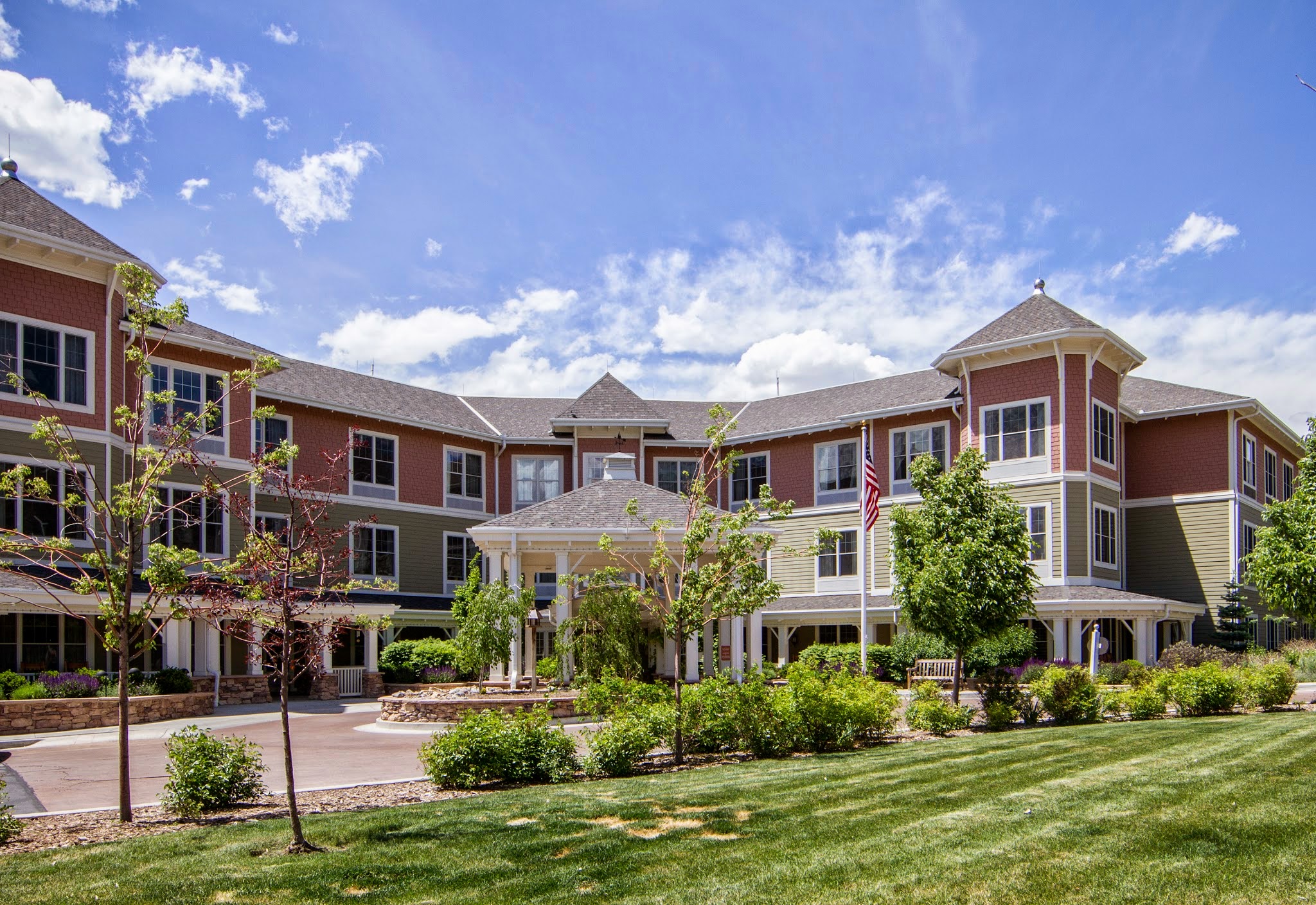
Salt Lake City features a broad spectrum of these communities, ranging from small, converted residential care homes in neighborhoods like Sugar House and the Avenues to large, resort-style campus facilities situated near major medical hubs such as the University of Utah Health and Intermountain Medical Center. This urban and suburban mix allows seniors to remain close to established healthcare networks, cultural institutions, and family members living along the Wasatch Front.
The decision to transition into an assisted living facility often follows a progressive loss of independence at home or a specific medical event, such as a fall or a chronic health diagnosis. Evaluating local options involves understanding how these facilities operate under state law, how services are billed, and what families can expect from day-to-day community life.
Regulatory Framework and Oversight in Utah
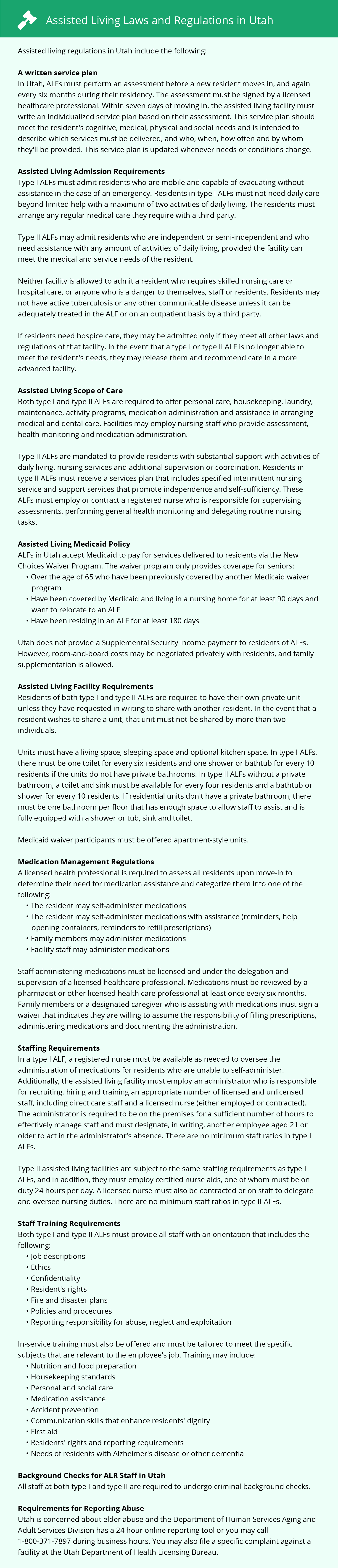
Assisted living facilities in Utah are strictly regulated and licensed by the Utah Department of Health and Human Services (DHHS), specifically through the Bureau of Health Facility Licensing and Certification. Understanding these regulatory tiers helps families match their relative's clinical needs with a facility's legal scope of practice.
Utah licenses assisted living facilities under two distinct categories based on the level of care they are authorized to provide:
- Type I Facilities: Designed for residents who are physically and mentally capable of evacuating the building in the event of an emergency without extensive staff assistance. These facilities provide room, board, and light personal care services.
- Type II Facilities: Designed for residents who may require physical assistance to evacuate, have cognitive impairments, or need more advanced nursing oversight. Type II facilities accommodate individuals with higher care needs, including those with moderate-to-advanced dementia, provided the facility has the appropriate staffing and architectural layouts to support them.
In addition to licensing tiers, Utah regulations mandate minimum staff-to-resident ratios, background checks for all employees, initial and ongoing health assessments for residents, and specific square footage requirements for private and semi-private apartments. Families should request a facility's most recent state licensing inspection report during their tours to review any documented citations or compliance history.
Financial Landscape: Costs and Funding Options
The cost of assisted living in Salt Lake City, Utah, varies widely depending on the size of the apartment, the geographic location within the Salt Lake Valley, and the tier of care required. On average, monthly costs hover near regional and national medians, though upscale amenities and specialized memory care units command higher rates.
Breaking Down the Costs
Monthly rent typically covers room and board, utilities, housekeeping, basic maintenance, scheduled transportation, and social activities. However, the base rent is rarely the final monthly total. Most facilities use a tiered care model or an "a la carte" assessment system where personalized care services are billed separately.
| Expense Category | Typical Monthly Cost Range | What It Includes |
|---|---|---|
| Base Rent (Studio/1-Bedroom) | $3,500 – $5,500 | Apartment, utilities, dining, activities, routine housekeeping |
| Tiered Personal Care Add-On | $500 – $2,500 | Assistance with ADLs, medication management, mobility support |
| Community/Assessment Fee | $1,500 – $3,000 (One-time) | Initial nursing assessment, apartment turnover, administrative processing |
| Specialized Memory Care | $5,500 – $8,000+ | Secure environment, specialized programming, higher staff ratios |
Navigating Payment Sources
Paying for assisted living requires careful financial planning, as Medicare does not cover the room-and-board costs associated with long-term custodial care. Families typically rely on a mix of the following resources:
- Private Pay: Personal savings, retirement accounts, pensions, and Social Security benefits.
- Long-Term Care Insurance: Policies purchased years in advance that may cover a portion of assisted living expenses, subject to policy elimination periods and daily caps.
- Veterans Benefits: The U.S. Department of Veterans Affairs offers the Aid and Attendance pension benefit, which provides supplemental monthly payments to qualifying wartime veterans and surviving spouses who require assistance with daily activities.
- Medicaid Waivers: Utah operates the New Choices Waiver, which helps transition eligible individuals from nursing facilities back into community-based settings like assisted living, though availability and enrollment slots are limited.
Evaluating and Selecting the Right Facility
Touring multiple facilities is an indispensable step in the selection process. A facility that looks impressive online may not align with a resident's specific clinical, social, or dietary needs. Families should approach tours with a structured checklist and observe both the physical environment and staff interactions.
Key Factors to Inspect
- Staff-to-Resident Interactions: Observe how staff speak to residents in common areas. Are they patient, respectful, and attentive? High staff turnover is a red flag indicating potential burnout and compromised care quality.
- Dining Services: Ask to share a meal in the dining room. Food quality, variety, and the ability to accommodate specialized diets (such as low-sodium, diabetic, or pureed options) directly impact a resident's daily quality of life and nutrition.
- Life Enrichment Programs: Review the monthly activity calendar. Look beyond passive entertainment like television to find active, engaging programs such as exercise classes, cognitive games, musical performances, and community outings.
- Safety and Accessibility: Check for emergency call systems in bedrooms and bathrooms, secure entry and exit points (especially critical for memory care units), well-lit hallways, and handrails.
- Clinical Capabilities: Inquire about how the facility handles changing medical needs. If a resident's mobility declines significantly or they develop diabetes requiring insulin injections, can the current facility accommodate those changes, or will the resident be forced to move?
Geography and Neighborhoods in the Salt Lake Valley
Salt Lake City and its surrounding municipalities offer distinct settings for senior living communities. When choosing a location, consider proximity to family members, traffic patterns along I-15 and I-215, and access to specialized healthcare systems.
- Downtown and Sugar House: Ideal for seniors who enjoy walkable urban environments, local coffee shops, parks, and proximity to downtown cultural venues. Properties here are often smaller or integrated into mixed-use developments.
- The East Bench (Millcreek, Holladay, Cottonwood Heights): Nestled against the Wasatch Mountains, these areas offer scenic views, quieter suburban neighborhoods, and close proximity to major medical centers like St. Mark's Hospital.
- The West Valley and South Valley (Murray, Sandy, West Jordan): Generally feature larger, purpose-built campus settings with expansive grounds, parking, and a wide variety of floor plans, often located near major retail centers and interstate access.
Frequently Asked Questions
What is the difference between assisted living and a nursing home in Utah?
Assisted living facilities are designed for individuals who need help with daily activities like bathing, dressing, and medication management while maintaining a degree of independence. Nursing homes, or skilled nursing facilities, provide heavy medical oversight, 24-hour nursing care, and rehabilitation services for individuals with complex, unstable medical conditions.
Does Medicare pay for assisted living in Salt Lake City?
No. Medicare covers short-term skilled nursing care, rehabilitation, and home health services under strict conditions, but it does not pay for long-term custodial care or room and board in assisted living facilities.
How do I verify the licensing record of an assisted living facility in Utah?
Families can review official licensing records, inspection reports, and any past violations through the Utah Department of Health and Human Services Bureau of Health Facility Licensing and Certification. This public database helps consumers verify whether a facility is in good standing.
Can a resident stay in an assisted living facility as their dementia progresses?
It depends on the facility's licensing tier and setup. Type II facilities are permitted to care for individuals with cognitive impairments, and many communities feature dedicated, secure memory care wings. However, if a resident's behavioral symptoms escalate beyond what the facility is licensed or staffed to handle, a transfer to a specialized memory care or skilled nursing facility may become necessary.
What should I look for in an assisted living residency agreement?
Review the contract carefully for base rent inclusions, the methodology used for calculating personal care add-on fees, notice periods required for moving out or rate increases, and policies regarding refunds of community or assessment fees. Having an elder law attorney review complex contracts is recommended before signing.
Next Actions for Families
Initiating the transition to assisted living begins with a thorough assessment of your loved one's current medical, physical, and financial status. Schedule consultations with a primary care physician to document current care needs, organize financial documents to establish a realistic monthly budget, and tour at least three distinct facilities in the Salt Lake City area. Asking direct questions during tours and reviewing official Utah DHHS compliance records will ensure a safe, supportive, and dignified living arrangement for your family member.