Assisted living licensing requirements are the regulatory frameworks established by state and local governments to govern the operation, safety, staffing, and care standards of residential facilities that support older adults and individuals with disabilities. These legal mandates dictate everything from physical building codes and staff-to-resident ratios to medication administration protocols, resident rights, and emergency preparedness. Navigating these requirements is essential for operators seeking to establish or maintain a facility, as well as for families looking to verify the safety and legitimacy of a care provider.
The Purpose and Scope of Assisted Living Regulation
Assisted living bridges the gap between independent living and nursing home care, offering personal care services, medication management, and daily living assistance within a residential setting. Because these communities house vulnerable populations, state governments establish licensing frameworks to protect residents from abuse, neglect, and substandard care while ensuring a homelike environment.
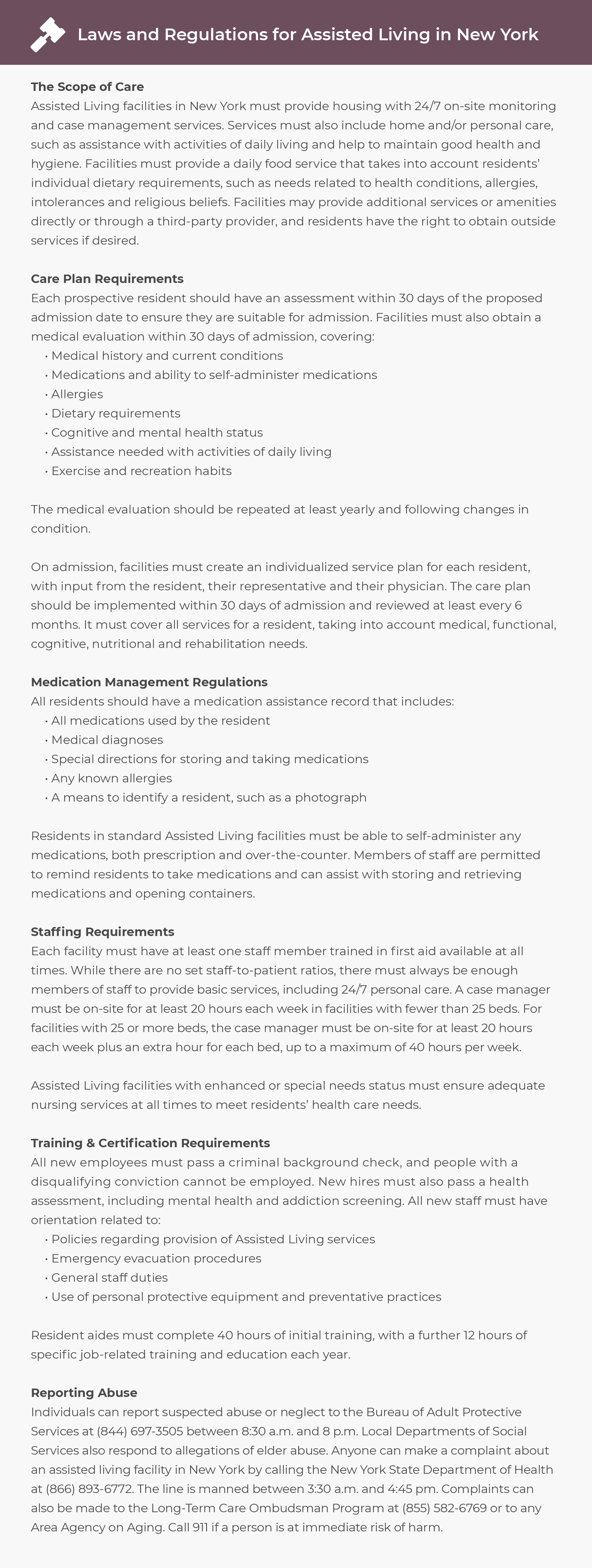
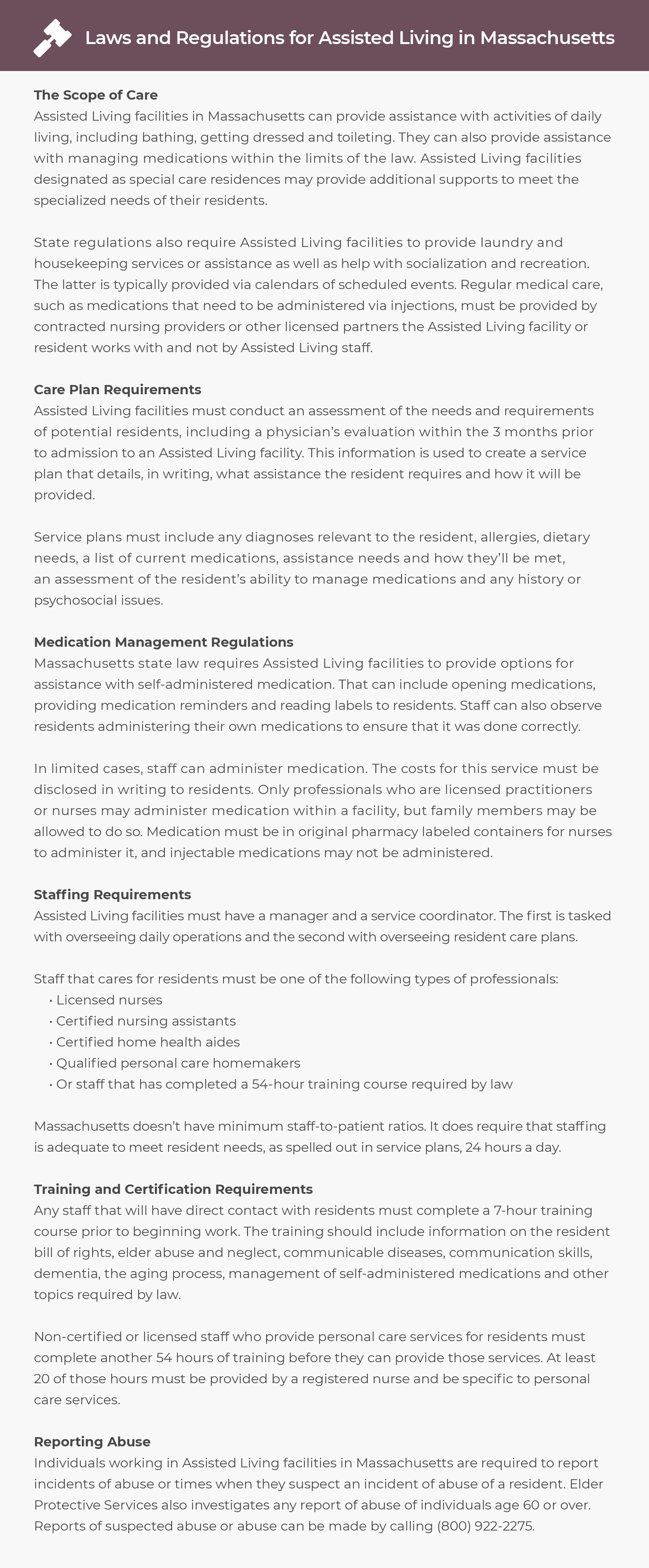
Unlike nursing homes, which are heavily regulated under federal Medicare and Medicaid standards, assisted living facilities (ALFs) are primarily creatures of state law. Consequently, licensing requirements vary significantly across jurisdictions. What constitutes a fully compliant facility in Florida may fall short of regulations in California, New York, or Texas. Understanding this regulatory landscape requires examining the specific administrative agencies, statutory definitions, and compliance pathways that govern the sector.
State-Level Oversight and Regulatory Agencies
In the United States, licensing authority typically rests with a state department of health, department of social services, or a dedicated department of aging and disability services. These agencies draft administrative rules, issue licenses, conduct routine and unannounced inspections, and investigate complaints.
Operators must secure a license before admitting residents or advertising services. The application process is rarely a simple paperwork submission; it involves comprehensive background checks, architectural plan reviews, financial viability assessments, and policy approvals. Regulatory bodies evaluate whether an applicant possesses the administrative capability, financial resources, and moral character required to operate a care home safely.
Core Categories of Assisted Living Licensing Requirements
While exact rules differ by state, licensing frameworks generally divide requirements into several distinct operational categories. Compliance must be maintained across all areas continuously, as routine renewals and unannounced inspections can occur annually or biennially.
1. Physical Plant and Environmental Safety
The physical structure of an assisted living facility must balance a residential feel with institutional-grade safety standards. Licensing rules dictate architectural specifications to accommodate individuals with mobility impairments, cognitive declines, or physical disabilities.
- Accessibility and Design: Facilities must typically feature wide hallways, ramps, elevators, and zero-threshold showers. Grab bars in bathrooms and emergency pull cords in bedrooms and common areas are standard mandates.
- Life Safety and Fire Codes: ALFs must comply with strict fire safety standards, often aligning with the National Fire Protection Association (NFPA) Life Safety Code. This includes hardwired smoke detection systems, fire sprinkler installations, clear emergency egress routes, and routine fire drills.
- Private vs. Semi-Private Space: State regulations dictate minimum square footage per resident, whether rooms can be shared, and what furnishings must be provided. Many states require locking doors to ensure resident privacy, provided the resident’s cognitive status permits it.
2. Staffing and Personnel Qualifications
The quality of care in an assisted living facility depends directly on its workforce. Licensing requirements establish strict criteria regarding background checks, training hours, staffing ratios, and clinical oversight.
- Background Screenings: All administrators, staff members, and volunteers who have direct contact with residents must undergo comprehensive criminal background checks, fingerprinting, and registry checks (such as nurse aide registries and abuse registries) prior to employment.
- Staff Training and Continuing Education: Direct care workers must complete certified training programs covering personal care, resident rights, emergency procedures, dementia care, and infection control. Administrators face specific educational and licensing requirements, often needing to pass a state-administered competency exam.
- Staffing Ratios: Unlike nursing homes, which frequently have mandated nurse-to-resident ratios, assisted living staffing rules are often flexible based on the overall acuity of the resident population. However, regulations universally require a sufficient number of awake staff on duty 24 hours a day to meet resident needs and respond to emergencies.
3. Resident Care and Services
Assisted living is designed to promote independence while providing necessary assistance. Licensing standards define the scope of care a facility is legally permitted to provide, drawing a clear line between assisted living and skilled nursing.
- Assessment and Service Plans: Before admission, and periodically thereafter, a licensed nurse or qualified assessor must evaluate the prospective resident’s physical, cognitive, and social needs. This assessment forms the basis of an individualized service plan that outlines the exact care the facility will provide.
- Medication Management: Medication errors are among the most common regulatory violations. States strictly regulate who may administer medications (licensed nurses vs. trained medication technicians), how drugs must be stored (double-locked cabinets), and how medication administration records (MARs) must be maintained.
- Health and Medical Limitations: State rules define the boundaries of care. For instance, if a resident requires total physical assistance with two-person transfers, constant skilled nursing, or intravenous therapy, many states require the resident to transition to a nursing home unless the ALF holds a specialized supplemental license.
4. Resident Rights and Operational Policies
Protecting the dignity, autonomy, and civil rights of residents is a cornerstone of assisted living licensing. Facilities must establish robust internal policies that align with state-mandated bills of rights.
- Financial Protections: Regulations govern how facilities handle resident trust funds, personal allowances, and billing transparency. Commingling facility funds with resident money is strictly prohibited.
- Admission and Discharge Criteria: Facilities must provide clear, written disclosure statements outlining fee structures, refund policies, and the specific conditions under which a resident may be discharged (e.g., non-payment, unmanageable behavioral issues, or clinical needs exceeding facility license).
- Grievance Procedures: ALFs must maintain an accessible, documented process for residents and families to lodge complaints without fear of retaliation, along with contact information for the state’s long-term care ombudsman program.
Comparative Overview of State Licensing Variations
Because regulation is decentralized, requirements diverge significantly across jurisdictions. The following table highlights how different states approach key licensing components:
| Regulatory Area | Moderate Regulation State (e.g., Florida) | High Regulation State (e.g., California) | Low-Tier Oversight Model |
|---|---|---|---|
| Administrator Licensing | Requires core training and passing a state competency exam. | Requires state licensure through the Department of Social Services (Community Care Licensing). | Minimal educational requirements; background check and basic orientation often suffice. |
| Nurse Staffing Mandates | Requires a nurse (RN or LPN) on staff or on-call, depending on facility size and care tier. | Strict nursing hours per resident day formulas for facilities offering specialized care. | Part-time consulting nurse model permitted for basic personal care homes. |
| Inspection Frequency | Biennial routine inspections, plus complaint-driven investigations. | Annual unannounced inspections and frequent monitoring visits. | Triennial or complaint-based inspections due to agency resource constraints. |
| Specialized Dementia Care | Requires specific endorsement, locked perimeter controls, and specialized staff training. | Mandatory dementia plan of operation, secured environments, and pre-admission screening. | Basic fire and safety rules without mandatory specialized staff dementia certifications. |
The Licensing Application and Renewal Process
Securing an assisted living license is a multi-step administrative journey that demands meticulous attention to detail. Attempting to open a facility without full compliance leads to costly delays, denial of applications, or legal penalties.
Phase 1: Pre-Application and Planning
Before submitting paperwork, prospective operators must secure zoning approval from local municipal authorities, ensure the building meets commercial fire and building codes, and finalize corporate structuring. Business plans must demonstrate adequate working capital to sustain operations for several months before reaching profitability.
Phase 2: Document Submission and Plan Review
The formal application requires extensive documentation, including floor plans, organizational charts, financial statements, disaster and emergency preparedness plans, admission agreements, and employee handbooks. State licensing analysts review these documents for statutory alignment.
Phase 3: On-Site Life Safety and Operational Inspection
Once the physical plant is completed and policies are approved, state inspectors conduct an exhaustive on-site review. They test emergency systems, inspect food preparation areas, review personnel files, and verify that the facility is ready to deliver safe care. Only after passing this inspection is a provisional or full license issued.
Phase 4: Ongoing Compliance and Renewal
Licenses are not permanent; they typically expire annually or every two years, requiring a renewal application, updated fees, and verification of compliance history. Facilities must also report significant operational changes, such as a change of ownership, major structural renovations, or changes in the administrator position, to the licensing agency within strict statutory timeframes.
Common Compliance Pitfalls and Troubleshooting
Even established operators occasionally face compliance challenges during state inspections (often referred to as surveys). Recognizing frequent regulatory pitfalls helps facilities maintain operational integrity.
- Incomplete Personnel Files: A frequent citation involves missing background check documentation, expired CPR/first aid certifications, or undocumented training hours for new hires. Maintaining an organized, digital human resources tracking system prevents these oversights.
- Medication Discrepancies: Discrepancies between the physical pill count and the medication administration record (MAR) are serious violations. Implementing a dual-signature sign-off protocol for controlled substances reduces counting errors.
- Inadequate Fire Drill Documentation: States require fire drills to be conducted regularly across different shifts. Failing to document the exact time, date, evacuees, and evaluation notes results in immediate citations.
- Exceeding License Scope: Admitting residents whose care needs surpass what the facility’s specific license permits is a dangerous violation. Operators must conduct thorough pre-admission assessments and promptly initiate discharge planning if a resident’s health declines beyond legal limits.
Frequently Asked Questions
What is the difference between a standard assisted living license and a specialized memory care license?
A standard license permits a facility to care for individuals needing assistance with activities of daily living (ADLs) and basic medication management. A specialized memory care license—often termed a secured perimeter endorsement—is required if the facility houses residents with Alzheimer’s disease or other forms of dementia who are prone to wandering. This specialized license mandates alarmed or locked exit doors, secured outdoor wandering courtyards, higher staff-to-resident ratios, and advanced dementia-specific training for all employees.
Are assisted living facilities regulated at the federal level?
No. Unlike nursing homes, which participate in Medicare and Medicaid and are governed by federal Centers for Medicare & Medicaid Services (CMS) regulations, assisted living facilities are entirely regulated by state governments. Federal involvement is limited to compliance with the Americans with Disabilities Act (ADA) regarding physical accessibility and federal fair housing laws.
How can families verify an assisted living facility’s licensing status and compliance history?
Families can verify a facility's licensing status by visiting the website of the state agency responsible for health facility regulation (such as the state department of health or department of social services). Most states maintain an online searchable database where the public can view active licenses, past inspection reports, substantiated complaints, and enforcement actions taken against a specific facility.
What happens if an assisted living facility violates licensing regulations?
Regulatory agencies enforce compliance through a graduated system of penalties. Minor infractions typically result in a plan of correction (POC), where the facility must submit a written strategy to fix the issue within a set timeframe. Severe, chronic, or uncorrected violations can lead to heavy financial fines, freezing of admissions, suspension of the facility's license, or complete revocation and forced closure.
Can an assisted living facility operate without a license?
Operating an assisted living facility without a valid state license is illegal in every jurisdiction. Unlicensed care homes—sometimes referred to informally as "board and care homes" operating under the radar—pose severe safety risks to residents. Regulatory agencies and local law enforcement actively investigate reports of illegal, unlicensed care operations, which face immediate closure and criminal prosecution of the operators.
Next Steps for Operators and Families
For entrepreneurs and healthcare administrators planning to open or expand a residential care home, the immediate next step is to contact the specific state licensing agency to download current application packets, review administrative code chapters, and attend mandatory pre-licensing workshops. Legal and regulatory consultants specializing in healthcare compliance can also provide invaluable guidance through the architectural review and application stages.
For families evaluating senior living options, the priority is to utilize state search portals to review inspection history, schedule in-person tours, and directly ask facility administrators about their most recent survey results, staff turnover rates, and clinical admission boundaries. Verifying these details firsthand ensures that chosen environments meet the highest standards of safety, legality, and compassionate care.