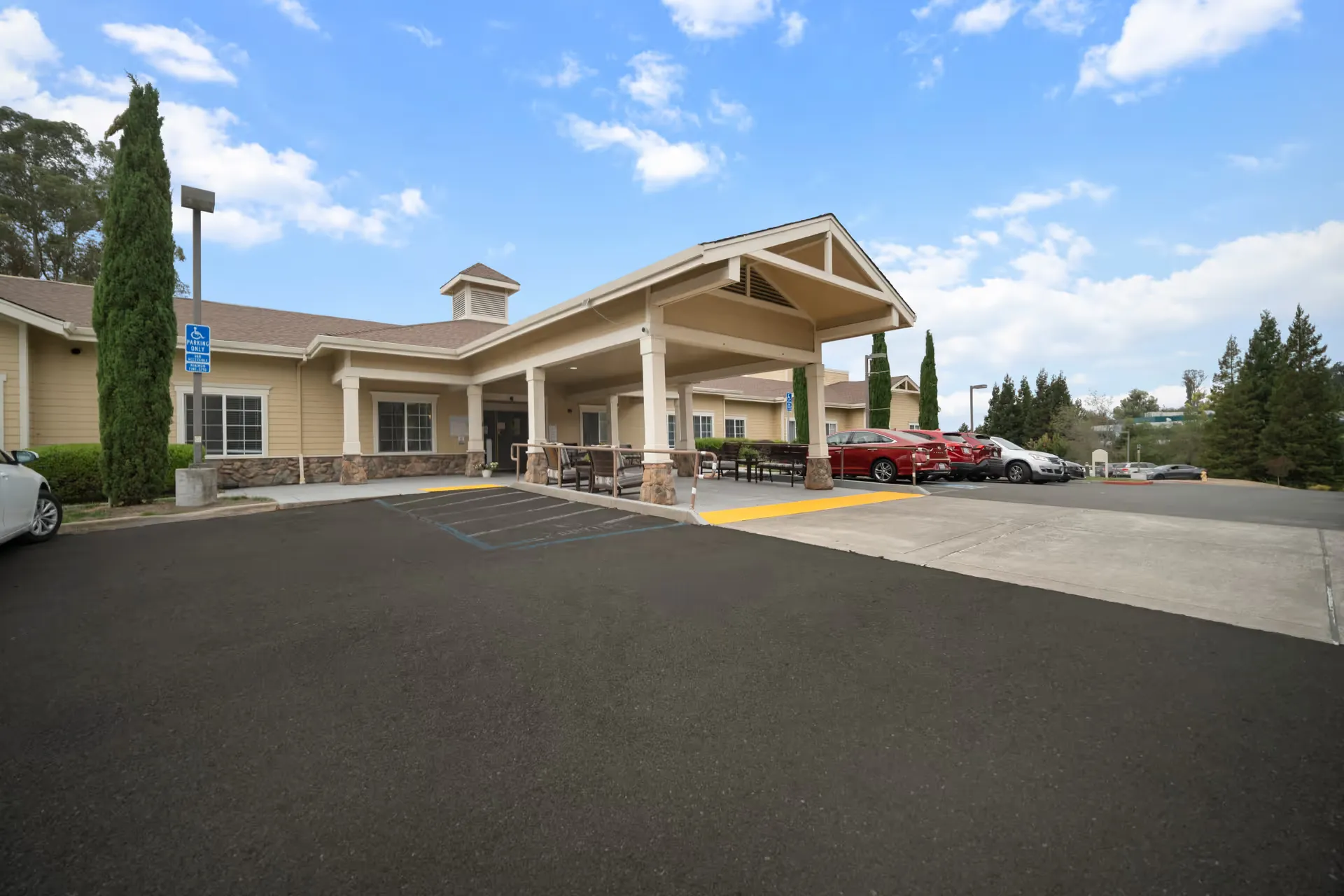
Navigating assisted living facilities in Santa Rosa, California involves evaluating local options licensed by the state, understanding monthly costs that typically range between $4,000 and $7,000, and assessing specific medical and daily living requirements. Families must review state licensing records, tour local communities in Sonoma County, and examine contract structures to secure appropriate senior housing.
Choosing senior housing for an aging parent or loved one represents one of the most significant life transitions a family can undertake. In Santa Rosa, California, the landscape of senior living combines the natural beauty of Sonoma County with a diverse infrastructure of residential care options. Whether you are transitioning from independent living due to increasing mobility challenges, managing a progressive condition like dementia, or planning ahead for future long-term care needs, understanding the local market is essential. This guide provides a comprehensive overview of assisted living facilities in Santa Rosa, CA, breaking down regulatory standards, financial considerations, care levels, and evaluation strategies to help you make an informed, confident decision.
Understanding the Santa Rosa Senior Care Landscape
Santa Rosa serves as the healthcare and commercial hub of Sonoma County, making it a primary destination for families seeking eldercare in the North Bay region. The city features a wide spectrum of environments, ranging from small, six-bed residential care facilities for the elderly (RCFEs) tucked into quiet suburban neighborhoods to large, resort-style continuing care retirement communities (CCRCs) offering independent living, assisted living, and skilled nursing on a single campus.
The geographic layout of Santa Rosa influences care availability. Neighborhoods like Rincon Valley, Bennett Valley, and Montgomery Village host numerous established communities, while newer developments line the outskirts near Fountaingrove and downtown. Proximity to major medical centers—such as Sutter Santa Rosa Regional Hospital and Kaiser Permanente Santa Rosa Medical Center—is a primary advantage of selecting a facility within city limits, ensuring rapid emergency response and coordinated specialty care for residents.
Regulatory Framework and Licensing in California
Before touring facilities, families must understand how assisted living is regulated in California. Unlike nursing homes, which are licensed as medical facilities, assisted living facilities in California are officially classified as Residential Care Facilities for the Elderly (RCFEs).
The Role of the Department of Social Services
RCFEs are licensed and monitored by the California Department of Social Services (CDSS) through the Community Care Licensing Division (CCLD). The CCLD establishes regulations governing staff-to-resident ratios, staff background checks, medication management, food service, physical plant safety, and initial and ongoing training requirements for administrators and caregivers.
Accessing Public Records
One of the most powerful tools available to families is the California Department of Social Services Transparency Website, where you can search for any licensed RCFE in Santa Rosa by name or facility number. This database provides public access to:
- Inspection reports and evaluation summaries from past visits.
- Citational history, including deficiency notices and civil penalties issued within the last several years.
- Plan of correction documents submitted by facility operators to resolve identified violations.
Reviewing these records allows you to look past marketing brochures and examine a facility's actual compliance and operational track record over time.
Levels of Care and Specialized Services
Assisted living is designed for individuals who require help with Activities of Daily Living (ADLs) but do not require 24-hour skilled nursing care. Clarifying what care tiers are available in Santa Rosa helps ensure that a chosen facility can scale its support as a resident's needs evolve.
Core Assistance with Daily Living
Standard assisted living packages typically cover support with:
- Bathing, grooming, and personal hygiene.
- Dressing and clothing management.
- Medication management, including administration, ordering, and physician communication.
- Mobility assistance and transfers between bed and chair.
- Incontinence care and toileting assistance.
Specialized Memory Care
For seniors diagnosed with Alzheimer's disease or other forms of dementia, many Santa Rosa facilities offer specialized memory care units or standalone memory care buildings. These environments feature secure perimeters to prevent wandering, specialized life-enrichment programming designed to reduce agitation, and staff trained specifically in behavioral redirection and dementia communication techniques.
Continuing Care Retirement Communities (CCRCs)
CCRCs allow residents to age in place by offering multiple tiers of care on a single campus. A resident might move into an independent cottage, transition to assisted living as care needs increase, and eventually move into the on-site skilled nursing facility if intensive medical oversight becomes necessary. CCRCs typically require a substantial upfront entrance fee alongside monthly service fees.
Cost Breakdown and Financial Planning
The cost of assisted living in Santa Rosa reflects both regional economic factors in the San Francisco Bay Area / North Bay submarket and the specific tier of care required.
Average Monthly Expenses
According to industry data and local provider rate sheets, base monthly rent for assisted living in Santa Rosa generally ranges from $4,000 to $7,000 per month. However, this figure rarely represents the total out-of-pocket expense. Most facilities utilize a tiered pricing model or a la carte fee structure, where residents pay a base rate for room, board, and housekeeping, and then add specific care packages based on an initial health assessment.
| Care Component | Average Monthly Cost Range | Description |
|---|---|---|
| Base Rent & Room/Board | $3,500 – $5,500 | Includes apartment unit, utilities, dining/meals, housekeeping, and social activities. |
| Tiered Care Add-On | $500 – $2,500+ | Layered fees based on the volume of assistance needed for medication, bathing, and mobility. |
| Community / Assessment Fee | $1,500 – $3,000 (One-time) | Non-refundable fee charged upon move-in to cover administrative processing and health screening. |
| Memory Care Supplement | $1,000 – $2,500 (Above base) | Additional staffing and security costs associated with secured memory care wings. |
Funding Sources and Assistance Programs
Navigating how to pay for assisted living requires examining various financial vehicles, as traditional health insurance and Medicare do not cover the room-and-board costs of assisted living facilities.
- Private Pay: Personal savings, retirement accounts, pensions, and social security.
- Long-Term Care Insurance: Policies purchased years prior that may cover assisted living expenses once elimination periods are met and policy triggers (inability to perform specific ADLs) are verified.
- Veterans Aid and Attendance Benefit: A monthly pension supplement available to eligible wartime veterans and surviving spouses who require assistance with daily living activities. Applications are processed through the U.S. Department of Veterans Affairs.
- Medi-Cal Assisted Living Waiver (ALW): A state program designed to assist qualifying Medi-Cal beneficiaries in transitioning from nursing facilities to assisted living settings or preventing such placement. Availability in Sonoma County is subject to regional slot caps and participating facility enrollment.
Step-by-Step Guide to Evaluating Facilities
Touring and evaluating facilities requires a structured approach to separate polished sales presentations from day-to-day operational realities. Use this sequential checklist to guide your search.
- Initial Screening: Cross-reference prospective Santa Rosa facilities against the CDSS CCLD database to filter out locations with severe or uncorrected safety citations.
- Schedule In-Person Tours: Contact facilities to schedule visits. Whenever possible, drop in unannounced or observe the facility during peak hours, such as lunch or late afternoon, to witness resident engagement and staffing levels firsthand.
- Evaluate Dining and Nutrition: Ask to share a meal with residents. Observe food quality, presentation, dietary accommodation options (such as low-sodium or pureed diets), and whether residents appear to enjoy the dining experience.
- Inspect Common Areas and Apartments: Look closely at cleanliness, odor control, lighting, and accessibility features (grab bars, wide hallways, functioning elevators). Inquire whether units allow personal furniture and pets.
- Review Staffing Ratios: Ask administrators about staff-to-resident ratios during daytime, evening, and night shifts. Inquire about staff turnover rates; high turnover often signals operational instability and impacts continuity of care.
- Examine Activity Calendars: Review active engagement schedules. Look for a mix of cognitive, physical, and social programming rather than passive activities like television viewing.
- Contract and Fee Analysis: Request a blank residency agreement. Have an elder law attorney or family member review the fine print regarding discharge criteria, rate increase policies, and refund terms for community fees.
Common Mistakes to Avoid
Families navigating senior care for the first time frequently encounter avoidable pitfalls. Being aware of these missteps can save considerable financial and emotional stress.
- Focusing Solely on Aesthetics: While modern finishes, grand pianos, and high-end lobbies are appealing, the quality of care depends on frontline staff training, management responsiveness, and clinical oversight. Prioritize care culture over superficial luxury.
- Underestimating Future Care Costs: Failing to account for escalating care needs can lead to sudden financial strain or disruptive relocations if a resident transitions from base assisted living to high-tier memory care. Always ask how rate increases are calculated year over year.
- Waiting Until a Crisis Occurs: Rushing a placement following a fall, stroke, or sudden medical decline limits your options and forces compromises. Begin researching and touring facilities proactively before an acute crisis strikes.
- Overlooking Discharge Criteria: Every RCFE has specific limitations regarding what medical conditions they are legally permitted to manage under their state license. Ensure you understand the facility's discharge triggers—such as bed-bound status or heavy medical equipment needs—so you know if your loved one will eventually outgrow the facility.
Frequently Asked Questions
What is the difference between assisted living and a nursing home in Santa Rosa?
Assisted living facilities (RCFEs) provide housing, social engagement, and assistance with daily activities for seniors who do not require constant medical intervention. Nursing homes (skilled nursing facilities) provide 24-hour medical nursing care, complex rehabilitation, and clinical supervision for individuals with significant, unstable medical conditions.
Does Medicare pay for assisted living in Santa Rosa?
No. Medicare does not cover the room, board, and personal care costs associated with assisted living facilities. Medicare may cover temporary skilled nursing care, physical therapy, or medical equipment under specific circumstances, but it does not fund long-term residential care in an RCFE.
How do I check the safety record of a Santa Rosa assisted living facility?
You can search for any licensed facility in Santa Rosa using the Community Care Licensing Division (CCLD) facility search tool provided by the California Department of Social Services. This public portal lists historical inspection reports, citations, and compliance plans.
Can a resident stay in an assisted living facility indefinitely?
Residents can generally remain in an assisted living facility as long as the facility is licensed to meet their specific care needs and state regulations allow it. However, if a resident develops intensive medical needs that exceed the RCFE license scope (such as Stage 3 or 4 pressure ulcers or continuous skilled nursing oversight), the facility may issue a discharge notice requiring a transition to a skilled nursing facility.
Are pets allowed in Santa Rosa assisted living communities?
Many assisted living facilities in Santa Rosa are pet-friendly, recognizing the profound emotional and mental health benefits pets provide to seniors. However, policies vary widely by facility. Some limit pet size, require an additional pet deposit, or specify that residents must be fully capable of independently caring for the animal. Always confirm pet policies during your initial inquiry.
Next Actions for Families
Begin your search by compiling a list of potential facilities in Santa Rosa that match your geographic preferences and budget. Visit the CDSS licensing portal to verify their regulatory compliance records, and schedule initial phone consultations with at least three different communities. By pairing thorough financial planning with meticulous on-site observation, you can secure a safe, engaging, and supportive environment for your loved one in Sonoma County.