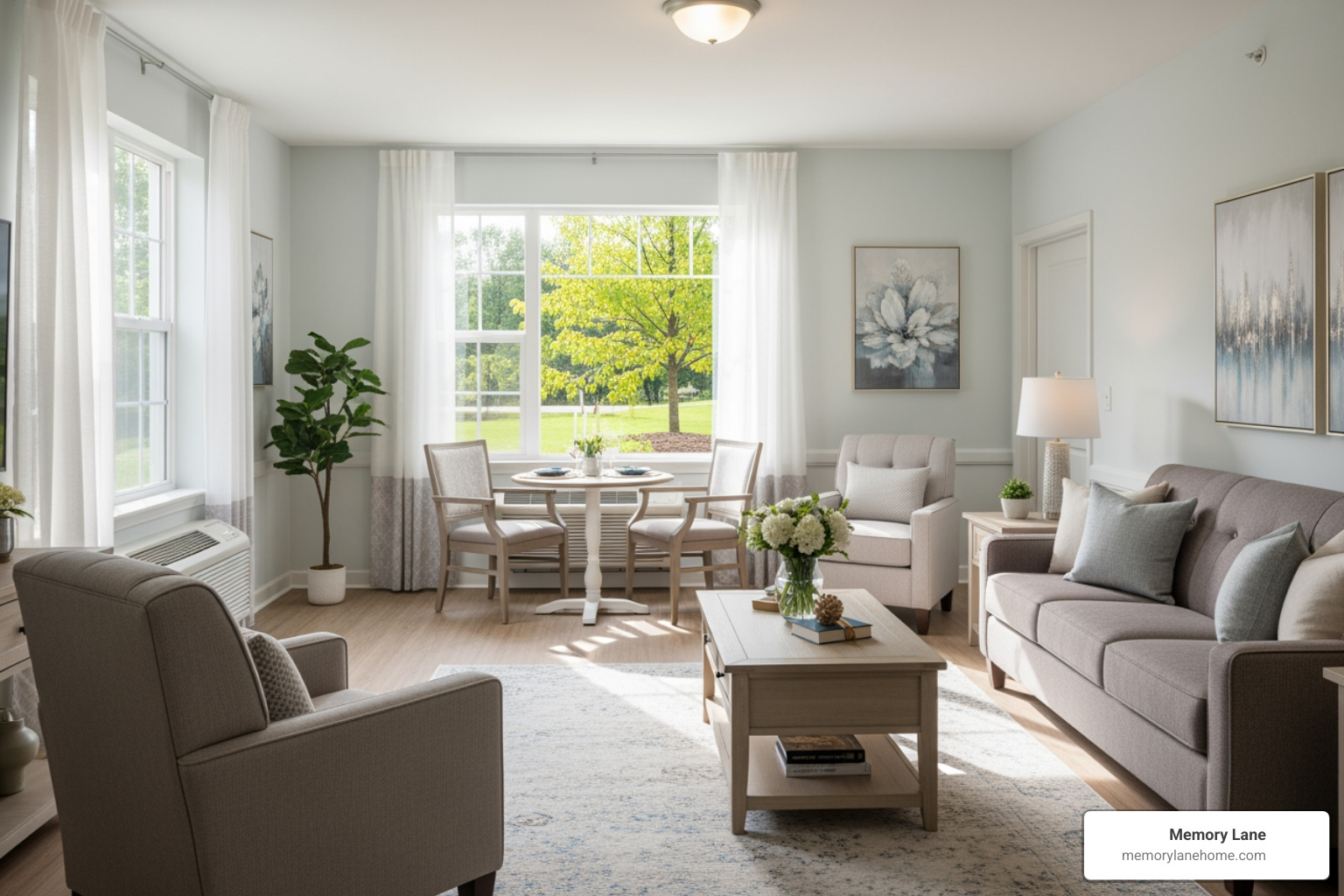
Navigating assisted living in Detroit, Michigan involves evaluating monthly costs averaging between $4,000 and $5,500, state regulatory compliance through the Michigan Department of Licensing and Regulatory Affairs (LARA), and amenities ranging from basic medication management to specialized memory care. Seniors and families must balance lifestyle preferences, medical requirements, and local funding options like Medicaid waivers when choosing a facility.
Choosing an assisted living facility for an aging loved one is one of the most significant decisions a family can face. In the greater Detroit metropolitan area, the landscape of senior housing is diverse, encompassing everything from high-rise urban facilities with robust cultural amenities to quieter suburban communities across Wayne, Oakland, and Macomb counties. Understanding the operational structures, financial realities, regulatory frameworks, and specialized care options available in Detroit is essential for making an informed choice that preserves dignity, ensures safety, and promotes quality of life.
Understanding the Detroit Senior Care Landscape
Detroit and its surrounding Wayne County region host a dense concentration of healthcare systems, including Henry Ford Health, the Detroit Medical Center (DMC), and Ascension Michigan. This robust medical infrastructure heavily influences the senior care ecosystem. Assisted living facilities in Detroit typically operate as Adult Foster Care (AFC) homes or Homes for the Aged (HFAs), depending on their licensed capacity and the medical intensity of the services they provide.
Unlike nursing homes, which provide 24-hour skilled nursing care for individuals with complex, chronic medical conditions, assisted living facilities are designed for seniors who value their independence but require assistance with Activities of Daily Living (ADLs). These activities include medication administration, bathing, dressing, grooming, and mobility support. The Detroit market features a wide spectrum of providers, from small, residential-style group homes caring for six to twelve residents to large, resort-style continuing care retirement communities (CCRCs) offering independent living, assisted living, and memory care on a single campus.
Key Regulatory Frameworks in Michigan
In Michigan, assisted living facilities are strictly regulated to protect vulnerable adults. The Bureau of Community and Health Systems (BCHS), operating under the Michigan Department of Licensing and Regulatory Affairs (LARA), oversees the licensing, inspection, and enforcement of senior living regulations.
- Homes for the Aged (HFAs): These facilities are establishments other than a hospital, licensed by the state, that offer room, board, and supervised personal care to 21 or more unrelated adults, usually 65 years of age or older.
- Adult Foster Care (AFC) Facilities: Facilities licensed to provide personal care, supervision, and protection to 20 or fewer individuals who are aged, mentally ill, developmentally disabled, or physically handicapped.
Families evaluating Detroit options should always request a facility's inspection history directly from LARA to check for past citations, substantiated complaints, or corrective action plans.
Financial Considerations and Average Costs
Cost is frequently the primary driver when evaluating assisted living in Detroit, MI. The financial structure of senior care requires a clear understanding of monthly out-of-pocket expenses, third-party insurance limitations, and state-administered financial assistance programs.
Breakdown of Monthly Expenses
The average monthly cost for assisted living in the Detroit-Ann Arbor metropolitan area generally hovers between $4,000 and $5,500, depending on the tier of service, geographic location within the metro area, and floor plan size. However, this base rate rarely tells the whole story. Most facilities operate on a tiered pricing model:
- Base Rate: Covers rent, utilities, basic maintenance, housekeeping, dining services (typically three meals a day), and standard social activities.
- Care Add-Ons: Personal care services are often billed via a point system or level-of-care assessment. If a resident requires hands-on assistance with medication management, continence care, or mobility transfers, additional monthly fees ranging from $500 to over $2,000 may apply.
| Care Type | Average Monthly Cost (Detroit Metro) | Primary Services Included |
|---|---|---|
| Independent Living | $2,500 – $4,000 | Rent, utilities, dining, activities, housekeeping (no personal care) |
| Assisted Living (Base) | $4,000 – $5,500 | Room, board, medication management, basic ADL support |
| Memory Care | $5,500 – $7,500 | Secure environment, specialized dementia programming, elevated staff-to-resident ratios |
| Nursing Home (Semi-Private) | $8,500 – $10,500 | 24/7 skilled nursing, intensive medical rehabilitation, clinical oversight |
Financial Assistance Options in Michigan
Because traditional health insurance and Medicare do not cover the long-term custodial costs of assisted living, families must rely on alternative funding strategies:
- Michigan Medicaid MI Choice Waiver: This home and community-based services waiver program allows qualifying low-income seniors to receive care in an approved residential setting rather than a nursing home. Eligibility is subject to strict income and asset caps, and waiting lists frequently apply across Wayne County.
- Veterans Aid and Attendance Benefit: Wartime veterans and surviving spouses who require assistance with ADLs may qualify for a pension enhancement through the Department of Veterans Affairs (VA). This tax-free monthly benefit can significantly offset assisted living costs.
- Long-Term Care Insurance: Policies purchased years in advance often cover assisted living expenses, provided the policyholder meets the trigger criteria regarding dependency in ADLs or cognitive impairment.
- Bridge Loans and Life Settlement Options: Families often utilize short-term bridge loans to cover move-in costs while waiting to sell a primary residence or liquidate assets.
Types of Care and Specialized Services
Assisted living facilities in Detroit are not one-size-fits-all. Providers cater to diverse physical, cognitive, and cultural needs. When touring facilities, families should examine the specific care tracks available on-site.
Traditional Assisted Living vs. Memory Care
While traditional assisted living focuses on general physical support and maintaining social engagement, memory care units are engineered specifically for individuals living with Alzheimer’s disease, vascular dementia, or other forms of cognitive impairment.
Memory care units in Detroit feature secure perimeters to prevent wandering, specialized wayfinding cues to help residents navigate hallways independently, and structured sensory and cognitive engagement programs. Staff members in these units undergo specialized training in de-escalation techniques, behavioral management, and dementia communication strategies.
Respite Care and Short-Term Stays
Many Detroit assisted living communities offer respite care programs, allowing family caregivers to take a temporary break, travel, or manage personal emergencies. Respite residents receive fully furnished apartments, meals, medication management, and access to all community activities for a short-term period (typically ranging from two weeks to 30 days). This option also serves as a low-risk trial period for seniors hesitant about permanently transitioning into a community.
Selecting the Right Facility: A Step-by-Step Evaluation Guide
Finding the ideal assisted living community in Detroit requires methodical research, direct observation, and targeted questioning. Families should avoid relying solely on marketing brochures and online ratings.
Step 1: Define Needs and Budget
Catalog your loved one's current medical requirements, projected future needs, and total available financial resources. Establishing a hard financial ceiling prevents touring facilities that are ultimately unsustainable.
Step 2: Compile a Shortlist of Detroit Providers
Identify facilities located in neighborhoods that feel familiar to your loved one or close to family members in Wayne, Oakland, or Macomb counties. Proximity to trusted healthcare networks, such as Henry Ford Hospital or Sinai-Grace, is vital for managing chronic conditions.
Step 3: Conduct In-Person Tours
Schedule unannounced visits if possible, or observe the facility during peak hours (such as lunch or during a popular activity). Pay close attention to environmental cues:
- Cleanliness and Odors: Are common areas immaculate? Is there a persistent odor of sanitation issues?
- Staff Engagement: Do staff members interact warmly and respectfully with residents, or do they appear rushed and detached?
- Resident Demeanor: Do residents appear engaged, well-groomed, and comfortable, or do they look isolated and distressed?
Step 4: Review the Contract and Assessment Process
Before signing any agreement, examine the admission assessment protocol. Ensure the facility conducts a thorough health evaluation to accurately place your loved one in the correct care tier. Scrutinize the discharge policy to understand under what medical or behavioral conditions the facility would require the resident to move out.
Frequently Asked Questions
Does Medicare pay for assisted living in Detroit, MI?
No. Medicare does not cover long-term custodial or personal care provided in assisted living facilities. Medicare covers short-term skilled nursing care, home health care, and hospice under strict conditions, but routine room, board, and daily assistance must be paid privately or through alternative programs like the MI Choice Waiver.
How do I check the licensing record of a Detroit assisted living facility?
You can search licensing records, inspection reports, and substantiated violation histories through the Michigan Department of Licensing and Regulatory Affairs (LARA) Bureau of Community and Health Systems online verification database.
What is the difference between an Adult Foster Care home and a Home for the Aged?
The primary difference is capacity and licensure structure. Adult Foster Care (AFC) homes in Michigan generally house 20 or fewer residents in a more intimate setting, whereas Homes for the Aged (HFAs) are licensed to accommodate 21 or more residents, often functioning more like traditional apartment-style communities.
Can a resident age in place if their health declines?
It depends on the facility's specific license and staffing model. Some assisted living communities partner with external hospice or home health agencies to allow residents to remain on-site as their needs escalate. However, if a resident requires 24-hour skilled nursing or poses an unmanageable safety risk, transfer to a nursing home may become legally or medically necessary.
What should I look for when touring a memory care unit?
Look for secure, enclosed outdoor courtyards, high staff-to-resident ratios, specialized dementia training certifications for all floor staff, purposeful daily programming designed to reduce agitation, and alarm systems that balance security with resident dignity.
Next Steps and Action Plan
Begin your search by sitting down with family members and financial advisors to establish a clear monthly budget. Next, consult the LARA database to vet potential communities in the Detroit area for compliance and safety records. Schedule at least three in-person tours, utilize the evaluation criteria outlined above, and request a sample residency agreement from each provider to review fee structures and discharge clauses before making a final commitment.