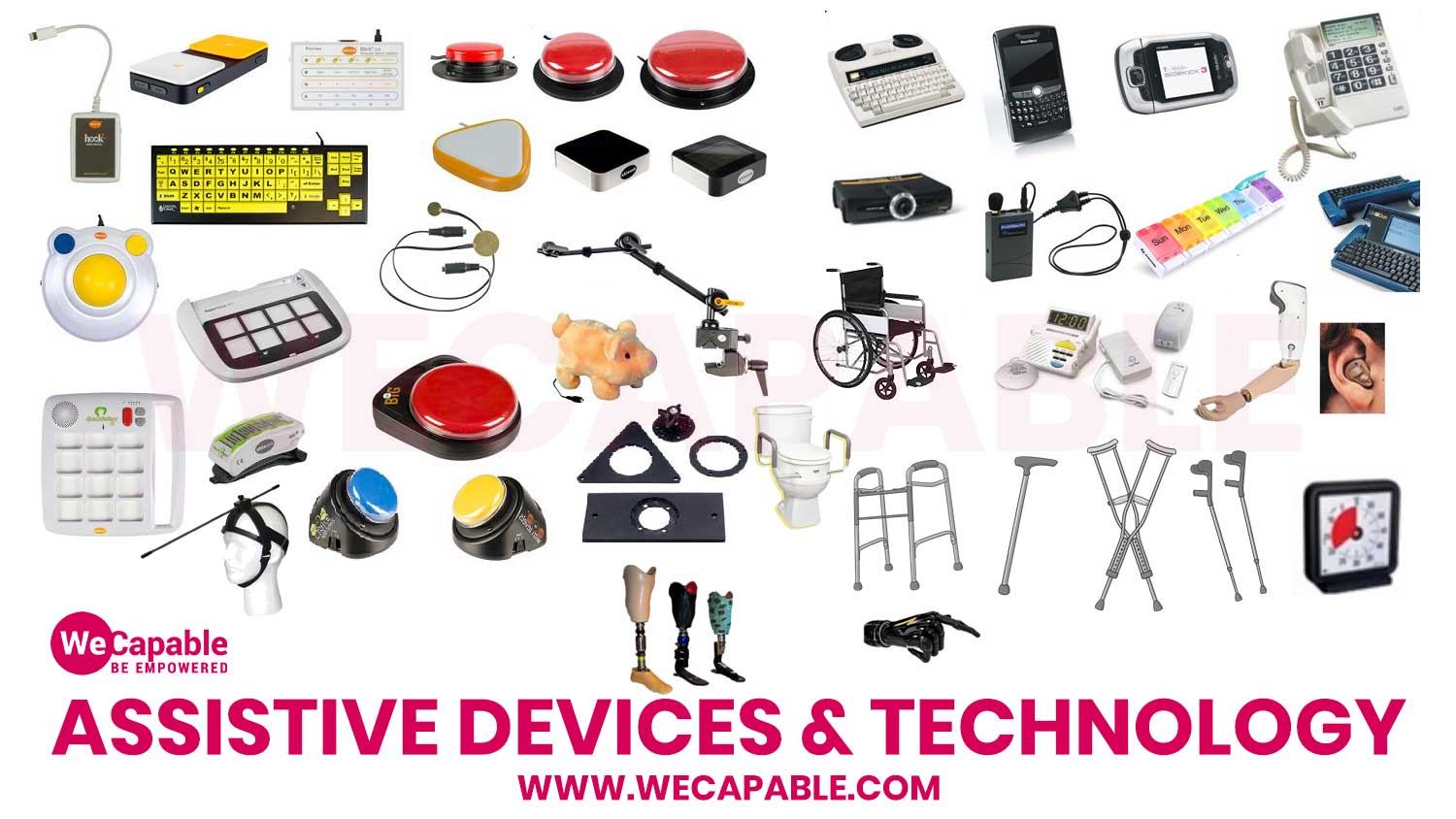
Assistive technology for elderly people in homes encompasses a diverse range of devices, software systems, and smart-home installations designed to enhance safety, support independent living, and streamline remote caregiving. By integrating environmental controls, personal emergency response systems, mobility aids, and health-monitoring tools, older adults can maintain their daily routines while mitigating common household risks such as falls, medication mismanagement, and social isolation.
Navigating the landscape of aging-in-place technology requires a nuanced understanding of user needs, technical requirements, installation prerequisites, and cost considerations. As the global population ages, the market for home-based technological solutions has evolved rapidly, moving from rudimentary pendant alarms to sophisticated artificial intelligence-driven ecosystems. Choosing the right combination of tools involves balancing technological complexity against usability, ensuring that older adults can operate their devices without undue frustration while providing peace of mind to family members and healthcare providers.
Core Categories of Home-Based Assistive Technology
Assistive technology for the home is generally categorized by its primary function: safety and monitoring, health management, communication and social connectivity, and physical mobility support. Each category addresses specific vulnerabilities associated with aging, aiming to preserve autonomy while introducing safety nets.
Safety and monitoring systems form the cornerstone of most aging-in-place strategies. These include Personal Emergency Response Systems (PERS), which range from traditional wearable waterproof pendants to modern cellular-enabled smartwatches with automatic fall detection. Environmental monitors—such as smart smoke detectors, stove shut-off valves, and flood sensors—proactively protect the home environment from catastrophic accidents. Furthermore, non-intrusive passive monitoring systems utilizing infrared motion sensors, radar, or floor pressure mats can learn a resident's daily behavioral patterns, sending automated alerts to caregivers if unusual inactivity is detected.
Health management technologies empower individuals to track chronic conditions and adhere to complex medication schedules without continuous nursing intervention. Automated pill dispensers lock medications and release specific doses at pre-programmed times, emitting audible or visual reminders and alerting caregivers if a dose is missed. Connected medical devices, including Bluetooth-enabled blood pressure cuffs, glucometers, and pulse oximeters, automatically sync readings to secure cloud platforms, allowing physicians and family members to review physiological trends remotely.
| Technology Category | Primary Function |
|---|---|
| Personal Emergency Response (PERS) | Fall detection and immediate emergency dispatch |
| Automated Medication Dispensers | Preventing medication errors and missed doses |
| Environmental Safety Sensors | Detecting smoke, gas leaks, and water overflows |
| Passive Behavioral Monitoring | Tracking daily routines and identifying anomalies |
| Smart Lighting & Voice Controls | Preventing nighttime falls and easing operation |
Smart Home Ecosystems and Environmental Controls
Integrating mainstream smart home automation into living spaces designed for older adults has revolutionized residential accessibility. Voice-activated assistants, smart lighting, and automated climate control systems reduce physical exertion and minimize environmental hazards that often lead to domestic accidents.
Nighttime navigation represents a primary risk factor for falls among older adults. Automated motion-activated smart lighting systems can illuminate pathways from the bedroom to the bathroom, eliminating the need to locate wall switches in the dark. Smart plugs and voice-controlled assistants (such as Amazon Alexa or Google Assistant) enable residents to operate lamps, televisions, thermostats, and door locks using simple voice commands. This is particularly beneficial for individuals with severe arthritis, Parkinson's disease, or limited upper-body strength who struggle with traditional toggle switches, key-in-lock mechanisms, or remote controls.
However, the implementation of smart home technology requires robust infrastructure. Reliable, high-speed Wi-Fi is essential for cloud-connected devices, and battery backups (Uninterruptible Power Supplies, or UPS) should be installed to maintain functionality during power outages. Caregivers must also establish clear configuration boundaries so that accidental setting changes do not disrupt essential routines.
Medication Management and Health Monitoring Solutions
Managing polypharmacy—the concurrent use of multiple medications—is a significant challenge for older adults aging in place. Medication non-adherence can lead to avoidable hospitalizations, adverse drug interactions, and accelerated cognitive or physical decline.
Modern medication management technology utilizes various levels of intervention, ranging from simple blinking pill organizers to fully automated dispensing machines. Advanced dispensers require a pharmacist or family member to load medications into internal carousels. At the scheduled time, the device unlocks the correct compartment, sounds an alarm, and logs whether the medication was taken. If a dose is ignored past a designated grace period, the system triggers a remote notification to a designated caregiver or monitoring center.
Health monitoring extends beyond pill management into biometric tracking. Remote Patient Monitoring (RPM) programs utilize cellular-connected medical peripherals prescribed by physicians. Medicare and various private insurers often reimburse specific RPM codes when clinically indicated, provided the devices transmit data consistently. Ensuring data privacy and secure transmission protocols is paramount when implementing these systems, as health records are subject to strict regulatory frameworks such as the Health Insurance Portability and Accountability Act (HIPAA) in the United States.
Evaluating Costs, Funding, and Insurance Coverage
The financial investment required to equip a home with comprehensive assistive technology varies widely based on hardware complexity, subscription fees for monitoring services, and professional installation requirements. Basic standalone devices, such as motion-activated lights or manual pill boxes, require minimal upfront costs. Conversely, monitored PERS subscriptions, comprehensive smart home retrofitting, and clinical RPM platforms involve ongoing monthly fees.
Navigating funding options requires a methodical approach:
- Out-of-Pocket Expenditure: Many consumer smart home products are purchased directly by families as retail electronics.
- Government Programs and Waivers: Certain Medicaid Home and Community-Based Services (HCBS) waivers cover environmental modifications and assistive devices if they prevent institutionalization.
- Veterans Benefits: The Department of Veterans Affairs (VA) offers specialized grants and health benefits that cover home modifications and telehealth equipment for eligible veterans.
- Long-Term Care Insurance: Policyholders should review their specific contracts, as some modern long-term care insurance policies provide riders for home modification and assistive technology assessments.
Consumers must evaluate whether equipment is purchased outright or leased. Leased systems, particularly monitored emergency response pendants, typically include equipment maintenance and replacement warranties but represent a permanent recurring expense.
Addressing Privacy Concerns and Ethical Considerations
The deployment of monitoring technology within a private home inevitably raises complex ethical questions regarding personal privacy, autonomy, and dignity. Balancing the imperative to ensure physical safety with the resident's right to privacy requires careful planning and open communication.
Passive monitoring systems, video cameras, and location-tracking wearables can sometimes feel intrusive to older adults, who may perceive them as a loss of independence or a sign of declining competence. To mitigate these concerns, implementation should always involve the consent and active participation of the older adult whenever cognitive capacity permits. Transparent discussions regarding what data is collected, who has access to it, and how long it is stored help preserve trust.
Furthermore, technology should be deployed progressively. Starting with non-invasive solutions, such as wearable fall detectors or smart lighting, before introducing motion sensors or video monitoring allows the resident to adapt gradually to a technologically augmented living environment.
Common Implementation Mistakes and Troubleshooting
Deploying assistive technology without a structured plan frequently leads to device abandonment, user frustration, or false alarms that desensitise caregivers. Recognizing common pitfalls helps ensure successful adoption.
One frequent error is technological over-saturation. Equipping a home with too many disparate apps, specialized hubs, and complicated interfaces can overwhelm a resident, particularly those experiencing mild cognitive impairment. Selecting an integrated ecosystem where multiple devices operate within a single application or voice-controlled interface reduces friction.
Another common issue is inadequate device maintenance. Wearable pendants, smoke detectors, and smart door locks rely on battery power. Establishing a routine maintenance schedule to check battery levels, update firmware, and test emergency connections prevents system failures when incidents occur. Finally, failing to conduct regular drills for emergency systems—such as testing a PERS pendant with the monitoring center—ensures that both the user and the response network know how to act during an actual crisis.
Frequently Asked Questions
What is the most important assistive technology to start with for an elderly parent living alone?
A Personal Emergency Response System (PERS) with automatic fall detection is generally the recommended starting point. Falls are a leading cause of injury among older adults, and a reliable wearable device ensures immediate communication with emergency services or family members if the individual is unable to reach a telephone.
Do smart home assistive technologies require high-speed internet?
Many advanced smart home devices, including voice assistants, cloud-connected cameras, and remote monitoring platforms, require a stable broadband internet connection. However, numerous standalone assistive devices—such as automatic pill dispensers, localized motion-activated lights, and cellular-enabled PERS pendants—operate independently of home Wi-Fi using cellular networks or internal programming.
Can Medicare or health insurance pay for home assistive technology?
Standard Medicare Part B typically does not cover general consumer smart home devices or standard security systems. However, it may cover specific Remote Patient Monitoring (RPM) equipment prescribed by a physician for chronic disease management. Additionally, Medicaid HCBS waivers and Department of Veterans Affairs benefits frequently offer broader coverage for home modifications and assistive devices.
How can I introduce monitoring technology without making an aging parent feel spied on?
Involve the older adult in the selection and placement of all devices, emphasizing that the goal is to preserve their independence and keep them safely in their own home rather than to monitor their every move. Avoid placing cameras in private areas like bedrooms or bathrooms, opting instead for non-intrusive ambient sensors or wearable safety pendants.
What should I do if my relative frequently forgets to wear their emergency pendant?
If traditional wrist or neck pendants are regularly left behind, consider alternative form factors such as smartwatch-style devices worn continuously, smart rings, or passive floor-mat and wall-mounted radar sensors that do not require the user to remember to put on a specific item each morning.
Conclusion and Next Actions
Implementing assistive technology for elderly people in homes requires a strategic, user-centered approach that prioritizes individual needs, safety requirements, and personal dignity. Begin by conducting a thorough home safety assessment to identify specific risks, such as dark hallways, medication confusion, or fall hazards. Consult with occupational therapists, geriatric care managers, or primary care physicians to determine which technological interventions align with the individual's clinical profile and daily routines. By selecting scalable, user-friendly solutions and establishing reliable maintenance routines, families can successfully foster a safe, autonomous, and supportive aging-in-place environment.