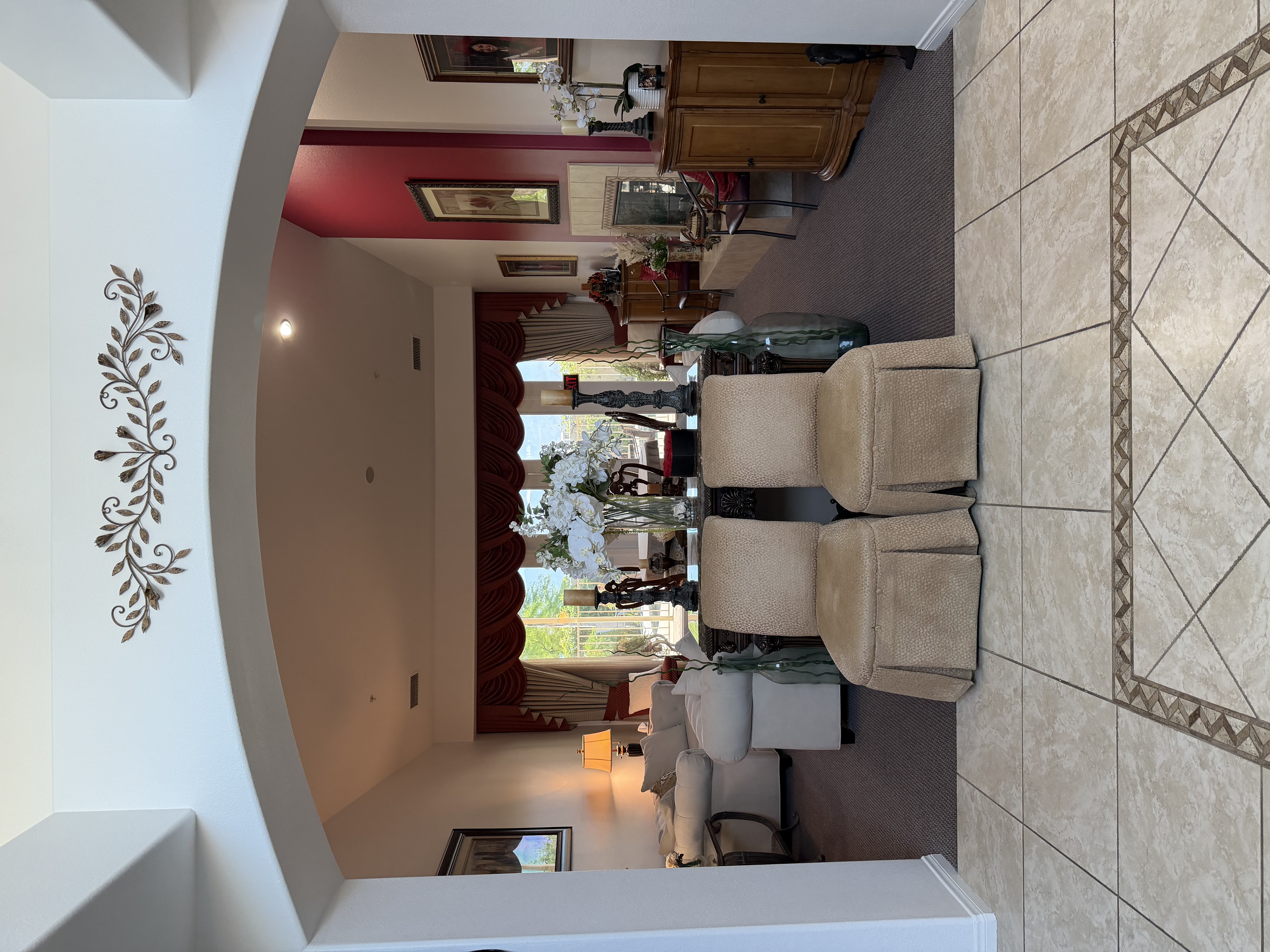
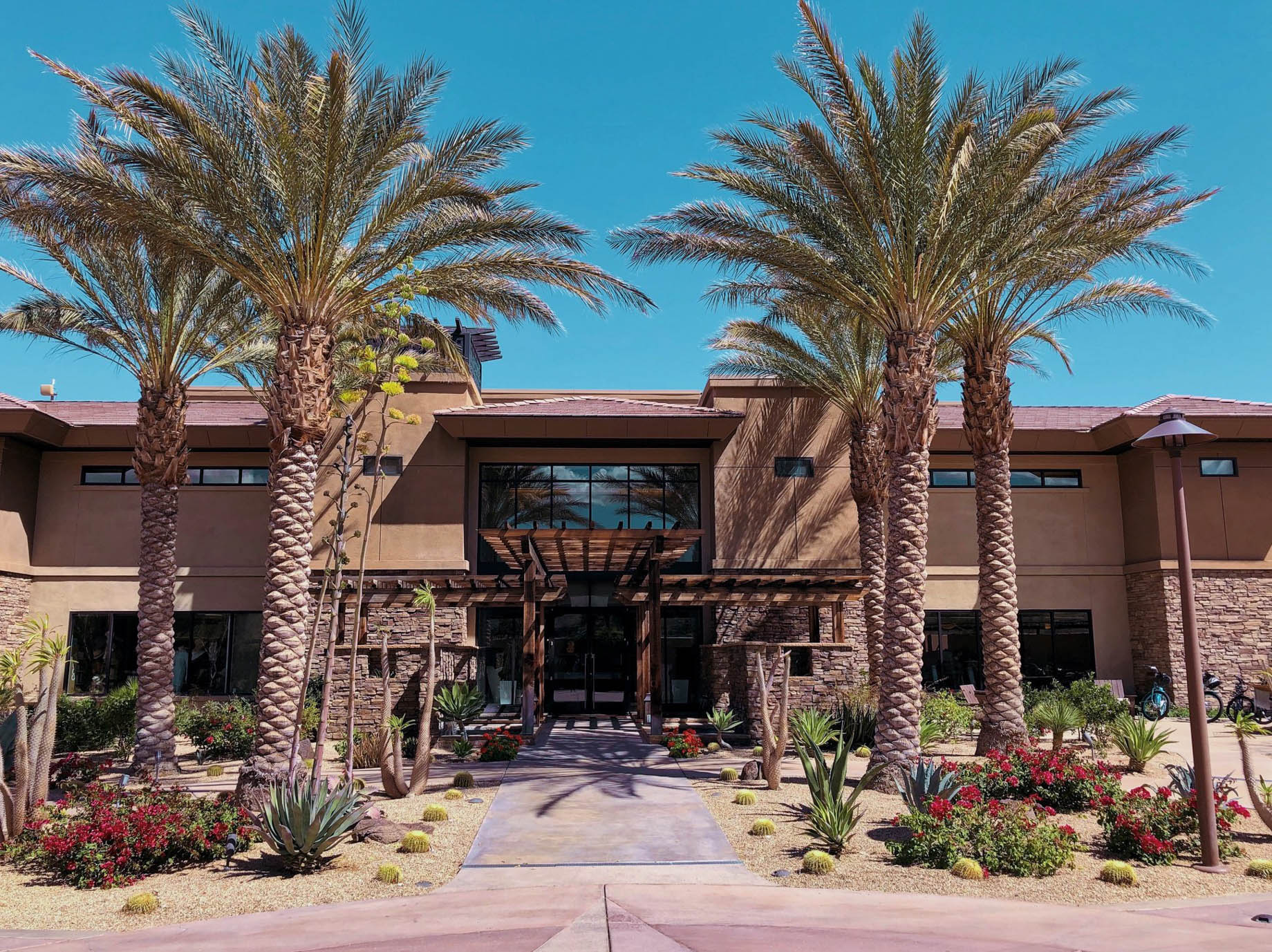
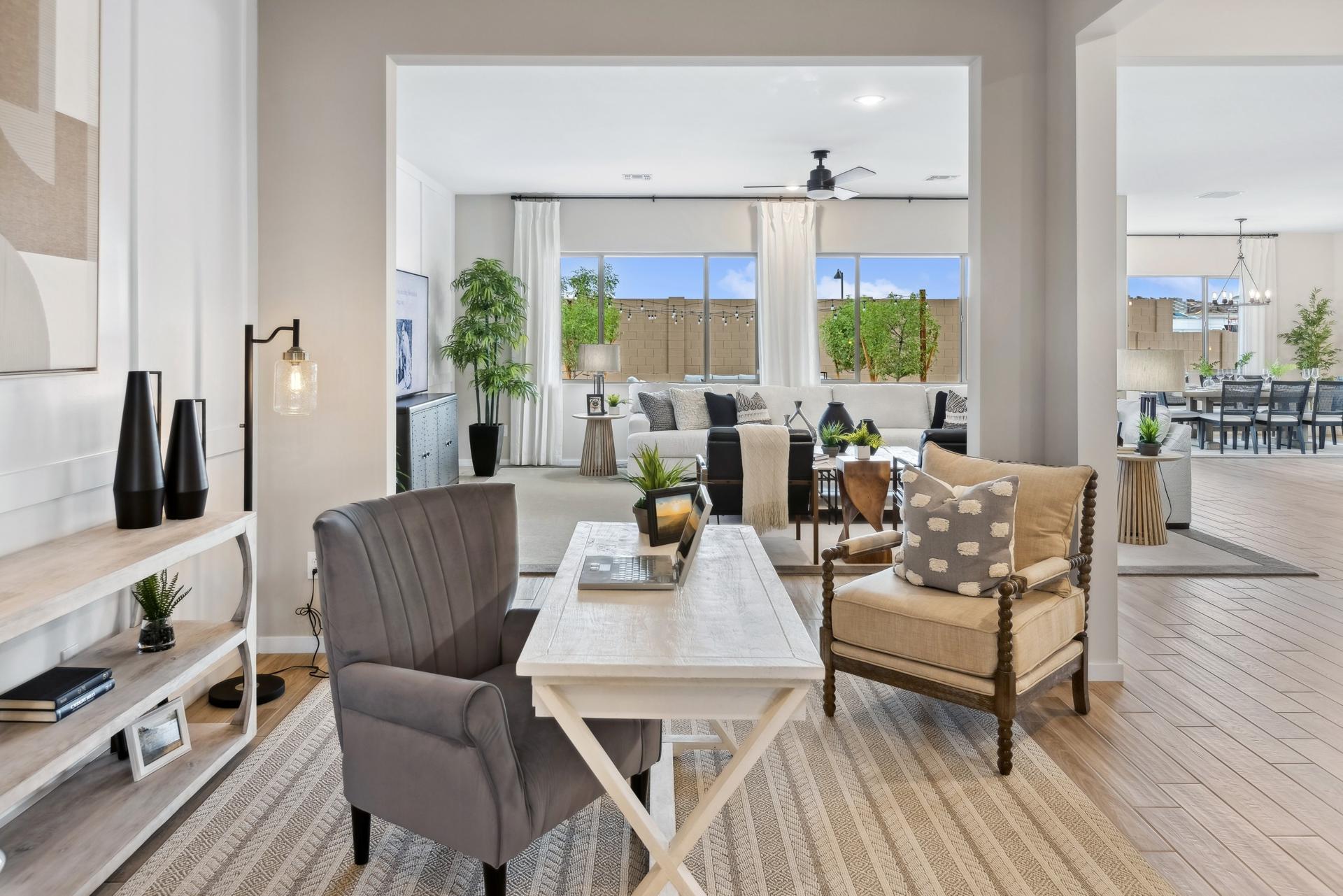
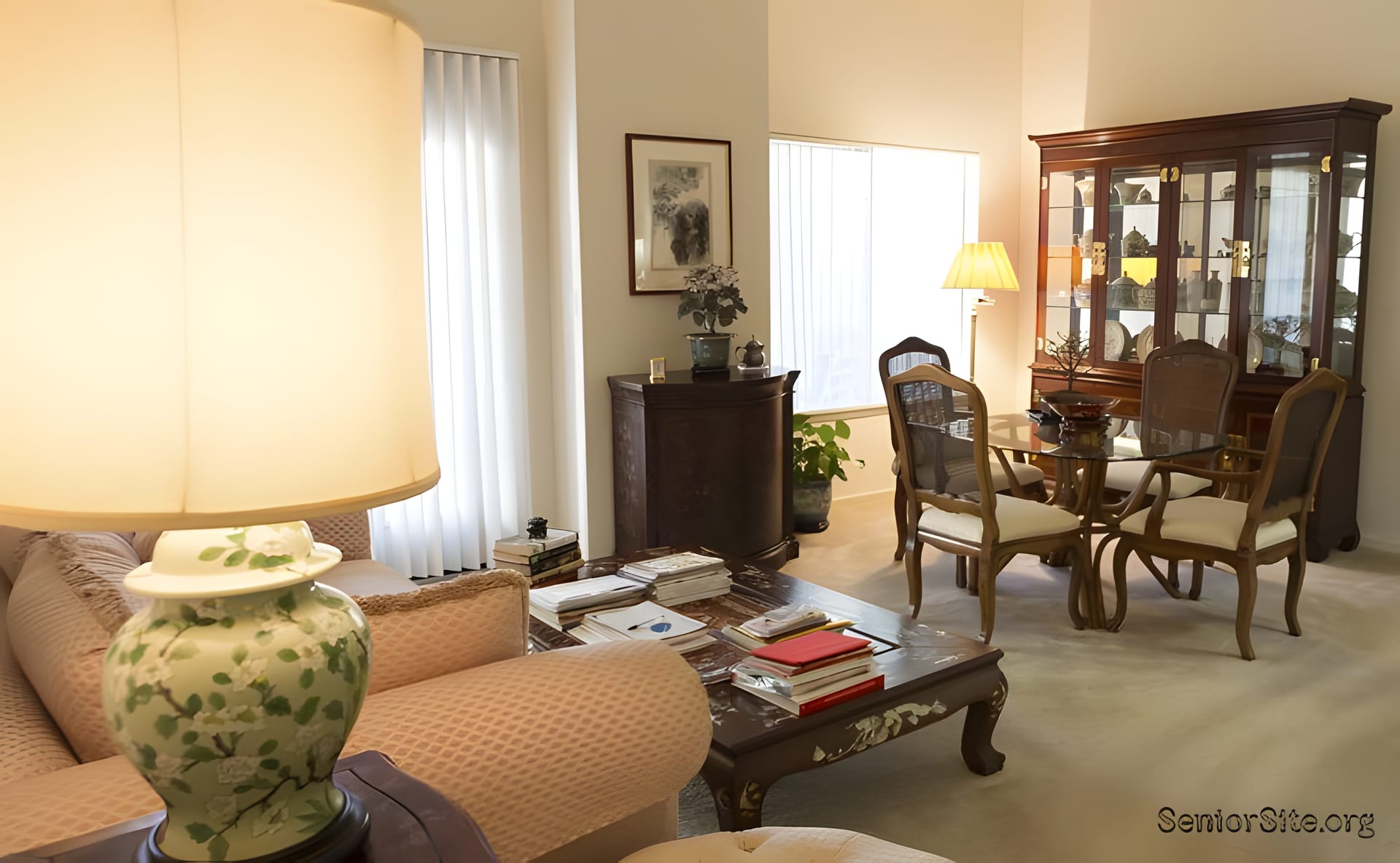
Choosing assisted living in Rancho Mirage, California, involves evaluating local licensing standards, monthly cost averages, and specific care tiers tailored to seniors seeking a balance of independence and medical support. Located in Riverside County's Coachella Valley, Rancho Mirage features numerous licensed residential care facilities for the elderly that offer personalized assistance with daily living activities, medication management, and specialized memory care programs.
Understanding the Landscape of Senior Care in Rancho Mirage
Rancho Mirage is widely recognized for its resort-style atmosphere, golf courses, and upscale residential communities, making it a prominent destination for retirees in Southern California. For older adults requiring daily assistance, the city and surrounding Coachella Valley offer a dense network of senior living options.
Unlike nursing homes, which provide round-the-clock skilled nursing care for individuals with severe medical conditions, assisted living facilities focus on residential autonomy with scheduled support. Residents typically live in private or semi-private apartments and receive help with activities of daily living (ADLs), such as bathing, dressing, medication administration, and mobility.
Licensing and Regulatory Oversight in California
All residential care facilities for the elderly (RCFEs) in Rancho Mirage operate under strict state oversight. The primary regulatory body is the California Department of Social Services (CDSS) Community Care Licensing Division (CCLD).
Before choosing a facility, family members and prospective residents should verify a facility’s licensing history through the CCLD transparency portal. This database details:
- Current licensing status and capacity limits.
- Historical compliance records, including administrative actions, citations, and substantiated complaints.
- Staff-to-resident ratios mandated by state law for specific care tiers.
Assessing Costs and Financial Planning
The cost of assisted living in Rancho Mirage generally exceeds national averages due to the local cost of living and the premium nature of the Coachella Valley's senior housing market. Understanding the breakdown of expenses helps families budget accurately and avoid unexpected financial strain.
Typical Monthly Expenses
Monthly costs for assisted living in Rancho Mirage are structured around a base rate that covers rent, utilities, maintenance, dining services, and basic housekeeping. Additional care services are billed via a tiered pricing model based on an initial health assessment.
| Expense Category | Average Monthly Cost Range | What It Covers |
|---|---|---|
| Base Rent (Studio/1-Bedroom) | $4,500 – $7,500 | Apartment unit, utilities, dining (2-3 meals/day), activities, basic housekeeping. |
| Tiered Care Fees (ADL Support) | $500 – $3,000 | Customized assistance with bathing, dressing, medication management, and mobility. |
| Community / Community Fee | $2,000 – $4,000 (One-time) | Non-refundable initial assessment, apartment turnover, and facility onboarding. |
| Memory Care Supplement | $1,500 – $3,500 (Additional) | Secure environment, specialized programming, and higher staff-to-resident ratios. |
Financial Assistance and Funding Options
Because traditional Medicare does not cover the long-term custodial care provided in assisted living facilities, families must rely on alternative funding sources:
- Private Pay: Personal savings, retirement accounts, pensions, and investments.
- Long-Term Care Insurance: Policies purchased years in advance often reimburse a significant portion of assisted living and memory care expenses, subject to daily maximums and elimination periods.
- Veterans Benefits: The U.S. Department of Veterans Affairs offers the Aid and Attendance pension benefit, which provides monthly financial assistance to eligible wartime veterans and surviving spouses who require help with daily activities.
- Medi-Cal Waivers: While Medi-Cal traditionally covers skilled nursing, California's Assisted Living Waiver (ALW) program provides an alternative for eligible individuals, though availability in specific private facilities in Rancho Mirage can be limited.
Types of Care and Living Arrangements
Assisted living communities in the area vary significantly in size, campus layout, and medical capability. Selecting the correct environment depends on the senior’s current physical and cognitive status, as well as projected future needs.
Residential Care Facilities vs. Large Communities
- Small Board and Care Homes (Residential Care Facilities): These typically house six or fewer residents in a residential neighborhood setting. They offer high staff-to-resident ratios, a home-like environment, and personalized attention, though they may have fewer organized social events or physical amenities.
- Large Assisted Living Communities: These multi-story or sprawling campus-style facilities feature dozens or hundreds of apartments. They offer extensive amenities, including fitness centers, swimming pools, multiple dining venues, libraries, and robust activity calendars.
- Continuing Care Retirement Communities (CCRCs): CCRCs allow seniors to age in place by offering independent living, assisted living, memory care, and skilled nursing on a single campus. Transitioning between levels of care requires less administrative friction as medical needs evolve.
Specialized Memory Care
For seniors diagnosed with Alzheimer’s disease or other forms of dementia, standard assisted living may not provide adequate security or structured cognitive engagement. Memory care units within Rancho Mirage facilities feature:
- Enclosed, secure perimeters to prevent wandering.
- Specially trained staff utilizing validation therapy and structured daily routines.
- Environmental design elements that reduce anxiety and disorientation.
Evaluating and Selecting a Facility
Touring multiple facilities is a critical step in the decision-making process. Families should not rely solely on marketing brochures or online galleries.
Key Criteria During Facility Tours
- Staff Stability and Training: Inquire about staff turnover rates and ongoing training protocols for dementia care and emergency response. High turnover can impact the consistency of resident care.
- Dining Quality: Sample a meal during a tour. Review menus for nutritional balance and flexibility regarding dietary restrictions (e.g., diabetic, low-sodium, or mechanical soft diets).
- Activity Programming: Observe whether activities are actively engaging residents or if individuals are isolated. Look for a mix of physical exercise, cognitive stimulation, and community outings.
- Emergency Preparedness: Rancho Mirage experiences extreme summer heat. Verify backup generator capacity, air conditioning maintenance policies, and evacuation procedures.
Frequently Asked Questions
What is the difference between assisted living and a nursing home?
Assisted living is designed for seniors who need help with daily activities like dressing, bathing, and medication management, maintaining a largely independent lifestyle. Nursing homes (skilled nursing facilities) provide 24-hour medical care, rehabilitation therapy, and clinical supervision for individuals with complex, unstable medical conditions.
Does Medicare pay for assisted living in Rancho Mirage?
No. Medicare covers short-term rehabilitation, skilled nursing, and home health care, but it does not cover long-term custodial care or rent in assisted living facilities. Individuals must pay privately, utilize long-term care insurance, or explore VA benefits.
How do I check the safety record of a Rancho Mirage assisted living facility?
You can search public records via the California Department of Social Services Community Care Licensing Division website. This database lists inspection reports, substantiated complaints, and any citations issued to facilities operating in California.
What happens if a resident's medical needs increase over time?
Most assisted living facilities conduct regular health reassessments. If a resident requires higher levels of care, the facility may adjust their care tier and associated fees. If the resident requires skilled nursing or total care that exceeds the facility's legal licensing limits, staff will work with the family to transition the resident to a higher level of care.
Are pets allowed in Rancho Mirage assisted living communities?
Many assisted living facilities in the area are pet-friendly, recognizing the therapeutic value of animal companionship. However, policies vary significantly by facility regarding pet size, breed restrictions, additional deposits, and whether staff can assist with pet care.
Next Actions for Families
Begin your search by listing the prospective resident's current medical, social, and financial requirements. Contact at least three licensed facilities in Rancho Mirage to schedule in-person tours, request sample residency agreements, and review recent state licensing reports. Consulting a geriatric care manager or a senior placement specialist can also provide objective guidance tailored to individual family circumstances.