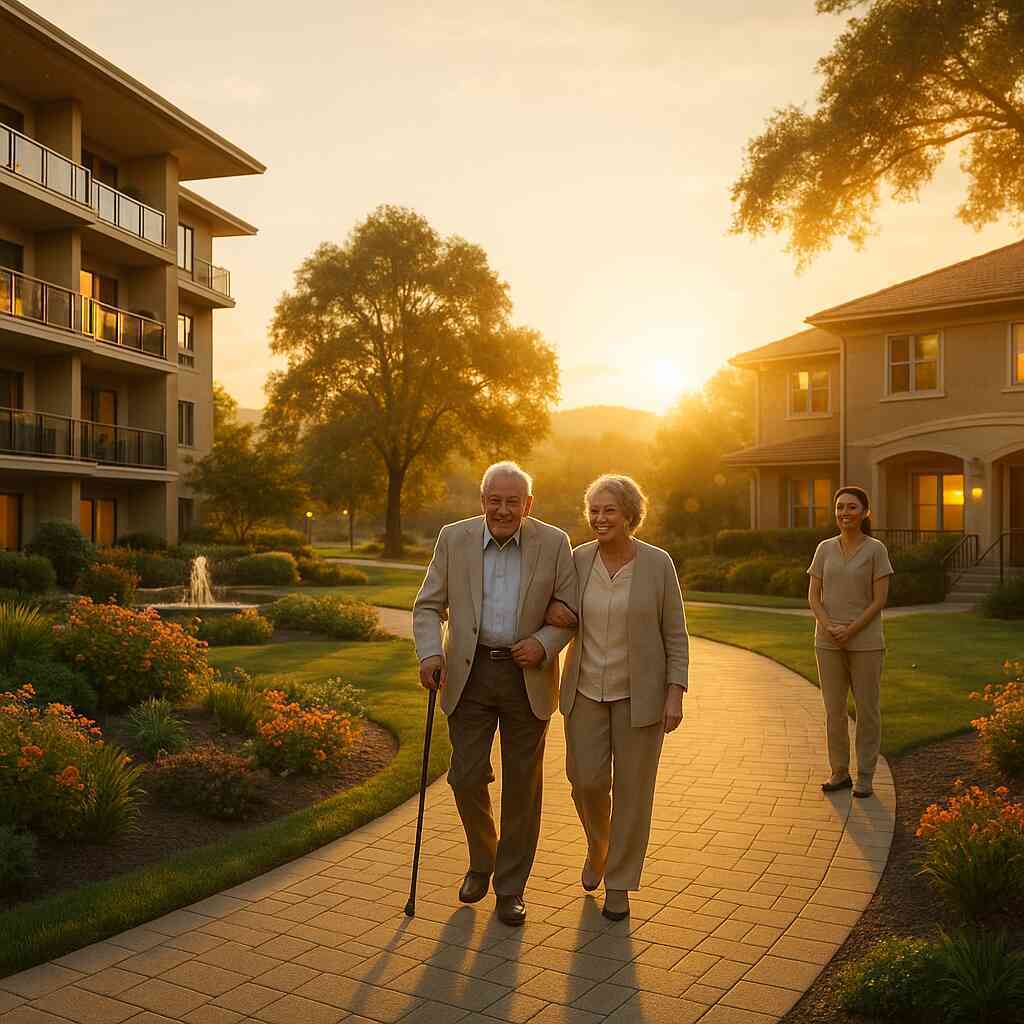
Finding the right assisted living option in Redding, Connecticut, requires a clear understanding of what local facilities provide, how state regulations govern senior care, and what financial resources are available to support older adults. Because Redding itself is a relatively rural, low-density town in Fairfield County with limited large-scale commercial eldercare infrastructure within its immediate borders, families typically look both locally and toward neighboring towns to find licensed residential care communities that match their medical, social, and financial requirements.
Understanding the Redding, Connecticut Context for Senior Care
Redding is celebrated for its historic New England charm, open spaces, and quiet residential character. However, this rural zoning and small population mean that large institutional assisted living facilities are sparse directly within the town limits. Most older adults who wish to remain close to Redding or within the town itself rely on a combination of aging-in-place strategies, in-home care agencies, and boutique residential care homes, while looking to adjacent municipalities like Danbury, Bethel, Ridgefield, Easton, and Westport for larger assisted living facilities (ALFs) and continuing care retirement communities (CCRs).
When evaluating senior living options, it is essential to distinguish between different tiers of care:
- Independent Living: Designed for active seniors who require minimal to no daily assistance but want the convenience of maintenance-free housing and community social activities.
- Assisted Living Services Agencies (ALSAs): In Connecticut, assisted living services can be delivered within managed residential communities or even designated apartment complexes through licensed ALSAs. This allows residents to receive nursing oversight, medication management, and help with activities of daily living (ADLs) while maintaining their own private apartments.
- Residential Care Homes (RCHs): State-licensed facilities that provide room, board, and supervision or assistance with personal care, suited for individuals who do not require skilled nursing care.
- Skilled Nursing Facilities (SNFs): Often referred to as nursing homes, these provide 24-hour medical care and rehabilitation services for individuals with complex chronic conditions or those recovering from acute medical events.
State Regulation and Licensing of Assisted Living in Connecticut
The Connecticut Department of Public Health (DPH) regulates and licenses healthcare and senior living facilities across the state, ensuring they meet rigorous health, safety, and operational standards. Under Connecticut law, assisted living services within managed residential communities are strictly monitored to protect consumer rights and safety.
Key regulatory aspects to verify when investigating options near Redding include:
- Managed Residential Communities (MRCs): These are apartment-style residential environments that offer rental housing alongside supportive services. An MRC must maintain a written service agreement outlining all baseline fees, optional services, and discharge criteria.
- Access to Nursing Care: Licensed ALSAs must employ registered nurses (RNs) to conduct initial and ongoing health assessments, design personalized care plans, and supervise direct-care aides.
- Staffing Ratios and Training: Connecticut mandates specific training requirements for aides assisting with personal care and medication administration. Families should always ask about staff turnover rates and shift-by-shift nurse availability.
Exploring Care Options Within and Around Redding
Because Redding's geographic footprint includes areas like Georgetown, Redding Center, and West Redding, residents often balance local preferences with the reality of regional facility distribution. Below is a breakdown of the primary avenues available to families exploring care options in and around the Redding area.
1. Aging in Place with In-Home Care Support
Many Redding residents choose to remain in their private homes for as long as possible. This approach is supported by a robust network of private-duty home care agencies serving Fairfield County.
- Services Provided: Professional caregivers assist with light housekeeping, meal preparation, transportation to medical appointments in Danbury or Norwalk, companionship, and personal hygiene.
- Clinical Care: Licensed home health agencies can provide physical therapy, occupational therapy, and skilled nursing visits ordered by a physician.
- Considerations: Home modifications—such as stairlifts, walk-in showers, and ramp installations—are frequently necessary to ensure safety in older Redding homes, which often feature multi-level layouts and wooded, sloped properties.
2. Managed Residential Communities and Assisted Living Facilities
For those ready to transition out of private home maintenance, regional assisted living facilities located within a 10-to-20-minute drive from Redding offer vibrant community settings. Towns like Danbury and Bethel feature numerous assisted living communities that provide private or semi-private apartments, communal dining rooms, organized social calendars, and 24-hour emergency response systems.
These facilities typically operate on a tiered pricing model, where residents pay a base monthly rent for room, board, and basic amenities, plus an additional tiered fee based on the exact number of care hours or specific assistance required for ADLs.
3. Specialized Memory Care
For individuals diagnosed with Alzheimer's disease or other forms of dementia, standard assisted living may not provide sufficient security or specialized engagement. Secure memory care units—either operating as distinct wings within larger assisted living facilities or as standalone buildings in Fairfield County—offer enclosed environments, wander-prevention technology, and specially trained staff who utilize validation therapy and structured daily routines.
Financial Planning and Cost Considerations
Assisted living represents a significant financial commitment, particularly in Fairfield County, where costs generally trend higher than the national average due to the local cost of living and regional operating expenses. Understanding how to navigate payment mechanisms is a critical step in the planning process.
| Payment Source | Description and Eligibility | Best Suited For |
|---|---|---|
| Private Pay | Out-of-pocket payments using personal savings, pensions, retirement accounts (IRAs, 401ks), and investment portfolios. | Families with liquid assets or traditional retirement income streams sufficient to cover monthly fees. |
| Long-Term Care Insurance | Insurance policies purchased years in advance specifically to cover assisted living, home care, or nursing home care. | Policyholders who meet their policy's specific "benefit trigger" criteria (typically inability to perform two or more ADLs). |
| Veterans Benefits (Aid and Attendance) | A supplemental pension benefit offered by the VA for wartime veterans and surviving spouses who require assistance with daily activities. | Qualifying veterans and spouses looking to offset monthly assisted living or in-home care costs. |
| Connecticut Medicaid (HUSKY Health / MFP) | State-administered programs, including the Connecticut Home Care Program for Elders (CHCPE), which can help subsidize home care or specific assisted living waiver slots. | Individuals with limited income and assets who meet strict financial and clinical eligibility thresholds. |
Disclaimer: Financial and legal planning for long-term care involves complex federal and state regulations. Families should consult with a certified elder law attorney or a financial planner specializing in senior care before making major asset transfers or financial commitments.
Evaluating and Touring Prospective Facilities
When you narrow down your list of prospective assisted living options near Redding, conducting thorough, structured on-site tours is essential. Do not rely solely on marketing brochures or website imagery.
During your visit, pay close attention to the following evaluation criteria:
- Atmosphere and Cleanliness: Observe the general cleanliness of common areas, dining rooms, and hallways. Note the demeanor of current residents—do they appear engaged, comfortable, and well-cared for?
- Dining Experience: Request to sample a meal or review the monthly menu. Ask how the facility accommodates specialized dietary needs, such as low-sodium, diabetic, or mechanical soft diets.
- Activity Calendars: Look past generic lists of activities. Check whether events are actively attended and whether transportation is provided for off-site shopping or cultural outings in the local area.
- Staff Engagement: Observe interactions between frontline staff and residents. Compassionate, patient communication is a strong indicator of a healthy organizational culture.
- Regulatory Record: Request to view the facility's most recent state health inspection report, or check public compliance records maintained by the Connecticut Department of Public Health.
Questions to Ask Admissions Directors
To cut through sales presentations and gather actionable data, ask targeted questions during your initial consultation:
- What are the specific criteria that would require a resident to "graduate" or move out to a higher level of skilled nursing care?
- How are care plans updated when a resident's cognitive or physical health declines?
- What is the ratio of care aides to residents during peak morning hours and overnight shifts?
- Are rent increases capped annually, and what has the historical percentage increase been over the last three years?
- What mechanisms are in place to handle medical emergencies or transport residents to Redding-area hospitals or medical centers?
Next Steps for Families
Navigating senior living transitions can feel overwhelming, but breaking the process down into manageable phases brings clarity. Begin by assessing the older adult's current and projected medical needs in consultation with their primary care physician. Next, conduct an honest inventory of available financial resources and insurance policies. Finally, schedule tours at a mix of in-home care agencies and regional assisted living communities within striking distance of Redding to find an environment that prioritizes safety, dignity, and quality of life.