An associate degree in nursing in Georgia provides a streamlined, affordable pathway to becoming a Registered Nurse, typically taking two years to complete through technical colleges, state colleges, and private institutions. Graduates are eligible to sit for the National Council Licensure Examination for Registered Nurses to enter clinical practice across hospitals, long-term care facilities, and outpatient clinics throughout the state.
Understanding the Associate Degree in Nursing (ADN) Landscape in Georgia
Pursuing an associate degree in nursing (ADN) in Georgia represents one of the most reliable and direct pathways into the healthcare workforce. Registered Nurses (RNs) form the backbone of the medical system, delivering patient care, coordinating treatments, and educating patients and their families. While a Bachelor of Science in Nursing (BSN) is increasingly preferred by academic medical centers and Magnet-designated hospitals, the ADN remains the preferred entry point for individuals seeking a faster transition into the profession without incurring the higher tuition costs associated with four-year universities.
In Georgia, ADN programs are primarily hosted within two major educational systems: the Technical College System of Georgia (TCSG) and the University System of Georgia (USG), alongside various private career colleges. Because these programs balance rigorous biological sciences with intensive hands-on clinical rotations, understanding their structures, admissions criteria, and regulatory environments is essential for prospective students aiming to build a stable and rewarding career in healthcare.
Educational Delivery Models and Institutional Types
When researching nursing programs in Georgia, students will encounter a variety of institutional settings. Each institutional type brings distinct advantages, scheduling flexibilities, and resource allocations.
Technical College System of Georgia (TCSG)
The TCSG oversees numerous technical colleges distributed across the state—such as Chattahoochee Technical College, Gwinnett Technical College, and Central Georgia Technical College—that offer Associate of Science in Nursing (ASN) or Associate of Applied Science (AAS) degrees. These institutions often boast lower tuition rates per credit hour, making them exceptionally attractive to local residents and non-traditional students balancing work and family responsibilities. Technical colleges frequently emphasize hands-on technical competencies, ensuring that graduates are operationally ready for floor nursing from day one.
University System of Georgia (USG) State Colleges
Several state colleges within the USG system, including Gordon State College and Dalton State College, offer associate degrees in nursing. These programs often bridge seamlessly into RN-to-BSN completion tracks, allowing students to earn their associate degree, pass their licensure exam, and begin working while concurrently or subsequently pursuing their bachelor's degree. State college programs may place a slightly heavier emphasis on general academic theory alongside clinical practice.
Private and Proprietary Institutions
Private colleges and universities in Georgia also offer ADN programs, often featuring accelerated cohorts or flexible evening and weekend schedules. While tuition costs at private institutions are typically higher than those at TCSG or USG schools, they may offer rolling admissions, fewer prerequisite bottlenecks, and smaller cohort sizes that facilitate individualized faculty mentorship.
Eligibility, Prerequisites, and Competitive Admissions
Gaining admission to an accredited ADN program in Georgia is notoriously competitive. Because clinical placement sites limit the number of students an instructor can supervise, nursing programs often receive vastly more applicants than they can accept. Meeting minimum eligibility requirements does not guarantee admission; rather, it places an applicant into a tiered evaluation pool.
Academic Prerequisites
Before applying to the core nursing curriculum, students must complete a series of foundational general education and science courses. These prerequisites generally include:
- Anatomy and Physiology I and II with corresponding labs
- Microbiology with a lab
- English Composition I
- College Algebra or an equivalent core mathematics course
- General Psychology or Human Growth and Development
Many programs mandate that these science courses be completed within a specific timeframe (often within the last five years) and require a minimum grade of "C" or higher, with competitive applicants often striving for "A" grades to maximize their admission score.
Entrance Examinations
Most Georgia nursing schools require applicants to pass a standardized healthcare entrance exam. The most common assessments are the Test of Essential Academic Skills (TEAS), administered by the Assessment Technologies Institute (ATI), or the Health Education Systems, Inc. (HESI) A2 exam. These tests evaluate reading comprehension, mathematics, science, and English language usage. Programs typically establish a minimum composite score threshold for eligibility, though scoring well above the minimum is frequently necessary for acceptance into competitive cohorts.
Background Checks, Drug Screening, and Immunizations
Because nursing students interact directly with vulnerable patient populations in clinical settings, regulatory compliance is non-negotiable. Upon acceptance, students must submit to comprehensive criminal background checks, multi-panel drug screenings, and proof of extensive immunizations—including annual influenza vaccinations, tuberculosis skin tests or chest X-rays, and proof of immunity to measles, mumps, rubella, varicella, and hepatitis B. Criminal convictions or failed drug screenings can permanently bar a student from participating in clinical rotations, rendering completion of the degree impossible.
| Program Type | Typical Duration | Primary Funding Body | Best Suited For |
|---|---|---|---|
| Technical College (TCSG) | 5 to 6 Semesters (incl. prerequisites) | State-supported technical system | Cost-conscious students seeking immediate workforce entry |
| State College (USG) | 2 Years (Core Nursing) | University System of Georgia | Students planning a seamless transition to an RN-to-BSN track |
| Private College | 18 to 24 Months | Private tuition and fees | Students seeking flexible schedules or accelerated pacing |
The Georgia Nursing Curriculum and Clinical Rotations
The curriculum of an associate degree in nursing balances classroom instruction in biological, psychological, and social sciences with rigorous practical application. Once admitted to the core nursing sequence, students progress through a structured series of courses that build upon one another.
Classroom and Theoretical Instruction
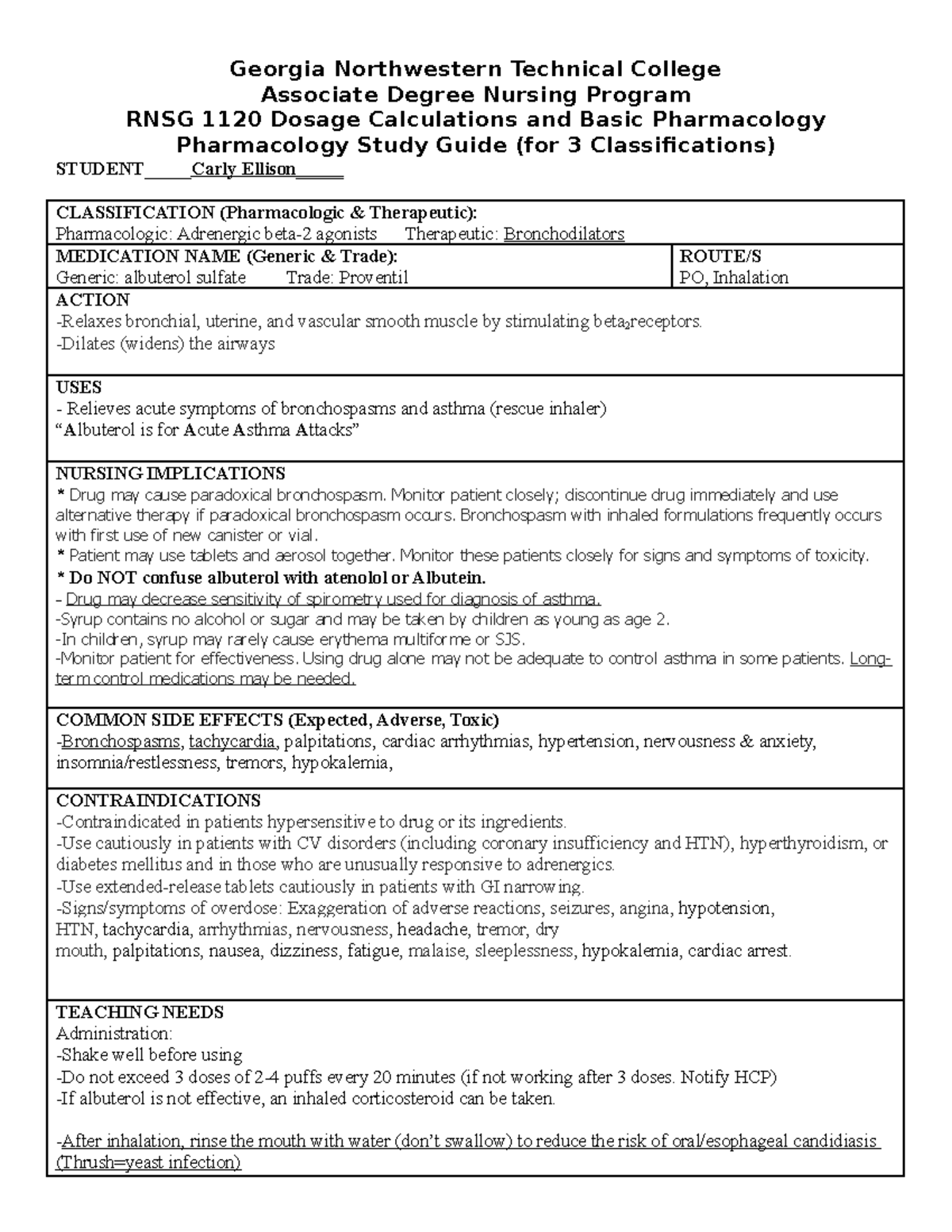
Theoretical coursework covers fundamental nursing concepts, medical-surgical nursing, pharmacology, mental health nursing, maternal-child nursing, and pediatric nursing. Students learn the foundational framework of the nursing process: assessment, diagnosis, planning, implementation, and evaluation. Pharmacology courses teach safe medication administration, dosage calculations, pharmacokinetic principles, and drug interactions, where mathematical precision is strictly enforced to prevent clinical errors.
Clinical Rotations and Simulation Labs
Classroom theory is immediately tested and reinforced through hands-on clinical experiences. Georgia ADN programs partner with regional hospital networks, community health clinics, and long-term care facilities to provide supervised clinical hours. Under the direct guidance of clinical instructors and qualified preceptors, students practice physical assessments, administer intravenous medications, perform wound care, and manage patient charts.
Prior to stepping foot in a live clinical environment, students spend significant hours in high-fidelity simulation laboratories. These labs feature computerized mannequins capable of simulating cardiac arrests, respiratory distress, and other acute medical crises, allowing students to develop critical thinking and crisis-management skills in a controlled, risk-free educational setting.
Financial Considerations and Tuition Costs
Investing in an associate degree in nursing requires careful financial planning. Costs vary significantly depending on whether the student attends a public technical college, a state college, or a private institution.
Tuition, Fees, and Program Expenses
At TCSG institutions, in-state tuition is heavily subsidized by the state of Georgia, making it one of the most cost-effective routes to a healthcare career. Beyond tuition and general college fees, nursing students must budget for mandatory program-specific expenses. These out-of-pocket costs typically include:
- Textbooks, digital resource platforms, and online testing software
- Uniforms, specialized shoes, and medical equipment (stethoscope, blood pressure cuff, penlight, bandage scissors)
- Background check fees, drug screening charges, and medical immunization tracking software
- Malpractice insurance and student organization dues
- Licensing application fees, fingerprinting, and the cost of the board examination
Financial Aid and State-Specific Programs
Georgia residents have access to several financial aid programs that can dramatically reduce out-of-pocket educational costs. The HOPE Grant and Zell Miller Grant provide financial assistance to students enrolled in certificate, diploma, or degree programs at eligible TCSG and USG institutions, provided they maintain the required academic standing. Additionally, the HOPE Career Grant offers additional financial assistance to students pursuing designated high-demand fields, which includes registered nursing. Exploring federal financial aid through the Free Application for Federal Student Aid (FAFSA) is also a critical step for securing Pell Grants and federal student loans.
Licensure: Passing the NCLEX-RN in Georgia
Graduating from an approved associate degree nursing program does not automatically grant the legal right to practice as a registered nurse. Graduates must successfully pass the NCLEX-RN, a standardized examination administered by the National Council of State Boards of Nursing (NCSBN).
Application to the Georgia Board of Nursing
To sit for the exam, graduates must submit an application for licensure by examination to the Georgia Board of Nursing. This process requires submitting official transcripts, paying state application fees, and registering with Pearson VUE, the testing vendor that administers the exam. Candidates must also complete fingerprinting for a criminal history background check processed through the Georgia Bureau of Investigation and the Federal Bureau of Investigation.
Understanding the NCLEX-RN Examination
The NCLEX-RN utilizes computerized adaptive testing (CAT), meaning the difficulty and total number of questions adjust dynamically based on the test-taker's performance. The exam evaluates competencies across four major client needs categories: safe and effective care environment, health promotion and maintenance, psychosocial integrity, and physiological integrity. Passing the exam confirms that the candidate possesses the minimum entry-level knowledge required to practice nursing safely without endangering the public.
Career Outcomes, Salaries, and Advancement Pathways
Earning an ADN in Georgia opens the door to a stable and versatile career path with strong employment prospects. Healthcare facilities across the state—from major medical centers in Atlanta and Savannah to rural community hospitals—frequently recruit new ADN graduates.
Employment Settings and Responsibilities
Registered Nurses with an ADN work in a diverse array of environments, including:
- Acute care hospitals (emergency departments, intensive care units, medical-surgical floors)
- Long-term care and skilled nursing facilities
- Outpatient surgical centers and ambulatory care clinics
- Home health care agencies and hospice organizations
- Public health departments and school systems
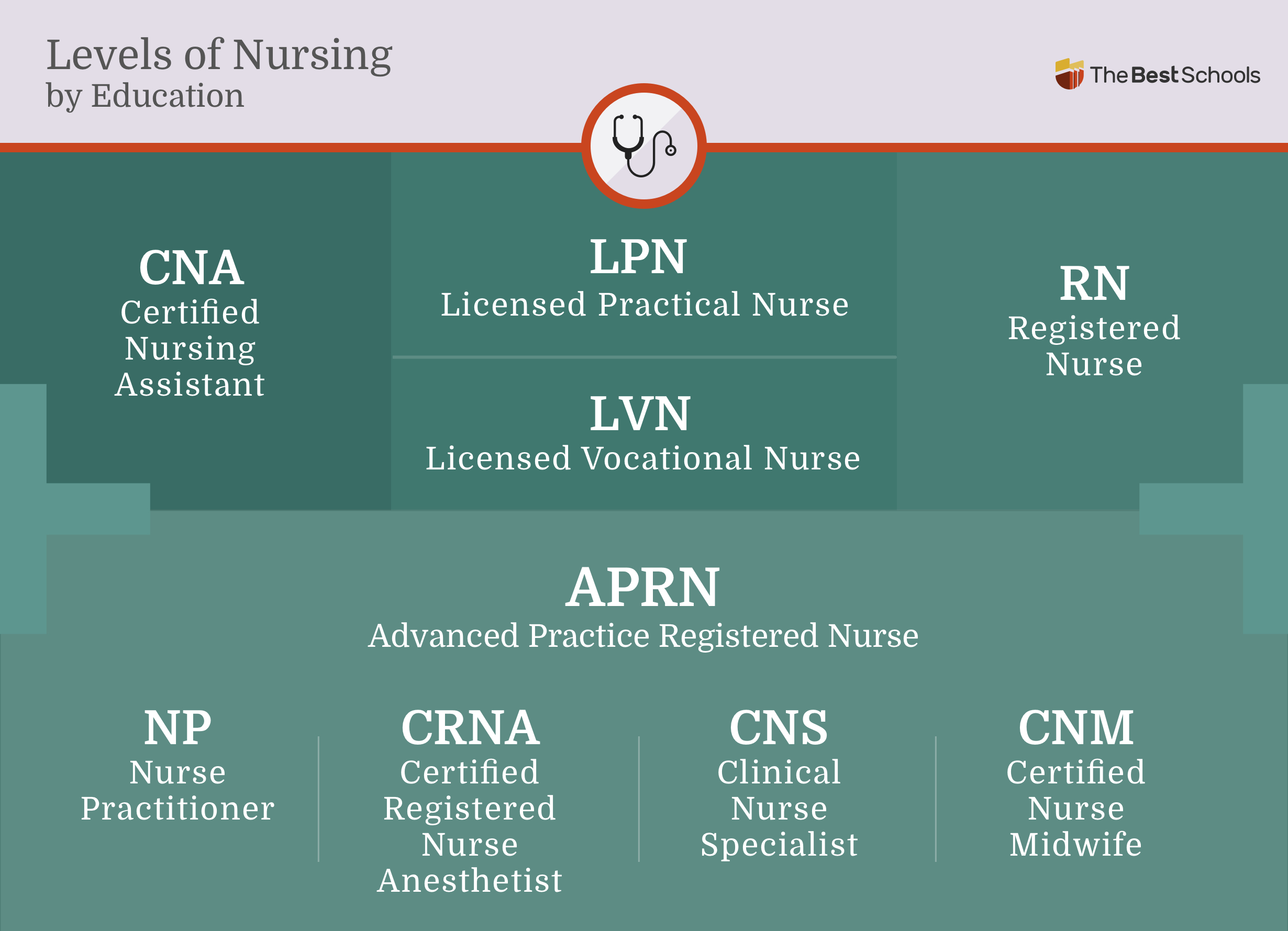
Daily responsibilities include monitoring vital signs, administering treatments, collaborating with multidisciplinary healthcare teams, educating patients on post-discharge self-care, and supervising licensed practical nurses (LPNs) and certified nursing assistants (CNAs).
Compensation and Job Stability
According to data maintained by the U.S. Bureau of Labor Statistics (BLS), employment for registered nurses is projected to grow steadily over the coming decade, driven by an aging population and an increased emphasis on preventive healthcare. Salaries for registered nurses in Georgia vary based on geographic location, clinical specialty, and years of experience, with metropolitan areas like Atlanta generally offering higher compensation packages to offset the cost of living.
Continuing Education: The RN-to-BSN Pathway
While an ADN qualifies an individual to enter the workforce and obtain licensure, many healthcare employers in Georgia strongly encourage or require nurses to complete a bachelor's degree within a specified timeframe after hire, particularly if the facility pursues Magnet status. Fortunately, numerous institutions in Georgia offer flexible, online RN-to-BSN bridge programs. These programs are specifically designed for working associate degree nurses, allowing them to complete their bachelor's degree asynchronously while maintaining full-time employment.
Common Mistakes to Avoid When Pursuing an ADN
Navigating the transition into nursing education involves several common pitfalls that can delay graduation or complicate licensure. Prospective students should remain mindful of the following challenges:
- Neglecting Prerequisite GPA Cutoffs: Assuming that meeting the bare minimum prerequisite grade of "C" is sufficient for competitive admission. In most Georgia programs, competitive applicants maintain a science GPA well above 3.5.
- Failing to Verify Program Accreditation: Enrolling in a nursing program that lacks proper state board approval or national accreditation (such as from the Accreditation Commission for Education in Nursing). Unaccredited programs may bar graduates from sitting for the NCLEX-RN.
- Underestimating Time Commitments: Attempting to maintain a full-time work schedule while enrolled in the core nursing curriculum. The combination of rigorous lecture hours, intense study requirements, and mandatory clinical rotations often makes full-time employment unsustainable.
- Delaying Background Check Clearances: Waiting until the last minute to resolve minor discrepancies or historical issues on background checks, which can prevent timely clearance for clinical placements.
Frequently Asked Questions
Can I work as an RN with an associate degree in Georgia?
Yes. An associate degree in nursing fulfills the educational requirements needed to apply for licensure and sit for the NCLEX-RN in Georgia. Once you pass the exam, you hold the exact same legal RN license as a nurse holding a bachelor's degree.
How long does it take to complete an ADN program in Georgia?
While the core nursing curriculum typically takes four to five semesters (about two years) to complete, most students require an additional semester or two to finish prerequisite general education courses like anatomy, physiology, and microbiology, bringing the total timeline closer to three years.
Are online nursing programs available for an ADN in Georgia?
While some theoretical and general education courses can be completed online, complete online-only ADN programs do not exist because state boards of nursing and accrediting bodies mandate extensive, hands-on clinical hours and supervised simulation lab experiences.
What is the difference between an ASN, an AAS, and an ADN?
An Associate of Science in Nursing (ASN) and an Associate of Applied Science (AAS) are both specific degree titles that result in an Associate Degree in Nursing (ADN). The primary distinction lies in whether the issuing institution designs the curriculum to emphasize transferability to a four-year university (typically an ASN) or immediate workforce technical preparation (typically an AAS).
What happens if I fail the NCLEX-RN on my first attempt?
If you do not pass the NCLEX-RN on your first attempt, you are permitted to retake the exam. The Georgia Board of Nursing and Pearson VUE will provide a Candidate Performance Report indicating your areas of weakness, and you must wait a mandated remediation period before scheduling your re-test.
Conclusion and Next Actions
Embarking on an associate degree in nursing in Georgia is a transformative step toward a secure, respected, and dynamic career in healthcare. Your immediate next action should be to research accredited TCSG or USG institutions in your local area, review their specific prerequisite checklists, and schedule an appointment with an academic advisor to map out your application timeline and entrance exam preparation strategy.