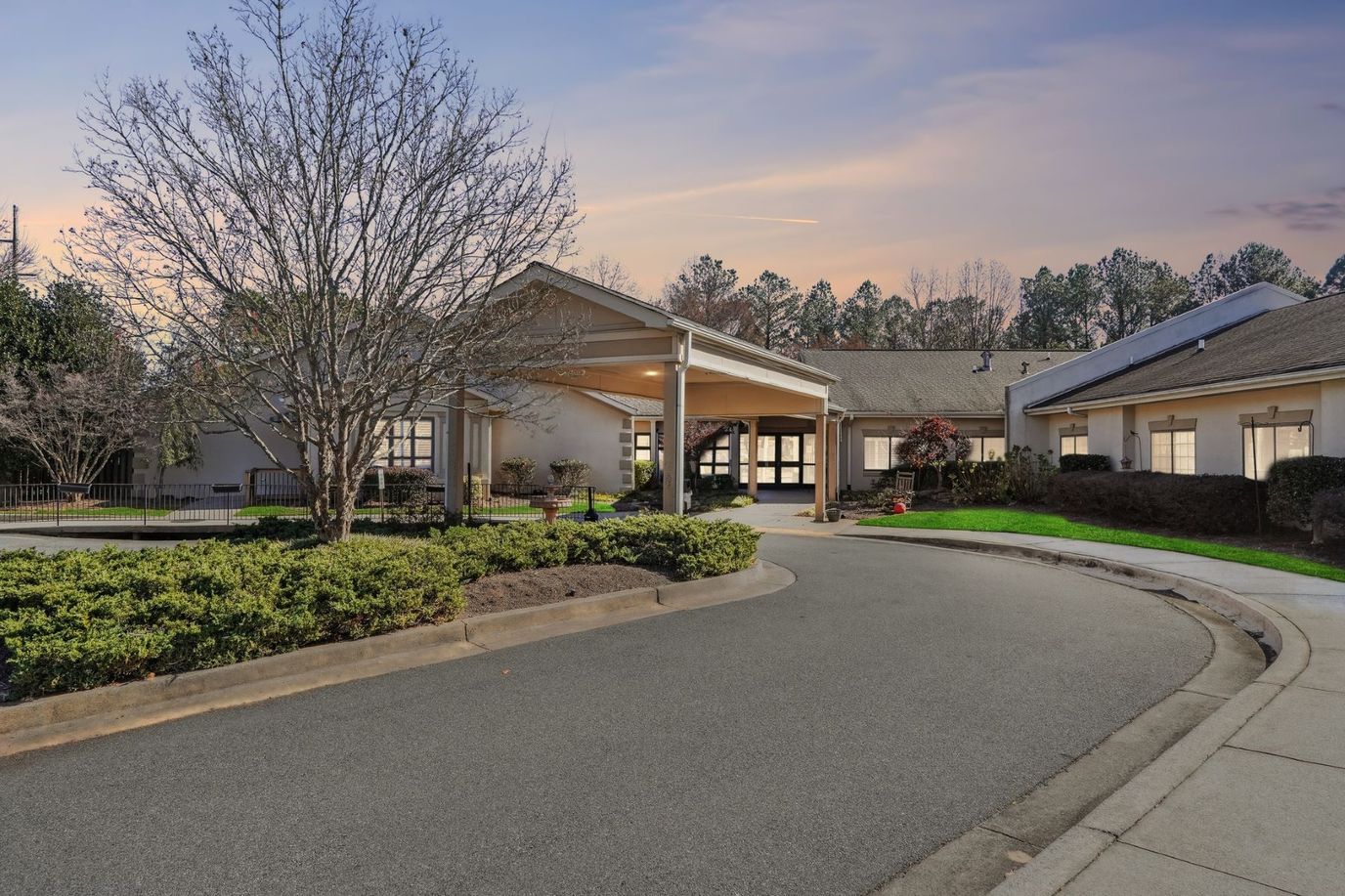
When searching for "assisted living rehab near me," individuals and their families are typically navigating a critical junction: recovering from a major medical event—such as a stroke, surgery, or serious fall—while requiring the ongoing support of an assisted living environment. This guide explores how to locate, evaluate, and finance specialized rehabilitation within or alongside assisted living communities, ensuring a seamless transition from hospital to home.
Understanding the Landscape of Assisted Living and Rehabilitation
Navigating the senior care continuum can be complex, especially when medical rehabilitation intersects with long-term residential care. To make informed decisions, it is essential to understand the distinct types of facilities, levels of care, and regulatory frameworks governing these services.
Defining Rehab within Assisted Living Settings
Traditional rehabilitation often takes place in short-term skilled nursing facilities (SNFs) or dedicated inpatient rehab hospitals. However, many modern assisted living communities now offer or partner with outpatient therapy providers, or maintain on-site wellness centers capable of delivering physical, occupational, and speech therapy.
When searching for "assisted living rehab near me," consumers are usually looking for one of three operational models:
- On-Site Outpatient Therapy: Residents live in their assisted living apartment and travel within the building (or receive visits in their room) for physical or occupational therapy provided by an external home health or outpatient agency.
- Continuing Care Retirement Communities (CCRCs) / Life Plan Communities: These campuses encompass independent living, assisted living, skilled nursing, and short-term rehabilitation under one roof, allowing residents to transition fluidly as their care needs change.
- Assisted Living with Specialized Restorative Care: Facilities that employ specialized staff trained in restorative nursing—programs designed to help residents maintain the functional gains achieved during formal physical therapy.
The Difference Between Skilled Nursing and Assisted Living Rehab
A common point of confusion for families is distinguishing between the clinical intensity of a skilled nursing facility (SNF) and the lifestyle-focused environment of an assisted living facility (ALF).
| Feature | Skilled Nursing Facility (SNF) | Assisted Living Facility (ALF) with Rehab |
|---|---|---|
| Primary Focus | 24/7 skilled medical care and intensive rehabilitation | Personal care assistance, daily living support, and therapy |
| Clinical Staffing | Registered Nurses (RNs) and Licensed Practical Nurses (LPNs) on duty 24/7 | Personal Care Aides and medication technicians; visiting nurses |
| Length of Stay | Typically short-term (weeks to months) post-acute recovery | Long-term residency with episodic therapy support |
| Environment | Clinical, hospital-like setting with shared or private rooms | Apartment-style living with home-like amenities and social activities |
| Regulatory Oversight | Heavily regulated under federal Medicare and Medicaid standards | Regulated primarily by state-level Department of Health or Social Services |
Identifying Your Specific Rehabilitation Needs
Before beginning a geographic search, families must evaluate the exact clinical requirements of the prospective resident. Rehabilitation is not a one-size-fits-all service; it must be tailored to the specific functional deficits caused by an injury, illness, or surgical procedure.
Types of Therapy Offered in Senior Living Environments
- Physical Therapy (PT): Focuses on gross motor skills, balance, strength, and mobility. Crucial for recovery after hip replacements, knee surgeries, strokes, or severe falls.
- Occupational Therapy (OT): Concentrates on activities of daily living (ADLs) such as dressing, bathing, cooking, and grooming. Occupational therapists often recommend adaptive equipment and home modifications within the assisted living apartment.
- Speech-Language Pathology (SLP): Addresses swallowing disorders (dysphagia), cognitive-communication impairments, and speech deficits resulting from neurological events.
Assessing Functional Independence
Healthcare providers use standardized metrics, such as the Katz Index of Independence in Activities of Daily Living, to determine how much assistance a person requires. When transitioning from a hospital discharge planner to an assisted living rehab setting, the care team will assess:
- Mobility: Can the individual transfer independently from a bed to a chair, or do they require mechanical lifts and two-person assists?
- Medication Management: Can they self-administer medications safely, or do they need nurse oversight?
- Cognitive Status: Are there memory impairments, such as dementia or delirium, that require a secure memory care unit alongside rehabilitation?
How to Search for and Evaluate Local Facilities
Conducting a targeted local search requires a systematic approach to filter through marketing language and identify facilities that genuinely meet clinical and lifestyle standards.
Step-by-Step Search Strategy
- Consult Hospital Discharge Planners and Case Managers: Hospital social workers maintain direct referral networks and data on regional facilities with strong clinical outcomes. Ask specifically: "Which assisted living facilities in our zip code have robust therapy partnerships or on-site outpatient rehab?"
- Utilize State Licensing Databases: Every U.S. state maintains a Department of Health or Department of Social Services online portal where consumers can look up facility inspection reports, citation histories, and licensing compliance records.
- Leverage Aging and Disability Resource Centers (ADRCs): These local, federally funded entities provide objective, unbiased counseling on long-term care options within your specific municipality or county.
Key Inspection Checkpoints
When reviewing local options or touring facilities, evaluate the following operational criteria:
- Therapy Staffing Ratios: Inquire whether therapy is provided by in-house employees or third-party contract agencies. In-house therapists often exhibit better communication with the broader care team.
- Equipment and Facilities: Check if the physical therapy gym is adequately equipped with parallel bars, step trainers, specialized weights, and evaluation tools.
- Transition Protocols: Ask how the facility handles the transition day. A structured onboarding process ensures that medication schedules, dietary restrictions, and therapy orders are seamlessly transferred from the hospital.
Financial Considerations and Insurance Coverage
Understanding how rehabilitation and assisted living are funded is one of the most critical components of the planning process. Misunderstandings regarding coverage can lead to unexpected out-of-pocket expenses.
Medicare Coverage Rules
A widespread misconception is that Medicare pays for assisted living. Medicare does not cover the room and board costs of assisted living facilities.
However, Medicare Part A may cover short-term rehabilitation services (physical, occupational, and speech therapy) under specific conditions:
- The patient must have a qualifying inpatient hospital stay of at least three consecutive days.
- Therapy must be ordered by a physician and deemed medically necessary.
- Services must be delivered in a Medicare-certified setting, such as a skilled nursing facility or through a certified home health agency visiting an assisted living apartment.
- Medicare coverage begins to taper significantly after 20 days, with strict copayments applicable from day 21 to day 100.
Medicaid and State Waiver Programs
For individuals with limited financial resources, state Medicaid programs—often operating through Home and Community-Based Services (HCBS) waivers—may help cover the personal care services provided in an assisted living environment. However, Medicaid rules vary significantly by state, and waitlists for waiver slots can be extensive.
Private Pay and Long-Term Care Insurance
The majority of assisted living and associated non-medical care is funded through private resources, including:
- Personal Savings and Retirement Accounts: Pensions, Social Security, and investment income.
- Long-Term Care (LTC) Insurance: Policies purchased specifically to cover assisted living, home care, and nursing home care. Review policy elimination periods and daily maximum benefit caps carefully.
- Bridge Loans: Short-term loans utilized to cover immediate care expenses while waiting for real estate properties to sell or long-term assets to liquidate.
Frequently Asked Questions
Can I receive physical therapy while living in assisted living?
Yes. Many assisted living communities permit external home health agencies or outpatient therapy providers to visit residents in their apartments. Some advanced communities also maintain dedicated therapy rooms on-site for resident convenience.
Does Medicare pay for assisted living rehab?
Medicare covers the medical therapy components (physical, occupational, and speech therapy) if ordered by a physician, but it does not cover the monthly room, board, and personal care costs associated with living in an assisted living facility.
How do I verify the safety record of an assisted living facility near me?
You can search your state's Department of Health or Department of Social Services online licensing and inspection database. This public record will show state-cited deficiencies, complaints, and regulatory compliance histories.
What is the difference between short-term rehab and assisted living?
Short-term rehab is a temporary medical recovery stay (often in a skilled nursing facility) designed to restore functional independence after an injury or surgery. Assisted living is a long-term residential housing option providing help with daily activities like bathing, dressing, and medication management.
How do I transition a parent from a hospital to assisted living rehab?
Coordinate closely with the hospital discharge planner or social worker before discharge. They will facilitate a clinical assessment, send medical records to prospective facilities, verify insurance authorizations, and arrange safe transportation to the new residence.
Next Actions and Practical Recommendations
Finding the right balance of medical recovery support and residential comfort requires early action and thorough verification.
- Initiate Planning Early: Do not wait until the day of hospital discharge to begin researching options. Involve the hospital discharge team at least 48 to 72 hours before projected release.
- Conduct In-Person Tours: Whenever possible, visit shortlisted facilities unannounced or during active hours to observe resident engagement, cleanliness, and staff responsiveness.
- Consult a Financial Planner: Speak with an elder law attorney or a certified financial planner specializing in senior care to map out private pay strategies, Medicaid eligibility rules, and long-term care insurance claims.