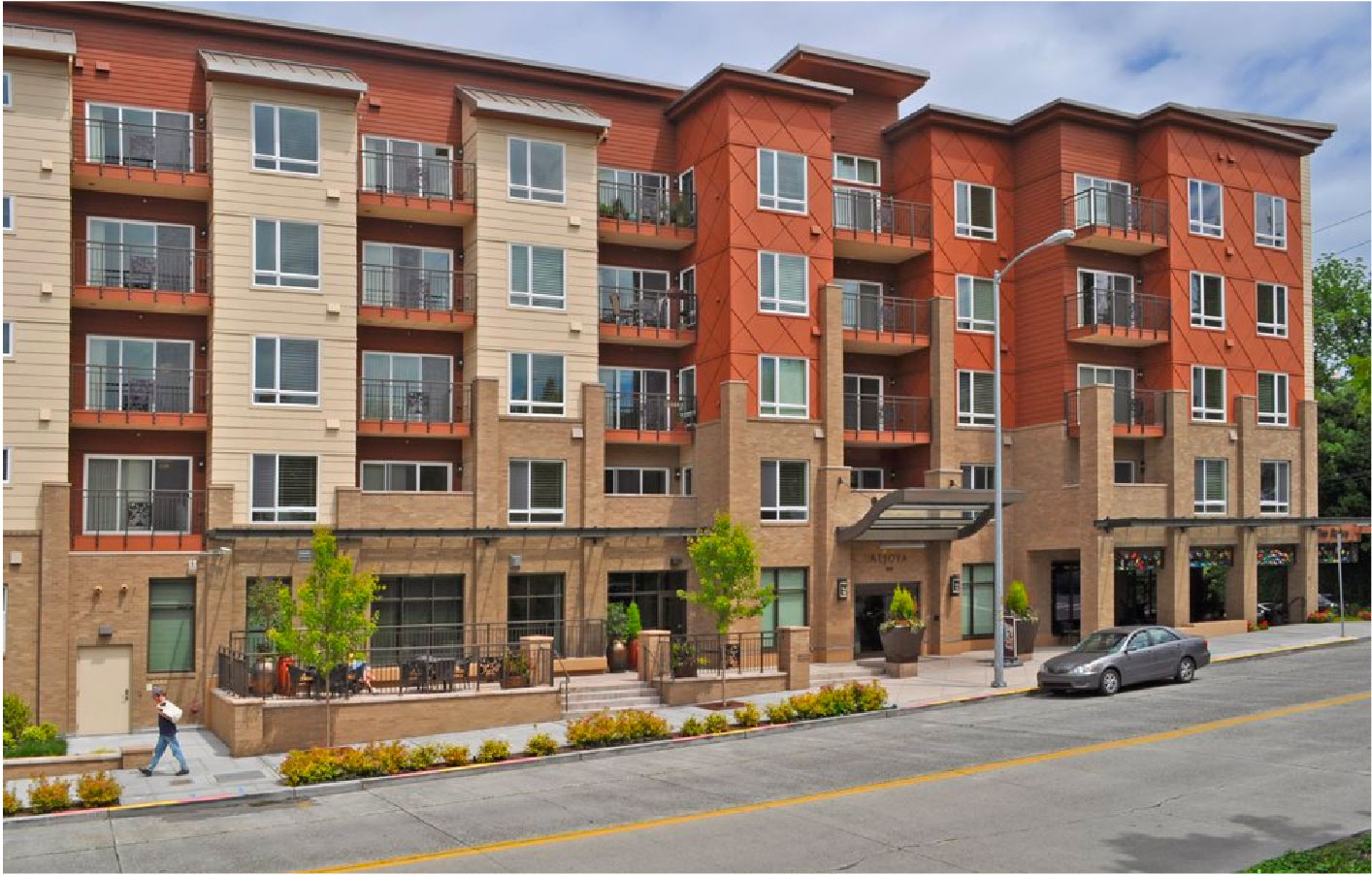
Navigating assisted living in Oak Lawn, Illinois, requires understanding local senior care options, state licensing regulations through the Illinois Department of Public Health, and financial resources like Medicaid HCBS waivers, allowing families to evaluate facility services, costs, and medical capabilities to make an informed placement decision.
Selecting senior care options for an aging loved one represents one of the most significant and emotionally complex decisions a family can face. When looking at assisted living in Oak Lawn, Illinois, families must navigate a specialized landscape of residential communities, healthcare regulations, and financial considerations unique to Cook County and the state of Illinois. This comprehensive guide provides the structured insights, practical steps, and regulatory frameworks required to evaluate facilities, understand costs, and secure appropriate care in the Oak Lawn area.
Understanding Assisted Living in Illinois and Oak Lawn
Assisted living in Illinois operates under specific regulatory definitions that distinguish it from standard nursing homes or independent living communities. Under the Assisted Living and Shared Housing Act, regulated by the Illinois Department of Public Health (IDPH), assisted living establishments are designed to promote resident autonomy, dignity, and privacy while providing personal care and intermittent nursing services.
Unlike traditional nursing homes—which are engineered for individuals requiring round-the-clock skilled nursing care and heavy medical intervention—assisted living in Oak Lawn is tailored for seniors who need help with activities of daily living (ADLs). These typically include bathing, dressing, medication management, mobility support, and meal preparation. Oak Lawn, a vibrant village located in Cook County just southwest of Chicago, benefits from close proximity to major medical centers like Advocate Christ Medical Center, making it a strategically sound location for seniors with ongoing healthcare needs.
When evaluating communities, families should understand that "assisted living" is distinct from "Supportive Living" in Illinois. Supportive Living is a specific state-administered program subsidized by Medicaid that blends affordable housing with personal care. While some facilities in the broader region participate in the Supportive Living Program (SLP), standard private-pay assisted living communities operate under different financial models. Clarifying a facility’s exact licensure type with IDPH is a critical first step during the research phase.
Assessing Care Needs and Determining Eligibility
Before touring facilities in Oak Lawn, families must conduct an objective assessment of the senior's physical, cognitive, and emotional requirements. Assisted living is not a one-size-fits-all solution; facilities enforce strict admission and retention criteria based on their state licenses and staffing capabilities.
Activities of Daily Living (ADLs) and Instrumental ADLs (IADLs)
Care assessments generally center on ADLs and Instrumental Activities of Daily Living (IADLs):
- Basic ADLs: Bathing, grooming, dressing, toileting, transferring (moving from a bed to a chair), and eating.
- IADLs: Managing medications, preparing meals, handling finances, housekeeping, shopping, and utilizing transportation.
If a prospective resident requires minimal to moderate assistance with these tasks, assisted living is typically appropriate. However, if an individual suffers from advanced dementia or wandering behaviors, a standard assisted living facility may lack the secure environment required. In such cases, specialized memory care units within an assisted living facility—often called secure dementia care units—or a skilled nursing facility (SNF) will be necessary.
Health and Medical Requirements
Illinois regulations require an initial health evaluation by a licensed physician prior to admission or within a specified window following admission. This evaluation establishes whether the facility can safely meet the individual's medical profile. Facilities generally cannot admit residents who require continuous nursing supervision, have unmanaged stage III or IV pressure ulcers, or pose an imminent danger to themselves or others.
Financial Planning and Cost Considerations
The cost of assisted living in Oak Lawn, IL, is influenced by the region's urban-suburban market dynamics within Cook County, where operating expenses and real estate values tend to be higher than in downstate Illinois.
Average Costs and Fee Structures
Assisted living typically utilizes a tiered pricing model. Residents pay a base monthly rent that covers room and board, utilities, housekeeping, basic maintenance, and scheduled group activities. On top of this base rate, residents pay a care fee determined by their individual assessment. This care fee increases as the resident requires more hours of personal assistance or medication administration.
| Cost Component | Typical Coverage | Financial Impact |
|---|---|---|
| Base Rent | Apartment/room, utilities, meals, activities, general upkeep | Fixed monthly baseline fee |
| Community Fee | One-time administrative or assessment charge upon move-in | Non-refundable upfront cost |
| Care Tier Fees | Medication management, personal care assistance with ADLs | Variable monthly fee based on assessment |
| ** Ancillary Services** | Specialized therapy, guest meals, upgraded cable/internet | Billed monthly as consumed |
Funding Sources and Assistance Programs
Because Medicare does not cover long-term custodial care in assisted living facilities, families must look to alternative funding mechanisms:
- Private Pay: Personal savings, retirement accounts, pensions, and annuities are the primary funding sources for private-pay assisted living.
- Long-Term Care Insurance: Policies purchased years prior may cover a significant portion of assisted living costs, provided the policyholder meets trigger conditions regarding ADL assistance.
- Veterans Benefits: The Department of Veterans Affairs offers the Aid and Attendance pension benefit, which provides additional monthly financial support to eligible wartime veterans and surviving spouses who require assistance with ADLs.
- Medicaid Waivers: While traditional Medicaid in Illinois historically prioritized nursing home care, the state utilizes Home and Community-Based Services (HCBS) waivers and the Supportive Living Program to help cover care costs for eligible low-income seniors, though availability in private assisted living facilities varies widely.
Evaluating and Touring Oak Lawn Assisted Living Facilities
Once financial parameters are set, families should compile a shortlist of facilities in and around Oak Lawn, IL. A structured touring process prevents emotional decision-making and ensures all critical operational aspects are scrutinized.
Questions to Ask During Tours
- Staff-to-Resident Ratios: What is the staffing ratio during peak morning hours versus overnight shifts? Are licensed nurses on-site 24/7, or is there an on-call protocol?
- Staff Turnover Rates: High turnover among care staff can indicate poor management and negatively impact the consistency of resident care.
- Emergency Response Systems: How do residents call for help in their apartments or common areas? What is the average response time?
- Dining and Nutrition: Can the kitchen accommodate specialized diets, such as diabetic, low-sodium, or mechanically altered textures? Can residents eat outside designated dining hours if necessary?
- Transportation Services: Does the facility provide scheduled transportation for medical appointments, shopping, and religious services in the Oak Lawn area?
Reviewing State Inspection Reports
The Illinois Department of Public Health maintains public records of facility compliance, violations, and complaint investigations. Before finalizing a decision, families should review these public records to identify any historical citations regarding resident care, medication administration errors, or facility cleanliness. Access to these records can be requested directly through the Illinois Department of Public Health portal or local senior advocacy groups.
The Transition and Move-In Process
Moving a senior into assisted living is a major life transition that requires careful logistical and emotional preparation. Establishing a structured timeline minimizes stress for both the resident and their family members.
Step-by-Step Move-In Workflow
- Medical Clearance and Paperwork: Secure the physician's assessment, negative tuberculosis test results, and complete all facility admission contracts.
- Financial and Legal Execution: Finalize power of attorney (POA) documents, guardianship papers if applicable, and review the residency agreement with an elder law attorney if terms are complex.
- Apartment Preparation: Measure the chosen apartment unit in advance. Furnish it with familiar items, family photographs, and comfortable bedding to create a sense of home.
- Gradual Integration: Introduce the resident to community staff, invite them to join low-pressure social events or meals, and allow time for adjustment without overwhelming them with a chaotic schedule on day one.
Frequently Asked Questions
Does Medicare pay for assisted living in Oak Lawn, IL?
No, Medicare does not cover room, board, or personal care services provided in an assisted living facility. Medicare covers short-term skilled nursing rehabilitation and home health care under strict conditions, but long-term custodial care must be financed through private funds, long-term care insurance, or qualifying state programs.
What is the difference between assisted living and a nursing home?
Assisted living is designed for individuals who need help with daily activities like bathing and dressing but maintain a degree of independence. Nursing homes (skilled nursing facilities) provide 24-hour medical supervision, complex nursing care, and rehabilitation services for individuals with severe medical instabilities.
How do I check the safety record of an assisted living facility in Oak Lawn?
You can review state inspection reports, safety violations, and licensing status by visiting the official website of the Illinois Department of Public Health or contacting local aging resource networks, such as the AgeGuide Northeastern Illinois agency.
Can a resident "age in place" in an Oak Lawn assisted living facility?
Many facilities support aging in place by allowing home health or hospice agencies to bring supplemental care into the resident's apartment. However, if a resident's care needs exceed the legal scope of the facility's license or staff capabilities, a transfer to a higher level of care may become mandatory.
What happens if a resident runs out of money in assisted living?
Private-pay assisted living facilities operate as private businesses and are not legally obligated to allow residents to remain if they deplete their funds. Some facilities accept Medicaid through specific waiver programs, but many do not. Families should clarify a facility's policy on spend-down scenarios and Medicaid conversion prior to signing admission agreements.
Next Steps for Families
Begin by establishing an accurate inventory of your loved one's medical and personal care needs, followed by a realistic evaluation of your financial resources. Schedule initial phone consultations or tours with at least three licensed facilities in the Oak Lawn area to compare environments, staff responsiveness, and total projected costs. Consult with an elder law attorney or a certified senior advisor to ensure all legal, financial, and healthcare documents are properly structured before making a final commitment.