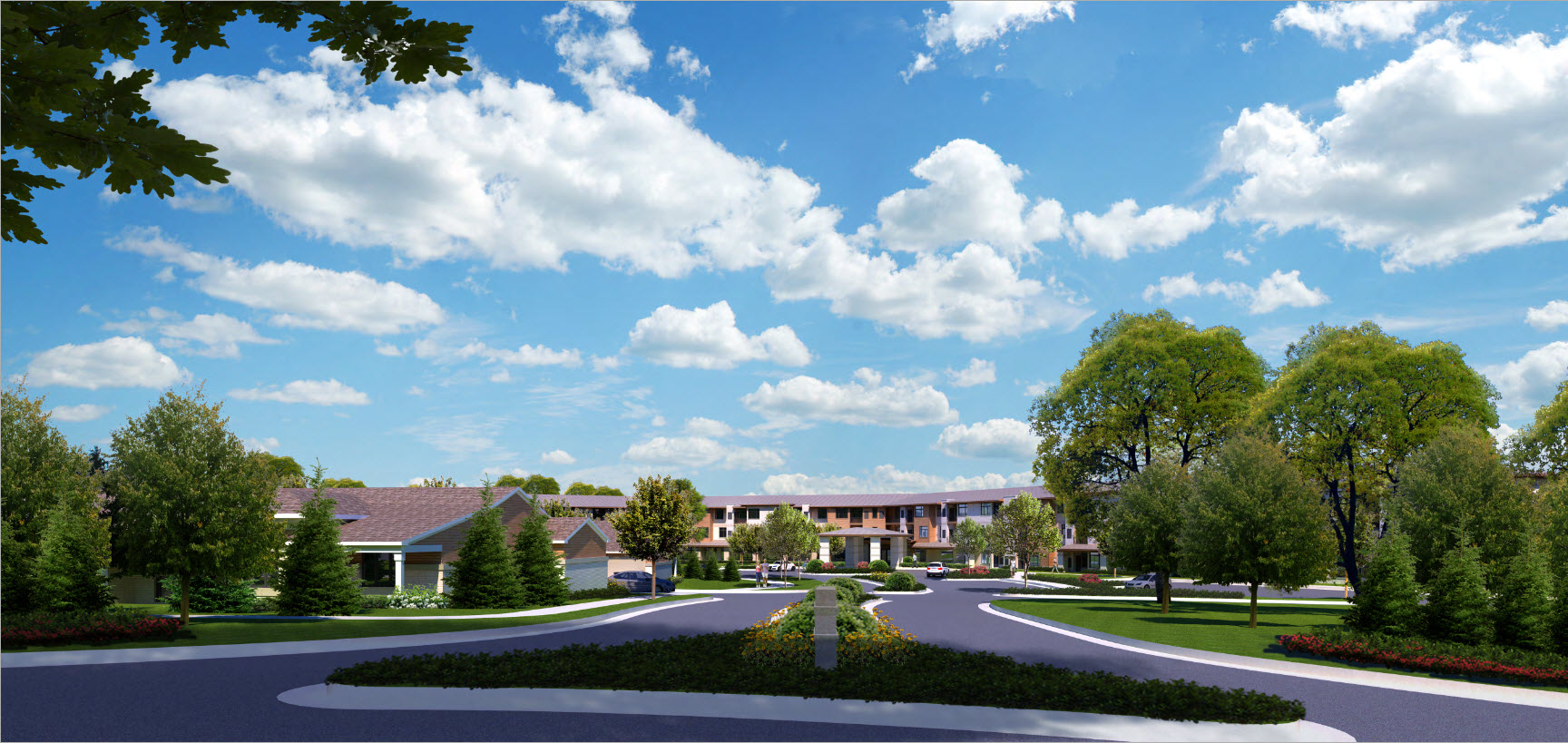
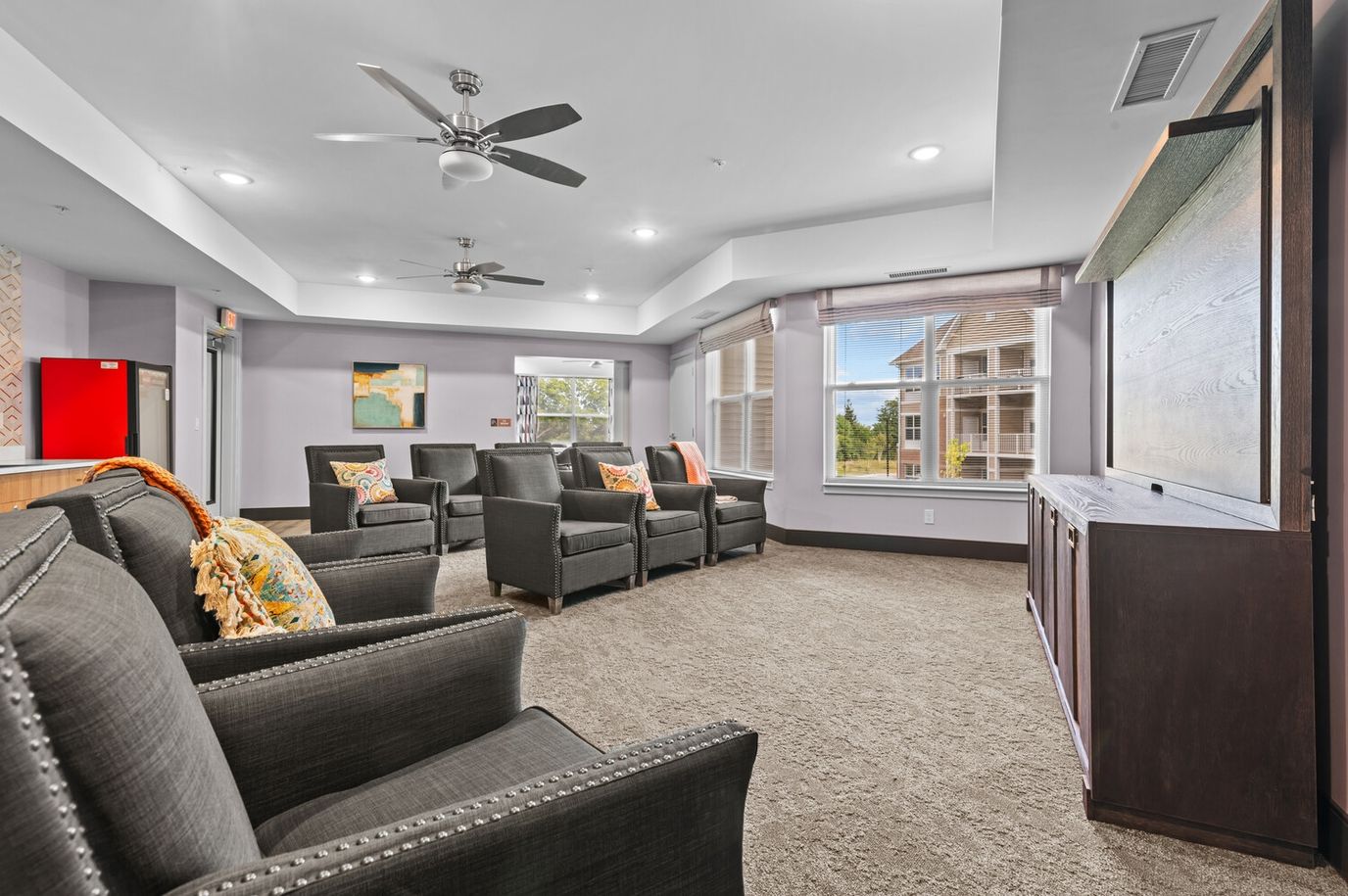
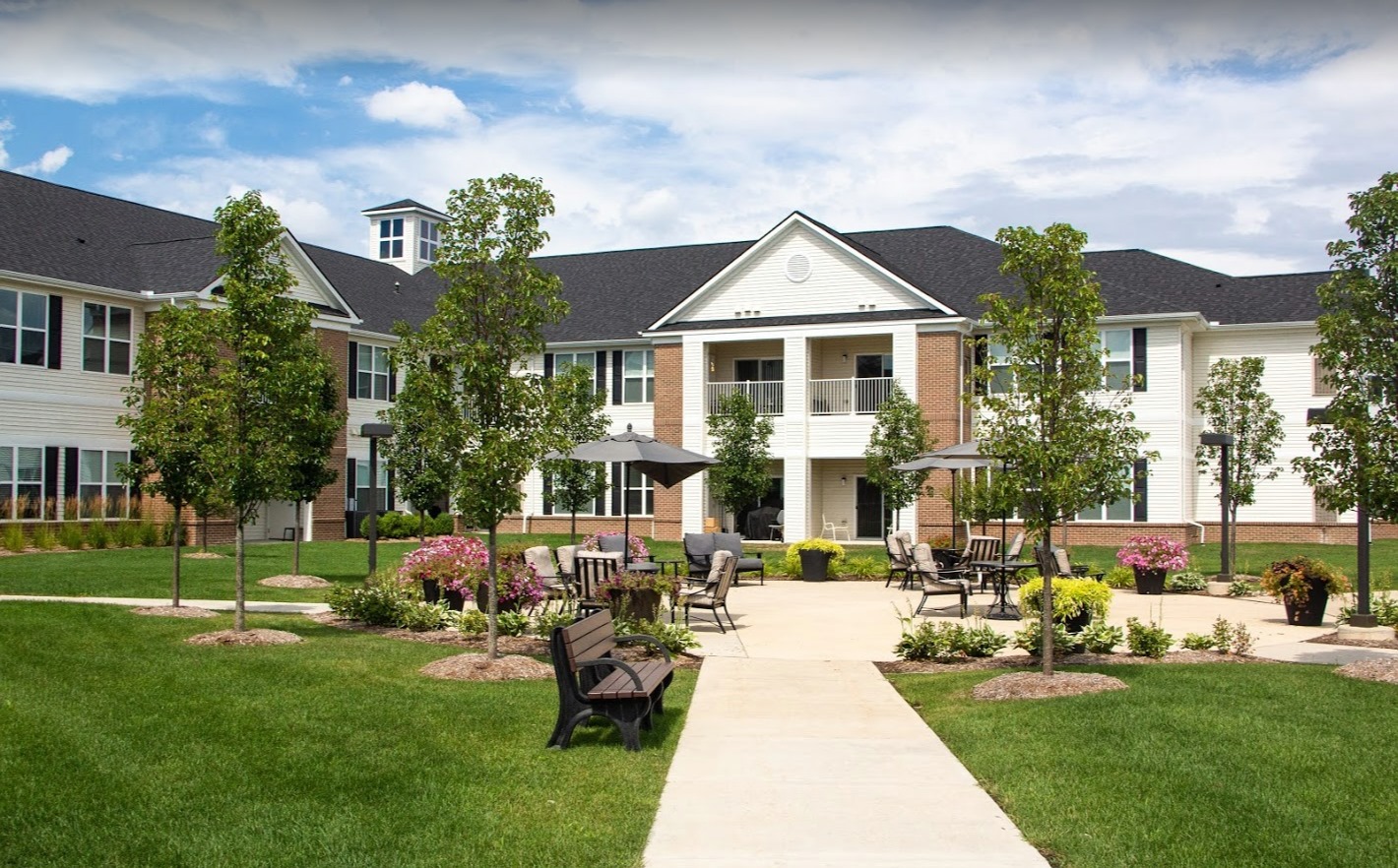
Finding the right assisted living option in Ann Arbor, Michigan, involves balancing medical care needs, lifestyle preferences, and financial considerations within a vibrant university city. Ann Arbor offers a diverse range of senior living communities, spanning from small residential care homes to large, continuing care retirement communities (CCRCs), all regulated by the State of Michigan and supported by local county resources.
Choosing an assisted living facility in Ann Arbor, Michigan, requires understanding state licensing categories, evaluating local costs, navigating financial assistance programs like Medicaid waivers, and touring facilities to verify safety, staffing ratios, and resident quality of life. This guide outlines the essential steps, regulatory standards, financial planning strategies, and local resources necessary to make an informed decision for yourself or an aging loved one.
Understanding Assisted Living Licensing in Michigan
In Michigan, facilities that provide personal care, supervision, and protection in addition to housing are officially licensed as Homes for the Aged or Adult Foster Care (AFC) Family Homes and Large Group Homes, though the industry commonly uses the term "assisted living."
The Michigan Department of Licensing and Regulatory Affairs (LARA) Bureau of Community and Health Systems is the state agency responsible for inspecting, licensing, and regulating these facilities. When evaluating options in Ann Arbor, families must look past marketing terms and verify the exact licensing classification of the facility:
- Homes for the Aged: These are supervised personal care facilities that serve 21 or more residents who are 60 years of age or older. They provide room, board, and supervised personal care.
- Adult Foster Care (AFC) Large Group Homes: These facilities are licensed to care for 13 to 20 adults who may require personal care, supervision, and protection.
- Adult Foster Care Small Group Homes: These typically house 6 to 12 adults and provide a more intimate, home-like residential environment.
State regulations dictate minimum staff-to-resident ratios, staff training requirements, medication administration protocols, and physical plant safety standards (such as fire suppression and emergency egress systems). Families can review public inspection reports and licensing compliance history directly through the Michigan LARA Adult Foster Care and Home for the Aged Search database.
The Local Landscape: Types of Senior Living in Ann Arbor
Ann Arbor is home to a wide spectrum of senior care providers. Because the city houses the University of Michigan and attracts retirees seeking cultural and intellectual engagement, many local communities integrate lifelong learning and wellness programs into their daily operations.
Continuing Care Retirement Communities (CCRCs)
CCRCs, also known as life plan communities, offer a continuum of care on a single campus. A resident can move in independently, transition to assisted living if health needs change, and eventually move into a skilled nursing or memory care unit without leaving the community. Ann Arbor features several prominent CCRCs, which typically require an entrance fee in addition to monthly service fees.
Standalone Assisted Living Communities
These facilities focus exclusively on personal care and support services. They do not typically require large entrance fees, operating instead on a month-to-month rental model with tiered pricing based on the level of care (Activities of Daily Living, or ADLs) required.
Residential Care Homes (Adult Foster Care)
Operating out of residential neighborhoods in and around Ann Arbor, these smaller homes offer a high staff-to-resident ratio in a traditional house setting. They are often ideal for residents who may become overwhelmed by the institutional scale of larger complexes.
Financial Planning and Cost Considerations
Assisted living is a significant financial commitment. In Ann Arbor and the broader Washtenaw County area, costs generally track above the national average due to the local cost of living and regional economic factors.
Average Costs
Monthly costs for assisted living in Ann Arbor typically consist of a base room-and-board fee plus a care tier fee. Base rates cover rent, utilities, maintenance, housekeeping, and meals. Care fees are assessed during a pre-admission nursing evaluation and scale upward depending on how much assistance the resident requires with medication management, bathing, dressing, and mobility.
Paying for Assisted Living
Most residents and families use a combination of private resources to fund care:
- Private Pay: Personal savings, retirement accounts (such as IRAs and 401ks), pensions, and social security benefits form the primary funding mechanism.
- Long-Term Care Insurance: Policies purchased years prior may cover assisted living, provided the policyholder meets the trigger conditions (typically needing help with two or more ADLs). Policies must be reviewed carefully for elimination periods and daily benefit caps.
- Veterans Benefits: The U.S. Department of Veterans Affairs offers the Aid and Attendance pension benefit, which provides a monthly stipend in addition to a standard VA pension for eligible wartime veterans and surviving spouses who require the aid of another person to perform daily activities.
- Medicaid Waivers: Traditional Medicaid does not pay for room and board in assisted living facilities. However, Michigan operates the Healthy Michigan Plan and the MI Choice Medicaid Waiver program, which can cover the cost of supportive services provided within certain licensed waiver-approved settings for financially and medically eligible individuals. Availability is subject to county enrollment caps and waitlists managed by the local Area Agency on Aging.
| Funding Source | Description | Key Qualification Criteria |
|---|---|---|
| Private Pay (Savings/Assets) | Direct out-of-pocket payment using personal income, investments, and home equity. | None (based entirely on available personal wealth). |
| Long-Term Care Insurance | Commercial insurance policies designed to reimburse care costs. | Must be purchased prior to needing care; certified inability to perform ADLs. |
| VA Aid and Attendance | Monthly pension enhancement for eligible veterans and surviving spouses. | Wartime service requirement, financial asset limits, and verified medical need for care. |
| MI Choice Medicaid Waiver | State program covering home and community-based services for low-income seniors. | Strict income and asset limits; must meet nursing home level of care criteria. |
Evaluating and Touring Ann Arbor Assisted Living Facilities
Selecting the right facility requires thorough due diligence. Families should conduct both virtual research and in-person tours of at least three different communities to compare atmosphere, cleanliness, and staff demeanor.
What to Look for During a Tour
- Staff Engagement: Observe how staff members interact with current residents. Are interactions warm, respectful, and patient? Do staff members know residents by name?
- Cleanliness and Odor: Assess general housekeeping standards. Hallways, dining rooms, and individual apartments should be clean and free of persistent unpleasant odors.
- Dining Services: Review sample menus and, if possible, join residents for a meal. Ask how the kitchen accommodates specialized dietary needs, such as low-sodium, diabetic, or pureed diets.
- Activity Schedules: Examine the monthly calendar. Look for a balance of physical, cognitive, social, and spiritual activities that match your loved one’s personal interests.
- Safety Features: Check for emergency pull cords or pendant call systems in bedrooms and bathrooms, well-lit corridors, secure memory care perimeters (if applicable), and clear evacuation maps.
Questions to Ask the Admissions Director
- What is the staff turnover rate among caregiving staff and management?
- How are care plans updated when a resident's medical condition changes?
- What are the specific criteria that would require a resident to move out (e.g., advanced dementia, bedbound status)?
- Are there hidden fees for medication management, escort services, or supply storage?
- What is the policy and ratio for awake night-shift staff?
Local Resources and Advocacy in Washtenaw County
Navigating senior care can be overwhelming, but Washtenaw County and the City of Ann Arbor offer robust free and low-cost resources to guide families through the process:
- Area Agency on Aging 1-B (AAA 1-B): Serving Washtenaw, Livingston, Monroe, Oakland, St. Clair, and Macomb counties, AAA 1-B provides objective information on senior housing options, caregiver support programs, and access to the MI Choice Medicaid Waiver.
- Washtenaw County Department of Aging and Senior Services: Connects older adults and their families with local transportation services, nutritional assistance, and county-specific senior programs.
- Elder Law Attorneys: Families are encouraged to consult a certified elder law attorney in Michigan to review asset protection strategies, durable powers of attorney, and patient advocate designations before signing facility contracts.
Step-by-Step Action Plan for Families
To streamline the transition into an Ann Arbor assisted living community, follow this structured roadmap:
- Assess Care Needs: Consult with a primary care physician to determine the precise medical and physical support level required.
- Establish a Budget: Calculate monthly income, review insurance policies, and meet with a financial planner to determine a sustainable spending ceiling.
- Compile a Shortlist: Research licensed facilities in Ann Arbor via LARA and filter based on location, budget, and specific care specialties (such as memory care).
- Conduct Tours: Schedule unannounced or scheduled visits to your shortlisted facilities, using a standardized checklist to evaluate each location objectively.
- Review the Contract: Have the residency agreement reviewed by an elder law attorney or trusted family member to understand fee escalation clauses, discharge policies, and refund terms.
- Plan the Move: Coordinate the transition, focusing on familiarizing the new resident with staff, layout, and daily routines to ease emotional adjustment.
Frequently Asked Questions
What is the difference between assisted living and a nursing home in Michigan?
Assisted living communities provide housing, meals, and assistance with personal care (such as bathing and medication management) for individuals who are relatively independent. Nursing homes (skilled nursing facilities) provide 24-hour medical nursing care, rehabilitation therapies, and clinical supervision for individuals with complex, chronic medical conditions who require ongoing care from licensed nurses.
Can a resident age in place in an Ann Arbor assisted living facility?
Many facilities allow residents to age in place by bringing in third-party home health or hospice agencies as their needs increase. However, state licensing rules and facility policies dictate the absolute limits of care. If a resident's medical or behavioral needs exceed what the facility's license permits, a transfer to a skilled nursing facility may become necessary.
Are pets allowed in Ann Arbor assisted living facilities?
Many assisted living communities are pet-friendly, recognizing the immense emotional and psychological benefits pets provide to seniors. However, policies vary widely by facility. Some limit pet ownership based on weight, breed, or the resident's independent ability to care for the animal. Always verify pet policies and any associated monthly pet fees during the initial tour.
What happens if a resident runs out of money while in assisted living?
Because most assisted living facilities are private pay, exhausting one's financial resources presents a serious challenge. Some non-profit or charitable facilities maintain benevolent care funds, but most commercial facilities do not absorb residents who can no longer pay. If private funds are depleted, residents may need to apply for available state waiver programs or transition to a Medicaid-certified long-term care setting.
How do I verify the regulatory compliance and violation history of a facility?
You can verify compliance records by accessing the public database maintained by the Michigan Department of Licensing and Regulatory Affairs (LARA) Bureau of Community and Health Systems. This portal lists inspection reports, substantiated complaints, and corrective action plans for all licensed Homes for the Aged and Adult Foster Care homes in the state.