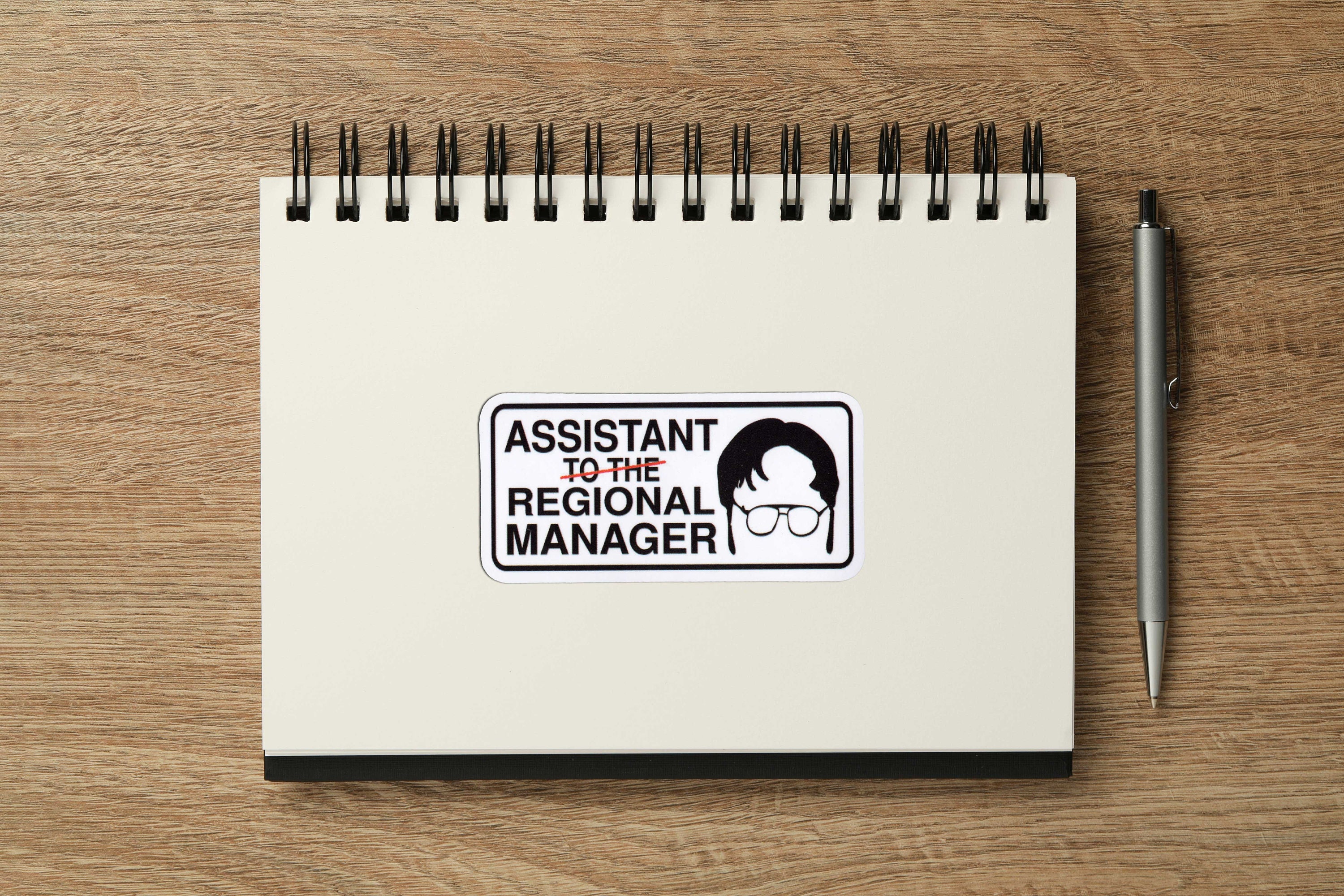
The "assistant to the regional manager" office is a uniquely situated administrative and support workspace designed to bridge top-tier executive leadership and day-to-day branch operations, most famously popularized by the fictional Scranton branch of Dunder Mifflin in the television series The Office. In a broader corporate context, this environment functions as the operational core of a regional hub, managing communications, workflow tracking, scheduling, and interpersonal dynamics between employees and executive leadership.
Understanding the Regional Management Structure
To understand the architecture and operational purpose of an assistant to the regional manager office, one must first examine the hierarchical structure of a regional corporate branch. A regional manager is typically tasked with overseeing multiple satellite offices, a specific geographical territory, or a high-volume central branch. Because regional managers must split their focus between high-level corporate strategy, regional performance metrics, budgetary oversight, and client relations, they require dedicated on-site administrative support.
The assistant to the regional manager acts as the primary gatekeeper, schedule coordinator, and operational anchor for the executive. Unlike a standard administrative assistant who might serve an entire floor or department, this specific role is tethered directly to the regional leadership suite. The office space itself—often physically adjacent to or sharing a partitioned perimeter with the regional manager's private office—is designed for rapid communication, confidential document handling, and high-volume task execution.
Physical Layout and Workspace Design
The spatial configuration of a regional manager’s office suite typically follows a semi-open or partitioned layout. This design balances the need for accessibility with the necessity of confidentiality.
- Proximity and Line of Sight: The assistant's desk is almost universally positioned immediately outside the regional manager's private entrance. This ensures that visitors, clients, and internal employees must pass through the assistant's domain before gaining access to executive leadership.
- Acoustic and Visual Privacy: Because sensitive personnel files, financial reports, and strategic corporate communications pass through this zone, sound-dampening partitions or frosted glass enclosures are standard features in modern office layouts.
- Technology and Infrastructure: The workspace is heavily provisioned with multi-line telecommunication systems, dedicated document management hardware, secure filing cabinets for confidential personnel records, and dual-monitor computing setups designed to track regional Key Performance Indicators (KPIs) in real time.
Core Responsibilities Managed Within the Office
The daily operations conducted within an assistant to the regional manager office are diverse, requiring a blend of project management, conflict resolution, and administrative precision. While pop culture often highlights the interpersonal absurdities of this office environment, actual corporate workflows demand rigorous multi-tasking.
Calendar and Schedule Coordination
Managing the regional manager's calendar is perhaps the most visible responsibility tied to this workstation. Regional managers frequently travel between corporate headquarters, client sites, and satellite branches. The assistant must coordinate complex travel itineraries, schedule recurring performance reviews, organize quarterly sales meetings, and maintain a strict buffer for emergency corporate directives.
Information Filtering and Gatekeeping
An effective regional office cannot function if the leadership is constantly bogged down by internal grievances that should be resolved at the supervisory level. The assistant acts as a primary filter. They must listen to employee concerns, evaluate the urgency of client complaints, and determine which matters require immediate executive intervention versus those that can be delegated or resolved independently.
Documentation and Reporting
Regional branches generate a vast quantity of data, ranging from weekly sales tallies and inventory audits to compliance reports and disciplinary documentation. The assistant is responsible for formatting, reviewing, and transmitting these documents upward to corporate executives while archiving copies for regional audits.
Comparative Overview: Assistant to the Regional Manager vs. Regional Assistant Manager
In organizational structures, confusion frequently arises between the title of "Assistant to the Regional Manager" and "Assistant Regional Manager." While the names sound interchangeable, their functional duties, hierarchical standing, and day-to-day office environments are distinct.
| Feature | Assistant to the Regional Manager | Assistant Regional Manager |
|---|---|---|
| Primary Focus | Administrative support, scheduling, gatekeeping, and document processing. | Operational leadership, departmental oversight, and direct substitution for the manager. |
| Decision-Making Authority | Low to moderate; acts under the direct instruction of the regional manager. | Moderate to high; holds supervisory authority over general staff. |
| Office Location | Directly outside the executive suite; structured as an administrative station. | Often shares leadership floor space or maintains a dedicated office within a specific department. |
| Primary Audience | Corporate leadership, visiting clients, and incoming branch communications. | Departmental staff, sales teams, and operational personnel. |
The Cultural Impact of Pop Culture on Office Perceptions
It is impossible to discuss the assistant to the regional manager office without acknowledging its iconic status in modern media. The dynamic established between Michael Scott and Dwight Schrute in The Office cemented the phrase in the global cultural lexicon. In the show, the self-appointed (and later officially recognized) title of "Assistant to the Regional Manager"—carefully distinguished from "Assistant Regional Manager"—became a masterclass in bureaucratic satire.
Beyond the comedy, this representation highlights a very real psychological phenomenon in modern workplaces: the pursuit of nominal status versus actual operational power. Employees often value titles that denote proximity to power, even when the underlying duties remain administrative. In professional change management, human resources departments study these dynamics to ensure that job titles accurately reflect responsibilities, preventing internal friction over perceived authority.
Common Challenges and Operational Bottlenecks
Operating within the administrative nexus of a regional office presents several distinct professional hurdles. Understanding these challenges helps organizations optimize their support structures.
- Role Ambiguity: When lines of authority blur between the regional manager and their assistant, staff members may attempt to bypass the assistant or, conversely, treat the assistant as a petty tyrant. Clear communication protocols are essential.
- Burnout and High Turnover: Because the assistant absorbs the stress of both the executive leadership and the floor staff, burnout is common. Effective offices combat this by establishing clear boundaries and rotational cross-training.
- Confidentiality Breaches: Proximity to sensitive executive data creates severe ethical and legal risks. Maintaining strict data governance and physical security protocols within the office space is non-negotiable.
Best Practices for Optimizing the Support Office
To ensure maximum efficiency within a regional administrative hub, organizations should implement structured operational guidelines:
- Establish Clear Communication Channels: Define precisely which issues require the regional manager's direct attention and which can be autonomously resolved by the assistant.
- Invest in Modern Collaboration Tools: Utilize cloud-based project management software and shared digital calendars to reduce scheduling friction and miscommunication.
- Provide Continuous Professional Development: Equip administrative professionals with advanced training in data analytics, conflict resolution, and enterprise resource planning (ERP) software.
Frequently Asked Questions
What is the difference between an Assistant Regional Manager and an Assistant to the Regional Manager?
An Assistant Regional Manager is an executive leadership role with supervisory authority over staff and the capacity to run the branch in the manager's absence. An Assistant to the Regional Manager is an administrative support role focused on scheduling, communications, and facilitating the regional manager's daily workflow.
What qualifications are typically required for this role?
Candidates generally need a background in business administration, advanced proficiency in office productivity software, exceptional written and verbal communication skills, and a proven ability to handle sensitive, confidential corporate information with discretion.
Why is physical proximity to the regional manager's office important?
Proximity allows for rapid, real-time communication, immediate document handoffs, and effective management of visitor access. It ensures that the executive and the primary support staff operate in complete synchronization throughout the workday.
How does the office handle confidential human resources documents?
Secure digital encryption for electronic files and physical lock-and-key storage for paper records are standard requirements. Access is strictly limited to authorized personnel to comply with corporate privacy standards and employment regulations.
Conclusion and Next Actions
The assistant to the regional manager office serves as the nerve center of corporate branch operations, balancing high-level executive support with day-to-day administrative execution. For organizations looking to optimize their regional infrastructure, evaluating the physical layout, clarifying job descriptions, and investing in modern administrative tools will yield immediate improvements in branch productivity and employee morale.