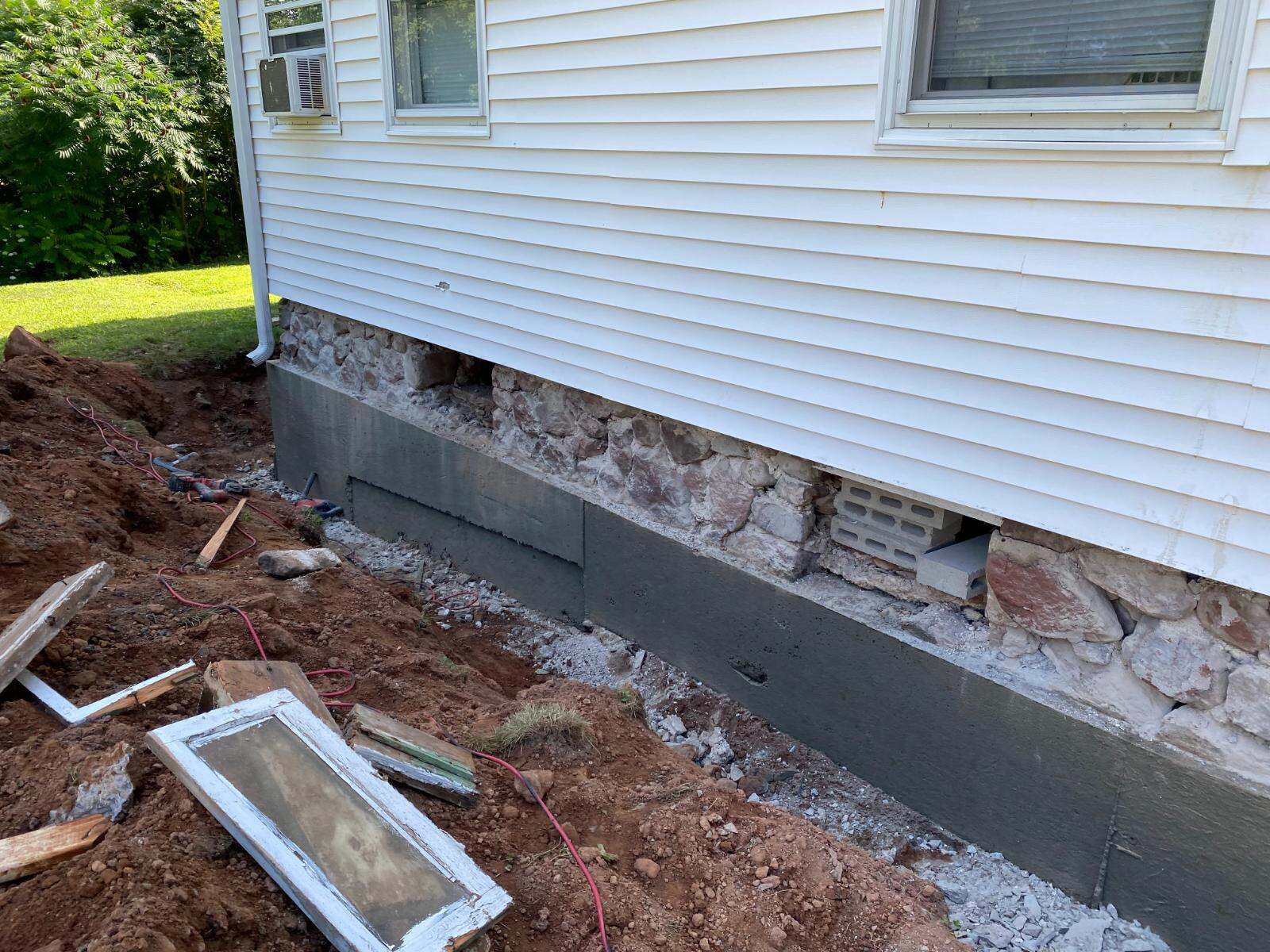
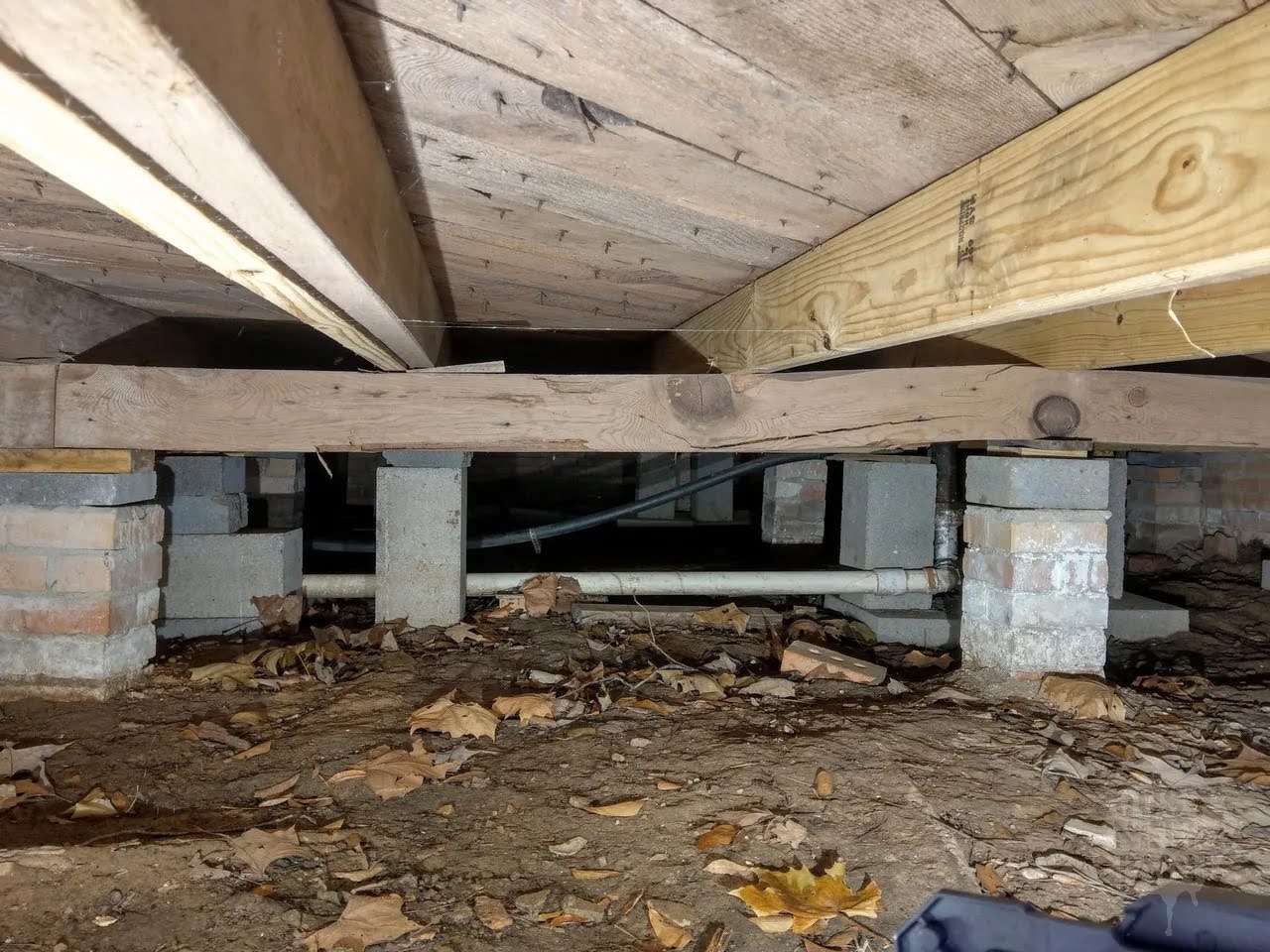
Finding financial assistance for the home foundation repair cost is essential for homeowners facing severe structural damage, as professional stabilization projects often range from several thousand dollars to upwards of twenty thousand dollars. Because traditional homeowners insurance rarely covers structural settling or foundation shifting unless caused by a specific catastrophic peril like an earthquake or sudden explosion, property owners must explore specialized government grants, low-interest rehabilitation loans, non-profit community programs, and localized contractor financing to manage these steep expenses.
Understanding Foundation Repair Costs and Why Assistance Is Needed
Foundation repair is among the most expensive and disruptive maintenance challenges a property owner can face. When foundational concrete cracks, basement walls bow inward, or piers sink due to expansive clay soils, extreme moisture fluctuations, or poor initial construction, the long-term structural integrity of the entire home is jeopardized. Ignoring these warning signs can lead to cascading failures, including warped window frames, jammed doors, cracked drywall, and compromised plumbing lines.
The financial burden stems from the labor-intensive nature of the work. Contractors often deploy complex engineering techniques such as steel push piers, helical piers, carbon fiber wall reinforcements, or slab jacking. Because these interventions require specialized heavy machinery, certified structural engineers, and extensive excavation, costs frequently escalate quickly. For many low-to-moderate-income families, elderly homeowners on fixed incomes, and rural residents, absorbing a sudden ten-thousand-dollar or twenty-thousand-dollar repair bill is impossible without external funding mechanisms. This economic reality drives the demand for specialized assistance programs, grants, and targeted home improvement loans.
Federal Government Programs and Low-Interest Loans
When private financing is out of reach, federal programs administered through agencies like the U.S. Department of Housing and Urban Development (HUD) and the U.S. Department of Agriculture (USDA) provide vital lifelines. These programs are structured to help homeowners rehabilitate substandard housing, correct structural hazards, and maintain safe living conditions.
FHA Title I Property Improvement Loans
The Federal Housing Administration (FHA) administers the Title I Property Improvement Loan program, which allows borrowers to secure fixed-rate loans for major home repairs, including structural and foundation stabilization.
- Loan Limits: Single-family property loans can reach up to $25,000 without requiring equity in the home.
- Securing the Loan: These loans are issued through approved private lenders, but because they are insured by the federal government, lenders are often more willing to extend credit to borrowers who might not qualify for standard unsecured personal loans.
- Requirements: Borrowers must typically demonstrate a reliable income stream, an acceptable debt-to-income ratio, and proof that the loan proceeds will be used directly to enhance the basic livability or structural integrity of the property.
HUD Section 203(k) Rehabilitation Loans
For homeowners who need to combine foundation repair costs with other major renovations or who are purchasing a home that requires immediate structural overhaul, the HUD Section 203(k) loan program is a primary resource.
- Standard vs. Limited: The standard 203(k) covers major structural repairs, including foundation rebuilding, while the limited version handles smaller remodeling projects up to a specific financial threshold.
- Functionality: This mortgage option rolls the purchase or refinancing price and the cost of the structural rehabilitation into a single mortgage payment, making extensive foundation work manageable over a standard 15-year or 30-year term.
USDA Section 504 Home Repair Program
For rural homeowners, the USDA offers the Section 504 Home Repair program, sometimes referred to as the Single Family Housing Repair Loans and Grants.
- Target Audience: This program specifically targets very-low-income rural homeowners who cannot obtain commercial credit elsewhere.
- Grants vs. Loans: Applicants aged 62 or older may qualify for grants of up to a maximum limit to remove health and safety hazards, which can include critical foundation repairs. Younger homeowners can access low-interest loans with a repayment term of up to 20 years.
- Geographic Restrictions: The property must be located in an eligible rural area as defined by the USDA rural development mapping tool.
| Program Name | Primary Type | Maximum Amount | Target Demographic | Best Used For |
|---|---|---|---|---|
| FHA Title I Loan | Government-Insured Loan | Up to $25,000 | General homeowners with decent credit | Moderate-to-large foundation projects without home equity |
| HUD Section 203(k) | Mortgage Refinance/Purchase Loan | Varies by property value | Home buyers or current owners doing major overhauls | Combining foundation repair with comprehensive home remodeling |
| USDA Section 504 | Grant and Low-Interest Loan | Grants up to set caps; Loans up to $40,000 | Very-low-income rural residents | Essential health, safety, and structural hazard elimination |
| Community Development Block Grants (CDBG) | Local Municipal Grant | Varies by municipality | Low-to-moderate-income urban and suburban residents | Neighborhood revitalization and critical emergency home repairs |
State and Local Community Development Grants
Federal funds often flow downward through state governments and municipal agencies, creating localized assistance channels that many homeowners overlook. Local housing authorities and city governments frequently receive funding through the Community Development Block Grant (CDBG) program, which they distribute directly to residents for emergency home repairs.
Navigating Local Municipal Programs
City and county housing departments often run localized rehabilitation initiatives. These programs are typically designed to prevent neighborhood blight and keep vulnerable residents safely housed.
- Eligibility Criteria: Most local grants and deferred-payment loans require the applicant to reside within specific municipal boundaries, prove low-to-moderate household income relative to the Area Median Income (AMI), and hold clear title to the property.
- Deferred-Payment Loans: A common instrument in local assistance is the forgivable or deferred-payment loan. The city pays the foundation contractor directly, and the loan accrues little to no interest. It does not need to be repaid as long as the homeowner continues to live in the house for a specified number of years (often 5 to 10 years). If the home is sold or transferred before that period expires, a portion of the principal becomes due.
Community Action Agencies and Non-Profits
Non-profit organizations, religious coalitions, and regional Community Action Agencies often step in to assist elderly, disabled, or low-income homeowners with emergency structural repairs. While these organizations rarely have the multi-thousand-dollar budgets required for extensive steel pier installations, they frequently partner with local contractors, trade unions, and volunteer groups to subsidize labor costs or provide targeted material grants. Checking with the local United Way or regional housing counseling agency can reveal overlooked local charities specializing in emergency home preservation.
Tapping Into Home Equity and Private Financing Options
When government grants or specialized loans are unavailable, homeowners with sufficient equity or stable credit profiles can look to private financial instruments to bridge the funding gap. While these methods require repayment, they often provide rapid approval cycles necessary when a foundation is actively failing and threatening a home's utility lines or framing.
Home Equity Loans and HELOCs
Homeowners who have accumulated substantial equity—the difference between the current market value of the property and the remaining mortgage balance—can tap into this asset via a Home Equity Loan or a Home Equity Line of Credit (HELOC).
- Home Equity Loans: Provide a lump sum of cash upfront with a fixed interest rate and a predictable monthly payment schedule, making budgeting for a specific foundation repair contract straightforward.
- HELOCs: Function more like a credit card, allowing homeowners to draw funds as the foundation repair contractor completes milestones and bills for services.
- Considerations: Because these loans use the primary residence as collateral, failing to make payments puts the property at risk of foreclosure. Interest rates fluctuate based on market conditions, particularly for variable-rate HELOCs.
Cash-Out Refinancing
Refinancing the existing mortgage for a higher amount than what is currently owed allows the homeowner to pocket the difference in cash to pay off the foundation contractor. This strategy can be advantageous if current market interest rates are lower than or comparable to the rate on the existing mortgage. However, homeowners must factor in closing costs, appraisal fees, and the extension of their mortgage timeline.
Contractor Financing and Third-Party Lenders
Many reputable, licensed foundation repair companies partner with specialized third-party financial institutions to offer promotional financing plans, such as 0% APR for a promotional window (e.g., 12 to 18 months) or reduced-interest installment loans.
- Vigilance Required: While convenient, homeowners must carefully review the terms of contractor-arranged financing. Deferred-interest plans can trigger retroactive interest charges at exorbitant annual percentage rates (APRs) if the entire balance is not paid in full before the promotional period expires. Always verify that the contractor is fully licensed, insured, and bonded before signing any financing agreement tied to their services.
Insurance Coverage Realities and Legal Avenues
Homeowners frequently assume that standard hazard insurance or homeowners insurance (HO-3 policies) covers structural failures. Clarifying the exact boundaries of insurance policies and exploring potential legal recourse prevents wasted effort and misplaced expectations.
Why Standard Insurance Denies Foundation Claims
Most standard homeowners insurance policies explicitly exclude damage caused by earth movement, settling, expansion or contraction of soil, tree roots, and normal wear and tear. Because foundation issues usually develop over months or years due to these natural geological processes, insurers classify them as maintenance issues rather than sudden, accidental losses.
- Exceptions: Insurance may cover foundation damage if it is the direct result of a covered peril, such as a sudden plumbing leak from a broken pressurized supply line under the slab, or structural damage caused by a vehicular crash into the home. Reviewing the policy declarations page and consulting an independent public adjuster can help clarify whether an exception applies.
Home Warranties
Home warranties purchased during a real estate transaction or independently can sometimes cover foundation repairs, but coverage is severely restricted. Most standard home warranty contracts exclude structural elements entirely, or they require an expensive structural rider. Even when included, contracts often limit payouts or deny claims if the inspector determines the issue was pre-existing or caused by chronic soil conditions rather than sudden mechanical failure.
Legal Recourse for Construction Defects
If foundation failure occurs in a relatively new home, the issue may stem from builder negligence, improper soil compaction, or failure to adhere to local building codes.
- Statute of Repose: States enforce a statute of repose and a statute of limitations that dictate the window of time during which a homeowner can legally sue a builder, general contractor, or geotechnical engineer for construction defects. This window often ranges from 4 to 10 years depending on the jurisdiction.
- Next Steps: Consulting a real estate attorney specializing in construction law is necessary if structural engineering reports indicate that the foundation failure violates local building standards or structural engineering specifications at the time of construction.
Frequently Asked Questions
Does homeowners insurance pay for foundation repair?
Generally, no. Standard homeowners insurance policies exclude damage caused by earth movement, soil settling, and normal wear and tear. Coverage is usually limited to rare situations where the foundation damage is caused by a sudden, explicitly covered peril, such as an internal plumbing pipe burst or a vehicle collision.
How can low-income seniors get help with foundation repair?
Low-income senior citizens can explore the USDA Section 504 Home Repair program, which offers grants for health and safety hazard removal to homeowners aged 62 and older in rural areas. Additionally, local Community Development Block Grants (CDBG) and non-profit elderly housing preservation organizations often provide deferred-payment loans or grants for emergency structural stabilization.
Are FHA loans available for foundation repair?
Yes. The FHA Title I Property Improvement Loan program provides fixed-rate financing up to $25,000 for major home repairs without requiring home equity. Alternatively, HUD Section 203(k) loans allow borrowers to roll foundation repair costs into a larger mortgage refinance or home purchase loan.
What is the cheapest way to fix a foundation?
The cheapest way to address foundation issues is early intervention before structural damage spreads to framing and interior finishes. Minor cracks can sometimes be sealed with epoxy injections or polyurethane foams by the homeowner or a professional at a low cost. However, major structural settling requiring pier installation or wall anchoring cannot be bypassed with inexpensive cosmetic fixes without risking catastrophic collapse.
Can I use a HELOC for foundation repair?
Yes. A Home Equity Line of Credit (HELOC) or a Home Equity Loan is a common financing vehicle for foundation repair. They allow homeowners to leverage their accumulated property equity to secure funds, often at lower interest rates than unsecured personal loans or credit cards.
Practical Next Steps for Homeowners
When faced with a steep foundation repair estimate, taking a methodical, organized approach ensures the best financial outcome. First, obtain written evaluations and itemized bids from at least three licensed, insured structural engineering or foundation repair specialists to verify the scope of the damage and confirm the recommended engineering solution. Second, review local municipal websites or contact your regional housing authority to check eligibility for Community Development Block Grants or deferred rehabilitation loans. Third, if government aid is unavailable, compare rates across FHA Title I lenders, home equity lines of credit, and reputable third-party contractor financing to secure the lowest overall borrowing cost before committing to a contract.