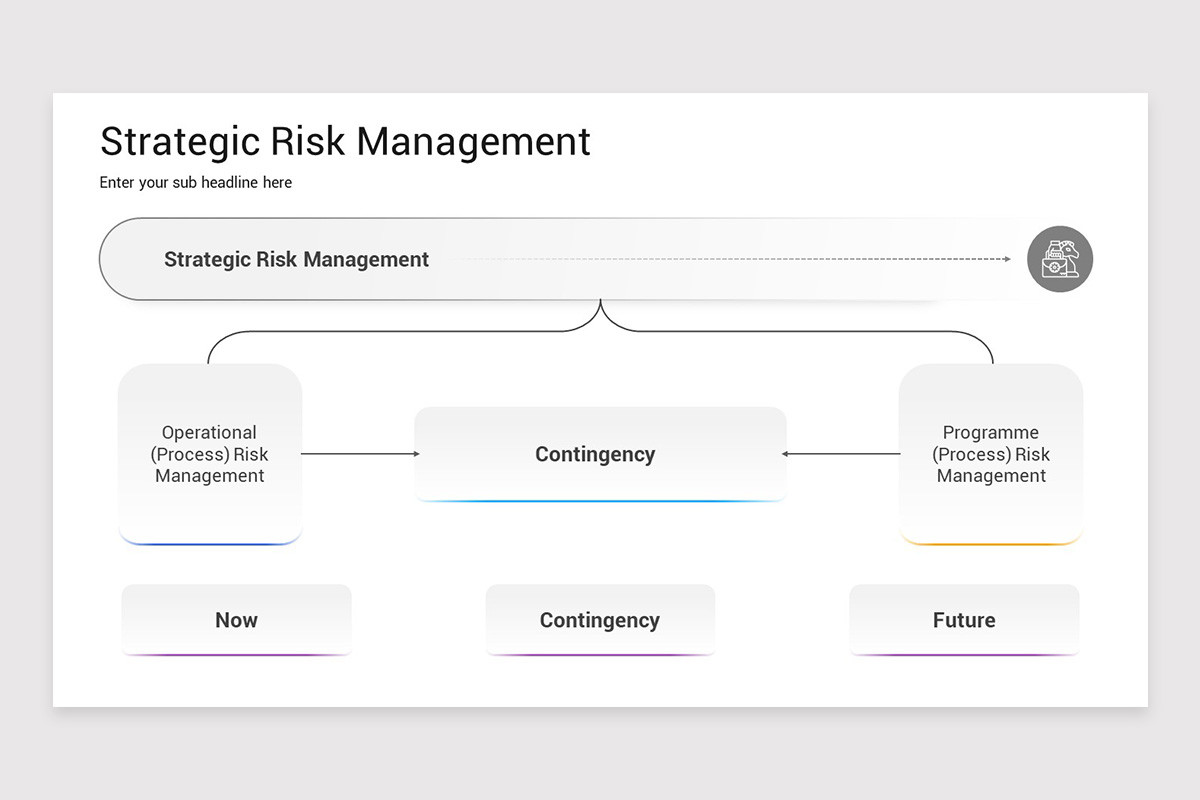
Assigned risk mechanisms—often viewed purely as a penalty or a last resort for high-exposure risks—can be strategically leveraged to maintain operational continuity, fulfill statutory requirements, and manage broader organizational risk portfolios. Rather than seeing an assigned risk plan merely as an administrative burden or financial penalty, forward-thinking organizations recognize it as a specialized instrument to stabilize underwriting availability and control exposures.
Understanding the Assigned Risk Paradigm
The insurance and risk management landscapes are governed by the principle of insurability, which dictates that risks must be definite, measurable, and accidental to be attractive to voluntary commercial markets. When an entity, property, or operational profile falls outside the standard risk appetite of private insurers—due to past losses, high hazard levels, or emerging risk factors—it is frequently relegated to residual markets or assigned risk pools.
Historically, businesses and individuals treat entry into an assigned risk plan as an admission of failure. This perspective is fundamentally flawed. An assigned risk mechanism is an institutional safety net engineered by regulatory bodies and state legislatures to ensure that every insurable interest can secure mandatory coverage. By shifting the lens from a defensive posture to a strategic one, risk managers can utilize these pools as transitional vehicles, hedging tools, or temporary holding patterns while risk-mitigation strategies take root in the voluntary market.
The Mechanics of Residual Markets
Assigned risk plans typically operate through mandatory participation agreements imposed on all licensed carriers writing specific lines of insurance within a given jurisdiction. If a commercial enterprise or driver cannot obtain coverage through standard underwriting channels after a prescribed number of rejections, they apply to the state's assigned risk plan (such as a Workers' Compensation residual market pool or an automobile insurance plan).
- Application and Qualification: The applicant demonstrates a good-faith effort to secure voluntary market coverage and documents rejections.
- Equitable Distribution: The governing board or servicing carrier assigns the risk to a participating insurance company based on that company's market share in the voluntary sector.
- Policy Issuance: The assigned carrier issues the policy, collects the premium, and services claims, though losses are often pooled and shared proportionally among all voluntary market participants.
This structural reality means that assigned risk pools are systemic stabilizers. They prevent market failure by absorbing shock losses and maintaining a continuous flow of commerce, even for hard-to-place exposures.
Strategic Applications Across Risk Categories
While assigned risk mechanisms are most commonly associated with commercial workers' compensation and commercial auto liability, their utility extends into various operational domains. Applying strategic intent to these pools requires aligning them with long-term financial and operational goals.
Workers' Compensation Residual Markets
In states with compulsory workers' compensation laws, maintaining coverage is non-negotiable. For employers in high-hazard industries—such as construction, roofing, or maritime operations—or those with a deteriorating loss history, voluntary carriers frequently issue non-renewal notices.
Entering the workers' compensation assigned risk pool is not merely a mechanism to stay legally compliant; it can act as a structured runway. While inside the pool, an organization has time to implement comprehensive workplace safety programs, re-engineer ergonomic workflows, and establish robust return-to-work protocols without the constant pressure of immediate commercial underwriting cancellation. Furthermore, many residual markets utilize experience modification factors (Mod rates) calculated similarly to the voluntary market. By managing claims aggressively while in the pool, an employer can systematically lower their Mod rate, making them an attractive prospect for voluntary carriers upon exit.
Commercial Automobile and Fleet Operations
Transportation and logistics companies face severe capacity crunches when accident frequency spikes. When a fleet is pushed into an automobile assigned risk plan, the immediate reaction is panic over inflated premiums. However, a strategic risk manager views this placement as a capitalization opportunity.
Instead of accepting high premiums passively, the organization can deploy telematics, driver-monitoring software, and rigorous safety training. Because residual markets closely monitor loss ratios, tangible improvements in driving behavior directly influence future rating tiers and lay the groundwork for a successful return to the standard market within a multi-year cycle.
| Dimension | Traditional View (Liability) | Strategic View (Tool) |
|---|---|---|
| Financial Impact | Surcharge burden and cash flow drain | Predictable baseline expense and risk-hedging cost |
| Operational Status | Sign of organizational failure or poor management | Temporary holding pattern for structural turnaround |
| Underwriting Horizon | Short-term crisis management | Multi-year safety and loss-control runway |
| Market Re-entry | Passive waiting for carrier mercy | Active repositioning via verified loss-mitigation data |
Financial Engineering and Cash Flow Management
Viewing assigned risk through a financial lens reveals unexpected advantages in capital allocation and balance sheet management. In environments where commercial insurance capacity is hardening—meaning premiums are rising universally and underwriting guidelines are tightening—voluntary markets may demand onerous collateral, steep deductibles, or restrictive endorsements.
Assigned risk plans often feature standardized rates and regulatory oversight that can insulate policyholders from the most volatile pricing spikes of a hyper-cyclical commercial market. By stabilizing insurance costs through a predictable, albeit higher-rated, residual pool structure, a Chief Financial Officer can model cash flows with greater certainty.
Leveraging Residual Markets as a Bridge
Consider a mid-sized manufacturing firm undergoing a major operational pivot or facility expansion. During periods of rapid transition, loss ratios may temporarily fluctuate, triggering adverse commercial underwriting reviews. If a traditional carrier threatens non-renewal, scrambling for a new voluntary policy can disrupt credit facilities, bonding requirements, and stakeholder confidence.
Placing the risk temporarily into an assigned risk mechanism provides an orderly bridge. It guarantees statutory compliance and proof-of-insurance certification for lenders and supply chain partners while the organization completes its operational stabilization. Once the transitional phase is complete and loss histories normalize, the entity can re-approach the voluntary market from a position of strength, armed with audited safety improvements.
Operational Execution: Turning Assigned Risk into Advantage
Maximizing the strategic value of an assigned risk plan requires a disciplined operational framework. Passive acceptance of residual market placement leads to compounding financial penalties; active management turns it into a turnaround catalyst.
1. Rigorous Loss-Control Auditing
The moment an organization is placed into an assigned risk pool, internal safety audits must double. Because residual market administrators frequently evaluate exposures based on objective hazard criteria, correcting physical and procedural vulnerabilities yields immediate credibility when negotiating future exits.
2. Proactive Claims Advocacy
In assigned risk pools, claims handling is typically managed by a designated servicing carrier. Organizations must maintain aggressive oversight of these claims. Left unmanaged, open claims inflate reserve requirements, driving up future rating modifications. Employing independent claims advocates ensures that unmerited claims are contested and open files are closed rapidly.
3. Systematic Voluntary Market Re-Entry
Strategic use of an assigned risk plan always incorporates an exit strategy. Risk managers should not wait until policy expiration to test the voluntary market. Approximately six to nine months prior to renewal, brokers should approach select standard carriers with comprehensive data packages detailing the operational changes, loss-mitigation investments, and safety metrics achieved during the residual market tenure.
Common Misconceptions and Pitfalls
Misunderstanding the nature of assigned risk leads to costly strategic errors. Stakeholders often fall into specific behavioral traps when navigating residual markets.
- The Stigma Trap: Assuming that operating within an assigned risk pool permanently brands an entity as uninsurable. In reality, commercial underwriters routinely evaluate rolling three-to-five-year loss histories. Demonstrated improvement clears the record.
- The Passive Payment Error: Treating residual market premiums as an unavoidable tax without auditing the underlying payroll, exposure bases, or classification codes. Errors in classification are common in assigned risk plans and directly inflate costs.
- The Lack of an Exit Plan: Remaining in an assigned risk pool indefinitely out of habit. Without active marketing to the voluntary market at each renewal cycle, organizations frequently miss the window when standard carriers are willing to re-engage.
Frequently Asked Questions
What is an assigned risk plan in insurance?
An assigned risk plan is a state-mandated or industry-sponsored mechanism designed to provide insurance coverage to individuals or businesses that cannot secure coverage through standard, voluntary commercial markets due to high risk profiles or loss history.
Why is assigned risk considered a strategic tool rather than just a penalty?
It acts as a strategic tool by guaranteeing mandatory operational compliance, offering a stable pricing bridge during periods of market hardening, and providing a controlled holding environment while an organization implements loss-mitigation and safety turnarounds.
Does being in an assigned risk pool affect my ability to return to the standard market?
Temporary placement in an assigned risk pool does not permanently bar an organization from the voluntary market. Standard carriers evaluate recent loss histories and safety improvements. If an entity uses its time in the pool to resolve underlying hazards, voluntary carriers will frequently offer coverage upon re-application.
How are premiums calculated in assigned risk plans?
Premiums in residual markets are typically established by state rating bureaus or governing boards based on standardized loss experience, risk classifications, and exposure units. While they are often higher than standard market rates due to the elevated risk profile of the pool, they remain subject to regulatory oversight and prevent predatory pricing.
What is the most critical step when operating under an assigned risk policy?
The most critical step is active loss control and rigorous claims management. Because future insurance availability and rating modifications depend heavily on claim outcomes, minimizing active exposures and aggressively closing open claims is essential for a successful transition back to the voluntary market.
Conclusion
Assigned risk mechanisms are indispensable pillars of the insurance ecosystem. When viewed through a narrow lens, they appear as punitive measures for entities unable to meet commercial underwriting standards. However, when approached with strategic intent, assigned risk pools become versatile instruments for legal compliance, financial stabilization, and operational rehabilitation. By pairing residual market placement with aggressive safety protocols, meticulous claims management, and proactive market testing, organizations can transform a perceived liability into a calculated advantage.