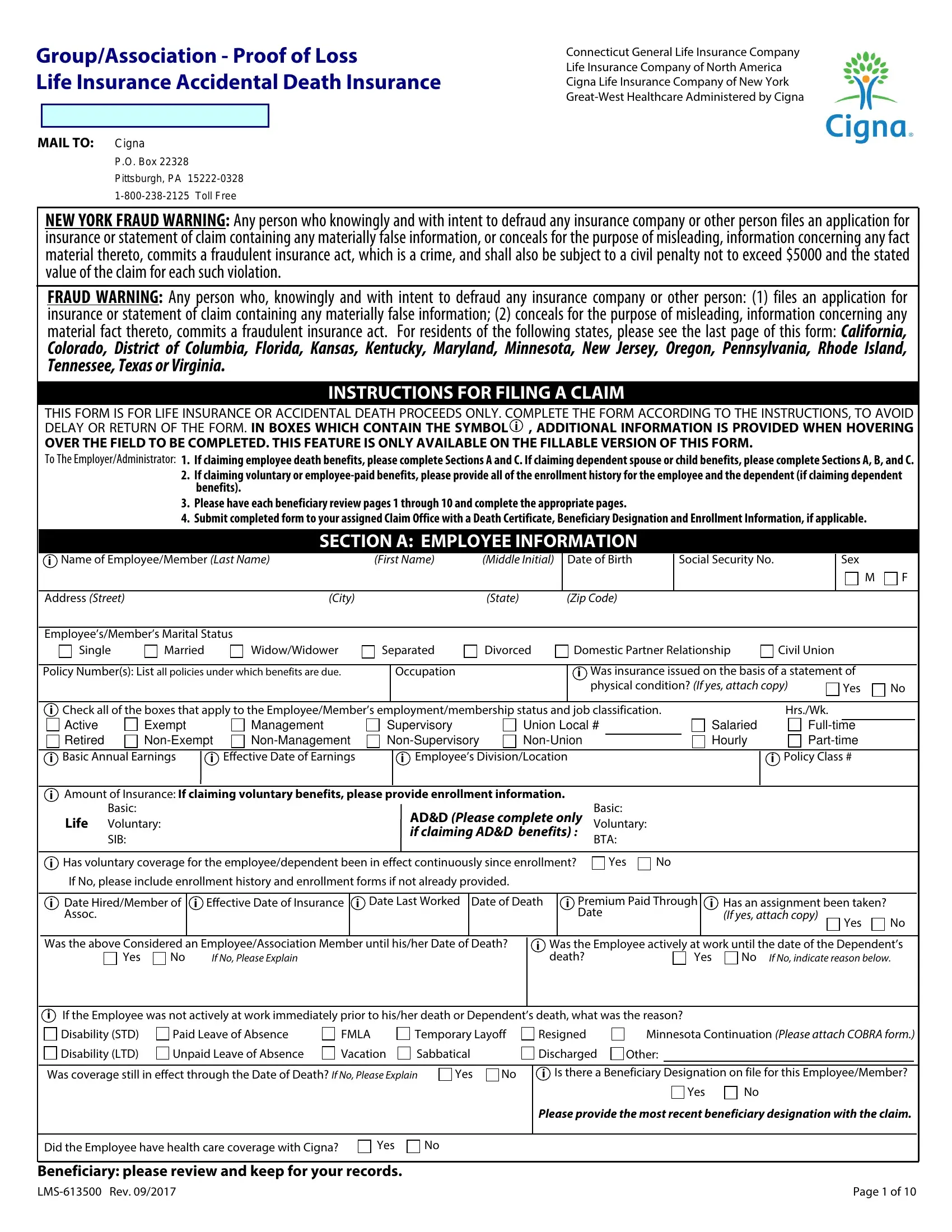
Using an old or legacy form to assign a life insurance policy as collateral for a loan introduces significant administrative, legal, and financial risks that can invalidate the security interest or delay loan processing. While life insurance policy assignment remains a viable mechanism to secure commercial or personal financing, utilizing outdated collateral assignment paperwork requires rigorous verification of insurer requirements, legal enforceability, and modern regulatory standards.
Understanding Life Insurance Policy Collateral Assignment
A collateral assignment of a life insurance policy is a conditional transfer of specific policy rights from the policyowner to a lender. Unlike an absolute assignment, which permanently transfers all ownership rights and benefits to a third party, a collateral assignment acts as a security interest. The lender receives a priority claim against the death benefit or cash surrender value up to the outstanding balance of the loan, while the policyowner retains all other incidents of ownership, such as the right to change beneficiaries or pay premiums.
Historically, life insurance companies, banking institutions, and legal practitioners utilized standardized forms to execute these transactions. Prominent among these historical templates was the American Bankers Association (ABA) form—such as the widely used ABA Form No. 10—along with proprietary insurer-specific documents. When a borrower attempts to use an old form found in personal records or downloaded from unverified digital repositories, they engage in a practice fraught with operational vulnerabilities. Insurers constantly update their administrative procedures, statutory compliance clauses, and data protection policies. Consequently, an unverified legacy document may fail to satisfy contemporary underwriting, legal, and operational standards.
The Distinction Between Absolute and Collateral Assignments
To understand why using an old form creates severe complications, it is essential to distinguish between the two primary types of policy assignments:
- Absolute Assignment: This transfers complete ownership of the contract. The assignee becomes the sole owner, capable of surrendering the policy, borrowing against its cash value, or changing beneficiaries without the original owner's consent. This type of assignment is rarely used for simple loan collateral because it strips the insured of all control.
- Collateral Assignment: This splits the policy rights. The lender's rights are limited strictly to the debt amount secured. Once the underlying loan is completely satisfied, the lender must release the assignment, restoring full, unencumbered rights to the policyowner.
When using an old collateral assignment form, a primary risk is that ambiguous language within the document might inadvertently mirror an absolute assignment or fail to clearly delineate the boundaries of the lender's security interest. This ambiguity can trigger protracted legal disputes between beneficiaries and lenders upon the death of the insured.
Why Using an Old Assignment Form Poses Substantial Risks
Financial institutions and life insurance carriers operate under strict regulatory frameworks, including state insurance codes, uniform commercial code (UCC) guidelines where applicable, and federal privacy mandates. Submitting an outdated collateral assignment form can derail a financial transaction for several structural reasons.
1. Regulatory and Statutory Non-Compliance
Insurance laws evolve. Clauses that were standard thirty or forty years ago may violate contemporary state insurance regulations regarding policyholder protections, disclosure requirements, or beneficiary rights. Modern policy contracts contain provisions that did not exist in older policy generations, such as updated accelerated death benefit riders or complex variable investment sub-accounts. An old form may lack the precise terminology required to encumber these modern policy features effectively.
2. Insurer Administrative Rejection
Life insurance companies maintain strict compliance departments that review all incoming legal documents. If an insurer receives a collateral assignment executed on a superseded, obsolete form, they will typically reject the filing outright. Insurers generally require their own current proprietary forms or universally recognized, up-to-date industry standards (such as modern iterations of the ABA assignment forms). Rejection forces the parties to restart the documentation process, causing critical delays in loan closings or lines of credit funding.
3. Ambiguous Rights and Priority Disputes
Outdated forms often contain vague language regarding priority of claims, payment of premiums, and notification procedures. For example, an old form might not clearly state whether the lender has the right to pay policy premiums to prevent a lapse if the borrower defaults, or how dividends and policy loans interact with the lender's security interest. If the borrower defaults or passes away, these ambiguities frequently result in litigation between the lender, the insurance company, and the primary beneficiaries.
4. Missing Modern Data Security and Compliance Disclosures
Contemporary legal and financial forms incorporate provisions addressing modern privacy laws (such as Gramm-Leach-Bliley or state-level privacy acts) and electronic signature verifications. Old forms drafted before the digital age lack these frameworks, creating friction in modern processing environments where insurers and lenders operate via encrypted digital portals.
Key Components of a Valid Collateral Assignment
Whether evaluating an old form or executing a new one, a legally binding collateral assignment must incorporate specific structural elements. Without these components, the security interest is vulnerable to challenge by creditors, executors of the estate, or primary beneficiaries.
| Component | Description | Risk of Omission on Old Forms |
|---|---|---|
| Identification of Parties | Precise legal names, addresses, and policy numbers for the Insured, Owner, and Assignee (Lender). | Outdated organizational names or mismatched policy structures can render the filing unenforceable. |
| Scope of Security Interest | Explicit statement that the assignment is collateral security only for specific liabilities. | May inadvertently transfer total ownership or fail to limit the lender's claim to the specific debt. |
| Lender Rights Limitation | Outlines what the lender can and cannot do (e.g., prohibiting the lender from surrendering the policy without notice). | Old forms may grant unilateral surrender rights to the lender without a mandatory notice period. |
| Premium Payment Provisions | Clarifies who is responsible for paying premiums and what happens if payments lapse. | Lenders may be left unprotected against policy lapse, or owners may face unexpected forced premium payments. |
| Release Mechanism | Clear instructions on how and when the assignment terminates and is formally released upon debt payoff. | Lacks clear administrative steps for releasing the lien, complicating future policy transactions. |
Step-by-Step Verification and Remediation Process
If you possess or have been asked to sign an old collateral assignment form, you must follow a structured procedure to determine whether it is acceptable or if it must be replaced with modern documentation.
Step 1: Request the Current Insurer-Approved Form
Never rely solely on secondary templates or historical documents stored in personal filing cabinets. Contact the issuing life insurance company’s policy services department directly. Request their current, approved collateral assignment form and any accompanying instructional guidelines. Most major carriers provide these documents via secure agent portals or customer service channels.
Step 2: Review Lender Requirements
Coordinate with the lending institution's legal or compliance department. Many institutional lenders (such as commercial banks and credit unions) maintain their own mandatory collateral assignment forms. If the lender requires their proprietary form, it must still be submitted to the insurance company for formal recording, as the insurer is not bound by a private agreement between borrower and lender unless it has been properly filed at the home office.
Step 3: Audit the Policy Contract Terms
Examine the underlying life insurance policy contract—specifically provisions related to assignments.
- Verify whether the policy is term, whole life, universal life, or variable life.
- Confirm that the policyowner has the legal right to assign the policy (some irrevocable beneficiary designations or trustee-owned policies restrict assignments without third-party consent).
- Check for existing encumbrances, such as active policy loans, which take primary priority over a new collateral assignment.
Step 4: Execution and Notarization
Ensure proper execution of the current documentation. Collateral assignments typically require:
- Original signatures of the policyowner, the insured (if different), and an authorized representative of the lender.
- Witness signatures or formal notarization, depending on state law and insurer bylaws.
- Completion of all corporate or trust resolutions if the policy is owned by a business entity or a living trust.
Step 5: Formal Filing and Acknowledgment
Submit the completed, executed document to the life insurance company's home office. A collateral assignment is generally not legally effective against the insurer until it has been received, recorded, and formally acknowledged by the insurer. Always request a stamped, written confirmation or endorsement copy from the insurance company verifying that the assignment has been logged into their official records.
Common Pitfalls and Troubleshooting Strategies
Navigating policy assignments frequently exposes procedural bottlenecks. Recognizing these challenges prevents costly delays.
- Irrevocable Beneficiary Conflicts: If a policy currently names an irrevocable beneficiary, that person must sign a consent form agreeing to subordinate their interest to the lender. An old form will often fail to capture this multi-party consent properly, resulting in immediate rejection.
- Corporate and Trust Ownership Issues: If the policy is owned by an LLC, corporation, or trust, older personal assignment forms are entirely inappropriate. Entity-owned policies require specific corporate resolutions or trust certifications verifying that the signers have the legal authority to encumber company or trust assets.
- Failing to Secure a Release: A frequent long-term error occurs when a loan is fully paid off, but the collateral assignment is never formally released. Years later, when the insured passes away, the insurance company continues to list the defunct lender as an assignee, freezing death benefit payouts while administrators track down historical loan satisfaction records. Always secure a signed termination of assignment from the lender and file it with the insurer immediately upon loan payoff.
Professional Advice and Jurisdictional Considerations
Insurance and lending laws are governed at the state level, and the interaction between debtor-creditor law and insurance contract law can be highly complex.
Professional Disclaimer: This article is for informational and educational purposes only and does not constitute legal, tax, or financial advice. Executing a collateral assignment can alter estate tax liabilities, trigger adverse financial consequences, or impact policy performance. Policyowners and borrowers should consult with a qualified estate planning attorney, a certified financial planner, or an insurance professional before executing assignment documentation.
Conclusion
Attempting to use an old, unverified form for assigning a life insurance policy as collateral introduces unacceptable legal and administrative risks. Insurers reject obsolete paperwork, and ambiguous legal terms can compromise both lender security and beneficiary protection. To ensure a seamless transaction, always obtain and execute the current, approved forms provided directly by the insurance carrier and the lending institution, followed by formal home office recording.