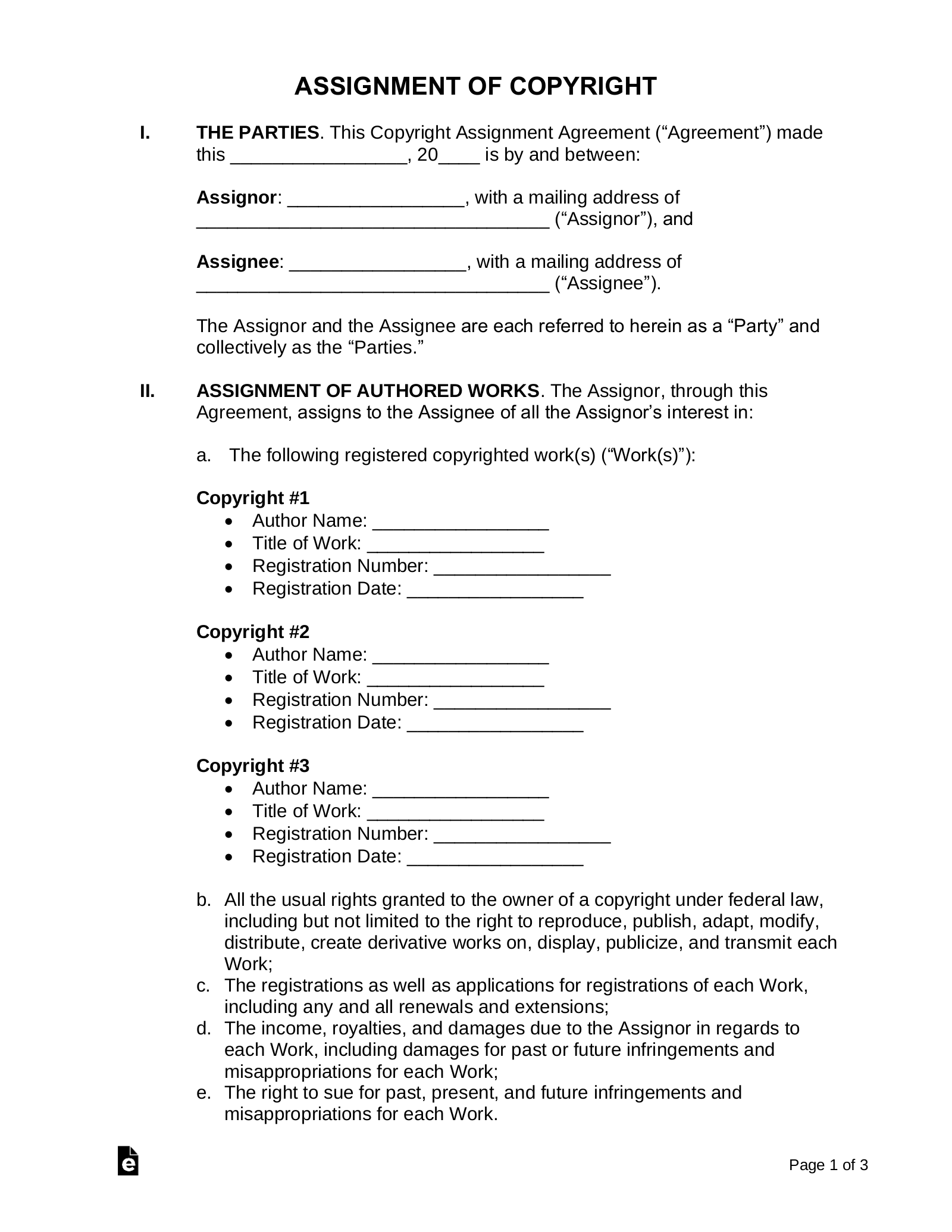
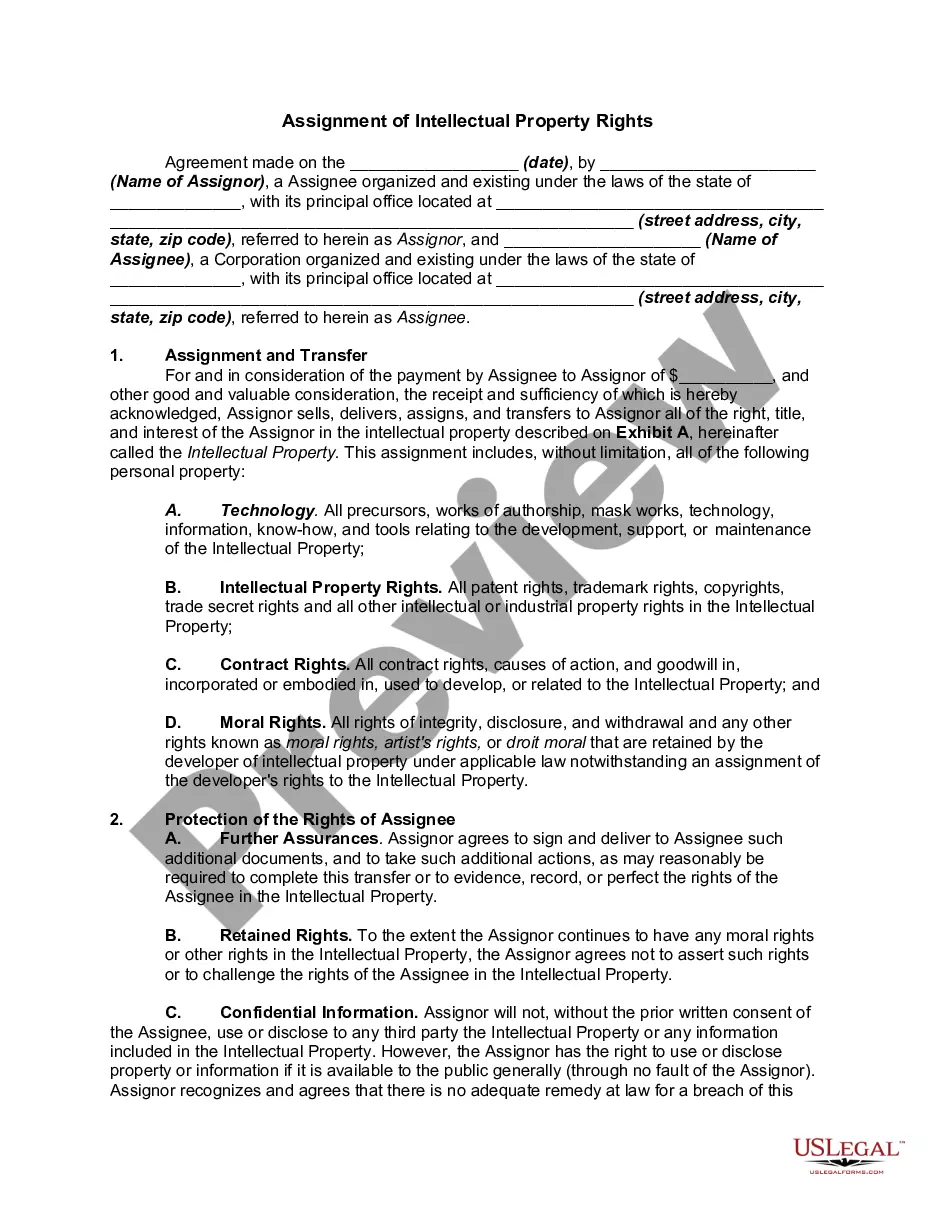
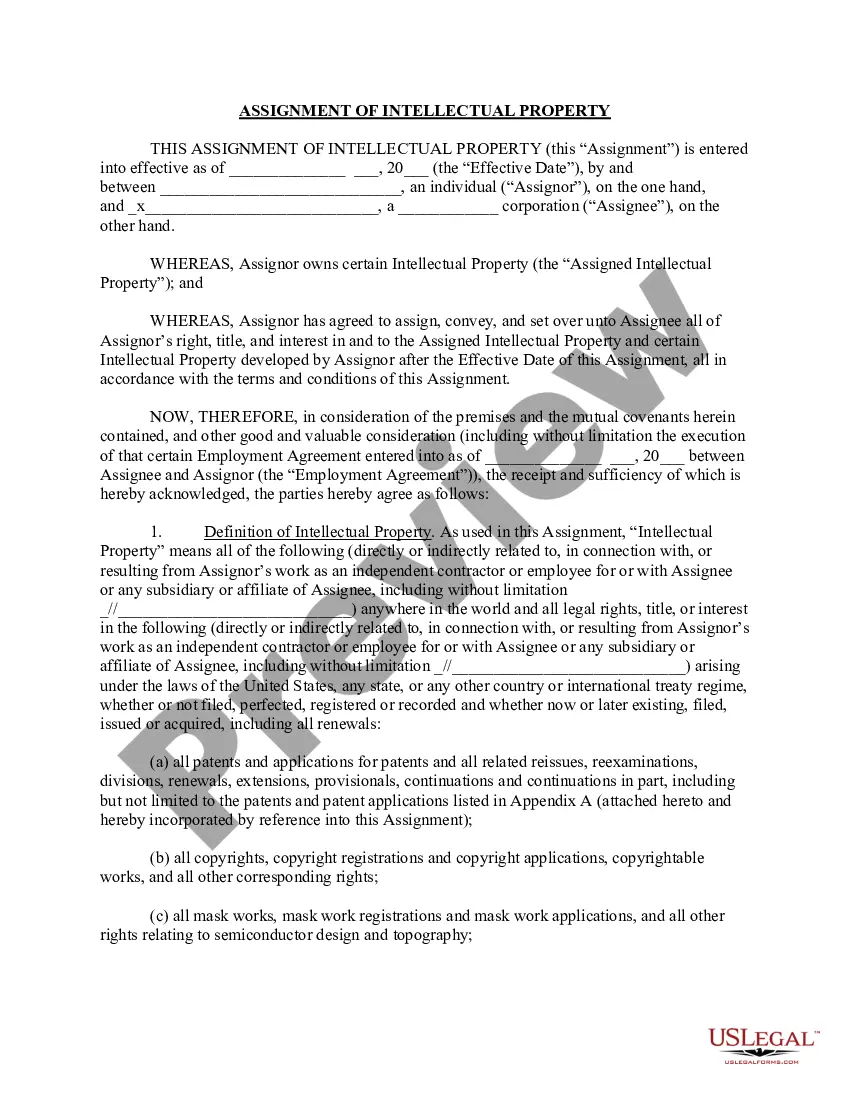
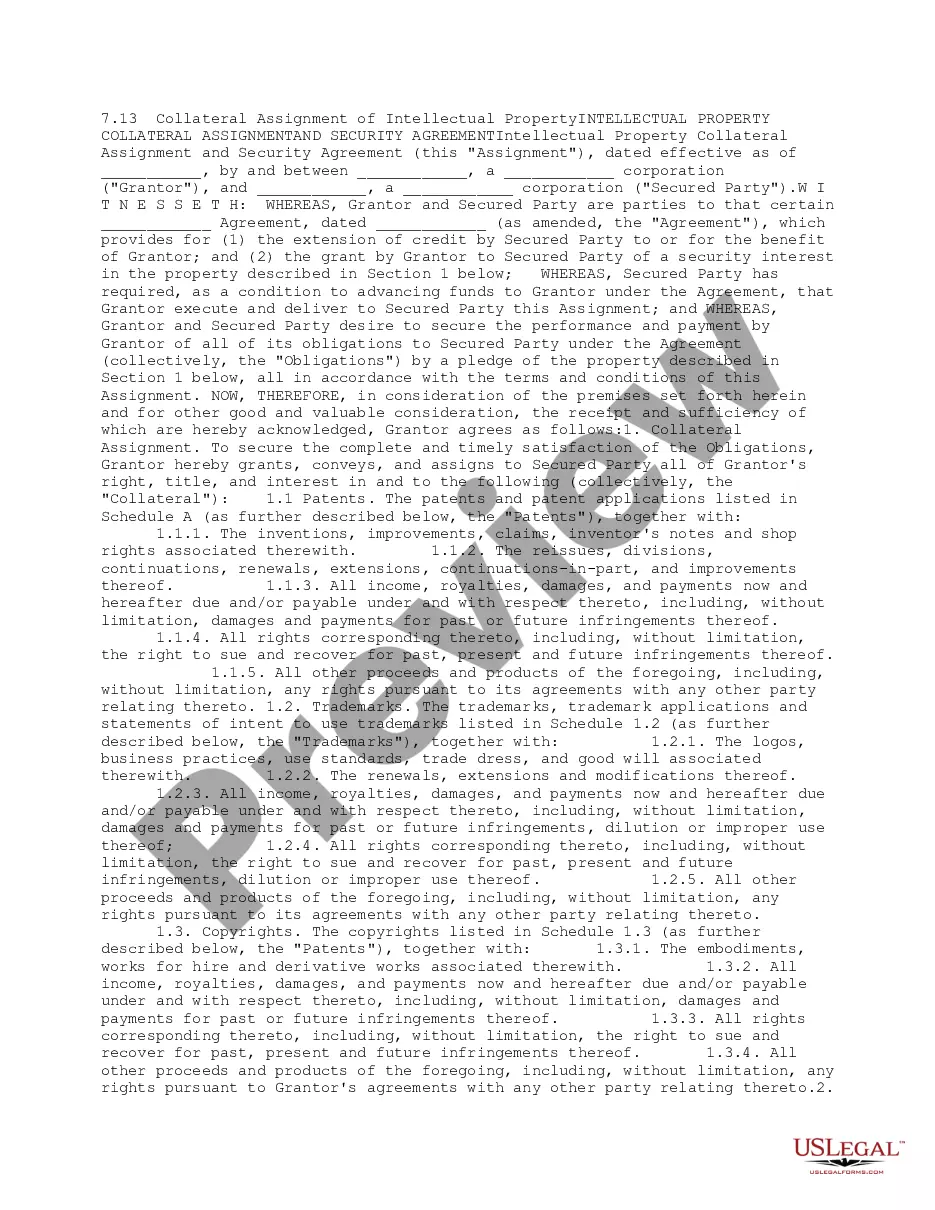
An assignment of intellectual property rights is a legally binding transfer of ownership of assets like patents, copyrights, or trademarks from one party to another. Executing this transaction requires a written agreement detailing the scope of transferred rights, financial compensation, geographic boundaries, and warranties to ensure clear title and prevent future legal disputes.
Understanding how to properly structure, execute, and record an assignment of intellectual property (IP) rights is critical for inventors, creators, corporations, and investors. Because intellectual property forms the backbone of modern corporate valuation, technology transfer, and creative industries, missteps in transferring these assets can invalidate contracts, jeopardize commercial operations, or trigger costly litigation. This guide provides an in-depth exploration of IP assignments, covering core definitions, legal prerequisites, structural components, jurisdictional variations, and operational best practices.
Disclaimer: The following information is for educational purposes and does not constitute formal legal advice. Intellectual property laws are subject to specific statutory frameworks and jurisdictional nuances. Parties engaging in IP transactions should consult qualified legal counsel.
Defining the Assignment of Intellectual Property Rights
To understand an assignment, one must first distinguish it from a license. An assignment is a permanent transfer of ownership. When an assignor assigns intellectual property to an assignee, the assignor relinquishes all proprietary control, legal title, and future rights to that asset (unless explicitly reserved under narrow contractual conditions). Conversely, a license is merely a permission to use the IP under specified terms while the licensor retains underlying ownership.
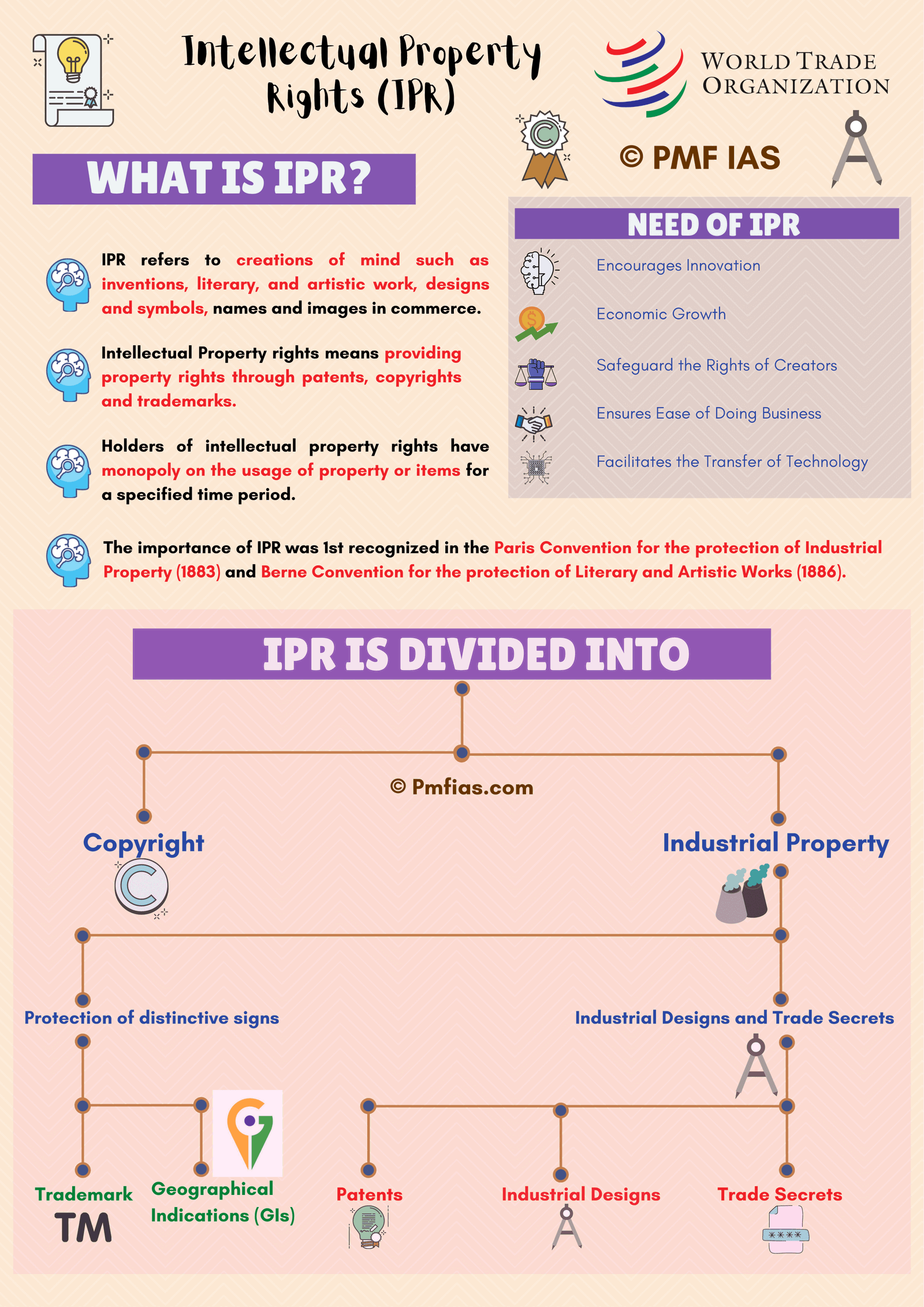
Intellectual property generally encompasses four primary pillars, each governed by distinct legal frameworks:
- Copyrights: Protect original works of authorship fixed in any tangible medium of expression, including literary, musical, artistic, and software code.
- Patents: Protect novel, non-obvious, and useful inventions, processes, machines, and compositions of matter.
- Trademarks: Protect words, phrases, symbols, or designs that identify and distinguish the source of goods or services from those of others.
- Trade Secrets: Protect confidential, commercially valuable business information. While trade secrets are typically transferred via confidentiality and asset purchase agreements rather than statutory filings, they are a vital component of corporate IP portfolios.
Key Legal Prerequisites for a Valid Assignment
For an assignment of intellectual property rights to be legally enforceable, it must satisfy specific statutory and common-law requirements. Failing to meet these prerequisites can render the transfer void or leave the assignee vulnerable to competing claims.
The Writing Requirement
In most major jurisdictions, statutory law mandates that an assignment of IP must be in writing and signed by the assignor. For instance, under United States copyright law (17 U.S.C. § 204(a)), a transfer of copyright ownership—other than by operation of law—is not valid unless an instrument of conveyance, or a note or memorandum of the transfer, is in writing and signed by the owner of the rights conveyed. Patent law similarly requires written instruments to record assignments effectively with administrative bodies like the United States Patent and Trademark Office (USPTO).
Consideration and Mutual Assent
Like any contract, an IP assignment requires valid consideration (something of value exchanged, such as money, stock, or mutual promises) and a meeting of the minds. Without adequate consideration, a court may deem the assignment unenforceable.
Clear Identification of the Asset
Vague descriptions of the intellectual property being transferred frequently lead to litigation. The agreement must precisely identify the asset. For patents, this includes listing the patent number, application serial number, filing date, and title. For trademarks, it requires registration numbers, jurisdiction, and associated goods or services. For copyrights, it involves specifying the title of the work, registration details (if registered), and creation date.
Core Components of an IP Assignment Agreement
Drafting a robust assignment agreement requires meticulous attention to detail. Omitting standard protective clauses can result in unintended legal exposure or loss of rights.
1. Grant of Rights and Scope
The operative language of the agreement must explicitly state that the assignor "sells, assigns, transfers, and sets over" all right, title, and interest in the IP to the assignee. The scope must define whether the transfer is exclusive or non-exclusive (though true assignments are inherently exclusive), worldwide or localized, and whether it includes all fields of use or is restricted to specific commercial applications.
2. Moral Rights and Waivers
In many jurisdictions—particularly under civil law systems and certain copyright frameworks—creators possess non-assignable "moral rights." These include the right of attribution (being recognized as the author) and the right of integrity (preventing derogatory treatment of the work). In jurisdictions where moral rights can be waived (such as the United States under the Visual Artists Rights Act, where applicable), the agreement should contain an explicit, unambiguous waiver of moral rights in favor of the assignee and its successors.
3. Representations and Warranties
The assignor must provide contractual assurances regarding the status of the IP. Standard warranties include:
- Ownership and Title: The assignor is the sole and exclusive owner of the IP and has the legal authority to assign it.
- Non-Infringement: To the best of the assignor's knowledge, the IP does not infringe upon the intellectual property rights of any third party.
- Encumbrances: The IP is free and clear of all liens, mortgages, security interests, and prior licenses that would impair the assignee's enjoyment of the rights.
4. Further Assurances
A "further assurances" clause obligates the assignor to execute any additional documents, sign secondary paperwork, and take reasonable administrative steps post-closing that the assignee may request to perfect, register, or enforce the assigned rights. This is vital when patent applications are pending and require inventor cooperation.
Comparison of Intellectual Property Asset Types
The mechanics of assignment vary significantly depending on the category of intellectual property involved. The following table outlines key procedural and legal distinctions across the major IP classes.
| IP Category | Primary Governing Body / Mechanism | Key Transfer Requirement | Registration / Recording Importance |
|---|---|---|---|
| Patents | National Patent Offices (e.g., USPTO, EPO) | Written, signed agreement identifying patent/application numbers. | Critical; must be recorded within statutory windows (e.g., 90 days in the U.S.) to protect against subsequent bona fide purchasers. |
| Copyrights | National Copyright Offices / Statutory Law | Written instrument signed by the assignor (or owner's authorized agent). | Highly recommended; recording with the copyright office establishes priority and is a prerequisite for statutory damages in litigation. |
| Trademarks | Trademark Registries (e.g., USPTO, EUIPO) | Written assignment. Crucial Rule: Must include the transfer of "goodwill" associated with the mark. | Essential; recording updates public ownership records and protects against conflicting subsequent assignments. |
| Trade Secrets | State/National Common Law & Statutes (e.g., DTSA) | Comprehensive asset transfer or confidentiality agreement. | None (trade secrets rely on secrecy; public registration destroys protection). |
Recording and Perfection of Assignments
Executing an assignment agreement between two parties is only the first step. To fully protect the asset against third-party claims, the assignment must be recorded with the relevant government or administrative agency.
The Importance of Government Recording
Agencies maintain public registries of IP ownership. Recording an assignment serves two main purposes:
- Constructive Notice: It informs the public and potential future buyers that ownership has shifted.
- Priority Protection: In many legal systems, if an assignor fraudulently assigns the same IP to two different parties, the party that records its assignment first in the official registry may take priority over the earlier unrecorded assignment, provided they acted in good faith and without notice of the prior transfer.
For example, under United States Patent Law (35 U.S.C. § 261), an assignment of a patent is void as against any subsequent purchaser or mortgagee for valuable consideration, without notice, unless the assignment is recorded in the USPTO within three months from its date or prior to the subsequent purchase. Similar statutory timing and priority rules govern trademark assignments.
Common Pitfalls and Troubleshooting in IP Assignments
Navigating the transfer of intellectual property frequently exposes parties to predictable legal and operational traps. Recognizing these issues helps prevent catastrophic losses in asset value.
Assigning Trademarks Without Goodwill
A unique rule governs trademark assignments: a trademark cannot be assigned "in gross" (i.e., independent of the business or goodwill it symbolizes). Under U.S. trademark law and many international doctrines, an assignment of a trademark without the concurrent transfer of the goodwill associated with the business or the line of goods bearing the mark can render the trademark abandoned or invalid. Draftsmen must ensure the agreement explicitly transfers the goodwill connected to the mark.
Failing to Secure Employee and Contractor Assignments
Companies frequently assume that because they pay an employee or independent contractor to create software, designs, or inventions, the company automatically owns the intellectual property. Under many legal systems, this assumption is false.
- Employees: While the "work made for hire" doctrine applies broadly to employees acting within the scope of their employment, patent rights and certain international copyright frameworks still vest initially in the human creator. Companies must utilize robust Proprietary Information and Inventions Agreements (PIIAs) containing explicit assignment language ("I hereby assign...") rather than mere agreement-to-assign clauses ("I agree to assign...").
- Independent Contractors: Contractors retain ownership of their creations unless there is a signed, written agreement explicitly stating that the work is a "work made for hire" (where eligible) and containing an explicit assignment of all intellectual property rights.
Overlooking Future Works
An assignment agreement that attempts to assign intellectual property that does not yet exist or has not yet been conceived can be problematic. While future copyright assignments are permissible under specific statutory boundaries, attempting to blanket-assign future, unspecified inventions without proper temporal and subject-matter limitations can violate public policy or fail statutory definiteness tests.
Frequently Asked Questions
Can an oral agreement effectively assign intellectual property rights?
No. Statutory frameworks governing copyrights, patents, and registered trademarks overwhelmingly require assignments to be executed in writing and signed by the assignor. Oral promises or handshakes regarding IP ownership are legally unenforceable in courts of law.
What happens to existing licenses when an IP assignment occurs?
When an intellectual property asset is assigned, the assignee takes the asset subject to any existing, valid licenses previously granted by the assignor. The assignee cannot unilaterally terminate lawfully granted licenses unless the licensing agreement contains specific change-of-control or termination-upon-assignment provisions.
Do I need to record an IP assignment immediately?
Yes. While the effective date of the transfer is determined by the contract between the parties, prompt recording with relevant administrative bodies (such as the USPTO or copyright office) is vital. Delaying recordation can jeopardize priority status if the assignor attempts a secondary, conflicting transfer to a third party.
Can moral rights be assigned alongside copyrights?
Generally, moral rights (such as the right to claim authorship or object to distortion of a work) are personal to the creator and cannot be transferred or assigned to another party. However, in jurisdictions that permit it, creators can execute a binding written waiver of moral rights in favor of the assignee.
What is the difference between an asset purchase agreement and an IP assignment?
An asset purchase agreement (APA) is a comprehensive commercial contract used to buy an entire business or a broad collection of business assets, of which intellectual property is often just one component. An IP assignment is a targeted, standalone legal instrument dedicated specifically to transferring intellectual property assets. APAs frequently incorporate specific IP assignment exhibits to handle formal filings.
Next Actions and Operational Guidance
To successfully execute an assignment of intellectual property rights, stakeholders should follow a structured procedural pathway:
- Audit the Portfolio: Conduct a comprehensive internal audit to confirm that the assignor holds clear, unencumbered title to the assets being transferred.
- Draft the Instrument: Engage specialized legal counsel to draft a clear, comprehensive assignment agreement tailored to the specific category of IP (patent, trademark, copyright, or trade secret).
- Execute and Notarize: Ensure all authorized signatories execute the document properly. Depending on the jurisdiction and intended international filings, notarization or consular legalization may be required.
- Record Immediately: File the executed assignment with all relevant domestic and international intellectual property registries within statutory deadlines to secure priority rights.