Selecting an assisted living facility in Federal Way, Washington requires balancing care needs, budget constraints, licensing standards, and community environments. Federal Way features numerous senior housing options ranging from small adult family homes to large, multi-story assisted living and memory care communities. Understanding how Washington State regulates these facilities, evaluating the local cost landscape, and knowing what questions to ask during tours ensures older adults and their families make well-informed, sustainable housing decisions.
Understanding the Landscape of Senior Housing in Federal Way, WA
Federal Way, situated in King County between Seattle and Tacoma, offers a wide spectrum of senior care facilities designed for individuals who require help with activities of daily living (ADLs) such as medication management, bathing, dressing, and mobility. Unlike nursing homes that provide 24/7 skilled medical care, assisted living facilities focus on maximizing resident independence while supplying supportive services in a residential setting.
When researching assisted living facilities in Federal Way, families generally encounter two primary types of licensed providers:
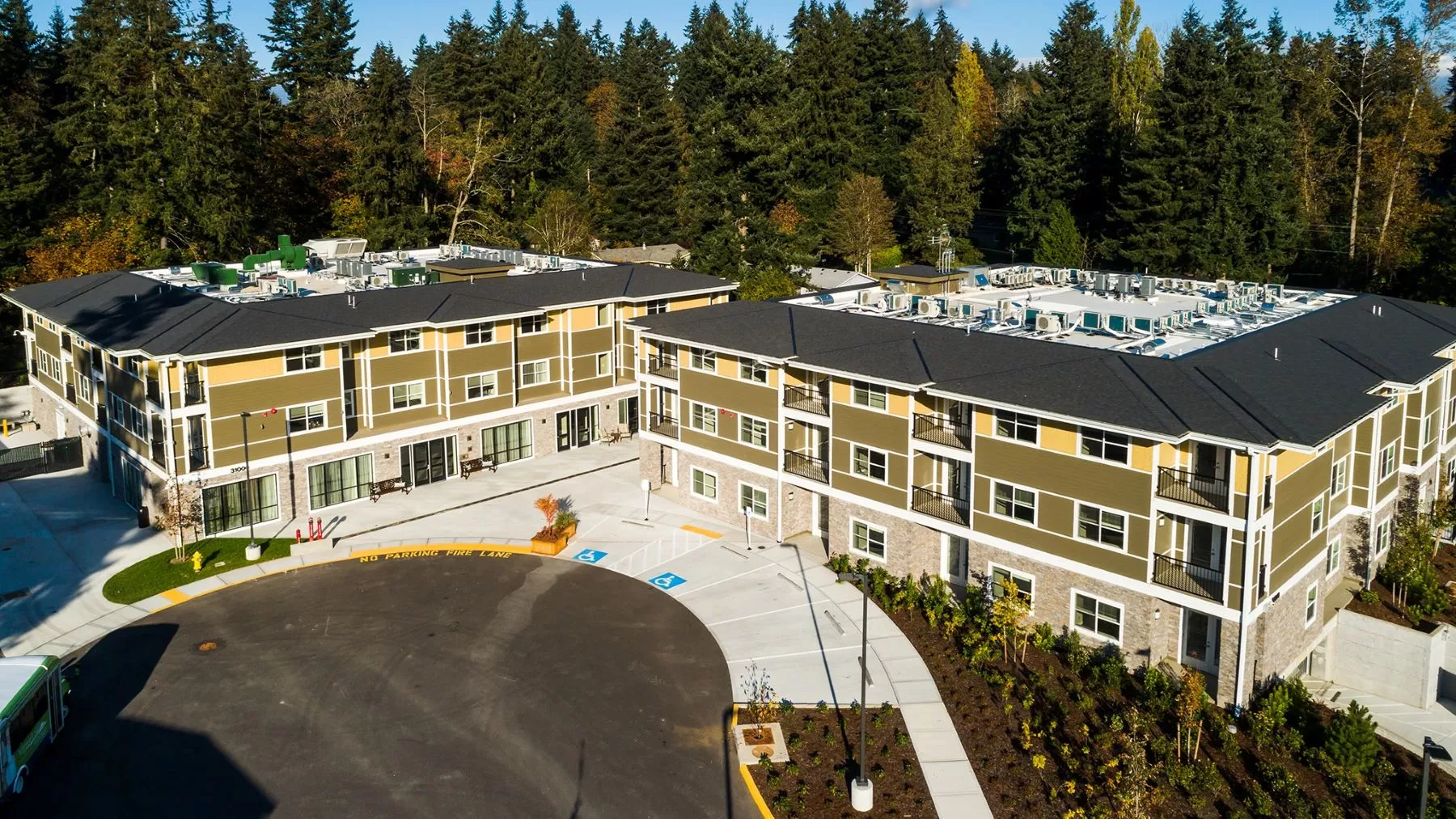
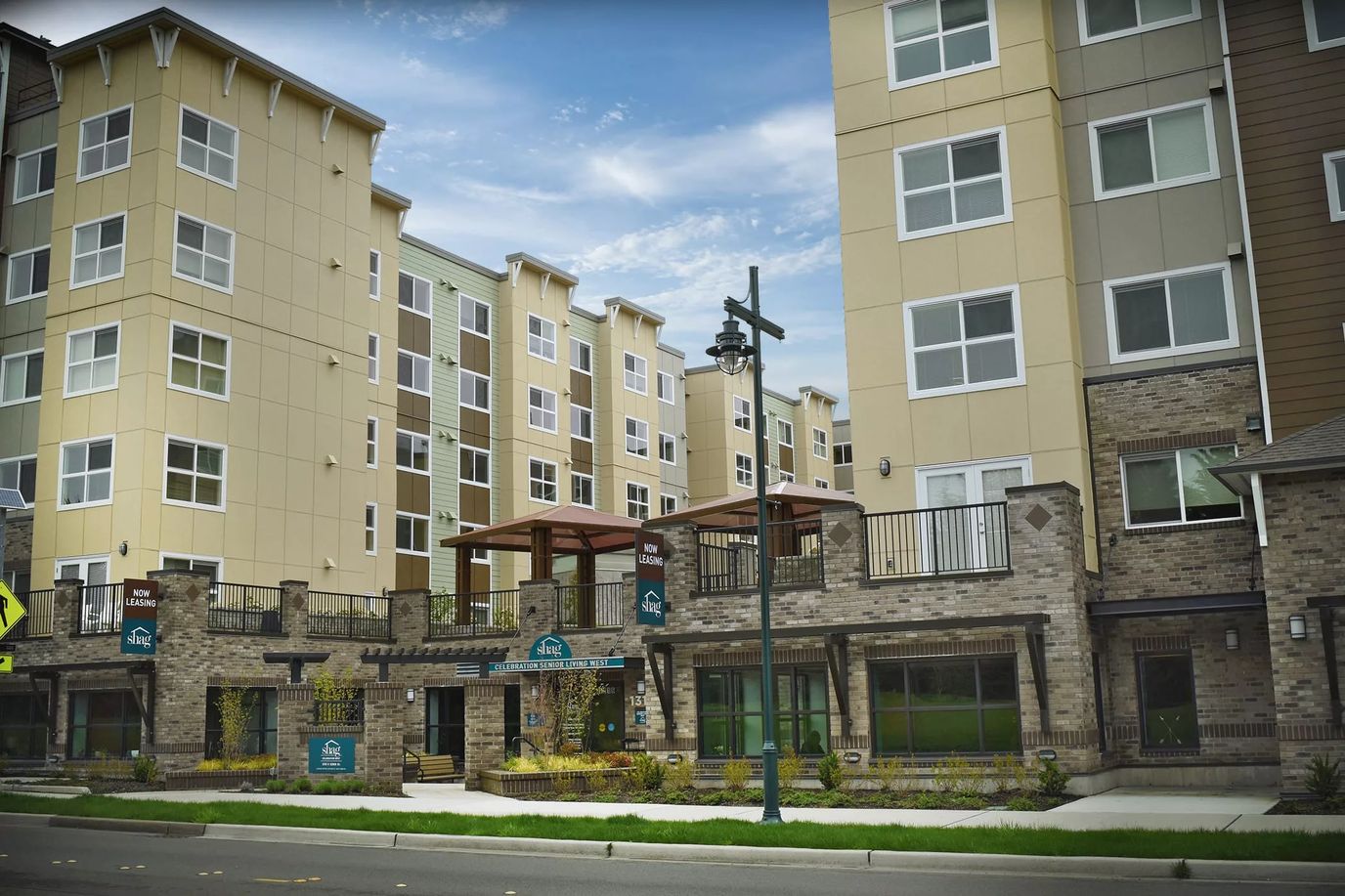
- Assisted Living Communities (ALCs): Larger, apartment-style buildings typically housing dozens or hundreds of residents. They feature individual private or semi-private apartments, central dining rooms, group social activities, and on-site care staff available around the clock.
- Adult Family Homes (AFHs): Residential homes located in regular suburban neighborhoods throughout Federal Way, licensed to care for a smaller group of residents (usually two to six). AFHs offer a high staff-to-resident ratio and a homelike environment, making them suitable for seniors who prefer a quieter, more intimate setting or who have advanced cognitive impairments.
Both types of facilities are licensed and inspected by the Washington State Department of Social and Health Services (DSHS), specifically the Aging and Long-Term Support Administration (ALTSA), which maintains public records of facility compliance, inspection reports, and any enforcement actions.
State Regulations and Licensing Standards in Washington
Washington State maintains rigorous regulatory standards for assisted living and residential care. Understanding these rules helps families evaluate the quality and safety of any facility they visit in Federal Way.
Under Washington Administrative Code (WAC), assisted living facilities must provide or arrange for services that promote resident dignity, choice, and independence. Key regulatory requirements include:
- Staff Training: Direct-care staff must complete basic orientation, safety training, and specialized training related to mental health, dementia, and developmental disabilities depending on the resident population. Facilities must have at least one awake staff member on duty 24 hours a day.
- Assessment and Care Planning: Before admission and periodically thereafter, a licensed nurse or qualified assessor must evaluate the resident's physical, cognitive, and psychosocial needs. This assessment forms the basis of a personalized service plan that dictates staffing levels and care fees.
- Medication Administration: Facilities may allow trained staff to administer medications or assist residents with self-administration, provided staff have completed required medication assistant training and work under the general direction of a registered nurse.
- Life Safety Codes: Facilities must meet strict building, fire, and safety codes enforced by local and state authorities, including emergency generators, sprinkler systems, and accessible egress routes.
Evaluating Costs of Assisted Living in Federal Way
Cost is frequently a decisive factor when selecting senior housing. Federal Way, located within the Seattle-Tacoma-Bellevue metropolitan statistical area, generally reflects King County's higher-than-average cost of living.
Monthly base rent for an assisted living apartment typically covers room and board, utilities, maintenance, housekeeping, and basic social activities. However, personal care services are almost always billed separately through a tiered care system. For example, a resident who only needs medication reminders will pay less than a resident requiring hands-on assistance with transferring, bathing, and continence management.
| Care Type / Housing Model | Estimated Monthly Cost Range in Federal Way | What is Typically Included |
|---|---|---|
| Independent Living (Senior Apartments) | $2,500 – $4,500 | Rent, utilities, maintenance, activities, transportation; minimal or no personal care. |
| Assisted Living Facility (Base + Care) | $5,000 – $8,000+ | Apartment rent, dining, housekeeping, 24-hour staff presence, plus tiered personal care fees. |
| Adult Family Home (AFH) | $4,500 – $7,500+ | Room, board, intensive personalized care, medication management, home-cooked meals in a residential setting. |
| Memory Care Add-on | +$1,500 – $3,000 above base | Secure environment, specialized dementia programming, higher staff-to-resident ratios. |
Families must also factor in community fee charges (often a one-time, non-refundable onboarding fee ranging from $1,500 to $3,000) and understand how rate increases are handled year-over-year.
Financial Assistance and Payment Options
Most assisted living care is paid for out-of-pocket through private funds, retirement accounts, pensions, or social security. Because Medicare does not cover long-term custodial care in assisted living settings, families must look to alternative funding sources:
- Long-Term Care Insurance: Policies purchased years in advance may cover a significant portion of assisted living and memory care expenses, subject to elimination periods and daily maximum caps.
- Veterans Benefits: The U.S. Department of Veterans Affairs offers the Aid and Attendance pension benefit, which provides monthly financial assistance to eligible veterans and surviving spouses who require the aid of another person for daily activities.
- Medicaid (Washington Apple Health): Washington operates Home and Community Based Services (HCBS) waivers, such as the Community Options Program Entry System (COPES), which can help pay for care services in contracted assisted living facilities or adult family homes. However, facility acceptance of Medicaid waivers varies, and many communities require private-pay periods lasting 12 to 24 months before accepting state assistance.
Key Steps for Touring and Selecting a Facility in Federal Way
Finding the right facility requires a systematic approach. Touring multiple locations allows families to compare environments, staff responsiveness, and pricing transparency.
- Define Care Needs: Consult with a primary care physician or geriatric care manager to determine current care requirements and anticipate future needs (such as the transition from assisted living to memory care).
- Shortlist Local Options: Use state databases and professional recommendations to identify licensed facilities in Federal Way. Check the DSHS aging portal for any recent citation history or complaints.
- Conduct Unannounced and Scheduled Visits: Schedule a formal tour to meet the administrator, nursing director, and activities coordinator. Whenever possible, drop by unannounced during a mealtime to observe dining room operations, noise levels, and staff-to-resident interactions.
- Review the Disclosure Guide: Washington law requires facilities to provide a disclosure guide outlining services, fees, admission criteria, and discharge policies. Review this document carefully before signing any residency agreement.
- Evaluate Safety and Cleanliness: Observe common areas, outdoor spaces, and resident rooms. Check for odor control, secure doors for memory care units, and visible emergency call systems.
Comparing Assisted Living Communities vs. Adult Family Homes
Choosing between a large commercial assisted living community and a residential adult family home depends heavily on the resident's personality, socialization preferences, and medical complexity.
- Assisted Living Communities
- 20 to 100+ residents
- Apartment-style living
- Broad activity schedules
- Corporate management
- Adult Family Homes
- 2 to 6 residents
- Suburban residential home
- Family-style integration
- Often owner-operated
- Social Environment: Large communities offer extensive calendars featuring exercise classes, guest lectures, art workshops, and outings. Adult family homes provide a quieter, close-knit environment where residents interact daily with the same small group of caregivers and housemates.
- Care Continuity: In an adult family home, the owner or primary operator is frequently on-site daily, fostering deep familiarity with the resident. In larger facilities, staff turnover can be higher, though nursing staff oversee clinical care plans.
- Physical Layout: Large facilities require navigating long hallways, elevators, and dining halls, which can be challenging for residents with severe mobility impairments. Adult family homes offer single-level living with shorter walking distances between bedrooms and common areas.
Frequently Asked Questions
Does Medicare pay for assisted living in Federal Way?
No. Medicare covers short-term skilled nursing care, rehabilitation, and home health services under specific conditions, but it does not pay for long-term custodial or personal care provided in assisted living facilities or adult family homes.
How do I check the inspection history of a facility in Federal Way?
You can search public records through the Washington State Department of Social and Health Services (DSHS) online locator and adult care finder tools. These databases display recent state licensing inspections, complaints, and enforcement actions.
What happens if my loved one's care needs increase over time?
Many assisted living facilities can accommodate increased care needs by adjusting their tiered service plans. However, if a resident requires 24/7 skilled nursing, severe behavioral health management, or total bed-bound care that exceeds the facility's legal licensing limits, the facility may issue a discharge notice, requiring a move to a nursing home.
Can residents keep their own doctors in Federal Way assisted living?
Yes, generally residents retain the right to choose their own physicians. However, families should verify whether local primary care doctors or mobile medical practices visit the specific facility, or whether transportation arrangements must be made for off-site appointments.
What are the typical move-in requirements?
Facilities typically require a physical examination completed by a physician within 30 days prior to move-in, a tuberculosis (TB) screening, a signed residency agreement, a completed financial assessment, and an initial care assessment by the facility nurse.
Next Actions and Expert Guidance
Begin your search by listing your relative's essential medical, social, and financial criteria. Visit the Washington State DSHS website to verify current facility licenses and review inspection histories for Federal Way providers. Schedule structured tours at a minimum of three distinct locations—mixing large assisted living communities and smaller adult family homes—to directly compare living environments, meal quality, and care philosophies before making a financial commitment.