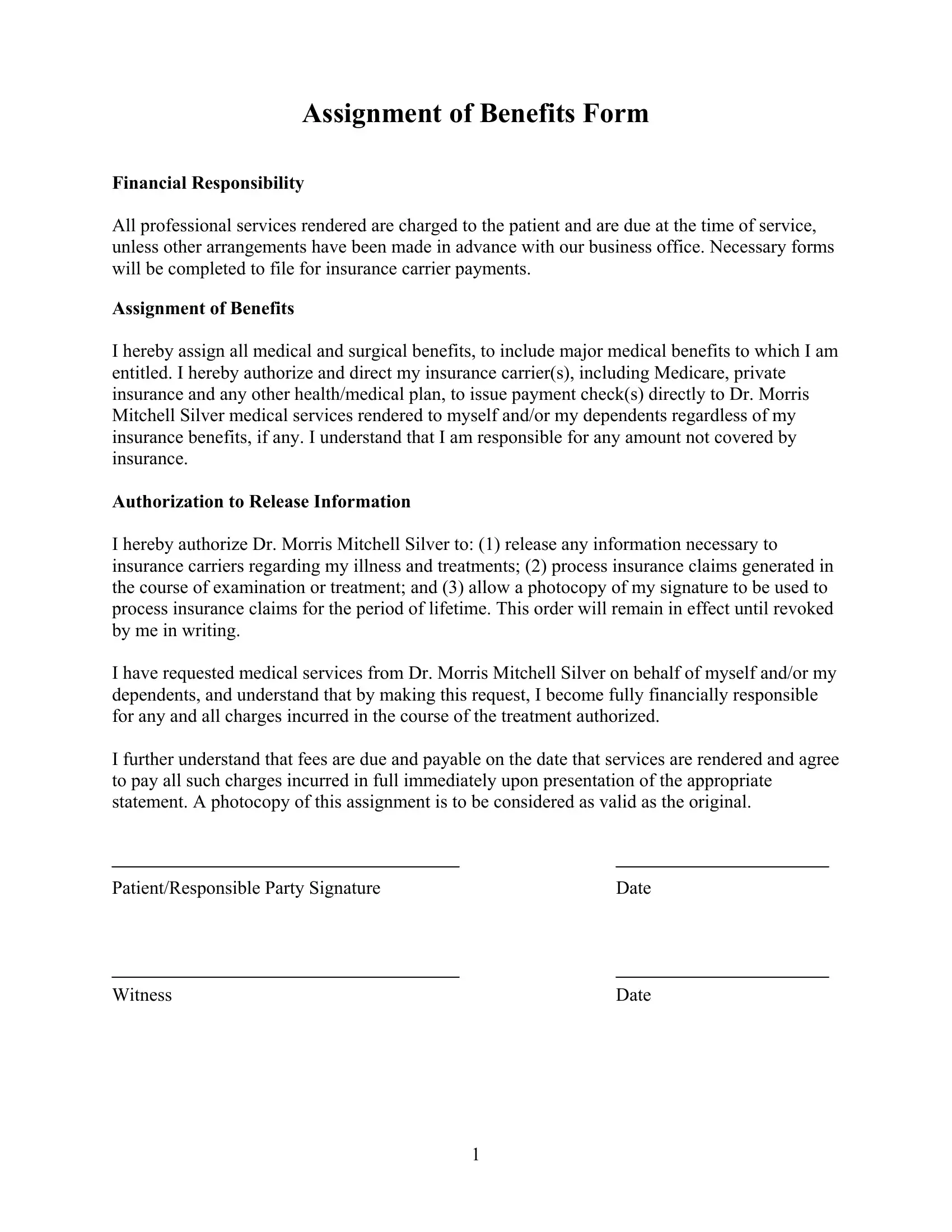
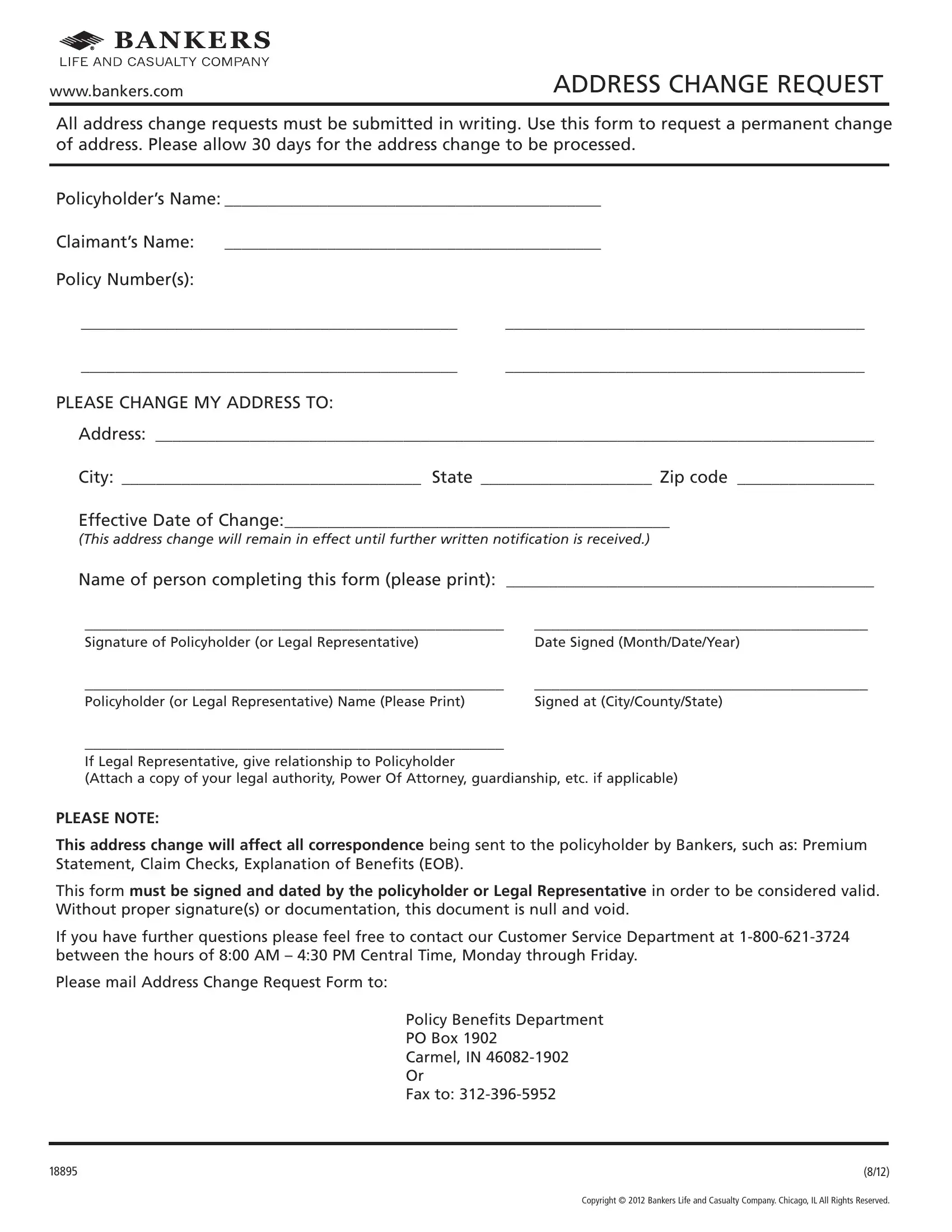
An assignment of benefits of life insurance form is a legal document used by a policyholder to transfer some or all of their policy ownership rights or death benefits to a third party, such as a family member, trust, business partner, or lender. This administrative instrument alters who holds ultimate control over the policy or who receives the resulting financial proceeds upon the insured individual's death.
Navigating the financial and legal instruments associated with life insurance policies requires careful precision, clear documentation, and strict adherence to insurer guidelines. Among the various legal mechanisms available to policyholders, the assignment of benefits of life insurance form stands out as a critical tool for estate planning, business continuity, and secured lending. Whether a policyholder wishes to secure a commercial loan using cash value, protect a dependent's financial future through an irrevocable trust, or transfer complete control to a trusted relative, understanding how these assignment forms function is paramount.
The process involves distinct legal agreements, carrier-specific paperwork, and potential tax implications that demand thorough evaluation. This guide provides a comprehensive examination of life insurance assignments, detailing types of assignments, step-by-step procedures, required documentation, common pitfalls, and practical considerations for 2026 and beyond.
Defining the Assignment of Life Insurance Benefits
At its core, assigning a life insurance policy means transferring specific legal rights inherent in the contract to another entity. When an individual purchases a permanent or term life insurance policy, they hold the status of "policyholder" or "owner." This ownership grants them a bundle of rights, including the ability to change beneficiaries, surrender the policy for its cash value, take out policy loans, and collect the death benefit if structured appropriately.
An assignment of benefits form alters this arrangement. By executing this document, the owner legally conveys a portion or the entirety of these rights to an assignee. It is vital to distinguish between a beneficiary designation and a policy assignment. A beneficiary simply has a revocable or irrevocable expectation to receive the death benefit when the insured passes away. An assignee, conversely, holds a legal claim or ownership stake that can affect the policy during the insured's lifetime, depending on the exact structure of the agreement.
Insurance companies do not automatically recognize verbal agreements or independent private contracts regarding policy proceeds. To be legally binding and enforceable against the insurer, the assignment must be executed on the carrier’s specific paperwork and formally recorded or registered at the insurer's home office.
Primary Types of Life Insurance Assignments
Life insurance assignments generally fall into two distinct categories: absolute assignments and collateral assignments. Selecting the appropriate form depends entirely on the underlying objective of the transaction.
- Absolute Assignment
- Full transfer of ownership
- Irrevocable permanent change
- Assignee controls policy
- Common in estate/gifting
- Collateral Assignment
- Partial transfer (security)
- Temporary for loan duration
- Owner retains residual rights
- Common in business/banking
Absolute Assignment (Collateral-Free Transfer)
An absolute assignment—sometimes referred to as an unconditional or complete assignment—involves the total transfer of all ownership rights and privileges under the life insurance policy to the assignee.
- Complete Transfer: The original owner relinquishes every single right, title, and interest in the policy. The assignee becomes the new policy owner.
- Irrevocability: Once processed, an absolute assignment cannot typically be undone without the new owner's explicit consent and cooperation.
- Common Use Cases: Parents transferring policy ownership to an adult child, individuals funding an irrevocable life insurance trust (ILIT), or business owners transferring a policy to a key executive or partner as part of a buyout agreement.
Collateral Assignment (Secured Interest)
A collateral assignment is a conditional transfer used primarily to secure a debt, such as a commercial bank loan, a mortgage, or a business credit line.
- Limited Rights: The assignee (often a lender) receives only a specific, limited security interest in the policy proceeds up to the amount of the outstanding debt.
- Retention of Ownership: The original policyholder retains general ownership rights, including the right to change beneficiaries for any amount exceeding the outstanding loan balance.
- Release Upon Repayment: Once the underlying debt is fully satisfied, the collateral assignment is officially terminated via a release form issued by the lender, restoring full unencumbered rights to the policyholder.
Key Scenarios Requiring an Assignment Form
Policyholders utilize assignment forms across various personal, legal, and commercial contexts. Recognizing these scenarios helps clarify whether an assignment is the correct mechanism for a specific financial goal.
Estate Planning and Tax Mitigation
High-net-worth individuals frequently utilize absolute assignments to remove life insurance proceeds from their gross taxable estate. By transferring ownership of a policy to an Irrevocable Life Insurance Trust (ILIT), the death benefit is shielded from federal estate taxes upon the insured's death, provided specific IRS look-back rules and transfer-for-value considerations are properly addressed with legal counsel.
Business Continuity and Buy-Sell Agreements
In corporate environments, business partners often secure cross-purchase buy-sell agreements using life insurance policies on each other's lives. If corporate restructuring occurs, or if a policy is used as collateral to secure a business expansion loan from a commercial lending institution, a collateral assignment form executed by the business entity or individual partner is mandatory.
Divorce and Family Law Settlements
Family court judges in dissolution proceedings may order a divorcing spouse to maintain life insurance coverage to secure future alimony or child support obligations. To enforce this, the supported spouse is often designated as an irrevocable beneficiary or granted a collateral assignment over the policy, ensuring the insured cannot alter the policy structure without judicial or recipient notification.
Step-by-Step Guide to Executing an Assignment Form
Executing an assignment of benefits of life insurance form requires meticulous attention to detail to ensure validity and prevent future legal disputes. While specific procedures vary slightly among insurance carriers, the standard lifecycle of an assignment follows a structured path.
1. Request the Correct Form from the Carrier
Never attempt to draft a custom legal document or use a generic internet template. Each insurance company utilizes proprietary forms tailored to its administrative systems and state regulatory compliance standards. Contact the insurer’s customer service department or visit their official policy portal to request the specific form corresponding to either an absolute or collateral assignment.
2. Review Policy Provisions and Consult Professionals
Before signing, review the master policy contract to verify whether any restrictions apply. Certain older policies or group life insurance plans prohibit assignments entirely. Furthermore, because assigning a life insurance policy carries significant legal, financial, and tax consequences, consult with a qualified estate planning attorney, certified financial planner, or tax professional before submission.
3. Complete the Documentation Accurately
Fill out all required fields on the assignment form legibly and completely. Typical required information includes:
- The full legal name, address, and policy number of the insured and current owner.
- The exact legal name, tax identification number or Social Security number, and contact details of the assignee.
- Clear specification of whether the assignment is absolute or collateral. For collateral assignments, include the exact loan amount or debt reference if requested.
- Signatures of the current owner, the insured (if different from the owner), and any irrevocable beneficiaries whose rights might be impacted.
4. Secure Required Signatures and Notarization
Many insurance carriers require signatures to be witnessed by a disinterested third party or formally acknowledged before a licensed notary public. Failing to secure proper notarization or witness attestation is one of the most common reasons insurers reject assignment submissions, leading to costly administrative delays.
5. Submit and Verify Recording with the Insurer
Submit the completed, executed form directly to the insurance carrier's home office via certified mail or their secure electronic document portal. Crucially, insurance companies operate under a "first-in-time" recording rule regarding competing claims and generally do not assume liability for any payments made prior to receiving and recording the assignment. Always request a written confirmation or endorsement copy from the insurer verifying that the assignment has been officially logged in their records.
Comparison of Assignment Types and Operational Impacts
To assist in evaluating which document structure aligns with specific financial objectives, the following comparison outlines the functional differences between absolute and collateral assignments.
| Feature | Absolute Assignment | Collateral Assignment |
|---|---|---|
| Primary Purpose | Complete ownership transfer, gifting, estate planning. | Securing a debt, bank loan, or financial obligation. |
| Ownership Status | Transferred entirely to the assignee. | Retained by the original policyholder, subject to lender lien. |
| Revocability | Generally irrevocable once processed. | Revocable upon full repayment of the secured debt. |
| Access to Cash Value | Assignee controls and can access cash value. | Policyholder retains rights, but lender restricts withdrawals that deplete collateral. |
| Tax Implications | May trigger taxable gifts based on interpolated terminal reserve value. | Generally no immediate taxable gift event; interest rules may apply. |
| Termination | Requires a new absolute assignment to transfer back. | Requires formal release of collateral form from the lender. |
Common Pitfalls and Troubleshooting
Errors during the execution or submission of a life insurance assignment can invalidate the document, jeopardize loan approvals, or create severe tax liabilities. Avoiding these common mistakes protects all parties involved.
Ignoring Irrevocable Beneficiary Consent
If a policy currently features an irrevocable beneficiary, that individual holds a vested legal interest in the policy contract. Under standard insurance law, an owner cannot execute an absolute assignment—and in some cases, a collateral assignment—without the explicit, written consent of the irrevocable beneficiary. Omitting this step results in immediate rejection by the insurer's legal review department.
Failing to Obtain Written Acknowledgment
Submitting the form is not the final step. An assignment is typically not legally effective against the insurance company until it is received and formally recorded at the home office. Policyholders and assignees must ensure they receive an official endorsement or letter of acknowledgment from the carrier confirming that the assignment is active on their books.
Overlooking Tax and Gift Reporting Requirements
Executing an absolute assignment of a life insurance policy with cash value is treated by the Internal Revenue Service (IRS) as a taxable gift. The value of the gift is generally calculated using the policy's interpolated terminal reserve plus any unearned premium. Failing to report significant gifts via IRS Form 709 can lead to unexpected compliance audits and penalties.
Frequently Asked Questions
Can any life insurance policy be assigned using an assignment form?
Most individual permanent life insurance policies (such as whole life or universal life) and many term life policies permit assignments. However, group life insurance policies provided through an employer often prohibit assignments by contract terms or master plan rules. Always check the policy contract before attempting an assignment.
Does a collateral assignment mean the lender owns my life insurance policy?
No. In a collateral assignment, the lender receives only a security interest in the policy up to the amount of the outstanding debt. You remain the legal owner of the policy and retain all rights to the remaining death benefit and cash value above the secured loan amount.
What happens to a collateral assignment after the loan is fully paid off?
Once the underlying debt is completely satisfied, the assignee (lender) must sign and execute a release of collateral form. This document is submitted to the insurance company, which then removes the lien and restores full, unencumbered control of the policy to the owner.
Can an assignment of benefits form be canceled or revoked?
An absolute assignment is generally permanent and irrevocable unless the new owner voluntarily transfers the policy back to the original owner via a new assignment. A collateral assignment, however, is fully revocable and terminates automatically once the secured obligation is fulfilled and formally released.
Do I need a lawyer to complete a life insurance assignment form?
While insurance companies provide the standardized assignment forms, legal counsel is strongly recommended. Complex estate planning maneuvers, business agreements, and tax considerations often require professional legal review to ensure the assignment achieves its intended purpose without unintended legal or financial consequences.
Conclusion and Next Actions
Executing an assignment of benefits of life insurance form is a consequential legal act that permanently modifies the control, ownership, or financial proceeds of a life insurance contract. Whether securing a commercial loan with a collateral assignment or executing an absolute assignment for estate planning purposes, success depends on precision, verified documentation, and strict adherence to carrier protocols.
To proceed, contact your insurance carrier to request their proprietary assignment forms, review your master policy contract for any transfer restrictions, and consult with a qualified financial or legal advisor to ensure the transaction aligns with your overarching financial strategy.