Navigating health insurance assistance involves identifying public programs, financial subsidies, and employer-sponsored options that reduce out-of-pocket medical costs. These assistance programs typically include premium tax credits, cost-sharing reductions, Medicaid eligibility, and state-specific subsidy initiatives designed to make healthcare coverage more affordable based on household size and income.
Understanding how to access assistance for health insurance requires a clear breakdown of available programs, eligibility criteria, application procedures, and common administrative pitfalls. Because healthcare regulations and financial thresholds vary significantly across jurisdictions, applicants must carefully evaluate their qualifying factors to secure the most appropriate level of support. This guide examines the structural framework of health insurance assistance, outlining how individuals and families can successfully navigate the system to obtain financial relief.
Understanding the Landscape of Health Insurance Assistance
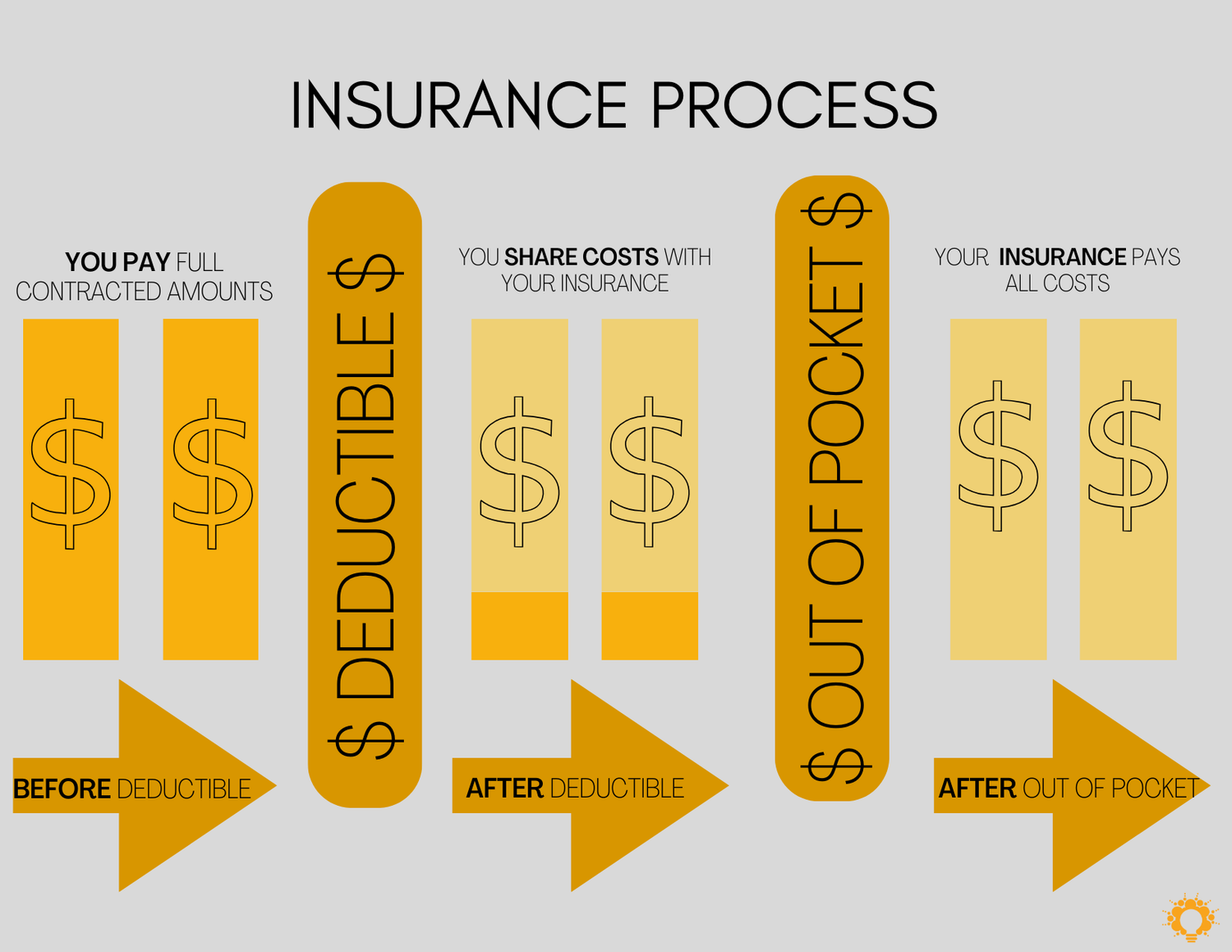
Health insurance assistance encompasses a wide range of public and private mechanisms intended to alleviate the financial burden of medical care. For many individuals, the sheer volume of terminology—deductibles, copayments, coinsurance, and out-of-pocket maximums—makes selecting and maintaining a policy challenging. Assistance programs bridge the gap between market costs and individual financial capacity, ensuring that essential medical services remain accessible.
The core objective of health insurance assistance is risk pooling and income-based subsidization. Publicly funded systems rely on tax revenues to subsidize coverage for low-to-moderate-income populations, while regulated private marketplaces offer structured discounts. Recognizing the distinction between various types of aid is the first step toward securing coverage. Assistance generally falls into two primary categories: direct financial subsidies that lower monthly premiums and structural assistance that minimizes medical service fees at the point of care.
Public Programs and Government-Sponsored Assistance
Government-sponsored programs form the foundation of health insurance assistance. These programs are established through federal and state legislation, operating under strict eligibility guidelines tied to income, age, disability status, or household composition.
Medicaid and the Children’s Health Insurance Program (CHIP)
Medicaid is a joint federal and state program that provides free or low-cost health coverage to millions of Americans, including eligible low-income adults, children, pregnant women, elderly adults, and people with disabilities. Eligibility requirements vary by state, particularly in jurisdictions that have adopted expansion policies under the Affordable Care Act (ACA).
Complementing Medicaid, the Children’s Health Insurance Program (CHIP) provides targeted health coverage to families with children who earn too much to qualify for traditional Medicaid but cannot afford private insurance. CHIP covers routine checkups, immunizations, doctor visits, hospitalizations, and emergency services, often with minimal or zero out-of-pocket costs for qualifying families.
Marketplace Subsidies and Premium Tax Credits
For individuals who do not qualify for Medicaid or CHIP, health insurance marketplaces (such as HealthCare.gov or state-run equivalents) offer private insurance plans with financial assistance. The primary tool for this is the Advanced Premium Tax Credit (APTC).
- Calculation Basis: Tax credits are calculated based on the expected household income relative to the Federal Poverty Level (FPL).
- Application Method: Credits can be applied directly to monthly premiums in real-time, reducing the out-of-pocket cost paid by the consumer each month.
- Reconciliation: Because these credits are estimated based on projected annual income, recipients must reconcile their subsidies when filing federal income taxes to account for any changes in income or household size throughout the year.
Cost-Sharing Reductions (CSRs)
Beyond lowering monthly premiums, financial assistance can directly target out-of-pocket expenses through Cost-Sharing Reductions (CSRs). Often referred to as "extra savings," CSRs are discounts that lower the amount a consumer has to pay for deductibles, copayments, and coinsurance when receiving medical care.
To qualify for CSRs, an applicant must enroll in a specific tier of coverage—known as a Silver-level plan—through the official health insurance marketplace and have a household income generally between 100% and 250% of the Federal Poverty Level. While Bronze plans offer lower monthly premiums, they do not qualify for CSRs, meaning out-of-pocket costs at the doctor's office or pharmacy can be substantially higher. Balancing premium costs against potential cost-sharing benefits is a critical decision-making step for consumers.
| Assistance Type | Primary Benefit | Income Threshold (Typical) | Required Plan Tier |
|---|---|---|---|
| Advanced Premium Tax Credit (APTC) | Lowers monthly insurance premiums | Up to 400%+ of FPL (varies by rule changes) | Bronze, Silver, Gold, Platinum |
| Cost-Sharing Reduction (CSR) | Lowers deductibles, copays, and coinsurance | 100% to 250% of FPL | Silver-level plans only |
| Medicaid | Comprehensive coverage with minimal costs | Varies (often up to 138% of FPL in expansion states) | State Medicaid Managed Care |
| CHIP | Low-cost health coverage for targeted minors | Varies by state guidelines | State CHIP plans |
Eligibility Verification and Prerequisite Documentation
Applying for health insurance assistance requires precise documentation to verify income, residency, and household composition. Providing inaccurate or outdated information can result in delayed processing, denial of coverage, or clawbacks of financial subsidies during tax reconciliation.
Required Information for Applications
When preparing to apply for marketplace assistance or public programs, applicants should gather specific documents to streamline verification:
- Proof of Identity and Citizenship: Social Security numbers, legal immigrant documentation, or birth certificates for household members.
- Income Verification: Recent pay stubs, W-2 forms, self-employment bookkeeping records, or the most recent federal tax return.
- Household Details: Information regarding dependents, marriage certificates, or adoption records that establish the exact household size.
- Current Coverage Details: Information on any employer-sponsored health insurance available to the household, even if declined, to test for affordability compliance.
Special Enrollment Periods (SEPs)
Generally, individuals can only enroll in marketplace health insurance or modify their selections during the annual Open Enrollment Period. However, qualifying life events trigger a Special Enrollment Period (SEP), allowing consumers to apply for assistance outside the standard window. Qualifying events include:
- Loss of qualifying health coverage (such as job-based insurance or aging off a parent's plan).
- Changes in household status (marriage, divorce, birth, or adoption of a child).
- Changes in residence that affect access to available plan networks.
- Significant income shifts that alter eligibility tiers for marketplace subsidies.
Employer-Sponsored Insurance and Premium Assistance
While public marketplaces serve millions, employer-sponsored health insurance remains the primary source of coverage for working populations. Under federal guidelines, employers above a certain size threshold are required to offer affordable coverage that provides minimum value.
If an employer offers a health plan, employees may still wonder if they can bypass it to buy a subsidized marketplace plan. Generally, if an employer-sponsored plan meets government affordability standards and provides minimum value, the employee is ineligible for marketplace premium tax credits. However, if the employer's plan premium exceeds a set percentage of household income, the employee may qualify for marketplace subsidies.
Additionally, some employers offer health reimbursement arrangements (HRAs) or flexible spending accounts (FSAs) that assist with out-of-pocket medical expenses, medical devices, and prescription drugs using pre-tax dollars.
Common Mistakes and Troubleshooting Application Errors
Navigating health insurance assistance systems frequently presents administrative hurdles. Recognizing common pitfalls can prevent unexpected gaps in coverage or financial penalties.
- Underestimating or Overestimating Income: Projecting annual income can be difficult for freelancers, contract workers, or those experiencing job transitions. Underestimating income can lead to owing money back at tax time, while overestimating can result in missing out on valuable monthly subsidies.
- Missing Verification Deadlines: Marketplaces often request document verification after an initial application. Failing to upload requested documents within the specified timeframe (typically 30 to 90 days) can result in the termination of financial assistance or cancellation of the policy.
- Overlooking Network Restrictions: Selecting a plan solely based on premium subsidies without verifying whether preferred doctors and local hospitals are in-network can lead to unexpected out-of-network billing.
When an application is flagged or denied, applicants should immediately review the notification letter to identify the specific discrepancy. Most platforms provide a designated window to submit appeals or corrected documentation. Utilizing certified application counselors, navigators, or state insurance department resources can provide objective, free assistance in resolving complex administrative disputes.
Frequently Asked Questions
What happens if my income changes after I apply for health insurance assistance?
Changes in income must be reported to the health insurance marketplace within 30 days of the occurrence. If your income increases, your tax credits may be adjusted downward to prevent a large tax bill at year-end. If your income decreases, you may become eligible for higher subsidies or cost-sharing reductions.
Can non-citizens qualify for health insurance assistance?
Lawfully present immigrants may qualify for marketplace coverage and premium tax credits depending on their immigration status and income level. Undocumented immigrants are generally ineligible to enroll in marketplace plans or receive federal subsidies, though they may qualify for emergency Medicaid services depending on state rules.
Are health insurance subsidies considered taxable income?
Advanced premium tax credits are not counted as taxable income. Instead, they are applied directly to lower your monthly premium. However, they must be reconciled annually on your federal tax return against your actual income earned for that year.
What is the difference between a deductible and a copayment?
A deductible is the amount of money you must pay out-of-pocket for medical care before your insurance plan begins to pay. A copayment is a fixed dollar amount you pay for a specific service (such as a doctor's visit or prescription drug) at the time the service is rendered, regardless of whether your deductible has been met.
Where can I find free, unbiased help to enroll in assistance programs?
You can access free, federally funded assistance through certified application counselors, navigators, and local community health centers. Additionally, state insurance departments and official marketplace websites provide directories of licensed brokers and navigators who cannot charge fees for application assistance.
Next Steps and Practical Recommendations
To secure the most appropriate health insurance assistance for your situation, begin by gathering your most recent tax documents, household information, and details regarding any job-based coverage offers. Visit your state’s official health insurance marketplace or the federal portal to run an anonymous screening tool or complete a formal application.
Compare available plans not only by their monthly premium costs after subsidies, but also by examining deductibles, copayments, and provider networks. If you encounter complex eligibility questions or administrative hurdles, consult a certified marketplace navigator or your state's department of insurance to ensure your application is processed accurately.