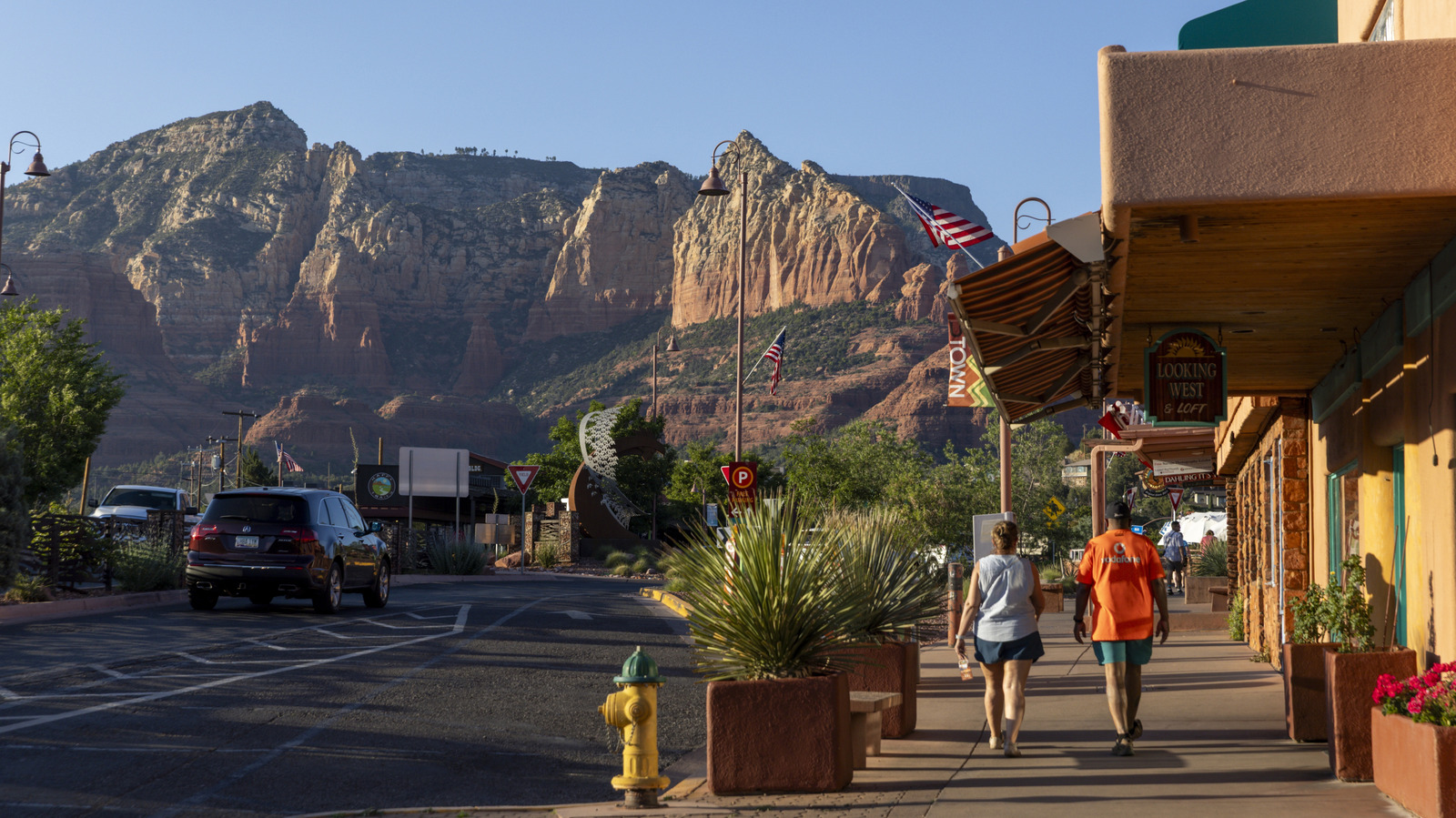
Arizona State University (ASU) town life is a multi-city experience primarily centered in Tempe, characterized by a high-energy urban atmosphere, desert outdoor recreation, and a rapidly expanding tech economy. Residents and students navigate a "one university in many places" model, utilizing the Valley Metro light rail to connect the vibrant nightlife of Tempe with the professional hubs of Downtown Phoenix, the specialized research environment in Mesa, and the suburban community in Glendale.
For anyone moving to the Phoenix metropolitan area to attend or work at ASU, the concept of "town life" is unique. Unlike traditional college towns that exist in isolation, ASU is deeply integrated into the fourth-largest metropolitan area in the United States. While Tempe remains the spiritual and social heart of the university, the university’s footprint spans the entire Valley of the Sun. In 2026, this integration has reached a new peak, with seamless transit and mixed-use developments blurring the lines between the campus and the surrounding municipalities.
The Tempe Experience: The Epicenter of ASU Life
Tempe is the quintessential ASU town. It is where the historical roots of the university lie and where the highest density of student-focused amenities is located. By 2026, Tempe has evolved from a simple college town into a dense, vertical urban center that rivals many mid-sized city downtowns.
Mill Avenue and the Social Fabric
Mill Avenue serves as the primary artery of social life in Tempe. This historic district is packed with a mix of long-standing local favorites and modern, high-rise developments. For residents, life revolves around the accessibility of this strip. During the day, it is a hub for coffee shops and study spots; at night, it transforms into a bustling nightlife destination.
The "town life" here is defined by walkability—a rarity in Arizona. Residents in the North Tempe area can realistically live without a car, relying on the Tempe Streetcar and the extensive network of bike lanes. The proximity to Tempe Town Lake also provides a recreational outlet that is central to the lifestyle. Rowing, paddleboarding, and the 5-mile paved loop around the water are staples of daily life for the local community.
The Novus Innovation Corridor
A major shift in Tempe town life by 2026 is the full integration of the Novus Innovation Corridor. This massive public-private partnership has transformed the eastern edge of the Tempe campus into a sophisticated urban neighborhood. It isn't just for students; it attracts young professionals and tech workers employed by the many firms that have relocated to the area to be near the university’s research talent. This has resulted in a more diverse demographic in the "university town," shifting the vibe from strictly undergraduate to a more professional, "live-work-play" environment.
Downtown Phoenix: The Urban Professional Shift
For those associated with the Walter Cronkite School of Journalism, the Sandra Day O’Connor College of Law, or the Edson College of Nursing and Health Innovation, ASU town life looks very different. It is an entirely urban experience located in the heart of Arizona’s capital.
Living in the City Core
The Downtown Phoenix campus is integrated directly into the city grid. There are no gates or clear boundaries. Residents here trade the traditional campus "green" for Roosevelt Row (the local arts district) and the proximity to major league sports venues like Chase Field and Footprint Center.
Life in Downtown Phoenix in 2026 is defined by the "PHX Core." The area has seen a massive influx of residential towers catering to students and faculty who want to be steps away from the state’s legal and political headquarters. The lifestyle is fast-paced, professional, and heavily reliant on the light rail system for weekend trips back to Tempe for football games or social gatherings.
The Polytechnic and West Valley Campuses: Specialized Communities
While Tempe and Downtown Phoenix get most of the attention, the Polytechnic (Mesa) and West Valley (Glendale) campuses offer distinct "town life" versions that appeal to different demographics.
Polytechnic: The Maker’s Hub
Located in Southeast Mesa near the Phoenix-Mesa Gateway Airport, the Polytechnic campus feels more like a specialized research park or a small village. The life here is quieter and more focused on the outdoors and technical projects. The residential areas surrounding the campus are primarily suburban, offering more space and a lower cost of living than the Tempe or Phoenix cores. It is a popular choice for families and graduate students who prefer a desert-campus feel with easy access to the hiking trails of the Superstition Mountains.
West Valley: The Suburban Academic Retreat
The West Valley campus in Glendale provides a classic liberal arts college atmosphere within a suburban setting. The town life here is characterized by the rapid growth of the "Westgate" area, which includes major shopping, dining, and the State Farm Stadium. Residents here enjoy a more traditional neighborhood feel, with gated communities and large public parks, making it the most family-oriented of the ASU campus environments.
Transportation and Connectivity in 2026
Navigating life between these hubs is a critical component of the ASU experience. By 2026, the transportation infrastructure in the Valley has matured significantly to support the university's distributed model.
- Valley Metro Light Rail: This remains the primary link between the Tempe and Downtown Phoenix campuses. It is a 25-to-30-minute ride that functions as a mobile study hall for thousands of students daily.
- Tempe Streetcar: This modern addition provides localized transit within the densest parts of Tempe, connecting the lakefront to the southern residential districts.
- The Orbit Bus System: A free neighborhood circulator in Tempe that is legendary among residents. It allows those living in neighborhoods like Maple-Ash or Riverside to reach campus without needing to find (and pay for) parking.
- Inter-Campus Shuttles: ASU operates high-frequency, air-conditioned shuttles that bridge the gaps between the four main campuses, ensuring that students and faculty can transition between town environments throughout the day.
Cost of Living and Housing Realities
Living in an ASU town in 2026 requires careful financial planning. The Phoenix metro area is no longer the "budget-friendly" secret it once was. The popularity of the university, combined with the region’s tech boom, has driven up housing costs.
2026 Housing Market Estimates
| Campus Area | Average Studio/1BR Rent | Vibe | Primary Transport |
|---|---|---|---|
| Tempe (Central) | $1,950 – $2,400 | High-energy, Urban | Walking / Streetcar |
| Downtown Phoenix | $2,100 – $2,600 | Professional, Artsy | Light Rail / Walking |
| Mesa (Polytechnic) | $1,600 – $1,900 | Quiet, Industrial | Car / Shuttle |
| West Valley | $1,700 – $2,000 | Suburban, Residential | Car / Shuttle |
Housing near the Tempe campus is dominated by "luxury" student housing complexes that offer amenities like rooftop pools and fitness centers. However, many residents still seek out the historic "bungalow" style homes in neighborhoods south of University Drive, which offer a more traditional residential feel albeit at a premium price point.
Climate and the "Desert Rhythm"
One cannot discuss Arizona State University town life without addressing the climate. The heat dictates the rhythm of the town. From late May through September, life moves indoors or shifts to the early morning and late evening hours.
By 2026, the university and the city of Tempe have invested heavily in "cool corridor" initiatives—shaded pathways, misting systems, and heat-reflective pavements—to make the urban environment more bearable. Town life during the academic year (August to May) is spectacular, with near-constant sunshine and temperatures that allow for outdoor dining and events like the Tempe Festival of the Arts or the Innings Festival.
Cultural and Recreational Staples
Beyond the classroom, life in these towns is enriched by a deep well of cultural institutions.
- ASU Gammage: Designed by Frank Lloyd Wright, this theater in Tempe brings Broadway-caliber performances to the community.
- A-Mountain (Hayden Butte): A rite of passage for every resident is the short, steep hike up A-Mountain to see the sunset over the Valley.
- Roosevelt Row (Phoenix): The "First Friday" art walks are a massive cultural event where the town's creative energy is on full display.
- Cubs Spring Training: In Mesa, the town comes alive every March as baseball fans descend on Sloan Park, located just minutes from the Tempe border.
Frequently Asked Questions
Is it necessary to have a car while living in an ASU town?
If you live and work primarily in the Tempe or Downtown Phoenix cores, you can successfully live without a car by utilizing the Light Rail, Streetcar, and Orbit bus system. However, if you need to commute to the Polytechnic or West Valley campuses frequently, or if you want to explore the surrounding desert and mountains, a vehicle is highly recommended due to the sprawling nature of the Phoenix metro area.
Which campus area is the safest for residents?
All ASU campus areas are patrolled by both campus and city police. The West Valley and Polytechnic campuses generally have a lower density and a more suburban, quiet feel. Tempe and Downtown Phoenix are urban environments and require the standard awareness associated with city living. ASU provides the "LiveSafe" app and "Sun Devil Star" escort services to enhance resident safety during late hours.
How do residents handle the summer heat in 2026?
Residents adapt by shifting their schedules. Outdoor exercise typically happens before 7:00 AM or after 8:00 PM. The "town life" moves into climate-controlled environments like the ASU Memorial Union, local libraries, and the many indoor shopping and dining complexes. Most apartments in the area now feature high-efficiency cooling systems and "smart" thermostats to manage energy costs.
What is the average cost of groceries and dining for a resident?
By 2026, the cost of living in the Phoenix area is slightly above the national average. A single person can expect to spend approximately $450–$600 per month on groceries. Dining out in Tempe or Downtown Phoenix ranges from $15 for a casual meal at a place like Postino or Chuckbox to $50+ for a high-end dinner in the downtown core.
Are there quiet neighborhoods near the Tempe campus?
Yes. The Maple-Ash and University Heights neighborhoods offer a quieter, tree-lined residential experience just a few blocks away from the intensity of Mill Avenue. These areas are popular with faculty, Ph.D. students, and long-term residents who value the proximity to the university but want a traditional backyard and neighborhood community.
Final Recommendations for Prospective Residents
If you are planning to immerse yourself in Arizona State University town life, your first step should be a visit to the specific campus where you will spend the most time. Each location offers a radically different lifestyle. For the classic, high-energy college experience, focus your housing search in North Tempe. If you prefer an urban, professional setting with access to the state's best culinary and arts scenes, Downtown Phoenix is the premier choice. Regardless of where you land, embrace the desert environment—invest in high-quality sun protection, learn the light rail schedule, and prepare for a lifestyle that is as much about the surrounding city as it is about the university itself.