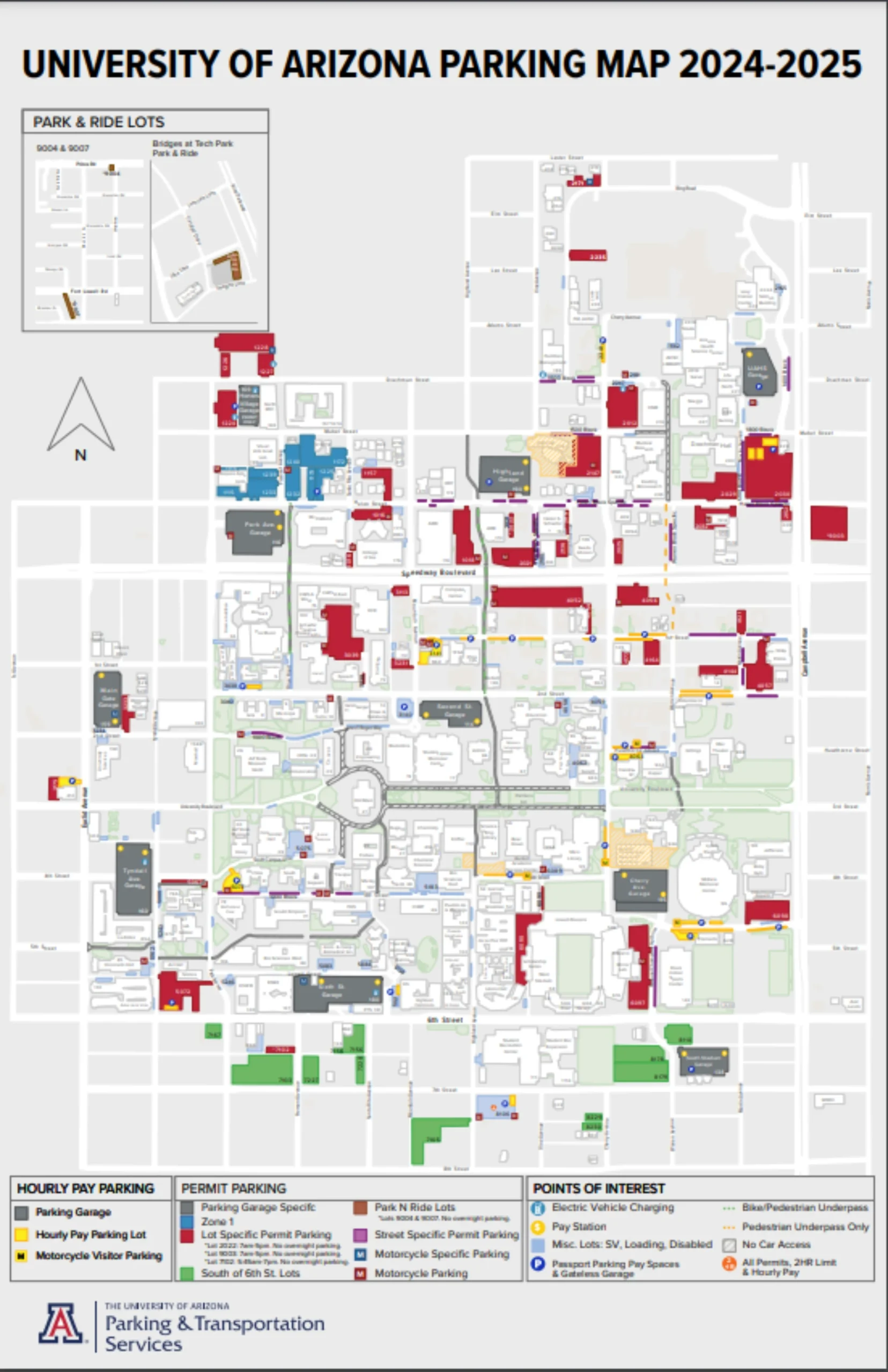
The Arizona State University main campus is located in Tempe, Arizona, approximately eight miles east of downtown Phoenix. As the historic heart of the university, the Tempe campus serves as the primary administrative and academic hub, spanning roughly 660 acres and housing the largest concentration of students and research facilities within the ASU system.
The Arizona State University (ASU) Tempe campus is more than just a collection of classrooms; it is a sprawling, sun-drenched urban environment that blends historic architecture with cutting-edge research facilities. For students, researchers, and visitors in 2026, understanding the nuances of this location—from its geographic boundaries to its integration with the Greater Phoenix metropolitan area—is essential for navigating one of the largest public universities in the United States.
Defining the "Main" Campus Identity
While Arizona State University officially operates under a "One University in Many Places" model, the Tempe campus is universally recognized as the "main" campus. This designation stems from its history, as it is the site of the original Territorial Normal School founded in 1885. In 2026, the Tempe campus continues to hold the highest density of student housing, the central athletic complexes, and the majority of the university’s administrative offices.
The distinction of being the main campus is not merely symbolic. Most of the university's "legacy" programs—including the Ira A. Fulton Schools of Engineering, the College of Liberal Arts and Sciences, and the Herberger Institute for Design and the Arts—maintain their primary presence here. When a student or visitor refers to "the ASU campus" without further qualification, they are almost certainly referring to the Tempe location.
Geographic Boundaries and Urban Integration
The Tempe campus is situated in a highly strategic location within the East Valley of the Phoenix metropolitan area. Its boundaries are defined by a mix of natural landmarks and major thoroughfares:
- North Boundary: The campus extends toward the Salt River and Tempe Town Lake. This area includes the Mountain America Stadium (formerly Sun Devil Stadium) and the Desert Financial Arena.
- South Boundary: The campus is generally bounded by Apache Boulevard, which serves as a major transit corridor for the Valley Metro Light Rail.
- West Boundary: Mill Avenue and the historic downtown Tempe district form the western edge, providing a seamless transition between academic life and the city’s commercial core.
- East Boundary: Rural Road serves as the eastern limit, separating the core academic buildings from various parking structures and athletic fields.
By 2026, the integration between the campus and the city of Tempe has deepened through the Novus Innovation Corridor. This public-private partnership has transformed the northern and eastern edges of the campus into a multi-use district where corporate headquarters, retail centers, and luxury residential units sit adjacent to university research labs.
Navigating the Tempe Campus Infrastructure
Navigating 660 acres requires an understanding of the campus's unique layout. The university has spent decades transitioning the core of the campus into a pedestrian-friendly environment.
The Walk-Only Zones
To manage the heavy flow of foot traffic, ASU enforces "Walk-Only Zones" across the central campus during peak hours (typically Monday through Friday, 8:00 AM to 4:00 PM). In these areas, the use of bicycles, scooters, and skateboards is prohibited to ensure pedestrian safety. These zones are centered around high-traffic landmarks like the Memorial Union (MU) and the Hayden Library.
Iconic Landmarks and Key Intersections
When navigating the location, several landmarks serve as vital points of reference:
- Old Main: Located on University Drive, this is the oldest building on campus and serves as the symbolic heart of the university.
- Palm Walk: A scenic, tree-lined pedestrian path that runs north-south, connecting the northern athletic district to the southern academic quads. It is arguably the most photographed location on campus.
- The Memorial Union (MU): Situated near the center of campus, the MU is the primary hub for student services, dining, and social gatherings.
- Fulton Center: Located at the intersection of University Drive and College Avenue, this building houses the university’s top administrative offices, including the Office of the President.
Transportation and Accessibility
The Tempe campus is one of the most accessible university locations in the Southwest, benefiting from a robust multi-modal transportation network.
Valley Metro Light Rail
The light rail is the lifeblood of regional student transit. There are three primary stations serving the Tempe campus:
- Veterans Way/College Ave: Ideal for accessing the northern part of campus, the stadium, and the Fulton Center.
- University Dr/Rural Rd: Serves the northeastern quadrant, including many engineering buildings.
- Mill Ave/Third St: Provides direct access to the western edge of campus and the downtown Tempe district.
The Orbit Bus System
Tempe’s "Orbit" buses are small, neighborhood circulators that offer free rides to students and the public. Routes like the Mercury, Venus, and Mars connect residential neighborhoods directly to the perimeter of the ASU campus, making it feasible for students to live off-campus without needing a personal vehicle.
Parking Logistics
For those who must drive, ASU utilizes a permit-based parking system. Parking is divided into several categories:
- Parking Garages: Facilities like the Apache Boulevard Garage and the Fulton Center Garage offer hourly or daily rates for visitors.
- Permit Lots: Surface lots on the campus periphery are generally reserved for students and staff with semester-long permits.
- Validation: Many university departments provide parking validation for official guests, though this must be arranged in advance.
Academic and Research Facilities at the Main Campus
The Tempe location is the primary site for ASU’s "Discovery District" and extensive laboratory infrastructure. As of 2026, the campus houses several multidisciplinary research buildings that are essential to the university’s status as a top-tier research institution.
- Biodesign Institute: A massive complex focused on nature-inspired solutions for health and sustainability. It is located on the eastern side of the campus near McAllister Avenue.
- Interdisciplinary Science and Technology Buildings (ISTB): These numbered buildings (ISTB 1 through 7) are scattered across the campus, housing everything from NASA-funded space exploration labs to advanced robotics centers.
- Arizona Center for Algae Technology and Innovation (AzCATI): While some large-scale agricultural research occurs at the Polytechnic campus, the core data analysis and molecular research often reside in Tempe.
Comparison of ASU Campus Locations
While Tempe is the main campus, ASU’s distributed model means that specific academic disciplines are located elsewhere. The following table provides a comparison of the primary campus locations as they stand in 2026.
| Campus | Location | Primary Academic Focus | Character |
|---|---|---|---|
| Tempe (Main) | Tempe, AZ | Engineering, Liberal Arts, Arts, Research | Urban, Historic, High-Density |
| Downtown Phoenix | Phoenix, AZ | Journalism, Nursing, Law, Public Service | Metropolitan, Professional, Integrated |
| West Valley | Glendale, AZ | Business, Education, Forensic Science | Suburban, Quiet, Community-Oriented |
| Polytechnic | Mesa, AZ | Aviation, Robotics, Applied Sciences | Industrial, Hands-on, Specialized |
| Lake Havasu | Lake Havasu, AZ | General Education, Tourism | Small-scale, Residential, Scenic |
Logistics for Visitors: Getting to the Tempe Campus
Visitors traveling to the Arizona State University main campus location have several options depending on their point of origin.
From Phoenix Sky Harbor International Airport
The Tempe campus is located less than 10 minutes from Sky Harbor. Visitors can take the PHX Sky Train to the Valley Metro Light Rail station at 44th Street and Washington, then take the eastbound train directly to the Tempe/College Ave station. Alternatively, a rideshare (Uber or Lyft) typically costs between $15 and $25, depending on the time of day.
Visitor Tours
The ASU Welcome Center, located in the Fulton Center, is the starting point for most official campus tours. It is recommended that prospective students and their families schedule tours at least two weeks in advance, especially during the peak spring and fall semesters. In 2026, the university also offers augmented reality (AR) self-guided tours that can be accessed via smartphone at various historical markers across the campus.
Area Amenities
The location’s proximity to Mill Avenue means that visitors have immediate access to dozens of restaurants, coffee shops, and hotels. The Tempe Mission Palms and the Omni Tempe Hotel at ASU are the two most prominent lodging options located within walking distance of the university’s administrative core.
Common Misconceptions About ASU's Location
As the university has grown, several misconceptions have emerged regarding its location and campus structure.
Misconception 1: "ASU is only in Tempe." While Tempe is the largest campus, thousands of students complete their entire degrees at the Downtown Phoenix or West Valley campuses without ever attending a class in Tempe.
Misconception 2: "The campus is a traditional, gated 'university town'." The Tempe campus is an open, urban environment. There are no gates or walls separating the university from the city. City streets run through the campus, and public transportation is deeply integrated into the university's footprint.
Misconception 3: "Parking is impossible." While parking in the core of the campus is limited and expensive, the university provides extensive "Park and Ride" options and remote lots with shuttle services (the "Flash" shuttle) that make commuting manageable.
Future Outlook and Urban Integration in 2026
Looking at the status of the Tempe campus in 2026, it is clear that the university is no longer just a tenant of the city but a co-developer of the urban landscape. The completion of several projects within the Novus Innovation Corridor has added millions of square feet of office and retail space, effectively blurring the lines between the campus and the business world. This geographic evolution supports ASU’s mission of "social embeddedness," ensuring that research and education take place in the same physical space where industry operates.
For those planning to visit or attend Arizona State University, the Tempe campus remains the definitive destination for the "Sun Devil" experience. Its location offers a unique blend of Arizona history, modern technological advancement, and vibrant urban culture, making it a cornerstone of the Phoenix metropolitan area.
Frequently Asked Questions
What is the exact physical address of the ASU Tempe campus?
The general mailing address for the university is 1151 S Forest Ave, Tempe, AZ 85281. However, because the campus is so large, specific buildings have their own unique street addresses. For visitors, the Fulton Center at 300 E University Dr, Tempe, AZ 85281 is the best location for GPS navigation when seeking administrative offices or the Welcome Center.
Is the Tempe campus walkable?
Yes, the Tempe campus is highly walkable and is designed with a pedestrian-first philosophy. Most academic buildings within the campus core can be reached within a 10-to-15-minute walk. During the summer months, however, the extreme Arizona heat makes the use of shaded paths like Palm Walk and the various underground concourses essential for comfort.
How do I get from the Tempe campus to the Downtown Phoenix campus?
The most efficient way to travel between campuses is via the ASU Intercampus Shuttle. This free service for students and faculty runs frequently throughout the day, connecting the Tempe, Downtown Phoenix, West Valley, and Polytechnic campuses. Alternatively, the Valley Metro Light Rail provides a direct link between Tempe and Downtown Phoenix for a standard fare.
Is the ASU main campus safe for visitors at night?
The Tempe campus is generally considered safe and is patrolled 24/7 by the ASU Police Department. The university utilizes "Blue Light" emergency call boxes across the grounds and offers the "ASU LiveSafe" mobile app, which allows users to request virtual escorts or report suspicious activity directly to dispatch.
Where is the best place to park for a quick visit?
For short visits of two hours or less, the Apache Boulevard Garage or the Fulton Center Garage are the most convenient. They use a ticketless system where you pay via an app or a kiosk upon exit. For very brief stops, there are limited metered parking spaces along University Drive and College Avenue, though these are frequently occupied.
Final Recommendations for Navigating the Location
When visiting or commuting to the Arizona State University main campus in Tempe, planning is your most valuable tool. In 2026, the density of the area means that traffic and parking can be challenging during major events, such as Sun Devil football games or graduation ceremonies at Mountain America Stadium.
- Use Public Transit: Whenever possible, utilize the Light Rail or the Orbit bus system. It saves on parking costs and reduces the stress of navigating campus traffic.
- Download the ASU App: The official university app provides real-time maps, shuttle trackers, and walking directions that are more accurate than standard commercial GPS apps for finding specific classroom buildings.
- Check the Event Calendar: Before visiting, check the ASU Events Calendar to ensure your visit doesn't coincide with a major road closure or campus-wide event.
- Hydrate: Regardless of the time of year, the walkability of the Tempe campus means you will be outdoors. Always carry water, as the distance between buildings can be deceptively long in the desert sun.