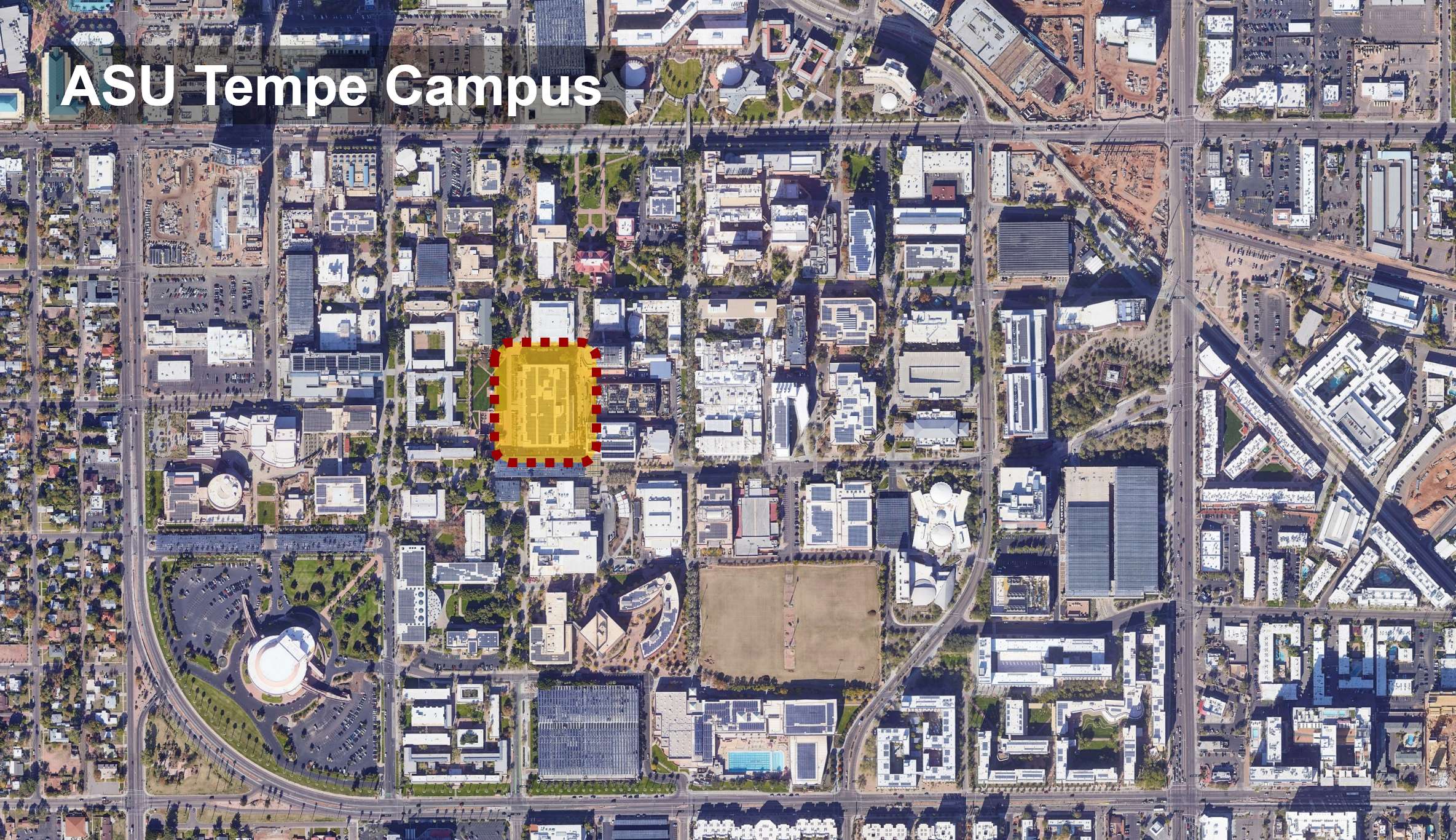
Arizona State University (ASU) spans a total physical footprint of over 1,500 acres across its four primary Phoenix metropolitan campuses. The Tempe campus serves as the largest hub at approximately 660 acres, followed by the Polytechnic campus at 600 acres, the West Valley campus at 275 acres, and the vertically integrated Downtown Phoenix campus.
Arizona State University has long been recognized as one of the largest public research universities in the United States. However, its "size" is not defined by a single plot of land but rather by a sophisticated, multi-campus model known as "One University in Many Places." This distributed model allows ASU to provide specialized environments for different disciplines while maintaining a massive overall presence in the Southwest.
As of 2026, understanding the physical dimensions and logistical layout of ASU is essential for prospective students, urban planners, and researchers. The scale of these campuses influences everything from transit times and housing availability to the specific "vibe" of a student’s academic experience. This guide breaks down the acreage, facilities, and unique characteristics of each location to provide a complete picture of the university’s physical reach.
The Tempe Campus: The Historic and Academic Heart
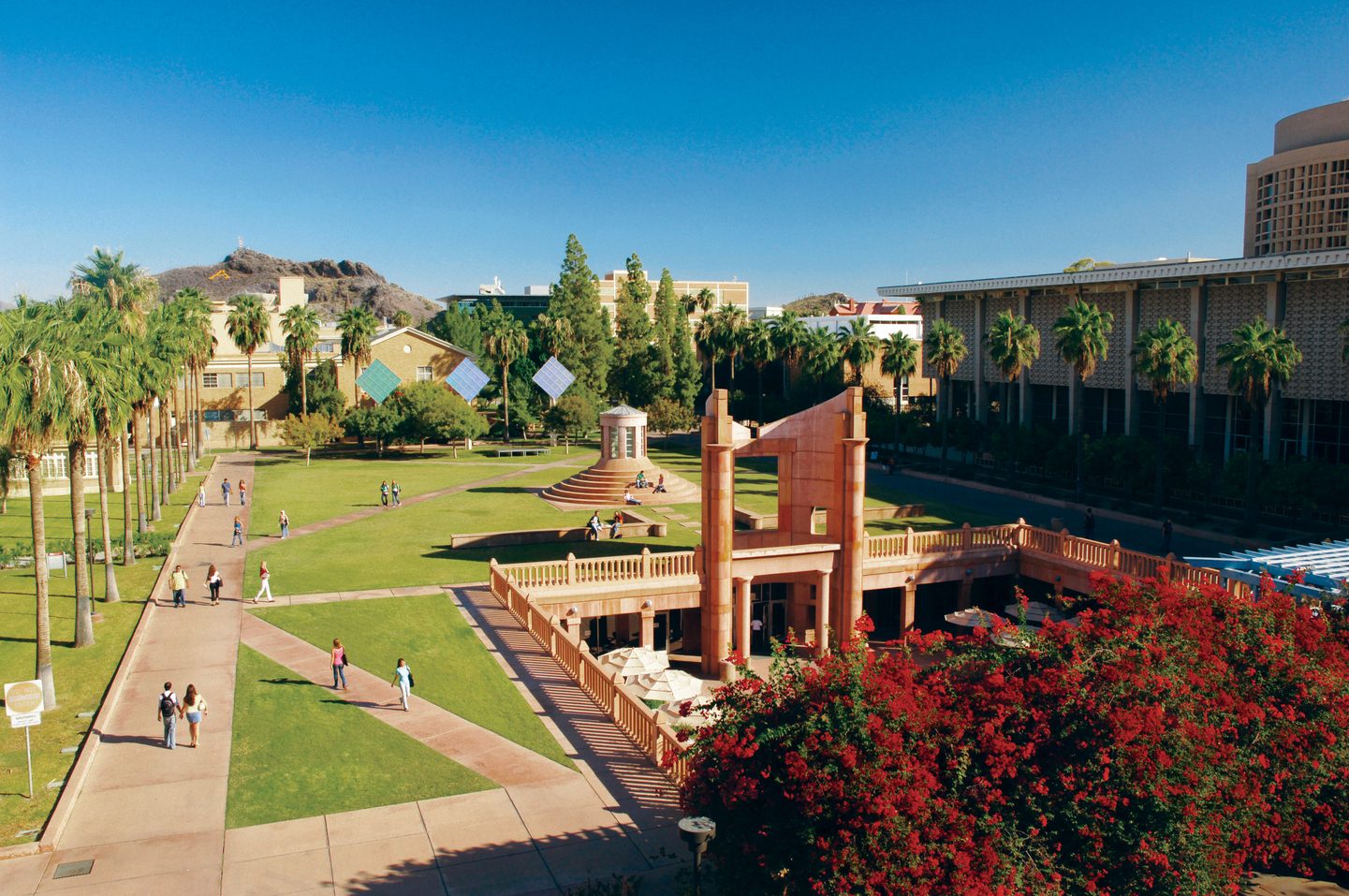
The Tempe campus remains the flagship location of Arizona State University. Spanning roughly 660 acres, it is a dense, pedestrian-friendly environment that balances historic landmarks with cutting-edge research facilities. Unlike many rural universities that have sprawling, empty fields, the Tempe campus is highly developed, utilizing its acreage for high-density academic buildings, athletic complexes, and student housing.
The Layout of the Flagship
The Tempe campus is centered around the iconic Palm Walk, a corridor lined with palm trees that serves as the primary north-south artery for students. The size of the campus is such that walking from the southern end (near Apache Blvd) to the northern end (near Tempe Town Lake) takes approximately 15 to 20 minutes at a brisk pace.
The campus is divided into several functional zones:
- The Academic Core: Located in the center, housing the Memorial Union, Hayden Library, and the majority of liberal arts and sciences buildings.
- The Athletics District: Occupying the northern and eastern edges, this includes Mountain America Stadium, Desert Financial Arena, and the Mullett Arena. This district alone accounts for a significant portion of the 660-acre footprint.
- The Novus Innovation Corridor: A massive multi-phase development on university land that integrates private-sector office space, retail, and residential units into the campus ecosystem.
Managing Density and Growth
Because the Tempe campus is land-locked by the City of Tempe, it has focused on vertical growth and infill development. In recent years leading up to 2026, the university has replaced older, smaller structures with multi-story, mixed-use buildings. This strategy allows ASU to increase its capacity for research and housing without needing to expand its physical boundaries beyond the existing 660 acres.
The Polytechnic Campus: Innovation on a Grand Scale
Located in Mesa at the site of the former Williams Air Force Base, the Polytechnic campus is the second-largest by acreage, covering approximately 600 acres. Despite having a smaller student population than Tempe, its physical size is nearly identical, offering a much more open, suburban, and industrial feel.
The Advantage of Space
The 600-acre footprint is essential for the Polytechnic campus’s specific mission. As the home to the Ira A. Fulton Schools of Engineering and programs in aviation and sustainable agriculture, the campus requires significant space for:
- Flight Operations: Proximity to the Phoenix-Mesa Gateway Airport allows for extensive aviation training facilities.
- Research Labs: Large-scale engineering projects and automotive testing facilities that would be impossible to house on the denser Tempe campus.
- Desert Arboretum: The campus features a unique landscape design that utilizes its acreage to showcase native desert flora, serving as a "living laboratory" for sustainability students.
Campus Connectivity
Because the Polytechnic campus is more spread out, the "Why" behind its design is focus and tranquility. Students here often describe a "small-town" atmosphere within a major university system. The wide-open spaces between buildings are frequently used for project testing, such as drone flight and desert-optimized construction projects.
The West Valley Campus: A Private College Feel
The West Valley campus (formerly known as ASU West) is situated on 275 acres in Northwest Phoenix, bordering Glendale. It was designed with a specific architectural vision modeled after the University of Oxford, emphasizing courtyards, covered walkways, and a cohesive aesthetic.
Architecture and Utilization
With 275 acres, the West Valley campus is large enough to feel like a self-contained ecosystem but small enough to remain easily navigable. The acreage is primarily dedicated to:
- The Paley Gates and Quad: Central gathering spaces that define the Oxford-style layout.
- Fletcher Library: A massive facility that serves as the academic anchor for the West Valley community.
- Sun Devil Fitness Complex: A major portion of the southern acreage is dedicated to health and recreation, including expansive outdoor fields.
The West Valley campus is often the choice for students who want the resources of a "Top 10" university (by enrollment) but prefer the physical constraints and familiarity of a smaller footprint.
The Downtown Phoenix Campus: The Urban Integration Model
The Downtown Phoenix campus is the most unique in the ASU system because its "size" cannot be measured solely in traditional acreage. While official estimates suggest the university-owned footprint is approximately 15 to 20 acres, the campus is actually a collection of "vertical" assets integrated directly into the Phoenix city grid.
A Vertical Campus
Rather than having a fenced-in perimeter, the Downtown campus utilizes high-rise buildings and repurposed historic structures. This integration means that the "campus" effectively spans several city blocks. Key facilities include:
- The Walter Cronkite School of Journalism: A multi-story, state-of-the-art media complex.
- Arizona Center: ASU has expanded its footprint here to include significant administrative and academic space.
- Taylor Place: A massive residential tower that houses thousands of students in a vertical dormitory format.
The primary intent of this campus size and layout is professional immersion. By being physically integrated into the city's legal, medical, and media hubs, students are steps away from internships and professional networking, trading traditional "campus greens" for urban plazas.
Summary of ASU Campus Sizes and Characteristics
To help visualize the scale of these different locations, the following table compares the four primary campuses across several key metrics as of 2026.
| Campus Name | Approx. Acreage | Primary Aesthetic | Academic Focus Area |
|---|---|---|---|
| Tempe | 660 Acres | Historic/High-Density | Liberal Arts, Business, Engineering |
| Polytechnic | 600 Acres | Industrial/Desert Open Space | Aviation, Technology, Robotics |
| West Valley | 275 Acres | Oxford-style/Classical | Forensics, Nursing, Education |
| Downtown Phoenix | 15-20 Acres* | Urban/Vertical | Journalism, Law, Health Solutions |
*Acreage for Downtown Phoenix is approximate university-owned land; the functional area covers multiple city blocks.
Logistics of Navigating Over 1,500 Acres
Managing a university that spans more than 1,500 physical acres across a 50-mile radius requires an incredibly sophisticated transportation and digital infrastructure. Students at ASU are rarely confined to a single campus, making the logistics of size a daily consideration.
The Intercampus Shuttle System
The university operates one of the most robust campus shuttle systems in the country. To bridge the gap between the 660 acres of Tempe and the 600 acres of Polytechnic, or the 275 acres of West Valley, ASU provides free, high-frequency shuttles.
- Gold Route: Connects Tempe and Polytechnic.
- Maroon Route: Connects Tempe and West Valley.
- Mercado/Downtown Shuttles: Facilitates movement between the urban core and the flagship campus.
Digital Size and Connectivity
In 2026, the "size" of ASU also includes its massive digital footprint. With 5G integration across all 1,500+ acres, the university ensures that student services are accessible regardless of which physical acre a student is currently standing on. This technology is critical for managing safety (through the LiveSafe app) and academic resources across such a vast geographic area.
Comparing ASU to Other Major Universities
To put Arizona State University's campus size in perspective, it is helpful to compare it to other prominent institutions. While ASU is massive, it is often more "efficient" with its land use than some rural land-grant universities.
- Texas A&M University (College Station): One of the few universities significantly larger in terms of contiguous acreage, spanning over 5,000 acres.
- Stanford University: Spans roughly 8,000 acres, though much of this is undeveloped foothills or leased land.
- University of Central Florida (UCF): Often compared to ASU in terms of student population, UCF’s main campus is approximately 1,400 acres, making it more physically expansive in a single location than the ASU Tempe campus.
ASU’s distinction lies in its multi-node density. Rather than having one massive, 2,000-acre site far from a city, ASU has strategically placed its 1,500+ acres where they can best serve the specific economic and social needs of the Phoenix metropolitan area.
Environmental Impact and Sustainability of Campus Land
With over 1,500 acres in the Sonoran Desert, Arizona State University faces unique challenges regarding heat management and water usage. The university has used its campus size as a testing ground for sustainability initiatives.
Solar Power and Urban Heat Island Mitigation
A significant portion of the acreage, particularly in Tempe and Polytechnic, is covered by solar arrays. These arrays serve a dual purpose: generating renewable energy and providing much-needed shade over parking lots and walkways. ASU has one of the largest solar footprints of any university in the world.
Permeable Surfaces and Xeriscaping
To manage the 275 acres at the West Valley campus and the 600 acres at Polytechnic, ASU has transitioned away from water-intensive turf to xeriscaping. This use of native plants significantly reduces the "size" of the university's water footprint while still maintaining an aesthetically pleasing environment.
Frequently Asked Questions
Which ASU campus is the biggest?
The Tempe campus is the largest in terms of student population and density, covering approximately 660 acres. However, the Polytechnic campus in Mesa is nearly as large in physical area, at 600 acres, but with significantly more open space and industrial facilities.
How long does it take to walk across the Tempe campus?
Walking from the far north end to the far south end of the Tempe campus typically takes 15 to 20 minutes. Because the campus is a dedicated pedestrian zone, students often use bicycles, skateboards, or electric scooters to navigate the 660 acres more quickly.
Can I have classes on more than one campus?
Yes. Many students take advantage of the "One University" model to take classes on different campuses. The intercampus shuttle system is designed specifically to move students between the different acreages throughout the day.
Is the Downtown Phoenix campus actually a "campus"?
While it lacks the traditional large green fields and contiguous acreage of the West Valley or Tempe campuses, it is a fully-functioning campus. Its "size" is vertical, with academic life taking place in high-rise buildings that are integrated into the city’s downtown infrastructure.
Does ASU have other locations outside of Phoenix?
Yes. Beyond the four main Phoenix campuses, ASU has a presence in Lake Havasu City (a smaller, specialized campus), the ASU California Center in Los Angeles, and the Barrett & O’Connor Washington Center in D.C. These locations are significantly smaller in acreage than the four Phoenix hubs.
Practical Recommendations for Navigating ASU
If you are planning a visit or starting as a student in 2026, keep these size-related tips in mind:
- Wear comfortable shoes: Even on the smaller West Valley campus, you will likely walk several miles a day.
- Use the Transit App: ASU’s shuttle system is integrated into many transit-tracking apps, which is essential for timing your travel between the 1,500 acres of campus land.
- Hydrate: The sheer size of these campuses, combined with the Arizona heat, makes hydration a safety priority. Most campuses have high-tech water refill stations every few hundred yards.
- Explore the "Open" Acreage: If you feel cramped in the high-density Tempe environment, take a shuttle to the Polytechnic or West Valley campuses. The extra acreage and open space provide a completely different academic atmosphere.
Arizona State University’s physical size is a reflection of its massive mission. By distributing its 1,500+ acres across different environments—urban, suburban, and industrial—ASU ensures that its physical footprint is as diverse as its student body.