Arizona follows Mountain Standard Time (MST) throughout the entire year and does not observe Daylight Saving Time (DST). While the majority of the United States adjusts their clocks forward in March and backward in November, Arizona remains on a consistent schedule to mitigate extreme summer heat and reduce energy consumption associated with extended evening sunlight.
The decision to remain on standard time makes Arizona unique among the lower 48 states, with the only exception being the Navajo Nation, which does observe Daylight Saving Time. For travelers, business owners, and residents, understanding these nuances is essential for scheduling meetings, catching flights, and navigating the complex "time zone donut" within the state's northeastern corner.
The Legal and Historical Foundation of Arizona’s Time Policy
To understand why Arizona operates differently, one must look back to the federal Uniform Time Act of 1966. This federal mandate was designed to standardize time patterns across the United States. While the act required states to adopt Daylight Saving Time, it provided an "opt-out" clause for state legislatures. Arizona initially experimented with Daylight Saving Time in 1967 but found the results culturally and economically unfavorable.
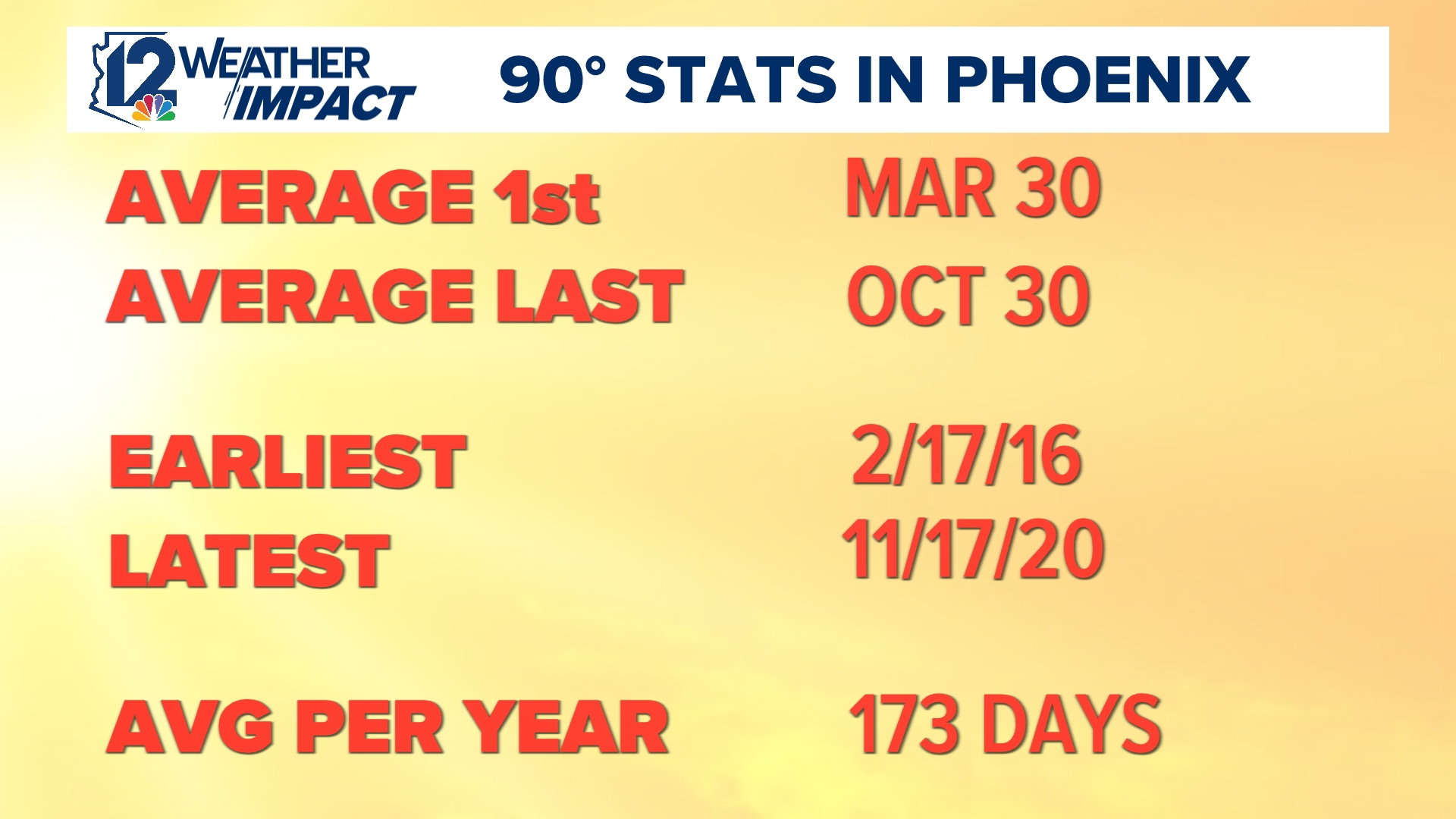
In 1968, the Arizona State Legislature officially voted to exempt the state from Daylight Saving Time. The primary driver for this decision was the state’s extreme climate. In the desert Southwest, the sun is a source of intense heat rather than a sought-after commodity for evening recreation. Adding an extra hour of sunlight in the evening during the summer months would mean higher temperatures during peak commuting hours and increased reliance on air conditioning, leading to higher energy costs for households and businesses.
By remaining on Mountain Standard Time (MST) year-round, Arizona ensures that the sun sets "earlier" during the hottest months of the year, providing residents with much-needed relief from the triple-digit temperatures. As of 2026, this policy remains firmly in place, despite occasional legislative discussions regarding a shift to permanent Daylight Saving Time to align more closely with national financial markets.
The Geography of Time: The Navajo Nation and Hopi Reservation
The most complex aspect of Arizona state time and daylight saving rules involves the tribal lands in the northeastern part of the state. The Navajo Nation, which spans across Arizona, New Mexico, and Utah, chooses to observe Daylight Saving Time. This creates a uniform time across the entire reservation, preventing logistical confusion for tribal government operations and schools that cross state lines.
However, the Hopi Reservation, which is entirely surrounded by the Navajo Nation, follows the rest of Arizona and does not observe Daylight Saving Time. This creates a unique geographical phenomenon often referred to as a "time zone donut."
Understanding the Nested Time Zones
- Mainland Arizona: Always on Mountain Standard Time (MST).
- Navajo Nation (within AZ): Observes Daylight Saving Time (MDT in summer).
- Hopi Reservation (within the Navajo Nation): Does not observe Daylight Saving Time (remains on MST).
If you were to drive from Flagstaff to the heart of the Navajo Nation and then into the Hopi Reservation during the summer, your clock would change three times within a relatively short distance. This is particularly important for tourists visiting landmarks like Canyon de Chelly or the Hopi Mesas.
How Arizona Time Compares to Other U.S. Time Zones
Because Arizona does not move its clocks, its relationship with other time zones changes twice a year. When the rest of the country "springs forward" into Daylight Saving Time, Arizona effectively aligns with the Pacific time zone. When the country "falls back" to Standard Time in the autumn, Arizona aligns again with the Mountain time zone.
Seasonal Alignment Table
| Region/Zone | Winter (Nov – March) | Summer (March – Nov) |
|---|---|---|
| Arizona (Mainland) | Same as Mountain Standard (MST) | Same as Pacific Daylight (PDT) |
| Navajo Nation | Mountain Standard (MST) | Mountain Daylight (MDT) |
| Pacific Time (CA, NV) | 1 Hour Behind AZ | Same as Arizona |
| Mountain Time (CO, UT) | Same as Arizona | 1 Hour Ahead of AZ |
| Central Time (TX, IL) | 1 Hour Ahead of AZ | 2 Hours Ahead of AZ |
| Eastern Time (NY, FL) | 2 Hours Ahead of AZ | 3 Hours Ahead of AZ |
For remote workers and businesses in 2026, this "sliding" relationship requires constant vigilance. A 9:00 AM meeting in New York City is at 7:00 AM in Phoenix during the winter, but it moves to 6:00 AM in Phoenix during the summer.
Economic and Lifestyle Impacts of Arizona's Time Choice
The decision to opt out of DST is not merely a matter of tradition; it has significant economic implications for the state.
Energy Consumption and Cooling Costs
The most cited reason for Arizona's stance is energy conservation. In many northern states, DST is intended to save energy by reducing the need for artificial lighting in the evening. In Arizona, however, the primary energy drain is air conditioning. An extra hour of evening sun means homes stay hotter for longer, forcing HVAC systems to work harder during the early evening hours when electricity demand is already at its peak. Research from the mid-20th century, which remains a cornerstone of the policy today, suggests that standard time saves Arizona millions in annual utility costs.
Outdoor Industry and Recreation
The timing of sunset also affects the state's robust outdoor and tourism industries. Golf courses, which are a major economic driver in the Scottsdale and Phoenix areas, often prefer the current system during the winter months when the weather is ideal. During the summer, an earlier sunset is actually preferred by many residents who wait for the sun to go down before engaging in outdoor exercise or dining.
Health and Public Safety
Public health officials often note that Arizona avoids the "circadian rhythm disruption" that affects the rest of the country twice a year. Studies have shown a spike in heart attacks, traffic accidents, and workplace injuries in the days following the "spring forward" clock change. Arizona residents are spared these transitional health risks.
Technical Considerations: Software and Device Management
In 2026, most digital devices handle Arizona’s unique time rules automatically, provided they are configured correctly. Most operating systems (Windows, macOS, iOS, Android) include a specific time zone setting for "Arizona" or "Phoenix".
It is a common mistake for users to set their time zone to "Mountain Time." If a user chooses "Mountain Time" instead of "Arizona," their device may automatically shift forward one hour in March, causing significant scheduling errors.
Best Practices for IT and Scheduling
- Database Management: Use Coordinated Universal Time (UTC) for all backend storage and convert to "America/Phoenix" only at the presentation layer.
- Calendar Invites: Always verify the "offset" when scheduling with participants in Arizona. In the summer, Phoenix is UTC-7.
- IoT Devices: Ensure smart home devices like thermostats and irrigation controllers are specifically set to the Arizona time zone to prevent them from operating during peak-heat hours unexpectedly.
Common Misconceptions and Debates
Despite the consistency of the law, several myths persist about Arizona's timekeeping.
"Arizona is on Pacific Time"
While Arizona shares the same time as California during the summer, it is technically never on "Pacific Time." Arizona remains on Mountain Standard Time. The reason the times match is that California moves "forward" into Pacific Daylight Time (UTC-7), which happens to be the same offset as Mountain Standard Time (UTC-7).
"The entire state ignores DST"
As noted previously, this is false. The Navajo Nation is a sovereign entity that chooses to observe DST. This is a critical distinction for anyone traveling to the northeastern quadrant of the state, including the city of Window Rock or parts of the Grand Canyon region near the reservation borders.
"Permanent DST" Proposals
Every few years, a bill is introduced in the Arizona legislature to adopt permanent Daylight Saving Time. Proponents argue this would align Arizona with the Mountain states year-round and benefit businesses that trade with the East Coast. However, these bills rarely gain traction because of the immediate opposition from the public regarding the "hotter evenings" that would result during the summer months.
Practical Advice for Visitors and Business Travelers
If you are planning a trip to Arizona in 2026, or if you are managing a business that interacts with the state, keep the following guidelines in mind:
- Check the Reservation Borders: If your travel plans include Monument Valley or the Antelope Canyon area, confirm the local time with your tour operator. These areas are within the Navajo Nation and will be one hour ahead of Phoenix from March to November.
- Confirm Flight Times: Airlines always list flight times in local time. A flight departing Phoenix for Denver in July will show a departure on MST and an arrival on MDT.
- Adjust Your Body Clock Early: If you are traveling from the East Coast to Arizona in the summer, you are dealing with a three-hour time difference. Because Arizona does not change its clocks, the "jet lag" can feel more pronounced for those used to the standard two-hour Mountain Time gap.
- Meeting Invitations: When sending calendar invites to Arizona residents, use tools like World Time Buddy or the built-in time zone converter in Outlook/Google Calendar to ensure you aren't accidentally inviting a Phoenix colleague to a 5:00 AM meeting.
Frequently Asked Questions
Does Phoenix ever change its clocks?
No, the city of Phoenix, along with the rest of mainland Arizona, has not changed its clocks for Daylight Saving Time since 1967. It remains on Mountain Standard Time year-round.
Why does the Navajo Nation use Daylight Saving Time if Arizona doesn't?
The Navajo Nation extends into New Mexico and Utah, both of which observe Daylight Saving Time. To maintain a consistent time across their entire sovereign territory, the Navajo Nation chose to observe DST, even in the portions of the reservation located within Arizona's borders.
Will Arizona ever change its time rules?
While there are occasional legislative debates, there is currently no significant movement to change Arizona's status as of 2026. The environmental and energy-saving benefits of staying on Standard Time are widely supported by the population.
Is Arizona on the same time as Las Vegas?
During the summer months (from March to November), Arizona and Las Vegas (Pacific Daylight Time) are on the same time. During the winter months (November to March), Arizona is one hour ahead of Las Vegas (Pacific Standard Time).
How does Arizona time affect the stock market?
Since the New York Stock Exchange (NYSE) follows Eastern Time, the market opens at 7:30 AM Arizona time in the winter and 6:30 AM Arizona time in the summer. Business professionals in Arizona often start their days very early to stay synchronized with national financial markets.
What happens if I forget to set my phone to 'Phoenix' time?
If your phone is set to "Automatic" based on GPS, it should pick up the correct local time. However, if you manually select "Mountain Time," your phone will likely jump forward one hour in the spring, making you an hour early for all your appointments until you manually correct it to "Arizona."
Summary of Actionable Steps
To ensure you are correctly aligned with Arizona's unique timekeeping, follow these steps:
- For Residents: Periodically check your smart devices to ensure the time zone is explicitly set to "Phoenix" or "Arizona," not "Mountain Time (US & Canada)."
- For Travelers: If visiting the Navajo Nation (e.g., Monument Valley), manually add a "secondary clock" to your smartphone to track both Phoenix time and Navajo time.
- For Business Owners: Update your email signature or website to specify "MST (UTC-7)" to avoid confusion for out-of-state clients who may assume you are following the standard Daylight Saving schedule.
By respecting the historical and climatic reasons for Arizona's exemption from Daylight Saving Time, you can navigate the state’s schedule with confidence and avoid the logistical pitfalls of the "time zone donut."